
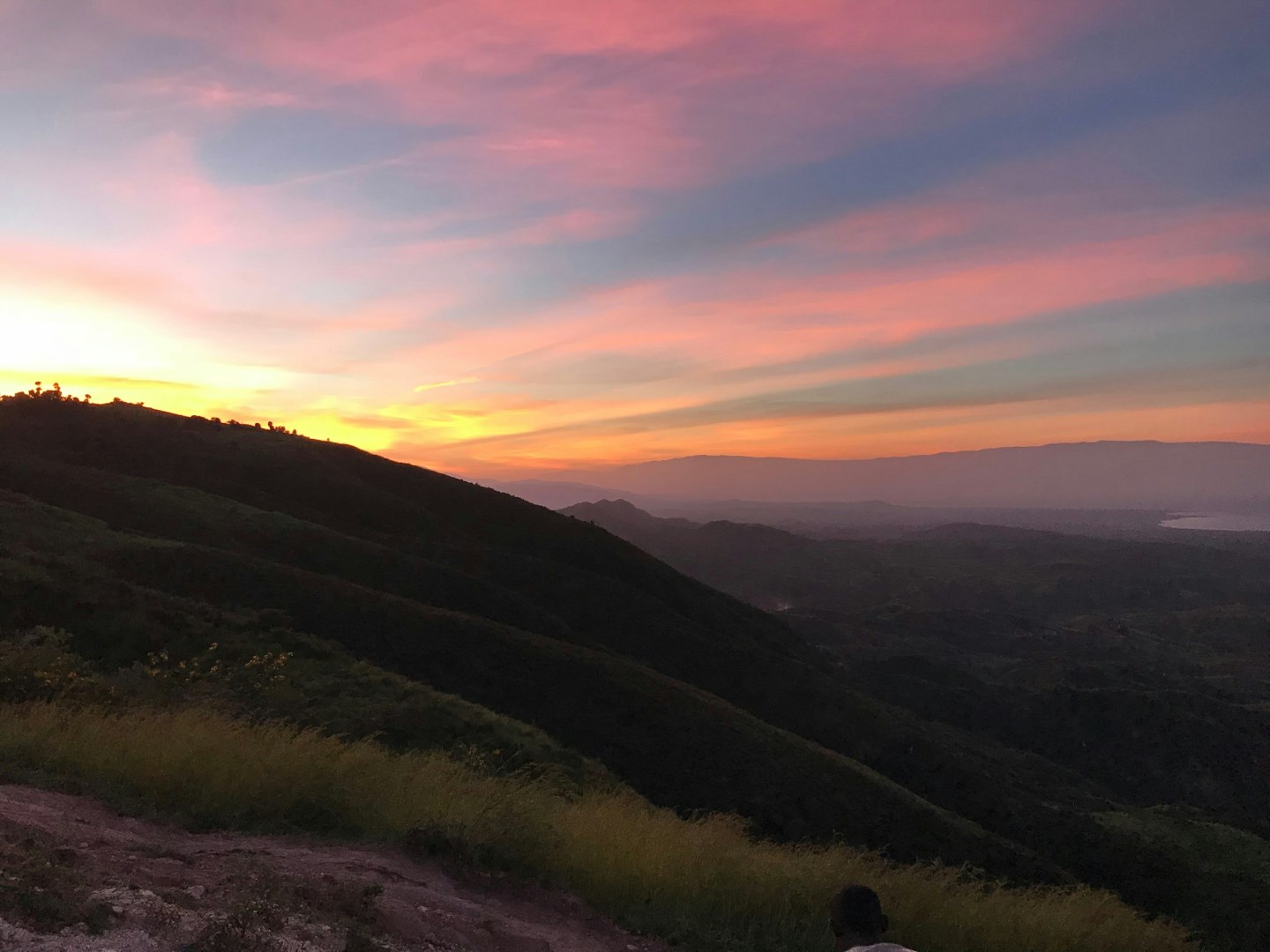
Port-au-Prince
Port-au-Prince in Southwest Haiti is the capital. The country's largest city, commercial center, and chief seaport, it is laid out like an amphitheater around a bay. Founded in 1749 by French sugar planters, it became the colonial capital in 1770, replacing Cap-Haïtien.

Dominica
Dominica, known as the “Nature Island of the Caribbean,” is a haven for eco-tourists and adventure seekers. Nestled between the French islands of Guadeloupe and Martinique, this lush island boasts a remarkable landscape of volcanic mountains, dense rainforests, and stunning waterfalls. Dominica’s most iconic natural wonder is the Boiling Lake, the second-largest hot spring in the world.

Lyttelton
Lyttelton is the largest settlement on Lyttelton Harbour, an inlet on the northwestern side of Banks Peninsula, and provides a frequent landing spot to those who are Christchurch bound.
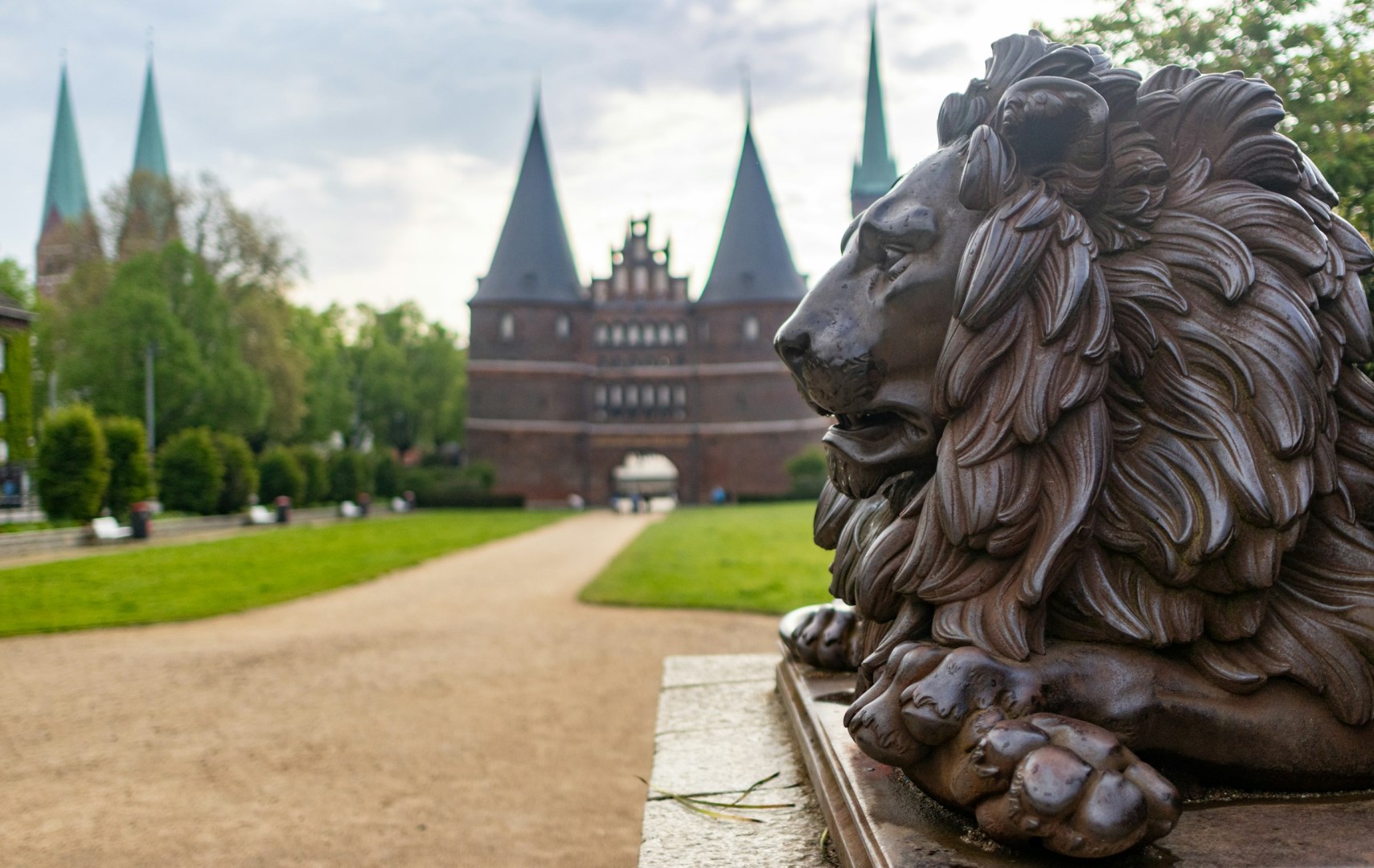
Lübeck
Behind this imposing entrance you'll find the former "Queen of the Hanseatic League", today a UNESCO cultural heritage site. In 1987 the entire Old Town was distinguished with this status: a work of art comprising over 1,000 buildings ranging from Romanesque to modern styles that have been designated as protected historic monuments. They include the City Hall, Gothic brick churches, the Buddenbrook House, magnificent merchants' houses, the medieval Holy Ghost Hospital, and looming brick gabled h
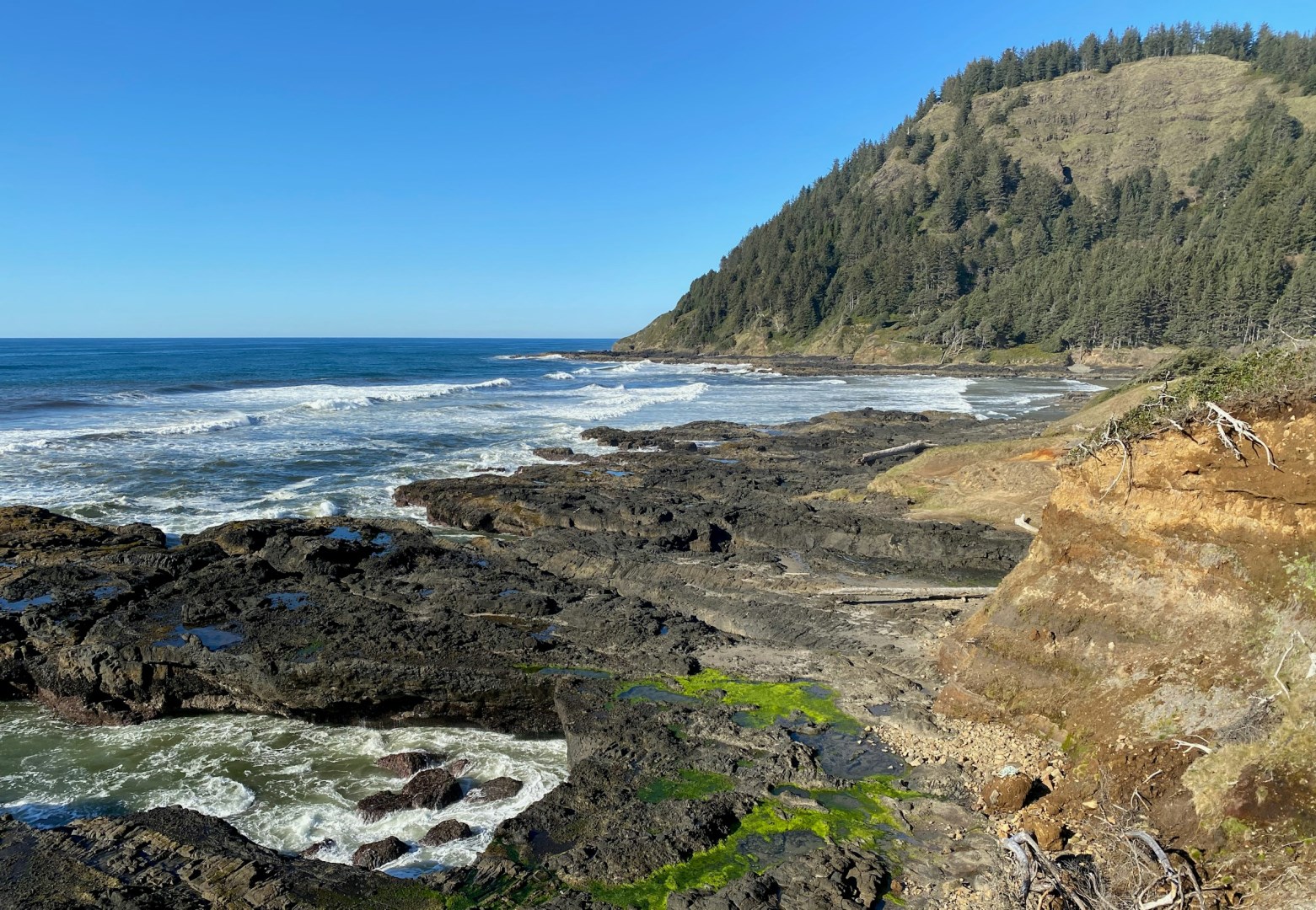
Cape Perpetua
Cape Perpetua is a rugged headland on the central Oregon Coast, rising above the Pacific Ocean south of Yachats. The area is part of the Siuslaw National Forest and combines dense coastal forest with steep cliffs, rocky beaches, tide pools, and open ocean views.
