

Aruba
Aruba's consistent sunny weather and gentle trade winds make it an ideal destination for beach lovers and water sports enthusiasts.
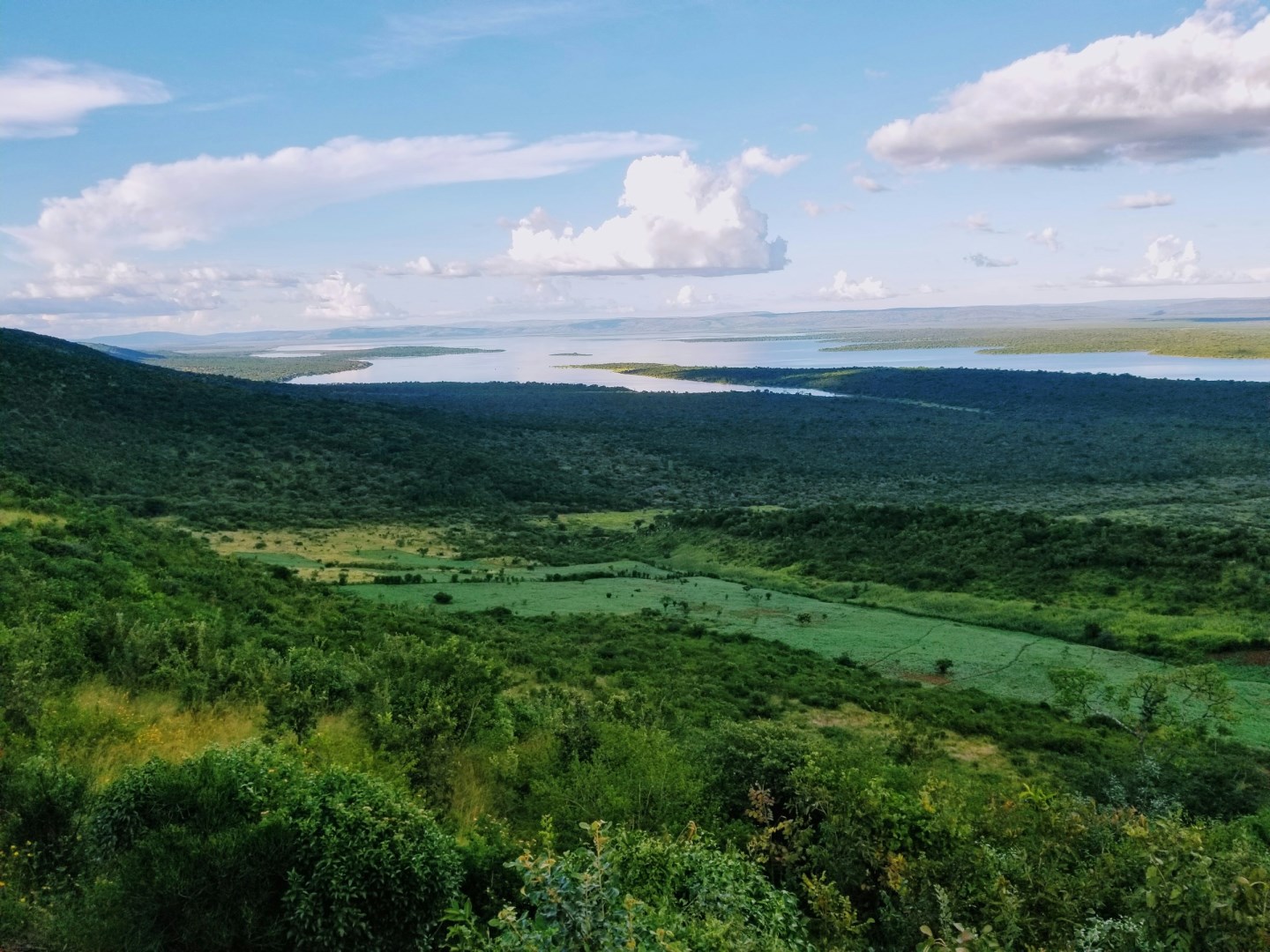
Akagera National Park
Akagera National Park occupies Rwanda’s northeastern corner along the border with Tanzania and is the country’s only protected savanna region. Its relatively low-lying landscape contains rolling hills, open grasslands, woodland, papyrus wetlands, and a chain of lakes connected by the Akagera River system.
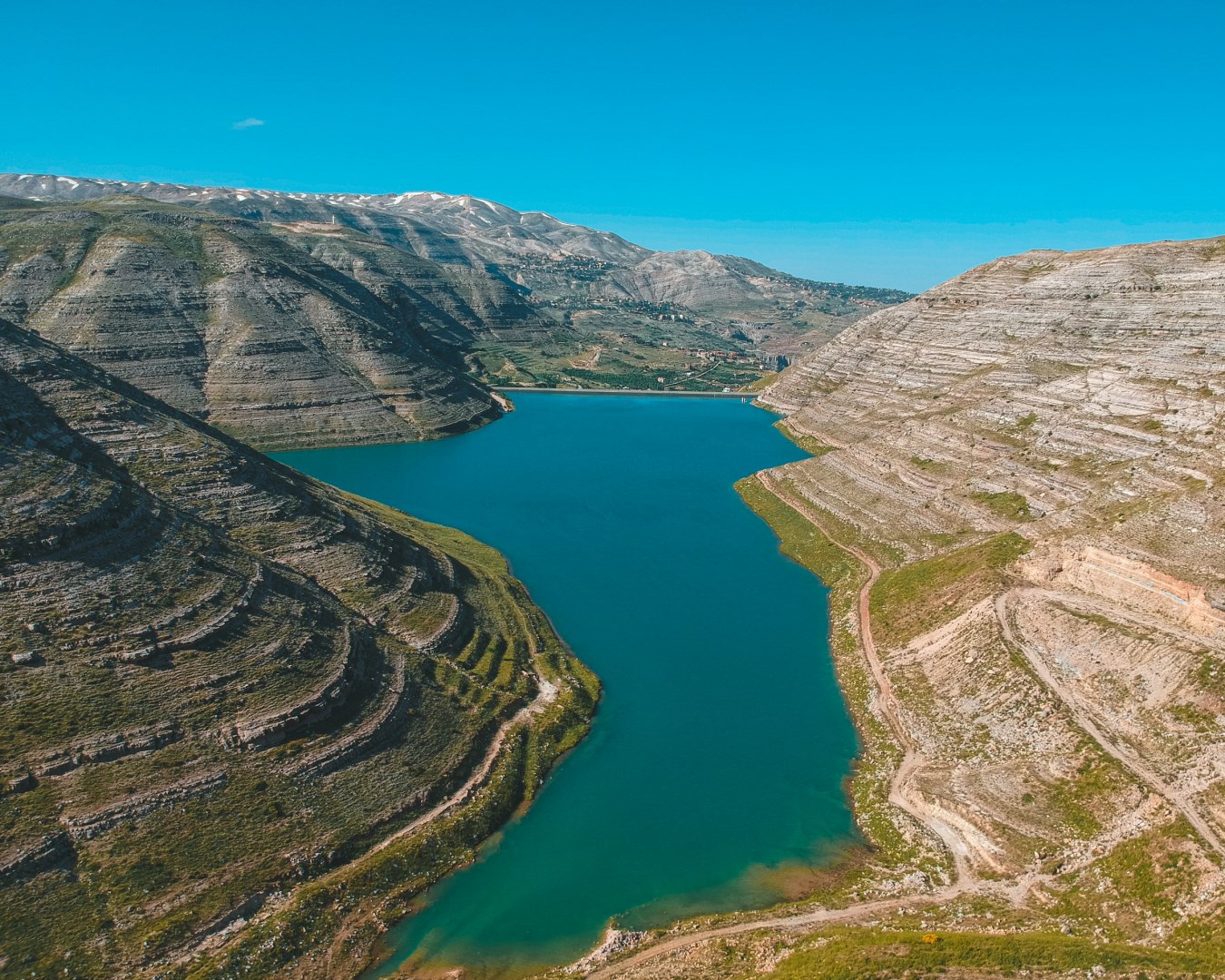
Lebanon
Lebanon unfolds like an open-air museum, with ancient stones that tell stories from centuries past. In Baalbek, the Temple of Bacchus stands among the most impressive Roman ruins outside Italy, its columns framed by Beqaa Valley light. In Byblos, one of the oldest cities in the world, ruins sit beside a bustling harbor and modern cafés, blending past and present in a single stroll.
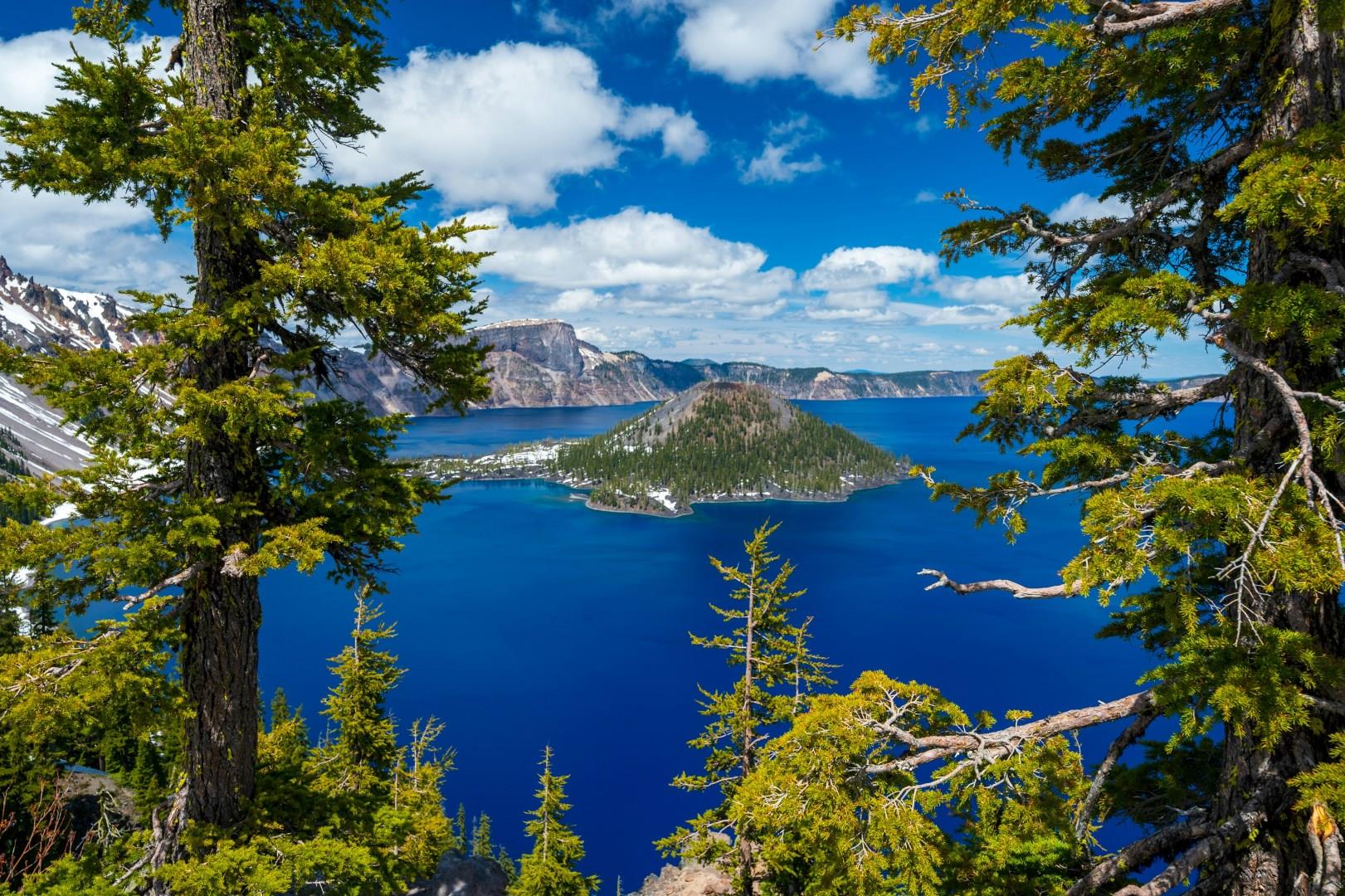
Crater Lake National Park
Crater Lake National Park, Oregon, offers a breathtaking display of natural beauty centered around the deepest lake in the United States. Formed by the collapse of a volcanic caldera, Crater Lake is renowned for its stunningly clear blue waters, which are the result of rain and snowfall filling the caldera. The lake's unique color and clarity are due to its depth and the purity of its water, making it a visual marvel that attracts visitors year-round.
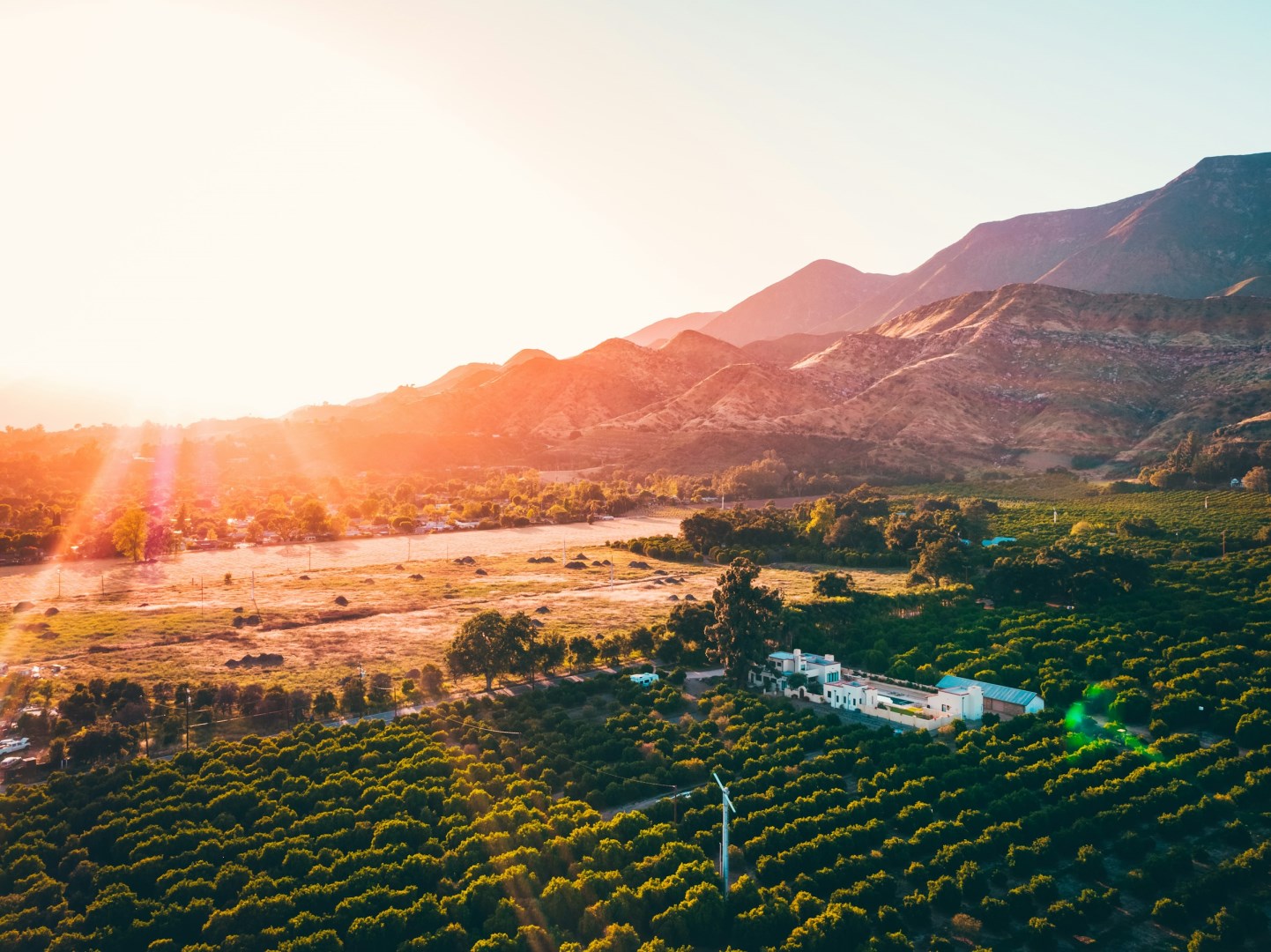
Ojai
Ojai (pronounced "Oh hi") is an Indian name generally accepted as meaning "the nest," although experts also interpret it as "moon." The valley was home to the Chumash who ascribed the east-west lying valley with mystical powers and found sanctuary in its canyons and mountains.
