
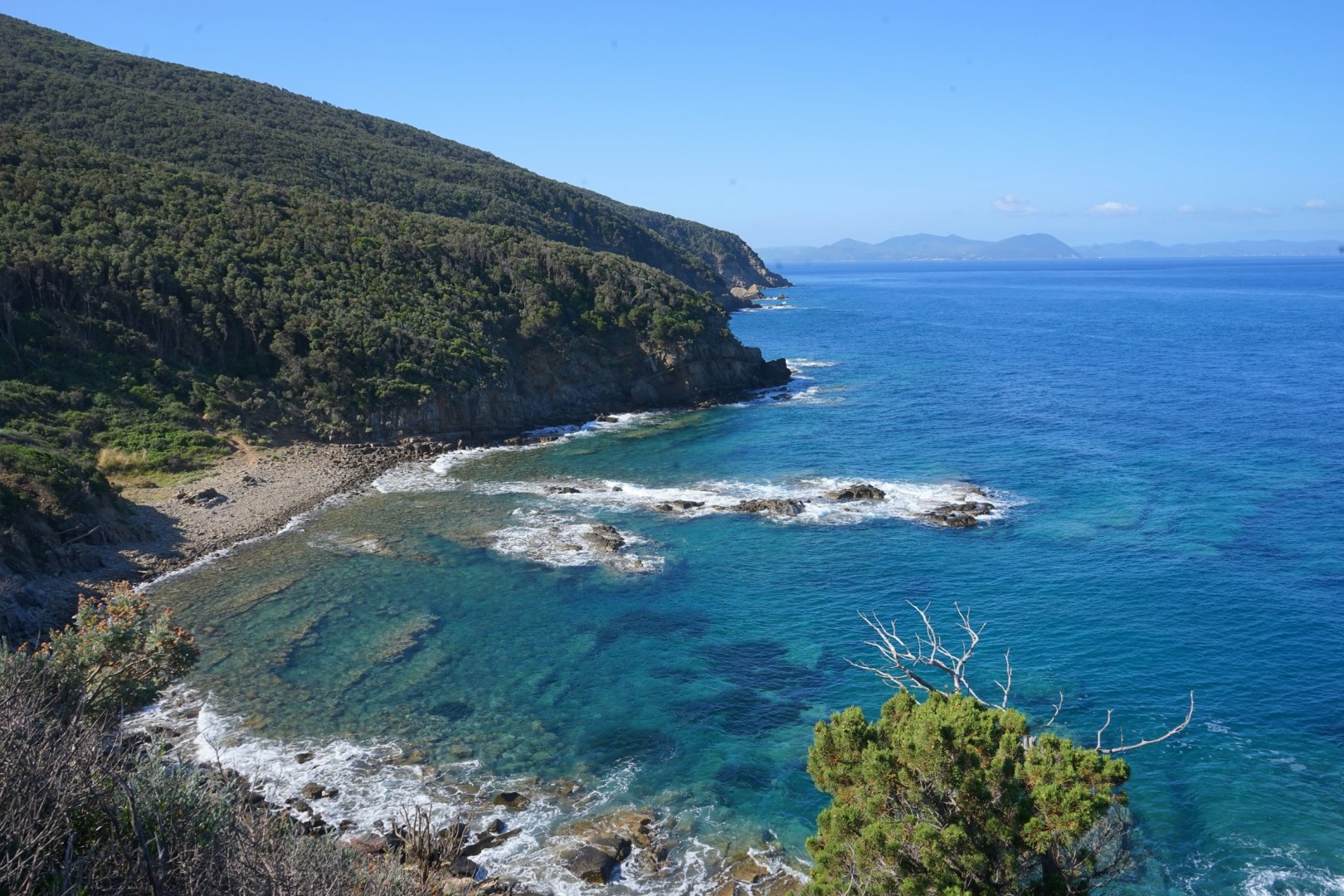
Piombino
Piombino is a coastal city on a promontory in southern Tuscany, overlooking the Tyrrhenian Sea and the islands of the Tuscan Archipelago. Its position on the Etruscan Coast has shaped both its history and its modern identity, with a working port, maritime traditions, and access to beaches and protected coastal areas. The historic center occupies the older part of the promontory, where medieval and Renaissance buildings stand within sections of the former defensive walls.

Hella
Hella is a small town in southern Iceland on the south bank of the Ytri-Rangá River, positioned along the main road between Selfoss and Hvolsvöllur. Its location on the fertile Rangárvellir plain gives the town a strong agricultural character, with farms and open fields extending toward the surrounding mountains. Hella is also a practical base for exploring southern Iceland, with the Þjórsárdalur valley,
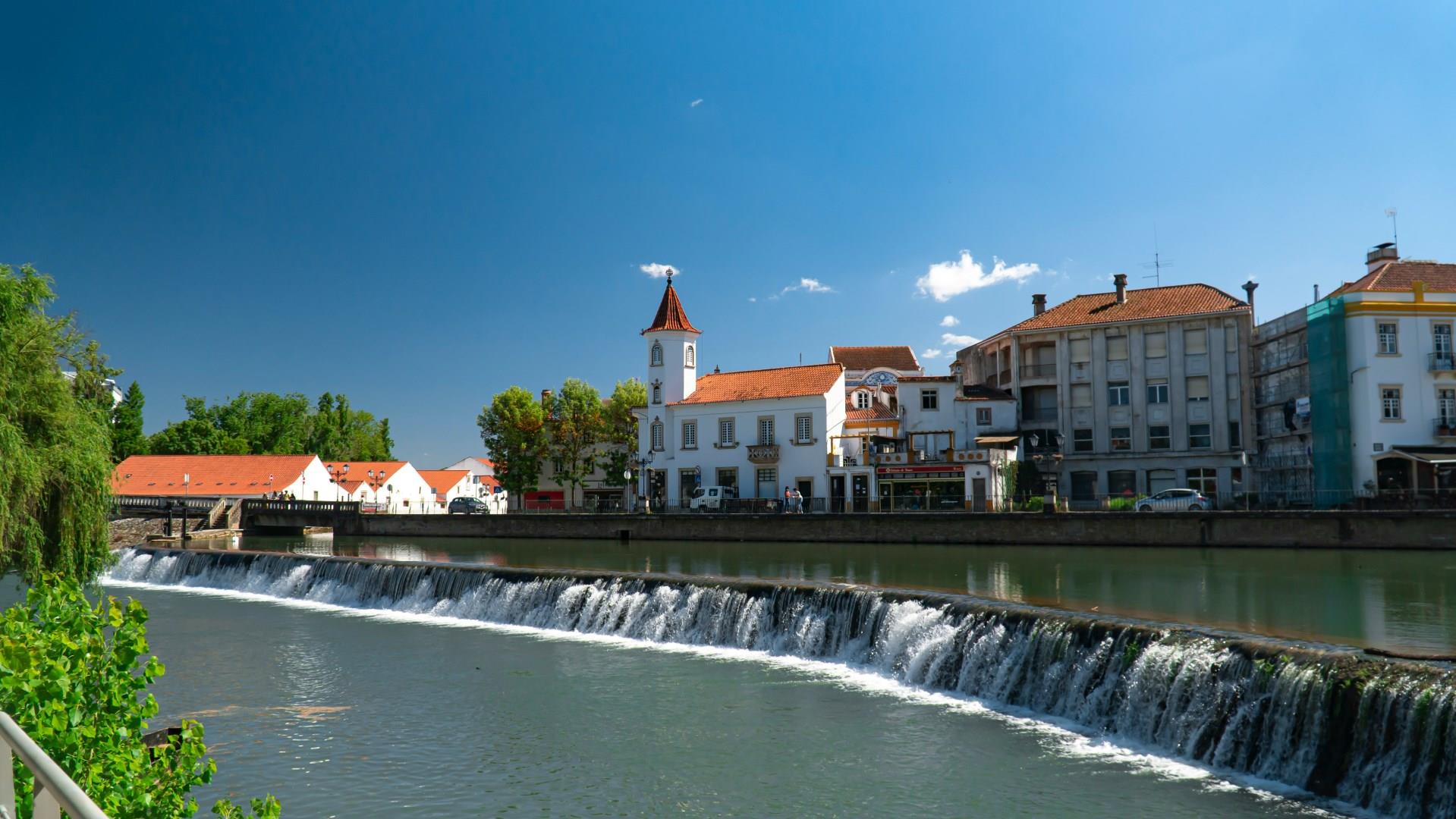
Tomar
Tomar sits on the Nabão River in central Portugal as a place where medieval history and everyday life meet in welcoming streets and grand monuments. Just outside the convent walls lies the Pegões Aqueduct, an impressive feat of engineering more than 6 kilometers long that once carried water from distant springs to the hilltop site. Some sections of its arches rise more than 30 meters above the valley floor, making it a striking backdrop for photos.

Czechia
The Czech Republic is a country where centuries-old castles, storybook towns, and deeply rooted traditions coexist with vibrant art scenes and local beer halls. Prague draws the most attention, with its Gothic towers, Baroque churches, and the world’s oldest working astronomical clock, still ticking in the Old Town Square.
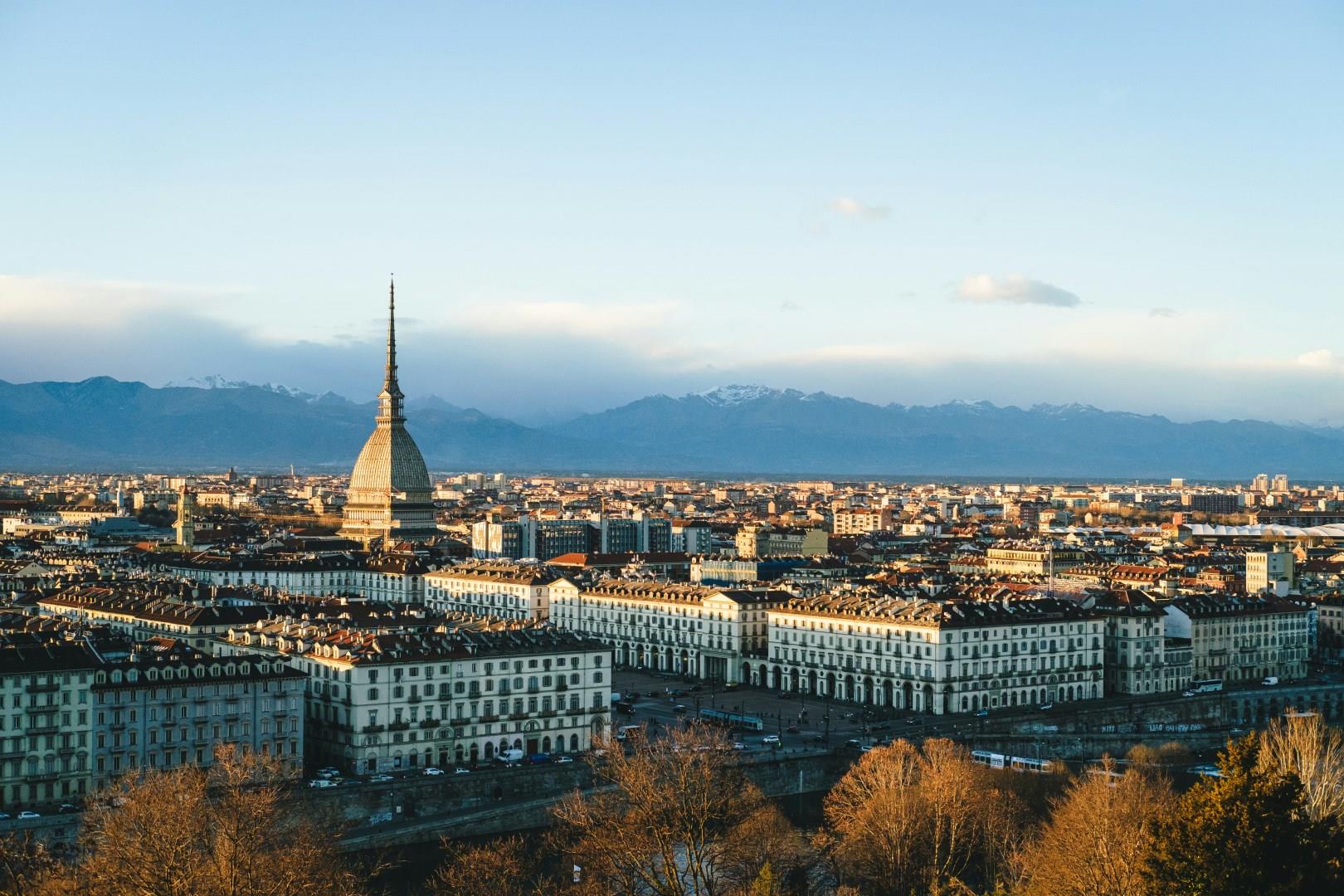
Turín
Turin carries a regal atmosphere reflected in its palaces, wide boulevards, and arcaded streets. Its history as a political and cultural powerhouse is still evident today, while its role as the birthplace of Fiat underscores its influence on modern industry.
