
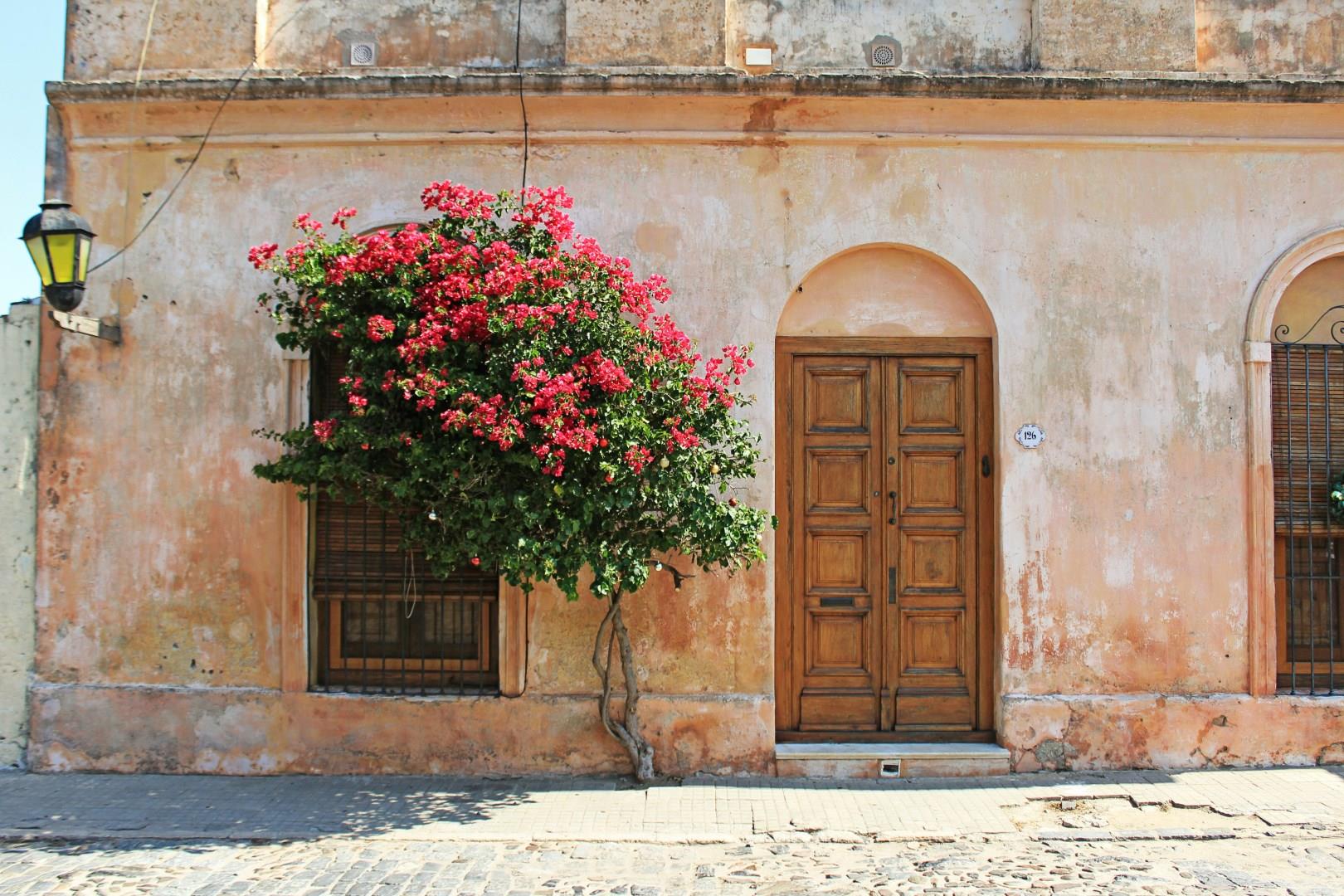
Colonia del Sacramento
Colonia del Sacramento is where time lingers. Founded in 1680 by the Portuguese and later contested by the Spanish, the town’s past is etched into its cobblestone streets and weathered facades. The Barrio Histórico, a UNESCO World Heritage Site, is compact enough to walk in an afternoon yet layered with centuries of stories. Visitors can explore remnants of the original city walls and climb the iconic lighthouse for sweeping views of the Río de la Plata.

Darwin
Tropical beaches, green space, wildlife, and dazzling sunsets all draw tourists to Darwin. Visitors should also discover the city's art museums, Mindil Beach's night markets and the local seafood. And did you know that this area of Australia has more crocodiles than anywhere on the planet?
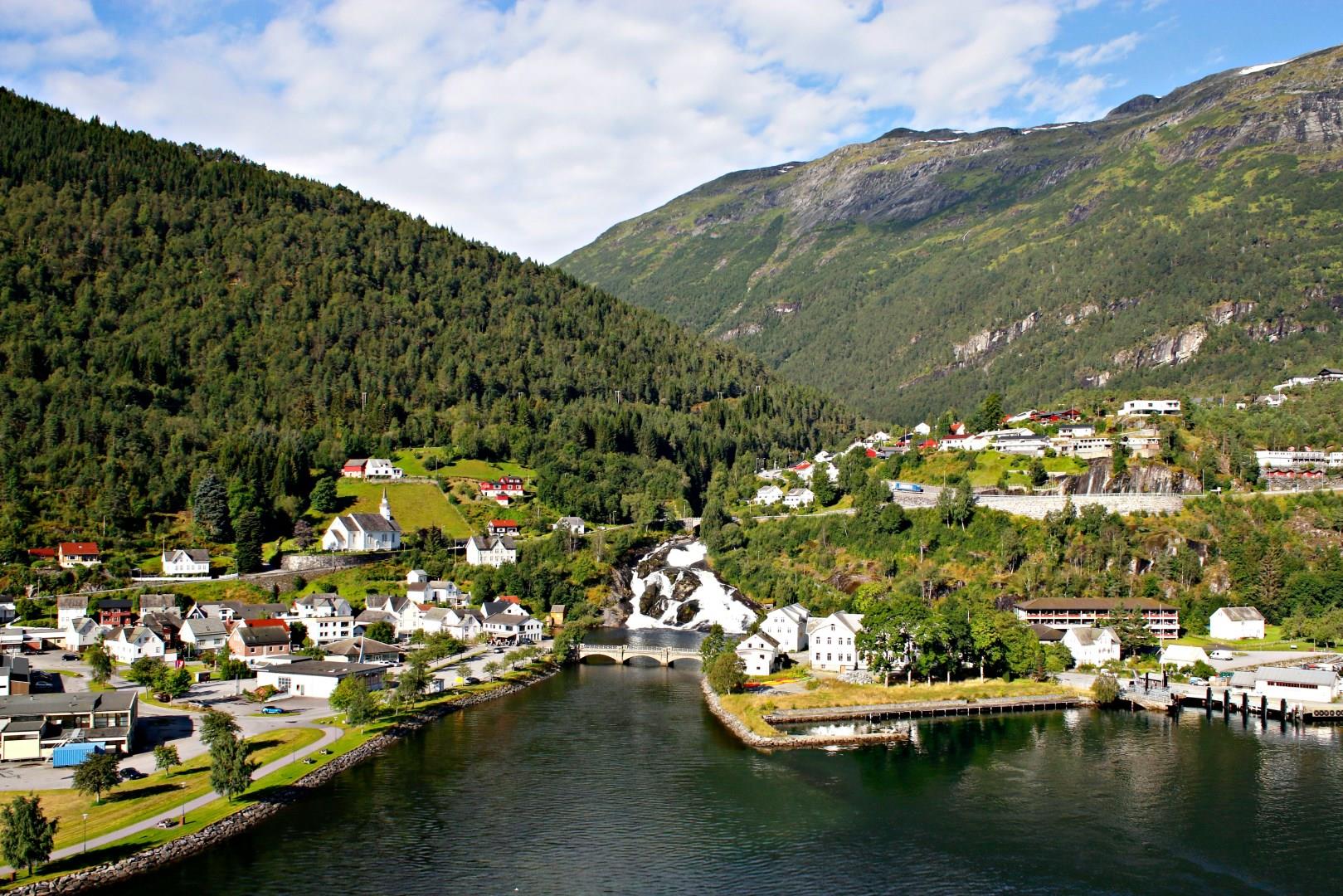
Hellsylt
Hellesylt, a small village on Norway’s western coast, sits at the entrance to the famous Geirangerfjord and offers scenery that feels almost otherworldly. Steep mountains rise sharply on all sides, their slopes cut by ribbons of waterfalls that plunge into deep blue water. One of the most striking sights is the Hellesylt Waterfall, which thunders past the heart of the village and can be admired from several pedestrian bridges.

Patmos
Patmos, a gem in the Aegean Sea, is steeped in history and spirituality, offering a serene escape for travelers seeking both tranquility and rich cultural experiences. Known as the "Island of the Apocalypse," Patmos is famously where Saint John the Theologian wrote the Book of Revelation. Visitors can explore the sacred Cave of the Apocalypse, a UNESCO World Heritage Site, where the saint is said to have received his visions.

Punta Cana
Punta Cana, on the eastern tip of the Dominican Republic, is known for its wide sweep of white-sand beaches and warm Caribbean waters. Once a quiet stretch of coastline lined with coconut palms, it has grown into one of the Caribbean’s most popular destinations while still offering plenty of spots that feel calm and remote.
