
Gainesville
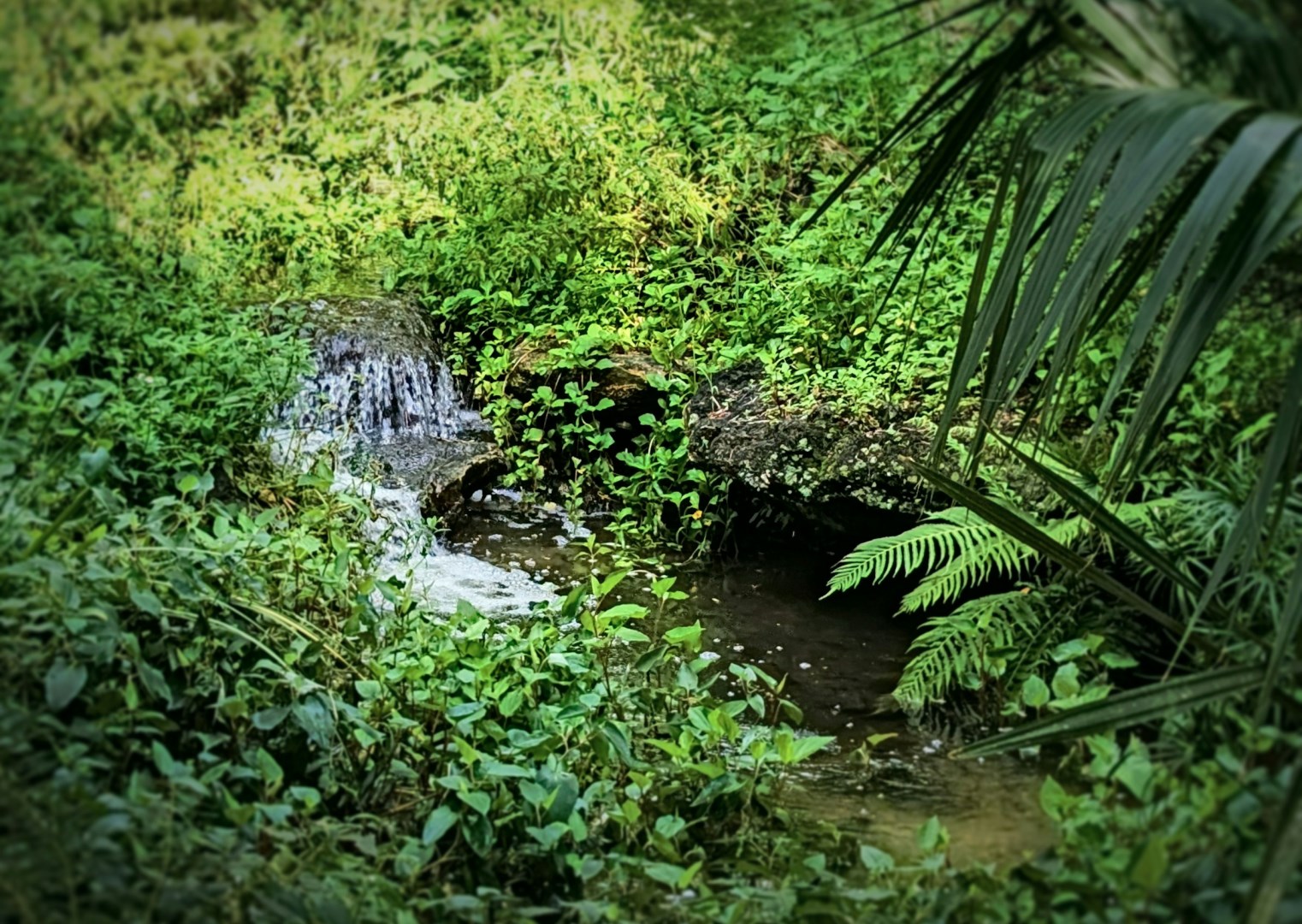
Gainesville is a north-central Florida city known for its university community, natural areas, and strong connection to education and research. The city is home to the University of Florida, whose campus is a major part of local life and culture. Gainesville is surrounded by rolling terrain, freshwater springs, forests, and wetlands, giving it a landscape that differs from Florida’s coastal cities.
Cephalonia
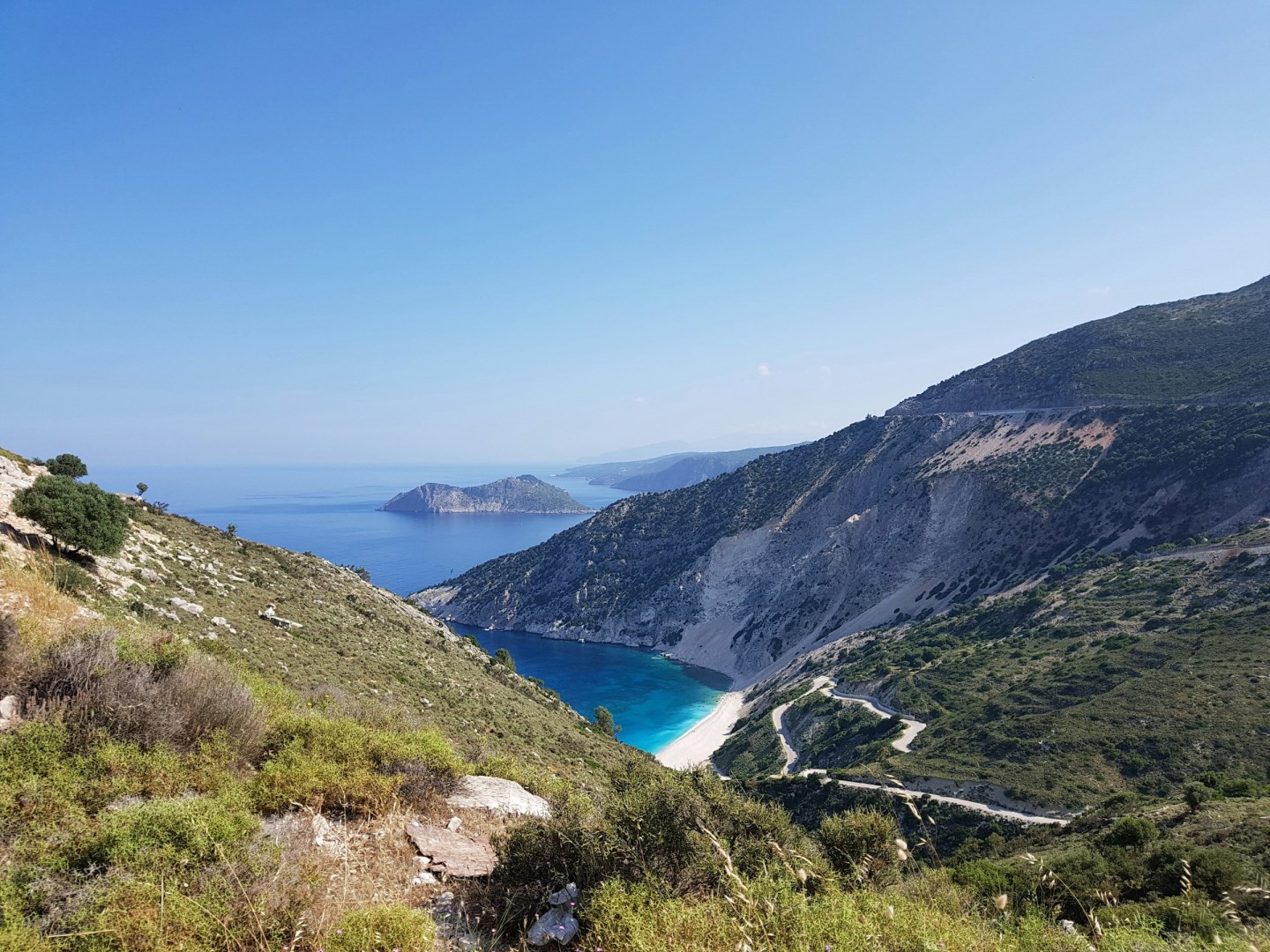
Greece’s island of Cephalonia, nestled in the Ionian Sea, invites travelers with a relaxed pace and a landscape shaped by myth, history, and nature. Larger than its neighboring islands but far less crowded, Cephalonia offers visitors a glimpse into traditional Greek life amid dramatic cliffs, lush pine forests, and charming harborside villages.
Punakaiki
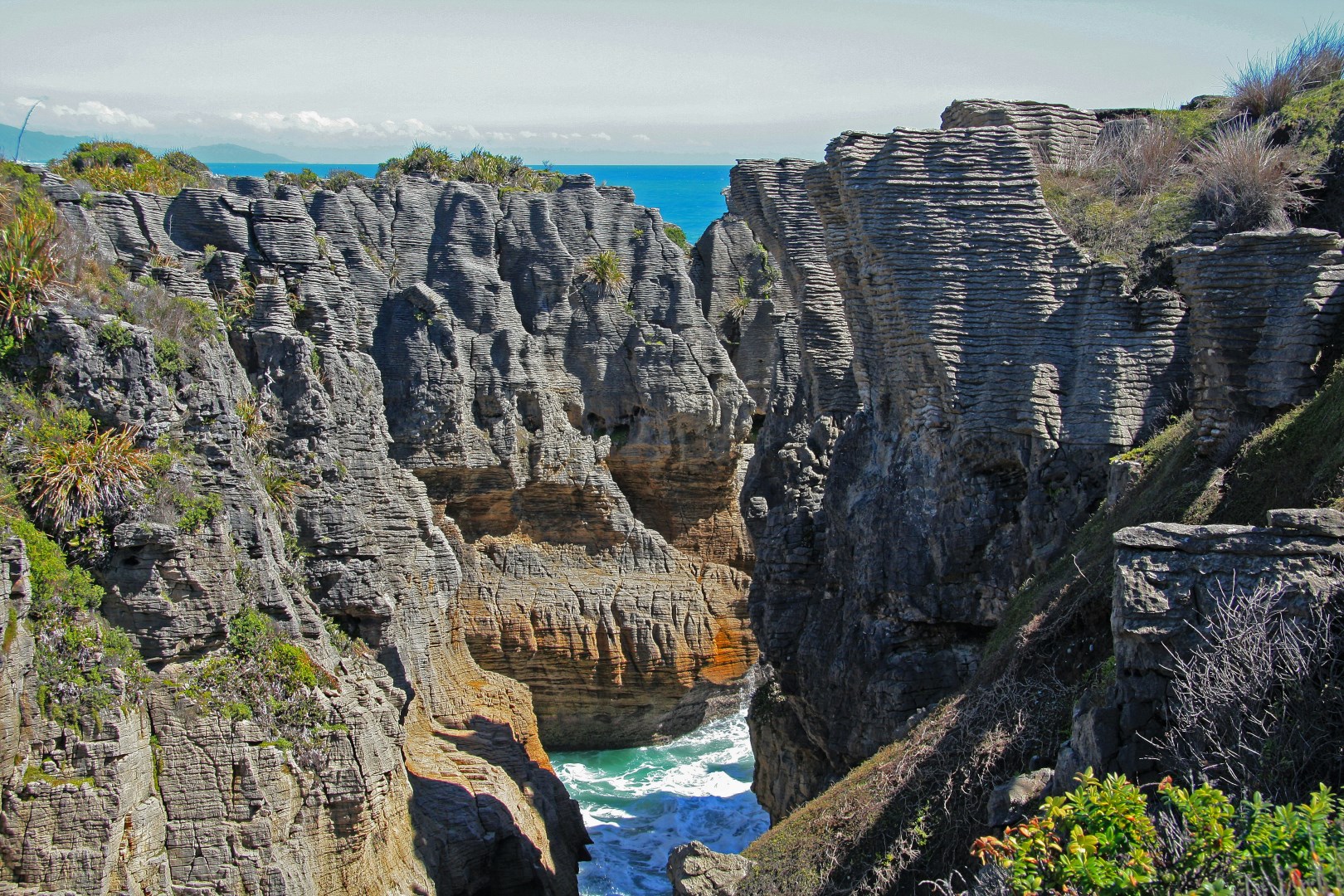
Punakaiki is a small coastal settlement on New Zealand’s South Island, located along the rugged West Coast within Paparoa National Park. It is widely recognized for its distinctive limestone formations and its position between dense rainforest and the Tasman Sea.
Jim Corbett National Park
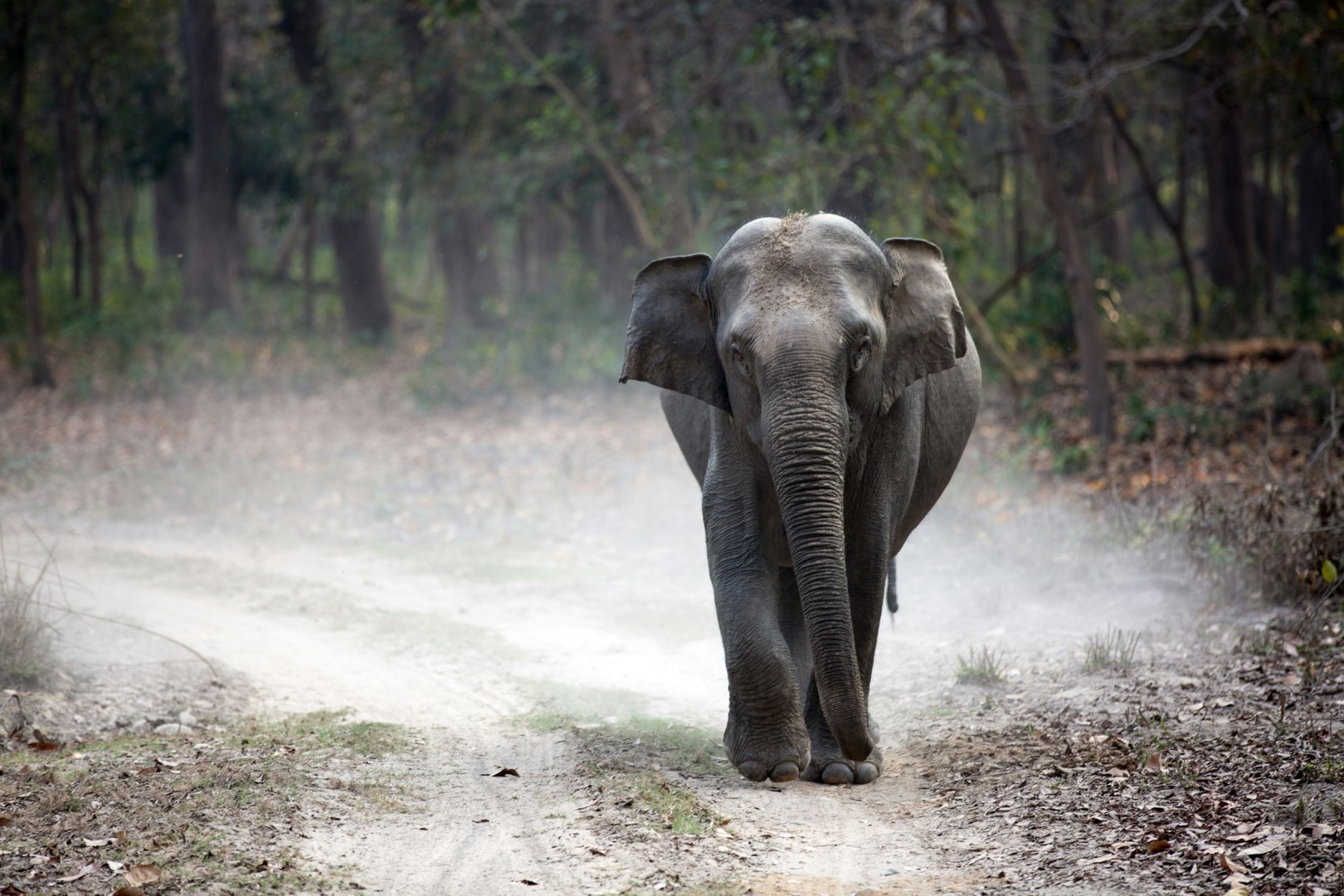
Jim Corbett National Park lies in the Himalayan foothills of Uttarakhand and forms the core of the wider Corbett Tiger Reserve. It is recognized as India’s first national park and is closely associated with the conservation of the Bengal tiger. The landscape combines sal forests, riverine grasslands, wooded hills, and wetlands, creating habitats for a wide range of wildlife. The reserve covers more than 1,280 square kilometres, while the national park itself occupies a smaller core area. Ramnaga
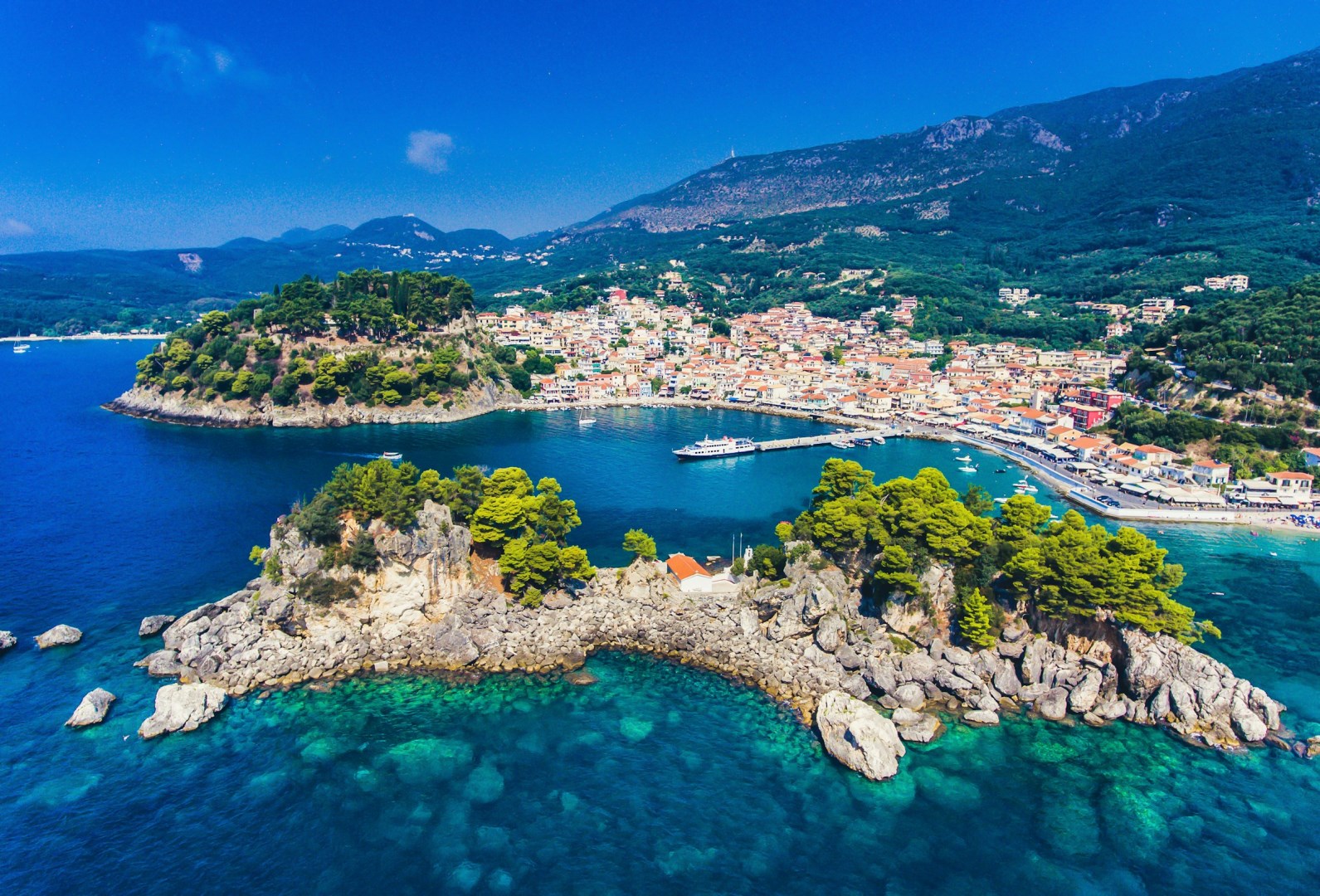
Parga
Parga is a coastal town in Epirus, northwestern Greece, built in an amphitheater around a sheltered bay on the Ionian Sea. Colorful houses rise along the hillside toward the Venetian castle, while the small islet of Panagia sits just offshore with a chapel and the remains of a French fort. The old town is characterized by narrow cobbled lanes, stone arches, and traditional houses, while the waterfront is lined with cafés, tavernas, and small boats.
