

Nuevo Vallarta
Nuevo Vallarta, located along the Bahía de Banderas in the state of Nayarit, is a coastal destination known for its wide, sandy beaches and marina-lined canals. Originally developed as a tourism project in the late 20th century, it has grown into a well-organized resort area with luxury hotels, golf courses, and waterfront condos. Unlike older beach towns with colonial roots, Nuevo Vallarta was designed from the start to offer modern comfort while being surrounded by natural landscapes.

Las Vegas
Las Vegas, Nevada, is an electrifying city where glitz and glamour meet entertainment and excitement. Known as "The Entertainment Capital of the World," Las Vegas offers an unparalleled array of attractions, from its iconic casinos and luxurious hotels to its world-class dining and live shows. The city's entertainment scene is second to none, featuring legendary headliners, cutting-edge performances, and an array of themed attractions.
Lake Toba Sumatra
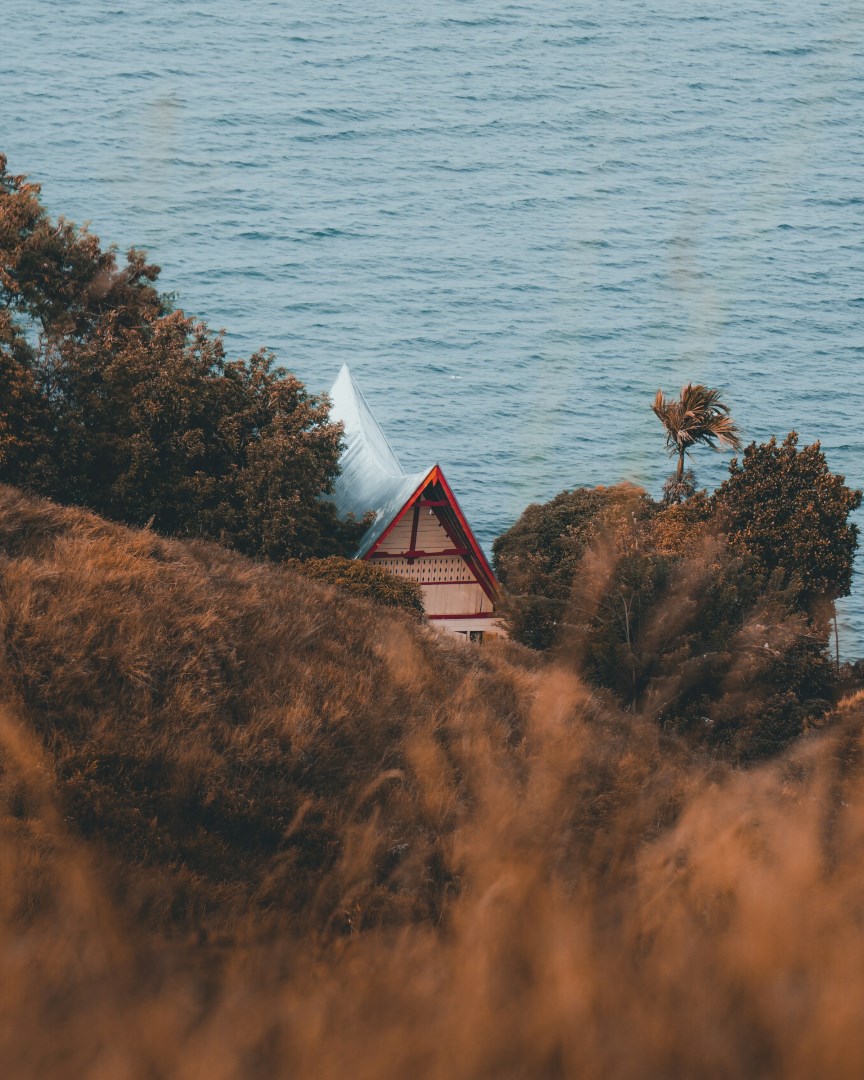
Lake Toba is another of the island's spectacular sights - a remarkable volcanic crater set in the middle of northern Sumatra, 176km from Medan. The lake is huge (the largest in South-East Asia), occupying the caldera of a giant volcano that collapsed on itself after a massive eruption some 100,000 years ago.
Saguaro National Park
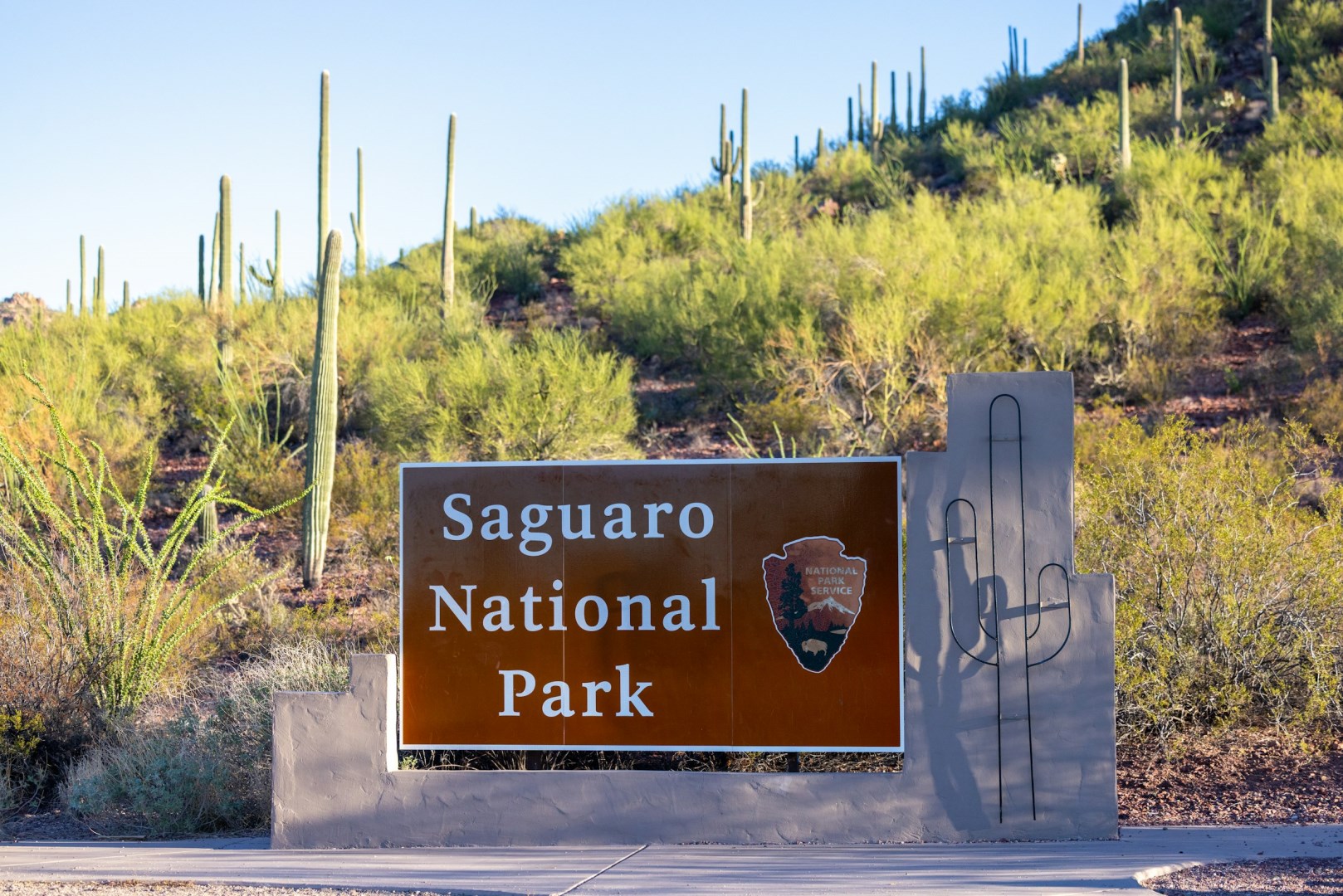
Just outside of Tucson lies Saguaro National Park, which is home to hundreds of saguaro cacti, the iconic symbol of the old West. There are endless scenic hikes and wildlife habitats, and the Arizona-Sonora Desert Museum isn't to be missed. The star of the park, of course, are the cacti themselves, and there are few more beautiful sights than seeing them silhouetted against the beauty of a magnificent desert sunset.

Funchal
Nestled on the sun-drenched southern coast of Madeira, Funchal, the island's capital, offers an enchanting mix of old-world charm, vibrant culture, and natural beauty. This picturesque city, set against a backdrop of rugged mountains and the deep blue Atlantic Ocean, is known for its lush botanical gardens, stunning vistas, and year-round mild climate.
