
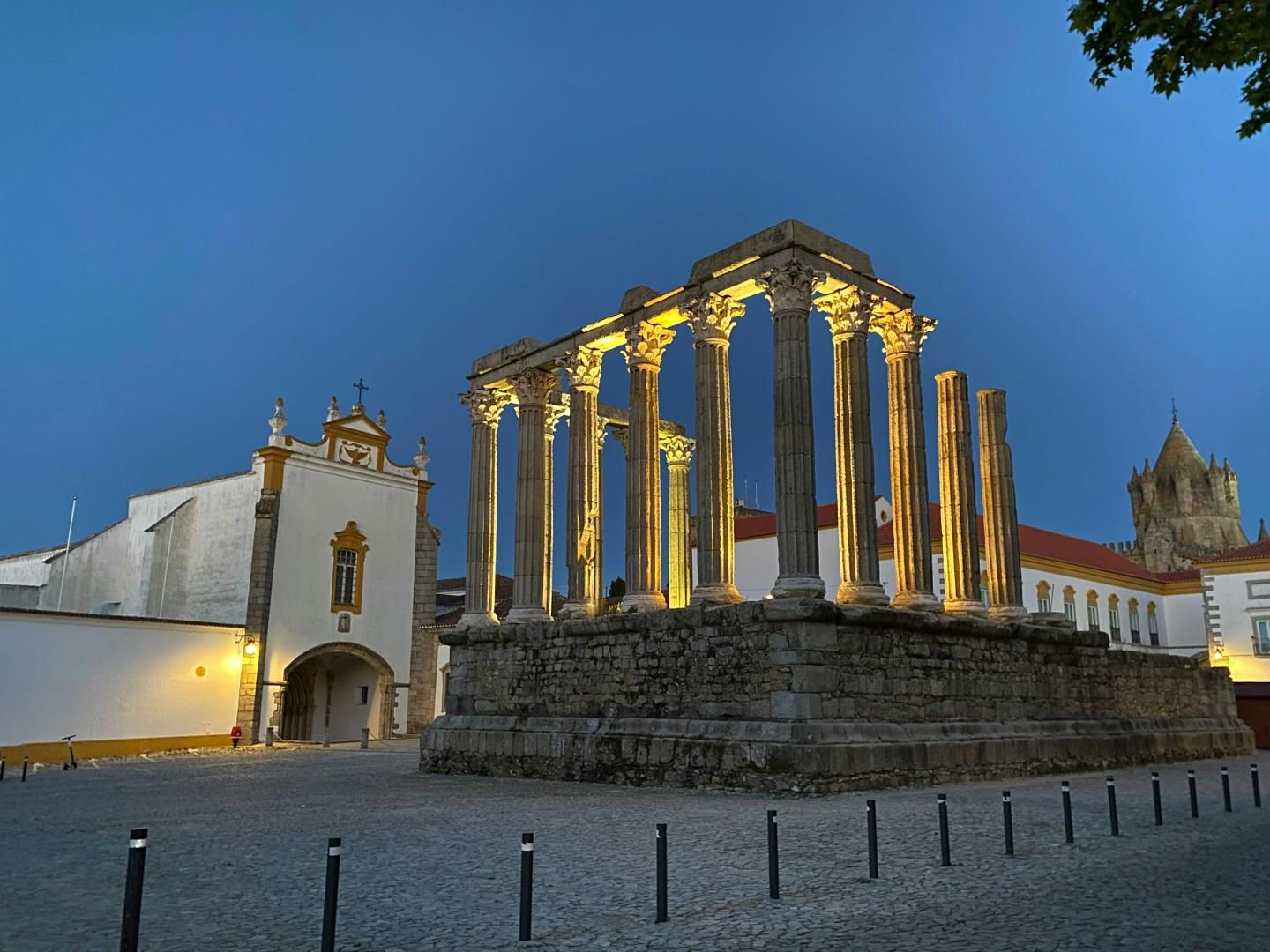
Evora
Évora, in Portugal’s Alentejo region, feels like stepping into a story that spans more than two thousand years. Its Historic Centre was named a UNESCO World Heritage Site for good reason with its ancient walls, homes with wrought-iron balconies, and narrow streets quietly preserve traces of Roman, Moorish, and medieval life. Beyond architecture and monuments, Évora reveals lesser-known treasures that reward exploration.
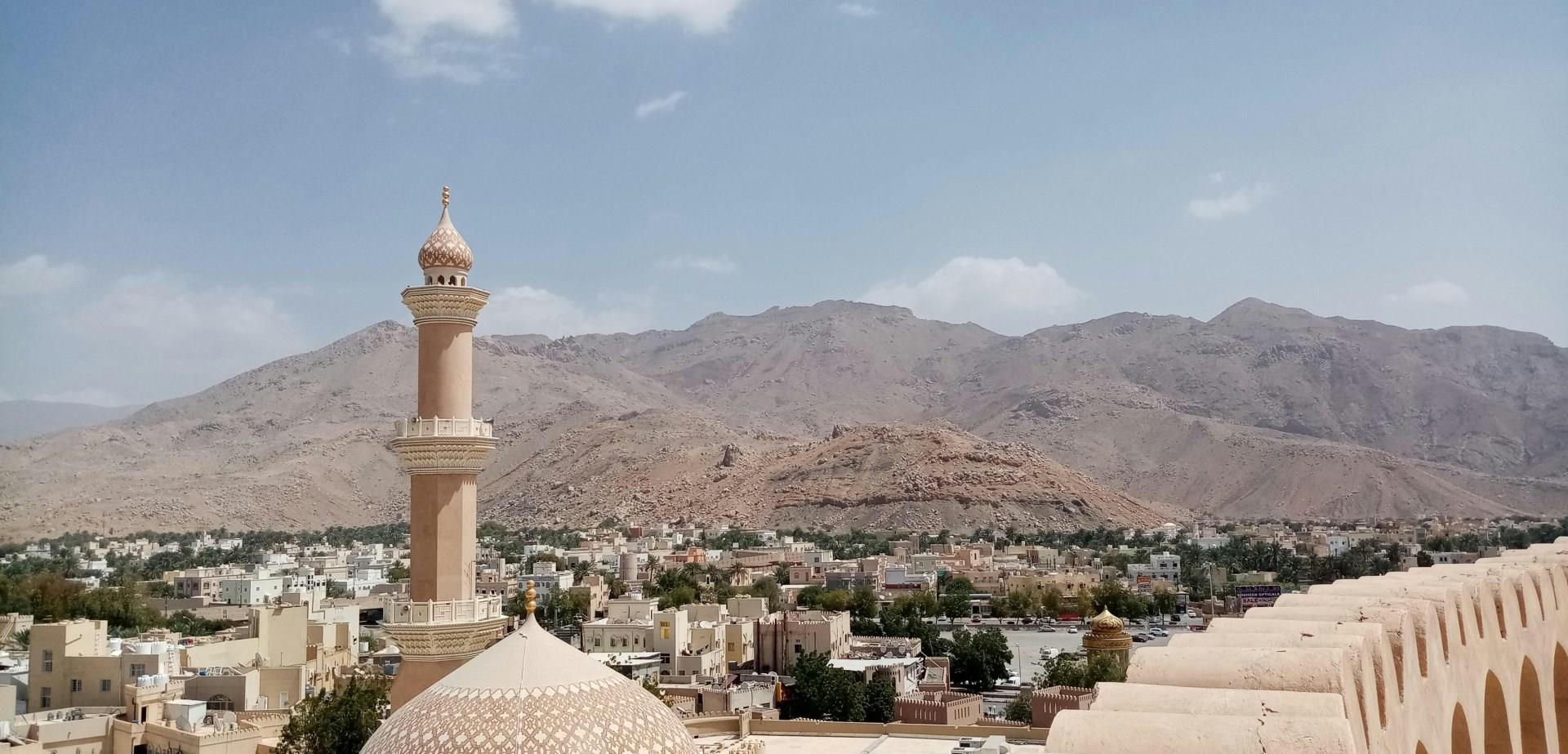
Nizwa
In the heart of Oman lies Nizwa, a city once considered the country’s capital and a hub of learning and trade. Its iconic round fort, built in the 17th century, remains one of Oman’s most visited landmarks.
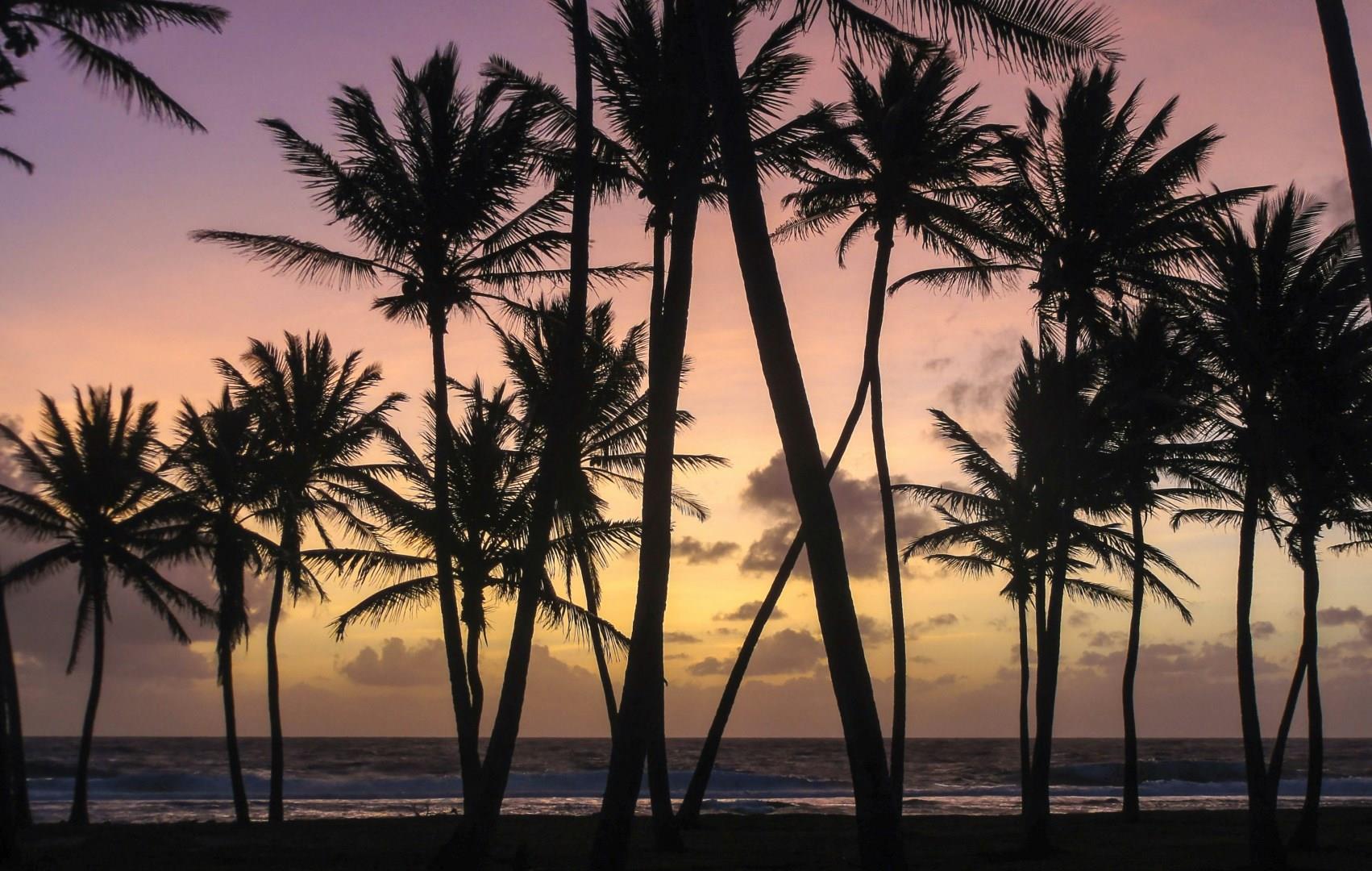
Marshall Islands
The Marshall Islands, a remote chain of atolls and islands in the central Pacific, invites travelers into a world where tradition, ocean life, and recent history all leave a lasting impression. Spread across nearly a million square miles of ocean, this independent nation offers rare access to some of the world’s most pristine marine environments.

St. Ives
St. Ives, a picturesque seaside town on the north coast of Cornwall, England, is a charming blend of stunning natural beauty and rich cultural heritage. With its golden sandy beaches, crystal-clear waters, and quaint cobbled streets, St. Ives has long been a haven for artists, surfers, and sun-seekers alike. The town's vibrant atmosphere is palpable in its bustling harbor, where fishing boats sway with the tide and seaside cafés offer fresh, locally caught seafood.
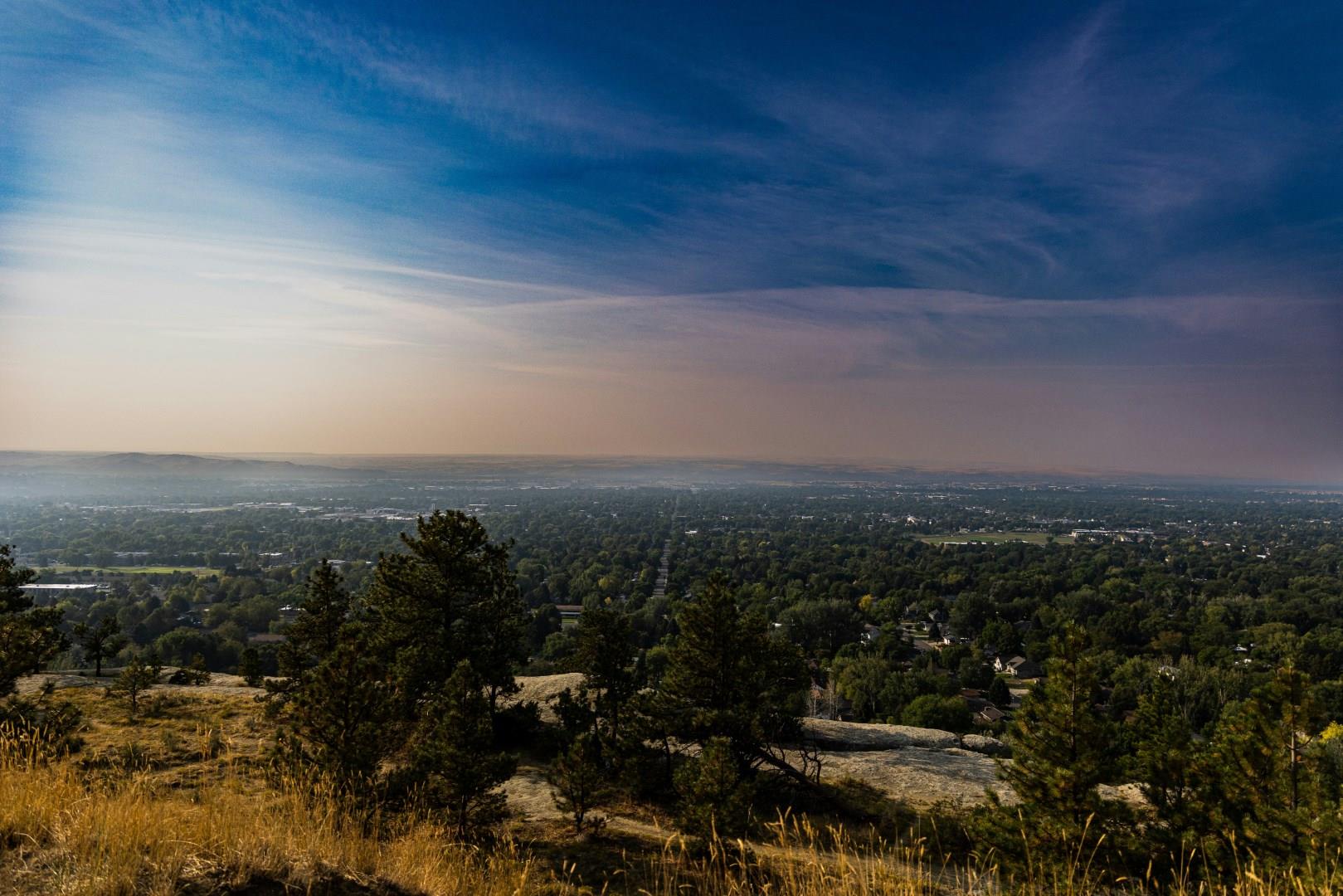
Billings
Billings, Montana sits on the edge of the vast plains and at the base of ancient sandstone cliffs known as the Rimrocks. These formations frame the city and provide miles of scenic overlooks, hiking trails, and even fossil beds. From Swords Park, visitors can walk or bike along the paved trail that follows the rim’s edge, offering sweeping views of downtown, the Yellowstone River, and distant snowcapped peaks.
