

Leon
León, in northwest Spain, is a city where Roman, medieval, and modern layers coexist. Its historical heart features the León Cathedral with its remarkable stained glass, the Basilica of San Isidoro, and winding streets that hint at centuries of trade and culture.
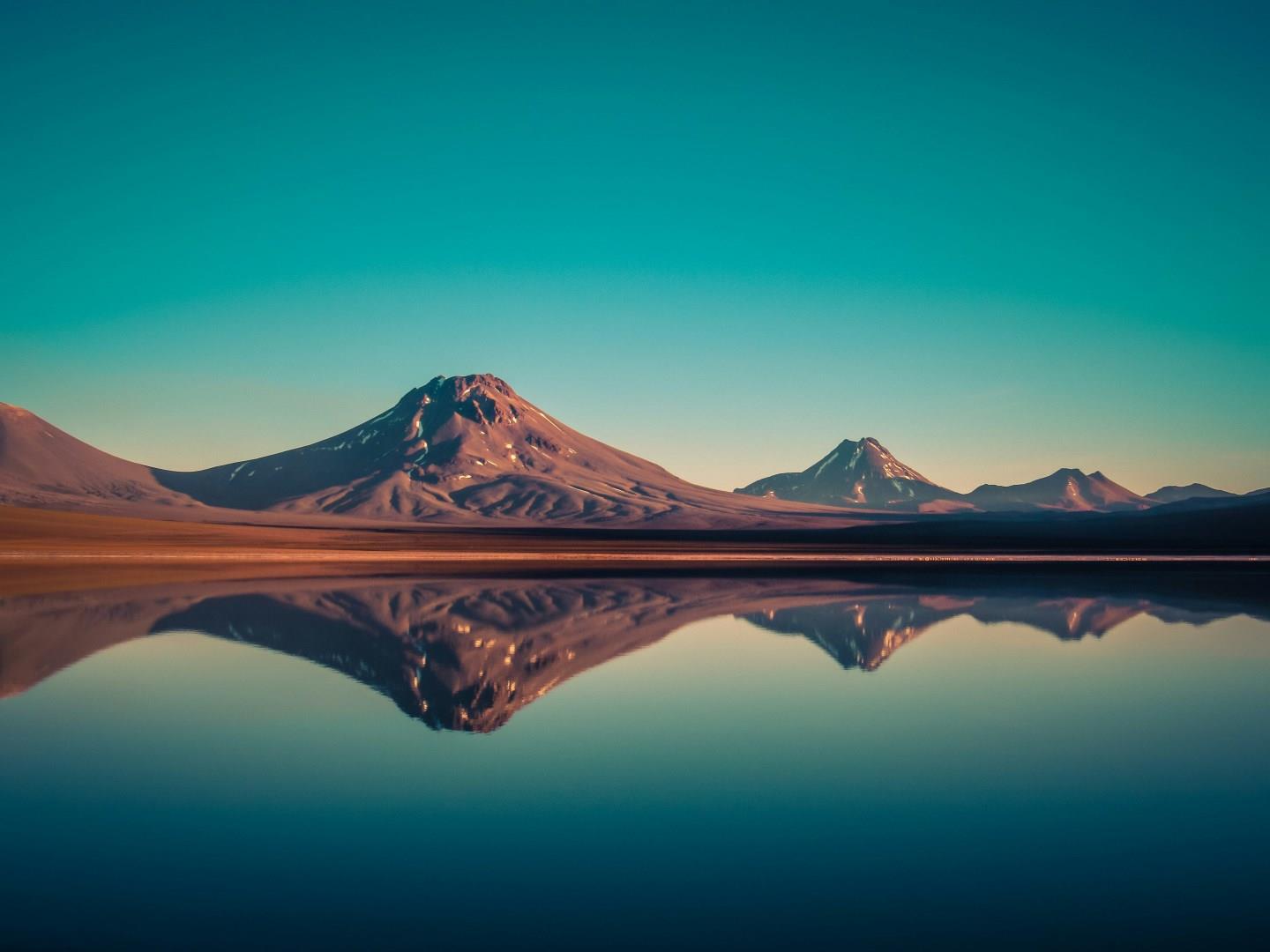
San Pedro De Atacama
San Pedro de Atacama, a small town in northern Chile, sits at over 2,400 meters above sea level in one of the most geologically diverse areas on Earth. Surrounded by volcanoes, salt flats, geysers, and ancient lava flows, it has long served as a gateway to the Atacama Desert. This desert is the driest non-polar place in the world, where some weather stations have never recorded rainfall.
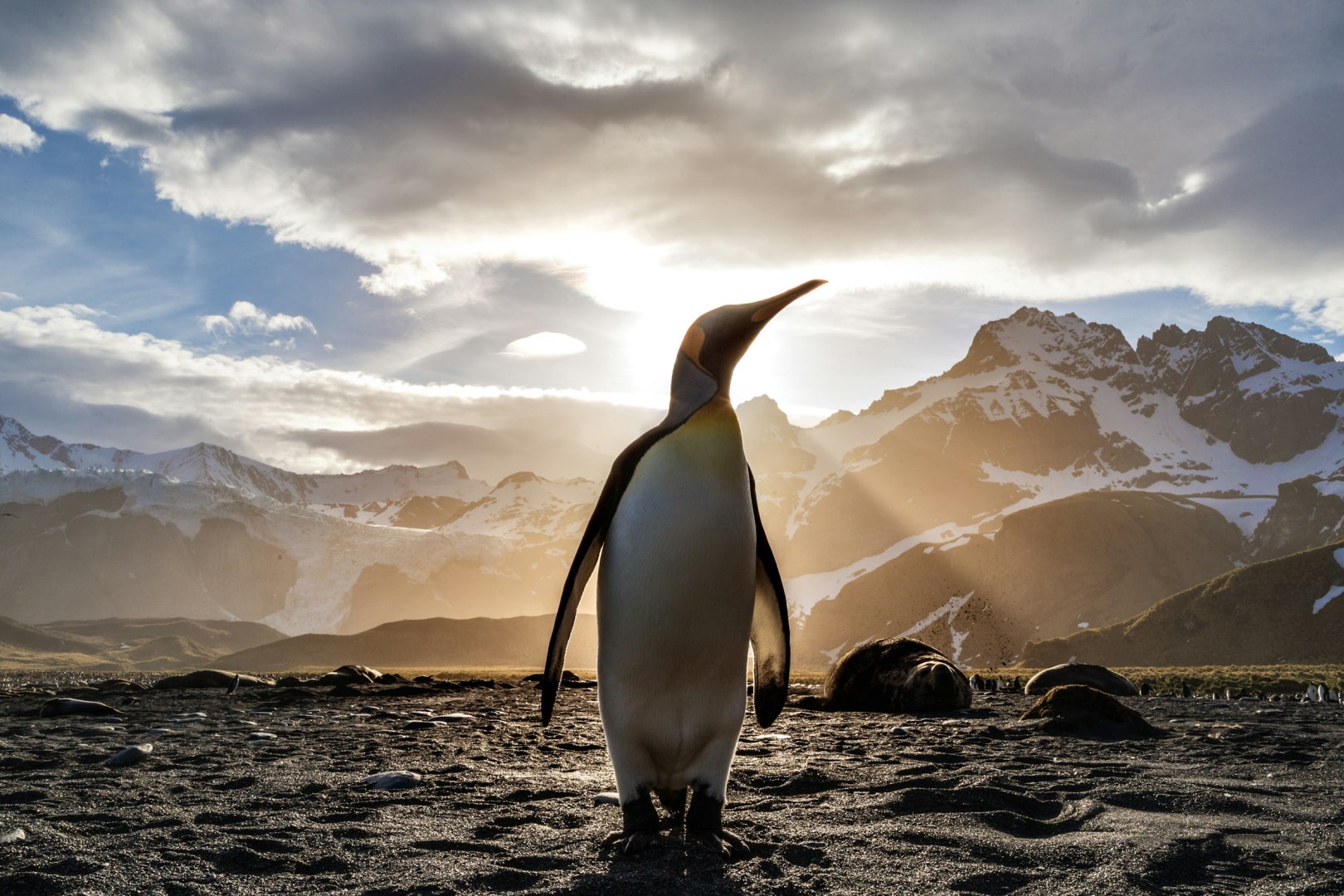
South Georgia
Remote, windswept, and bursting with wildlife, South Georgia is a sub-Antarctic island that surprises nearly everyone who steps ashore. Though uninhabited by civilians, the island hosts a small British research station and welcomes visitors via expedition cruises. What draws people here is not luxury or convenience, but the scale of its wildness.
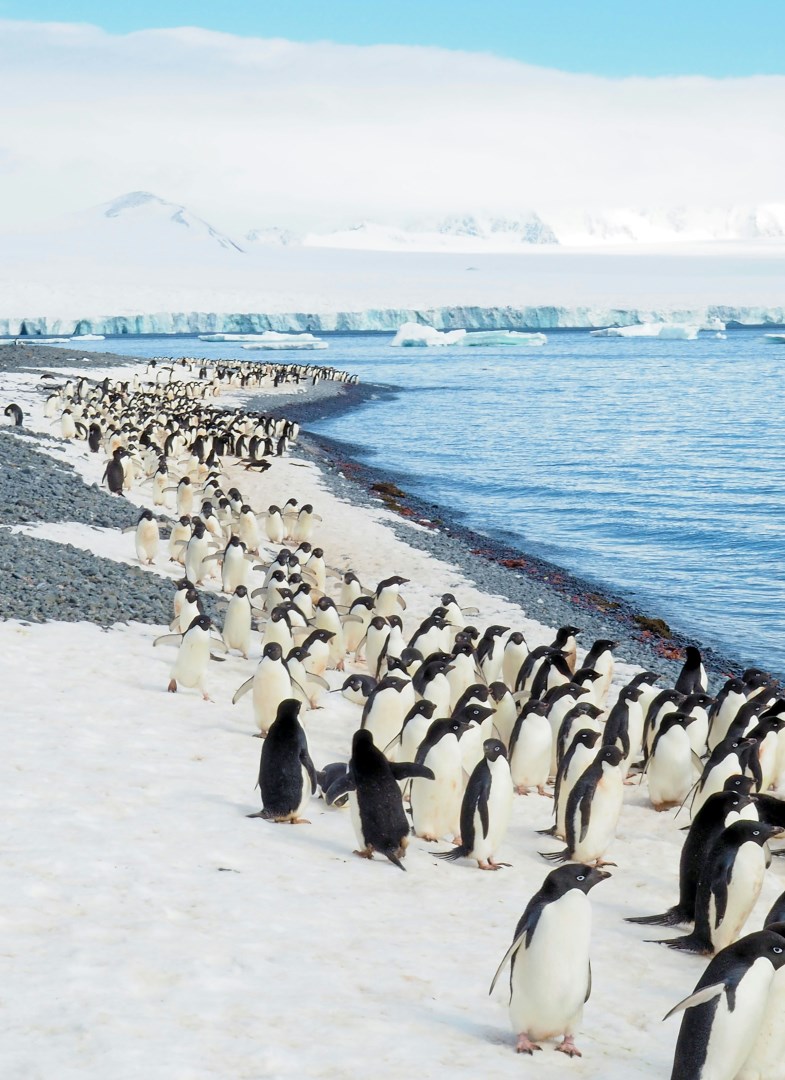
Brown Bluff
Brown Bluff is a distinctive coastal landmark on the east side of the Tabarin Peninsula, overlooking the southwestern Antarctic Sound. Its defining feature is a long beach of cobbles and volcanic ash backed by steep, red-brown cliffs that rise toward an ice-capped, flat-topped mountain. The cliffs are made of volcanic tuff and contain rounded volcanic bombs, giving the shoreline a rugged geological character. Glaciers and permanent ice border the site, while brash ice can sometimes spread across
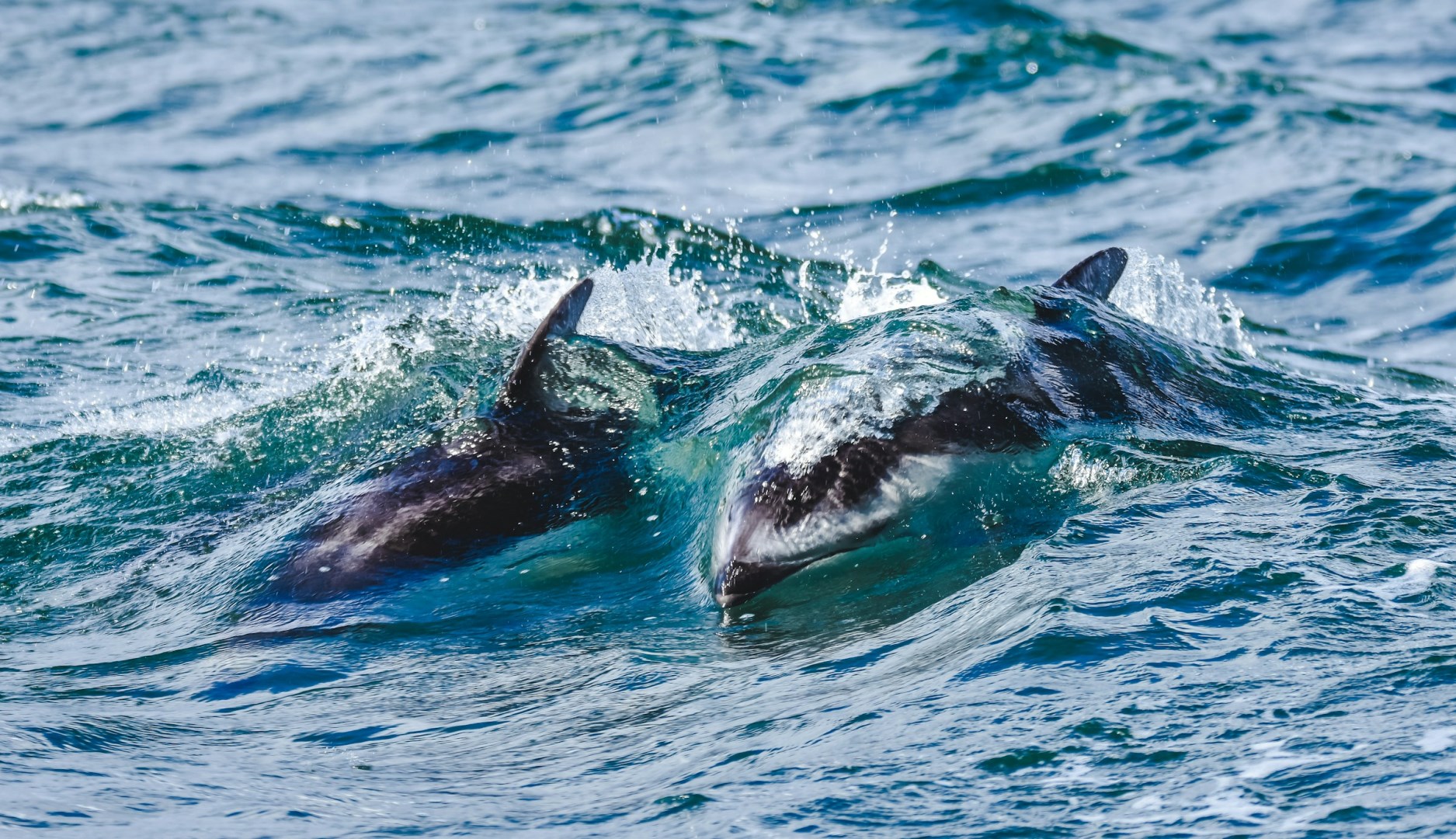
Cormorant Island
Cormorant Island is a small, forested island off the northeastern coast of Vancouver Island in British Columbia, with Alert Bay as its main community. The island faces the sheltered waters of the Broughton Strait and Queen Charlotte Strait, where coastal forests meet rocky shorelines, tidal marshes, and marine habitats.
