

St. Malo
Saint-Malo, a captivating walled city on the coast of Brittany, France, invites visitors to step back in time while embracing the beauty of the rugged coastline. Known for its rich maritime history, this former pirate stronghold has retained its medieval charm, with narrow cobblestone streets, towering granite walls, and fortifications that echo tales of seafaring adventures.

Essaouira
Essaouira, a charming coastal city in Morocco, offers an enchanting blend of history, culture, and natural beauty. Nestled on the Atlantic coast, Essaouira is renowned for its well-preserved medina, a UNESCO World Heritage Site, featuring a labyrinth of narrow alleys, whitewashed buildings, and vibrant blue shutters. This historic port city boasts impressive ramparts, including the iconic Skala de la Ville, which offers panoramic views of the ocean and the bustling harbor.

Aruba
Aruba's consistent sunny weather and gentle trade winds make it an ideal destination for beach lovers and water sports enthusiasts.
Port Macquarie
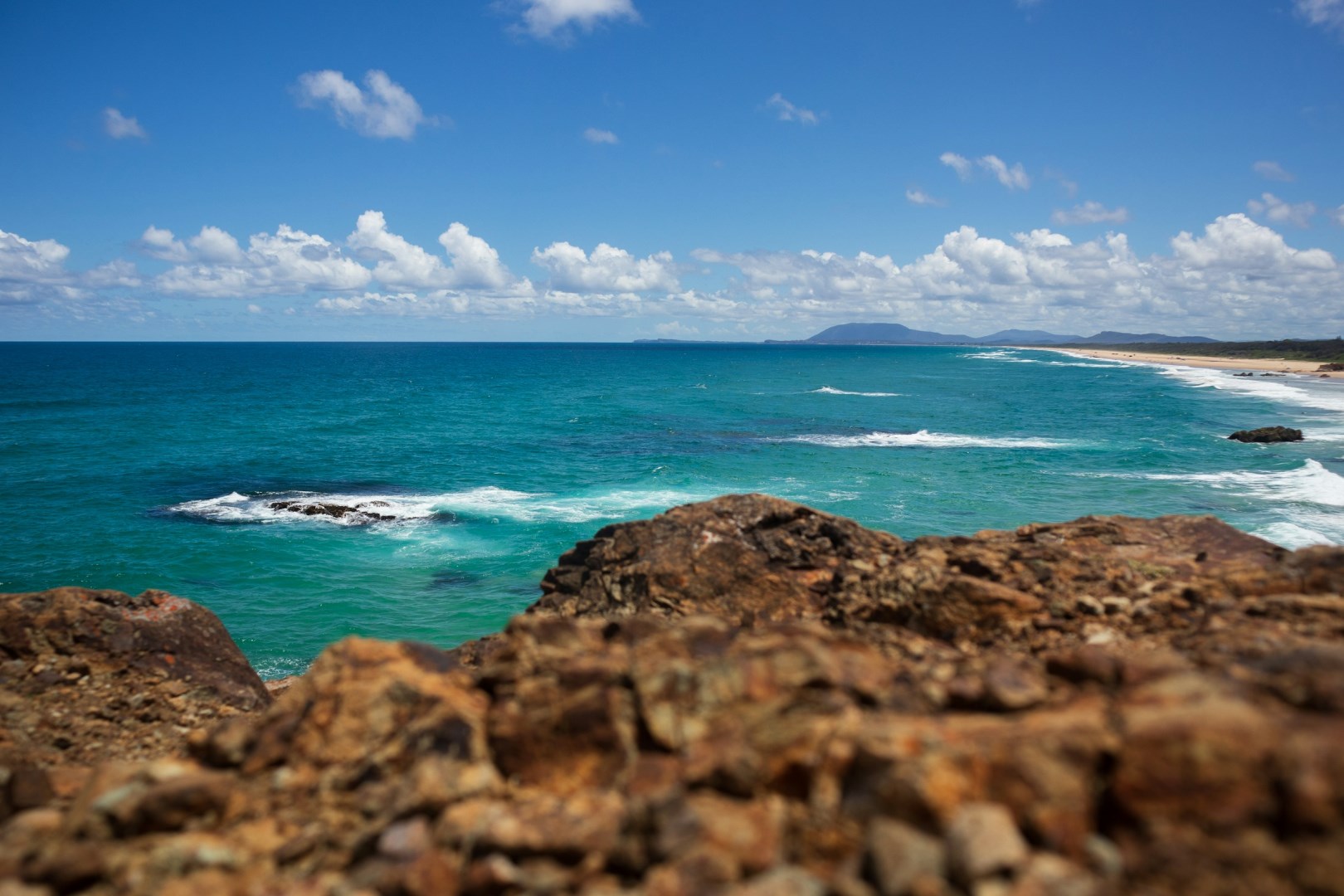
Port Macquarie is situated on the Hastings River and surrounded by several beaches, along its coast. There are plenty of shops around Port Macquarie town centre including a number of different shops including surfing shops, craft and gift shops, antique shops, as well as large shopping malls like Port Central and Settlement Point Peninsula.
Bradford
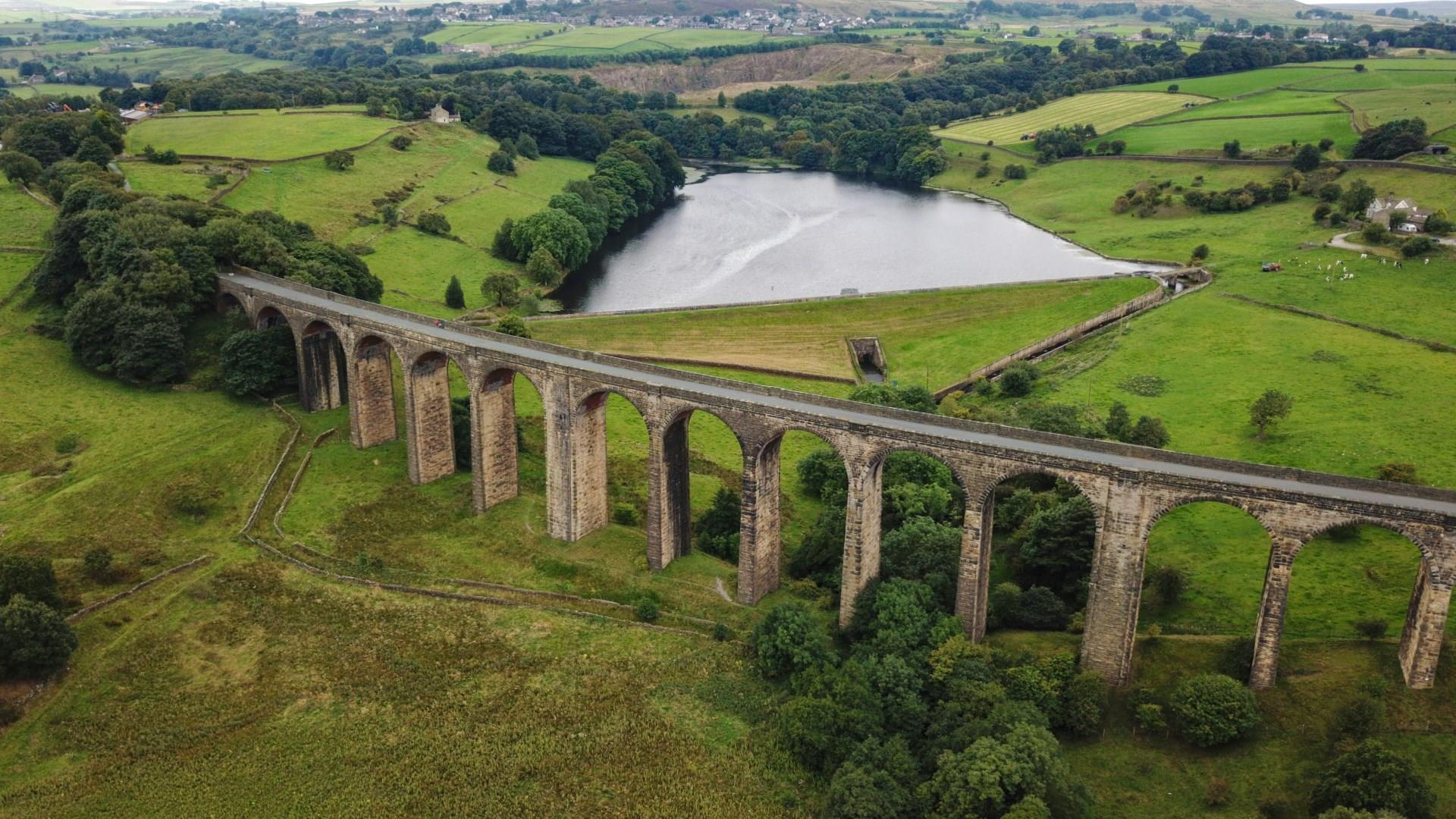
Bradford, set against the backdrop of the South Pennines in West Yorkshire, is a city built on textiles, innovation, and resilience. As the world’s first UNESCO City of Film, Bradford blends cinema history with modern creativity. The National Science and Media Museum sits in the heart of the city, offering hands-on exhibits about photography, television, gaming, and animation. It’s also home to one of the UK's only IMAX cinemas.
