
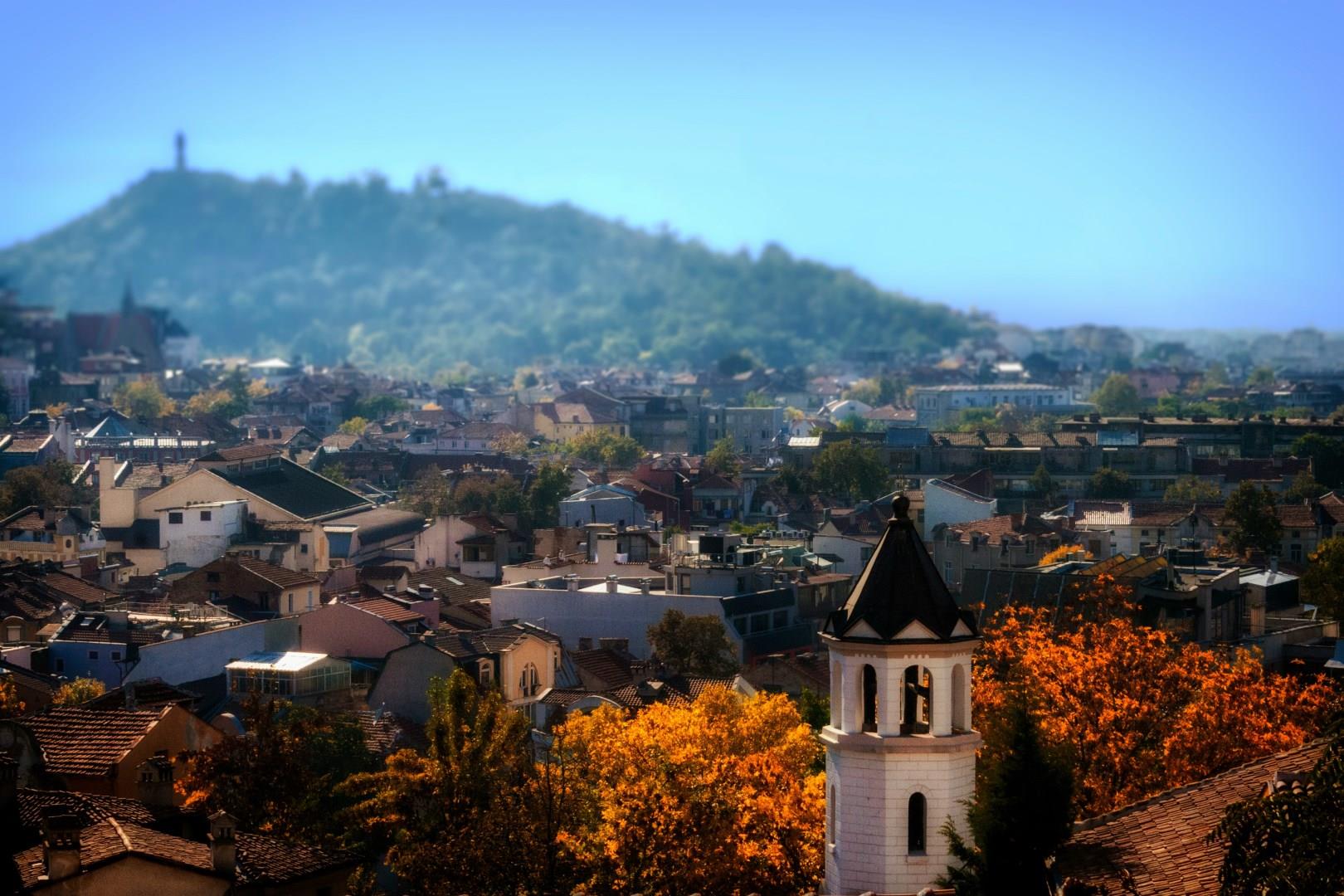
Plovdiv
Plovdiv, one of the oldest continuously inhabited cities in Europe, carries over 8,000 years of history layered into its streets. The Roman Theater, still in use today, was discovered by accident in the 1970s and now hosts operas and concerts overlooking the Rhodope Mountains. Nearby, visitors can walk the remains of a Roman stadium buried beneath the main pedestrian street, where modern shops and cafés stand above ancient foundations.
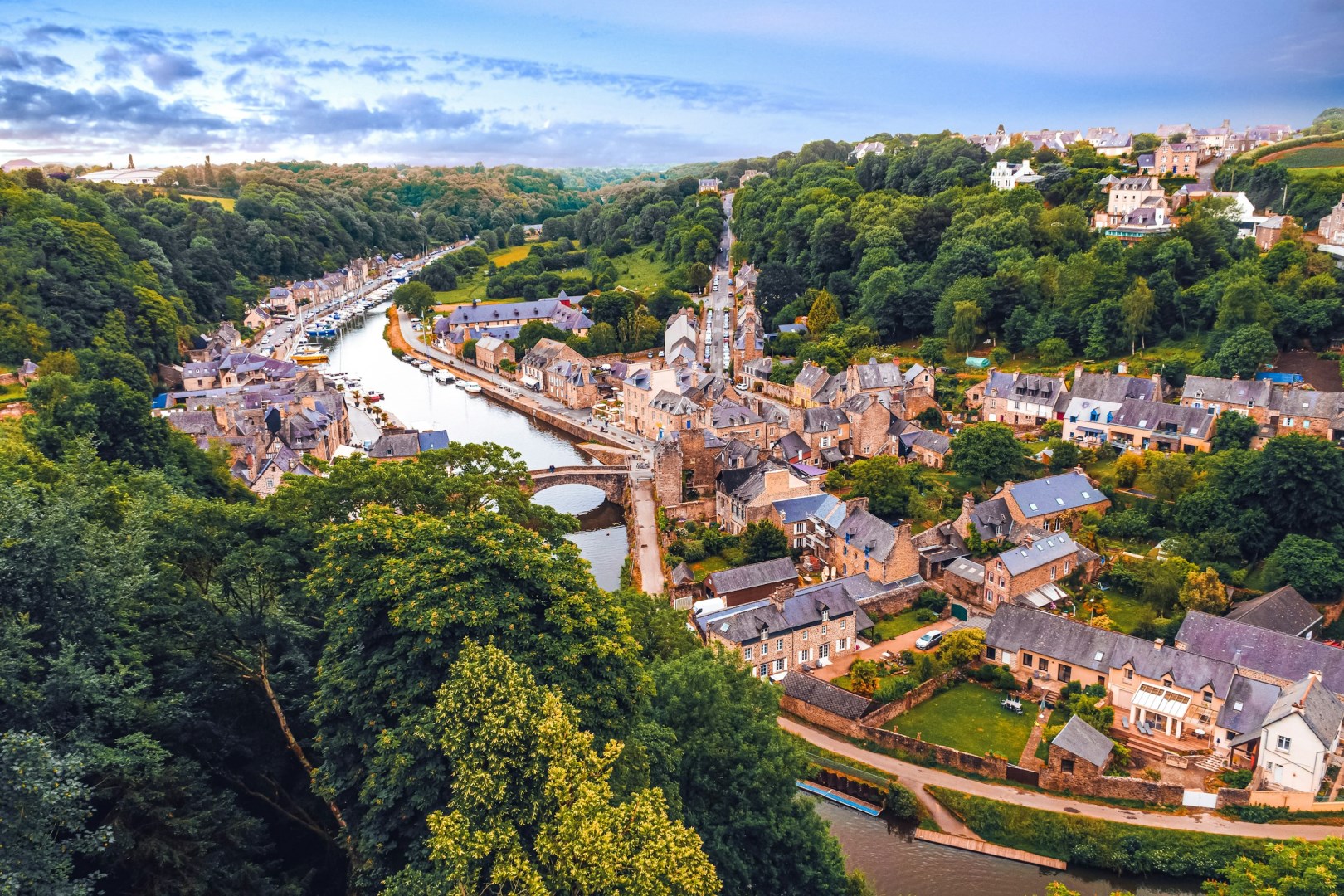
Dinan
Medieval half-timbered houses decorated with vibrant flower displays line the cobblestone streets of this picturesque and charming French town. Whether you're perusing the artisan shops, exploring the historic buildings, taking a leisurely walk along the riverbanks, or enjoying the lively markets or festivals, you'll find yourself immersed in its timeless beauty.

Hanoi
Replete with intricate temples, immersive museums, and gastronomic delicacies, Hanoi will surely enchant you! The capital of Vietnam, bustling Hanoi is the perfect center for your next adventure in southeastern Asia.
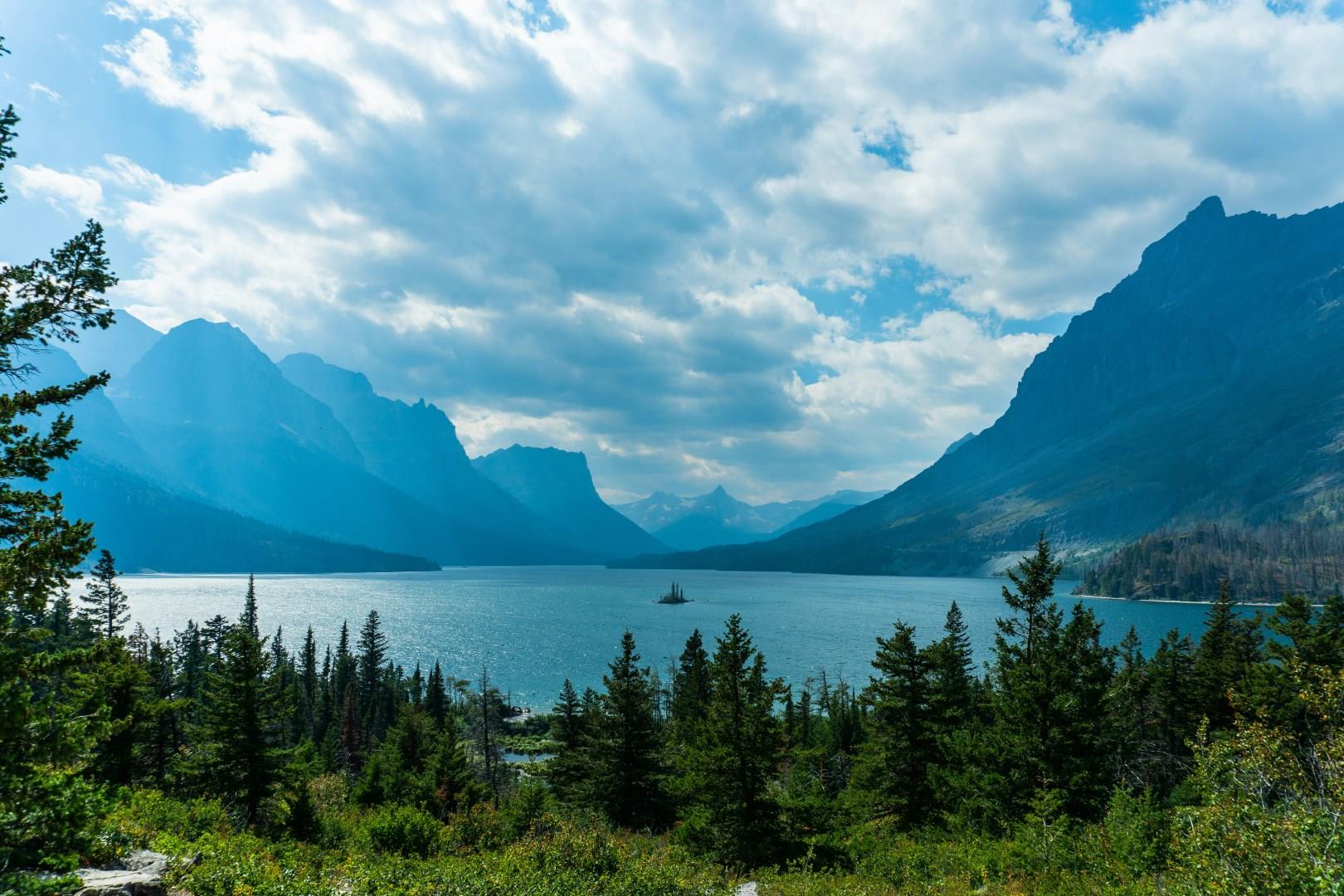
Glacier National Park
Glacier National Park is a stunning natural wonderland renowned for its dramatic landscapes and abundant wildlife. This vast expanse of pristine wilderness covers over a million acres and is a sanctuary for outdoor enthusiasts and nature lovers alike. The park is famous for its iconic Going-to-the-Sun Road, a scenic drive that winds through the heart of the park and offers breathtaking views of towering peaks, lush valleys, and pristine lakes.

Fuerteventura
The Old Canary Country is the island with the longest coast line, offering wide plains, gentle valleys, and huge beaches. Some of its beaches compare with the best in the world.
