
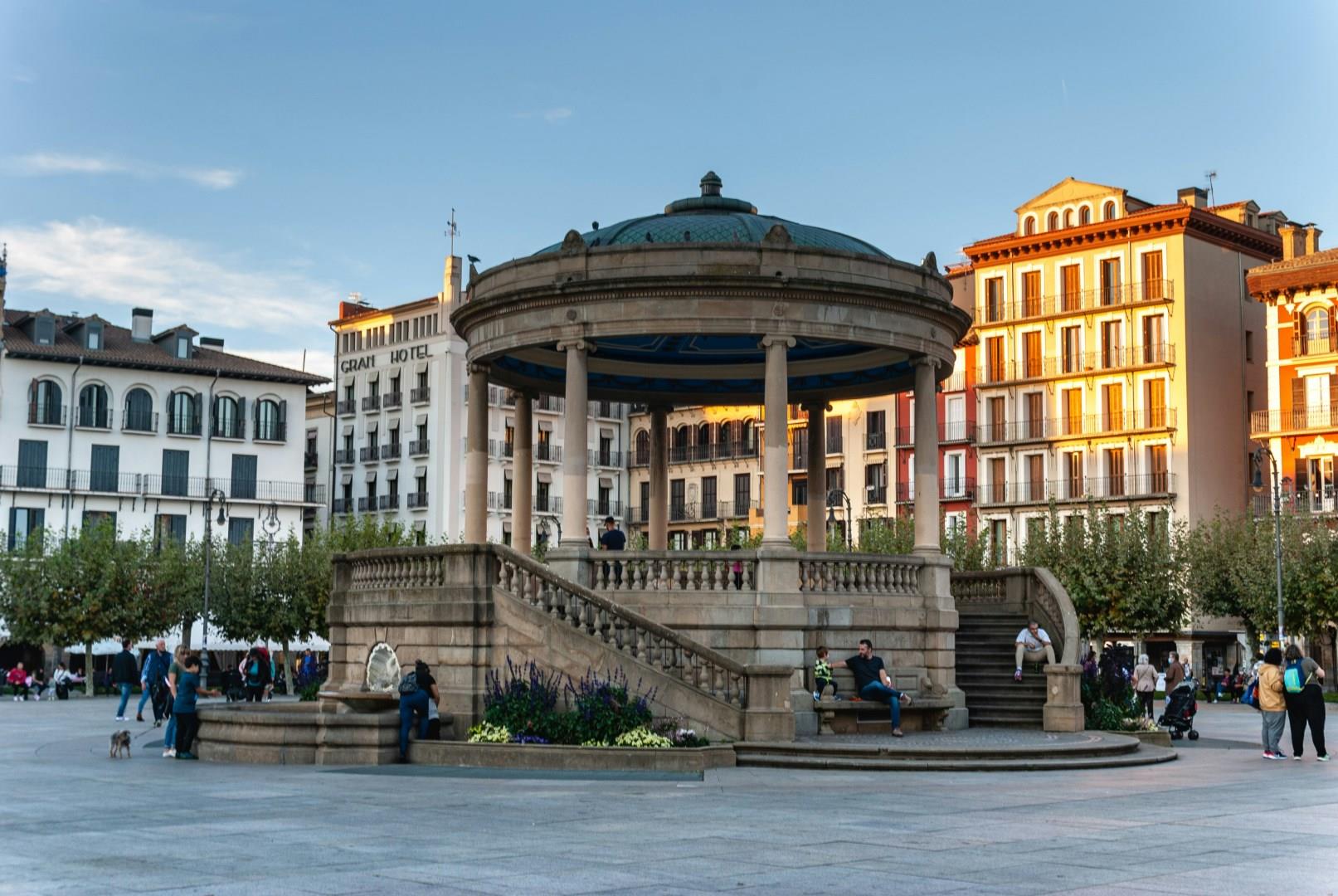
Pamplona
Pamplona, the capital of Spain’s Navarre region, is best known worldwide for the Running of the Bulls during the San Fermín festival each July. But beyond the brief rush of that event lies a city steeped in medieval history, Basque influence, and a slower pace that surprises many visitors. One of the most significant aspects of Pamplona is its place on the Camino de Santiago, the ancient pilgrimage route to Santiago de Compostela.
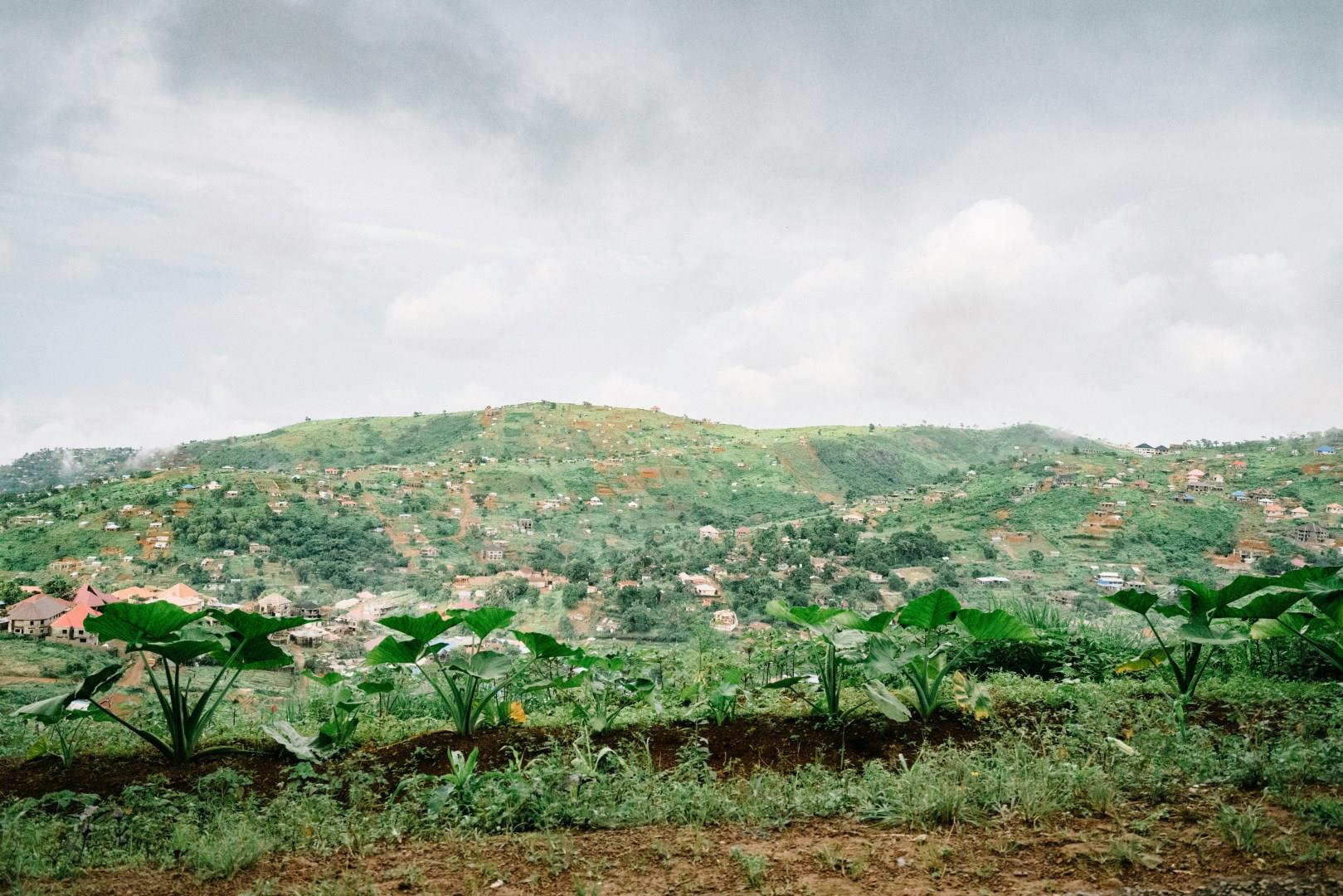
Freetown
Freetown, the capital of Sierra Leone, is a city where history and daily life intertwine along the shores of the Atlantic. Founded in 1792 as a settlement for freed slaves from Britain and the Americas, it remains a place of cultural depth and resilience.

St. George's
St. George’s, the capital of Grenada, is a picturesque harbor town nestled within the rim of an extinct volcano. Its horseshoe-shaped Carenage, lined with pastel-colored colonial buildings, offers a postcard-perfect introduction to the island.
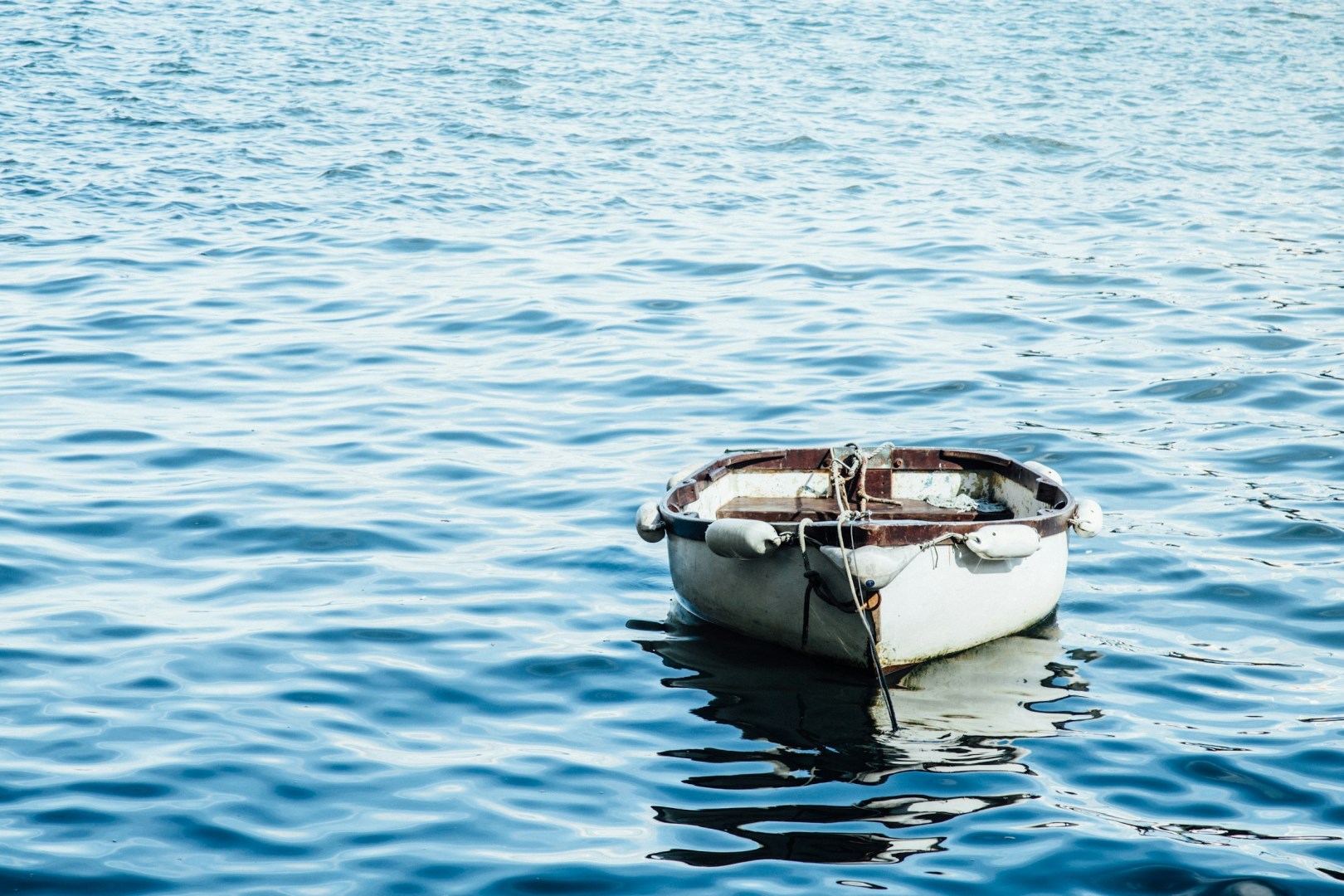
Falmouth
Falmouth, on Cornwall’s south coast, grew around one of the world’s largest natural harbors, a feature that has shaped its maritime identity for centuries. The town expanded during the age of sail, serving as a key port for packet ships, and landmarks like Pendennis Castle still anchor Falmouth firmly in its naval past.

Longyearbyen
Longyearbyen, the northernmost settlement of its size in the world, offers a unique and captivating experience in the Arctic archipelago of Svalbard, Norway. Nestled between icy peaks and sprawling glaciers, this remote town is a gateway to exploring the rugged beauty of the Arctic landscape.
