
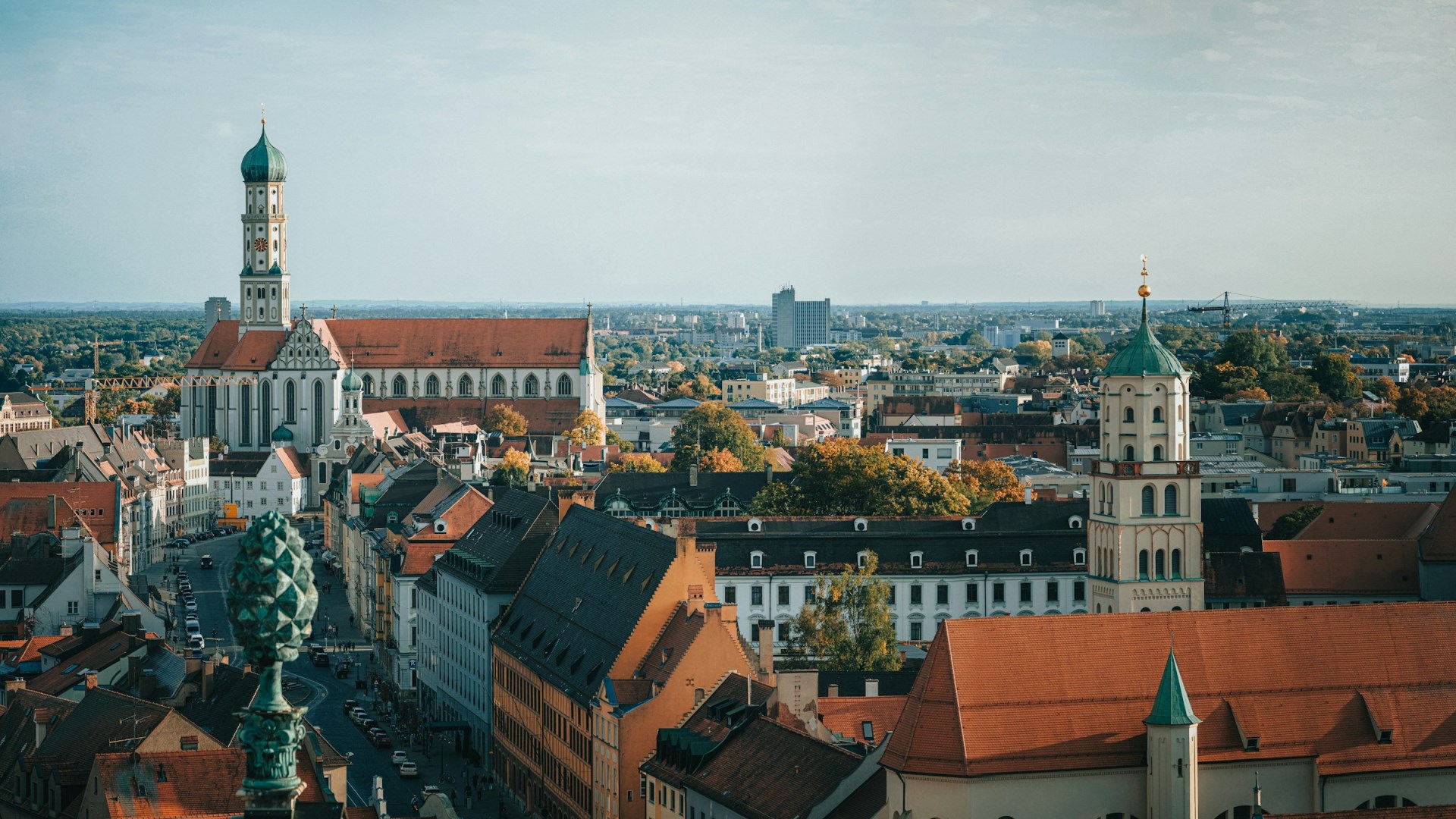
Augsburg
Augsburg was founded in 15 BC under the rule of the Roman emperor Augustus. For 400 years the city was the seat of a provincial government of the Roman empire. Its ideal location made it a crossroad of all important routes to the south. An advantage from which the powerful merchants and bankers, the Fugger family and the seafaring Welsers, likewise profited. They elevated Augsburg to rank among the world's most powerful cities. Kings and emperors were frequent guests here.
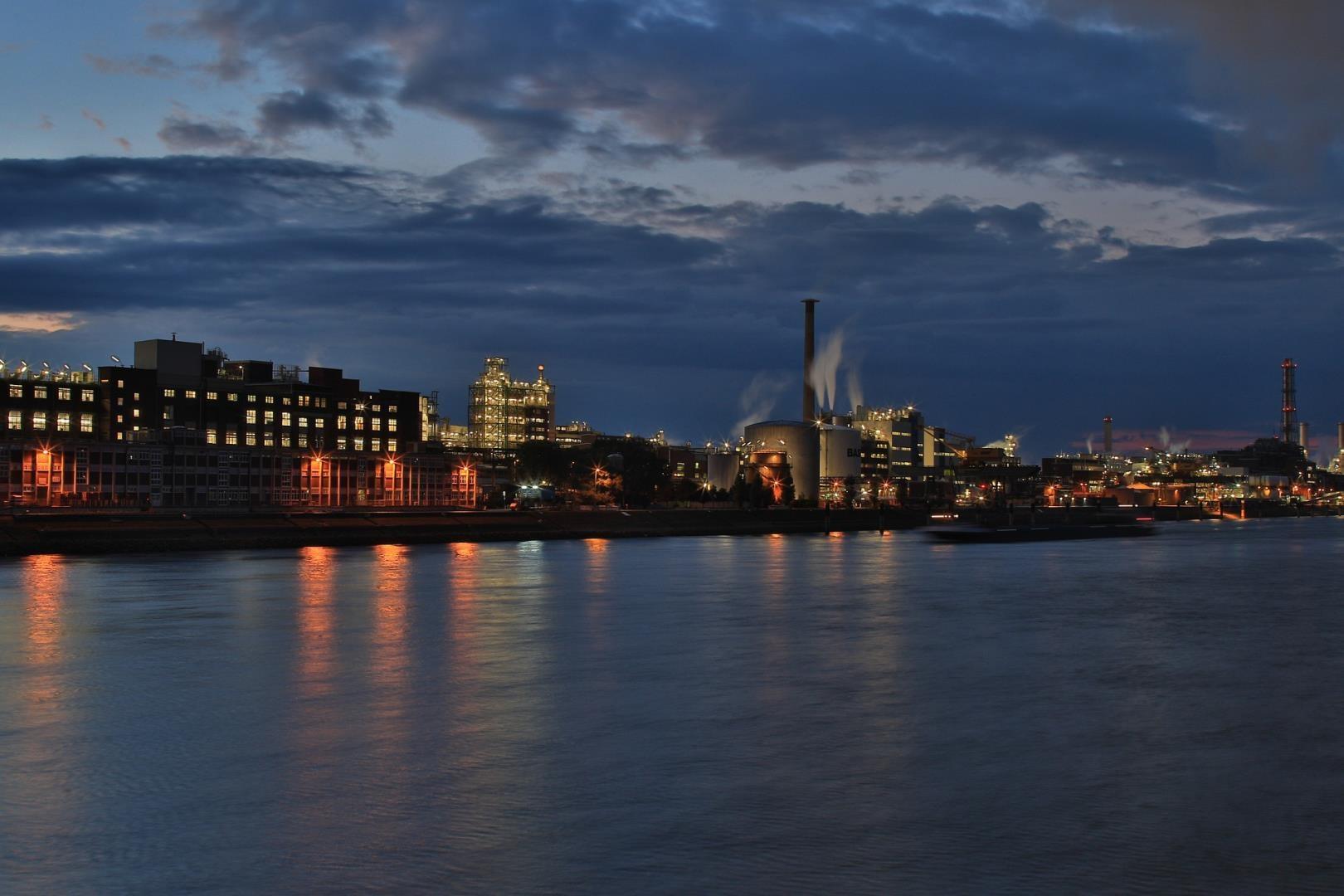
Ludwigshafen
Ludwigshafen am Rhein is an industrial city in southwestern Germany, located on the western bank of the Rhine River opposite Mannheim.
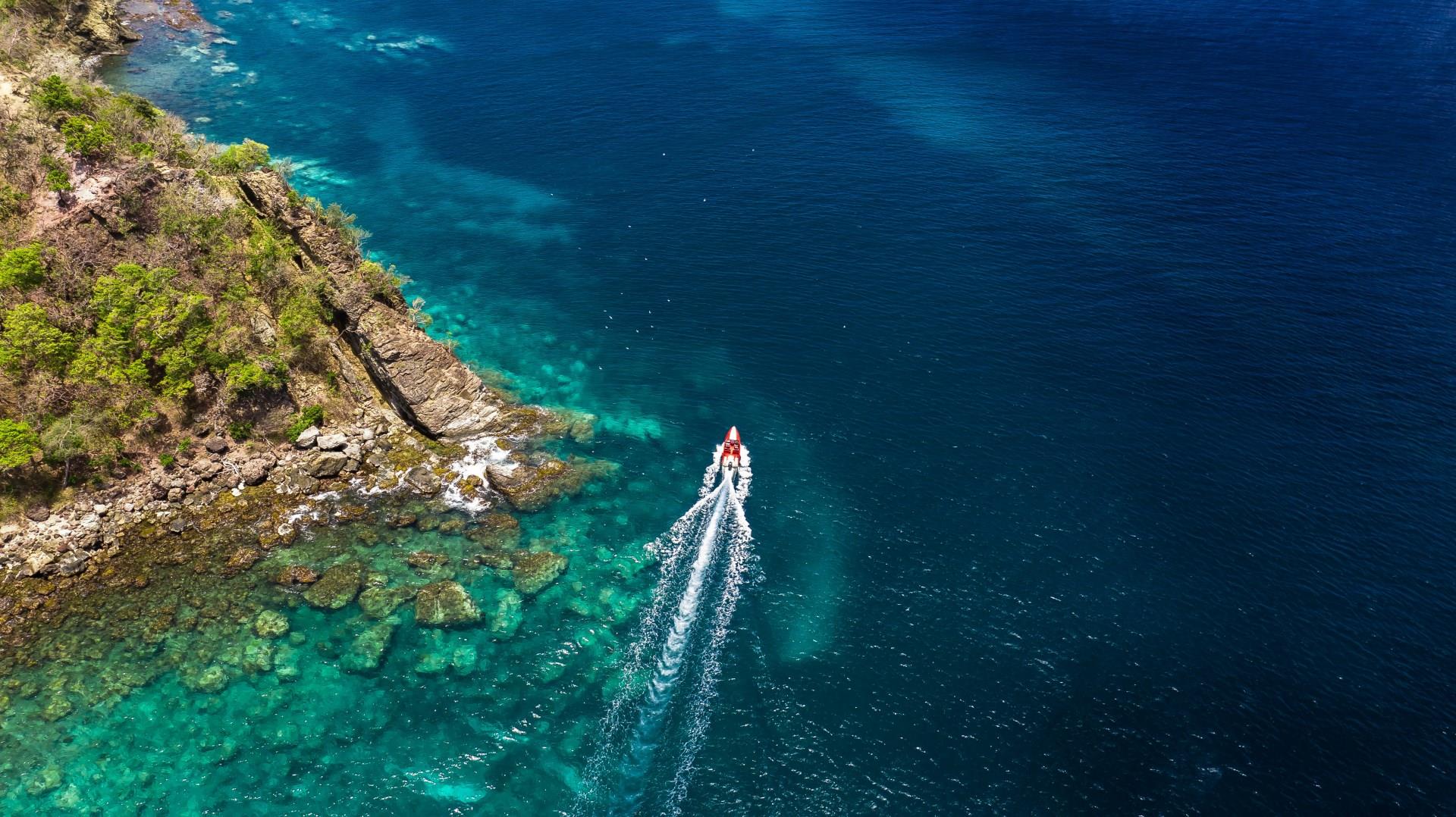
Carriacou
Carriacou, the largest of Grenada’s sister islands, offers a slower pace of life and an intimate window into traditional Caribbean culture. Known as the “Island of Reefs,” it is surrounded by vibrant coral systems that have long supported fishing and sailing traditions.

Czech Republic
The Czech Republic is a country where centuries-old castles, storybook towns, and deeply rooted traditions coexist with vibrant art scenes and local beer halls. Prague draws the most attention, with its Gothic towers, Baroque churches, and the world’s oldest working astronomical clock, still ticking in the Old Town Square.

Aalborg
Aalborg is the fourth largest city in Denmark and constitutes a natural center for the North Jutland region. In addition Aalborg is Denmark's largest conference center, outside Copenhagen. Aalborg has many cultural attractions which appeal to a wide variety of tastes; a varied night-life and more than 300 restaurants, bars and clubs.
