
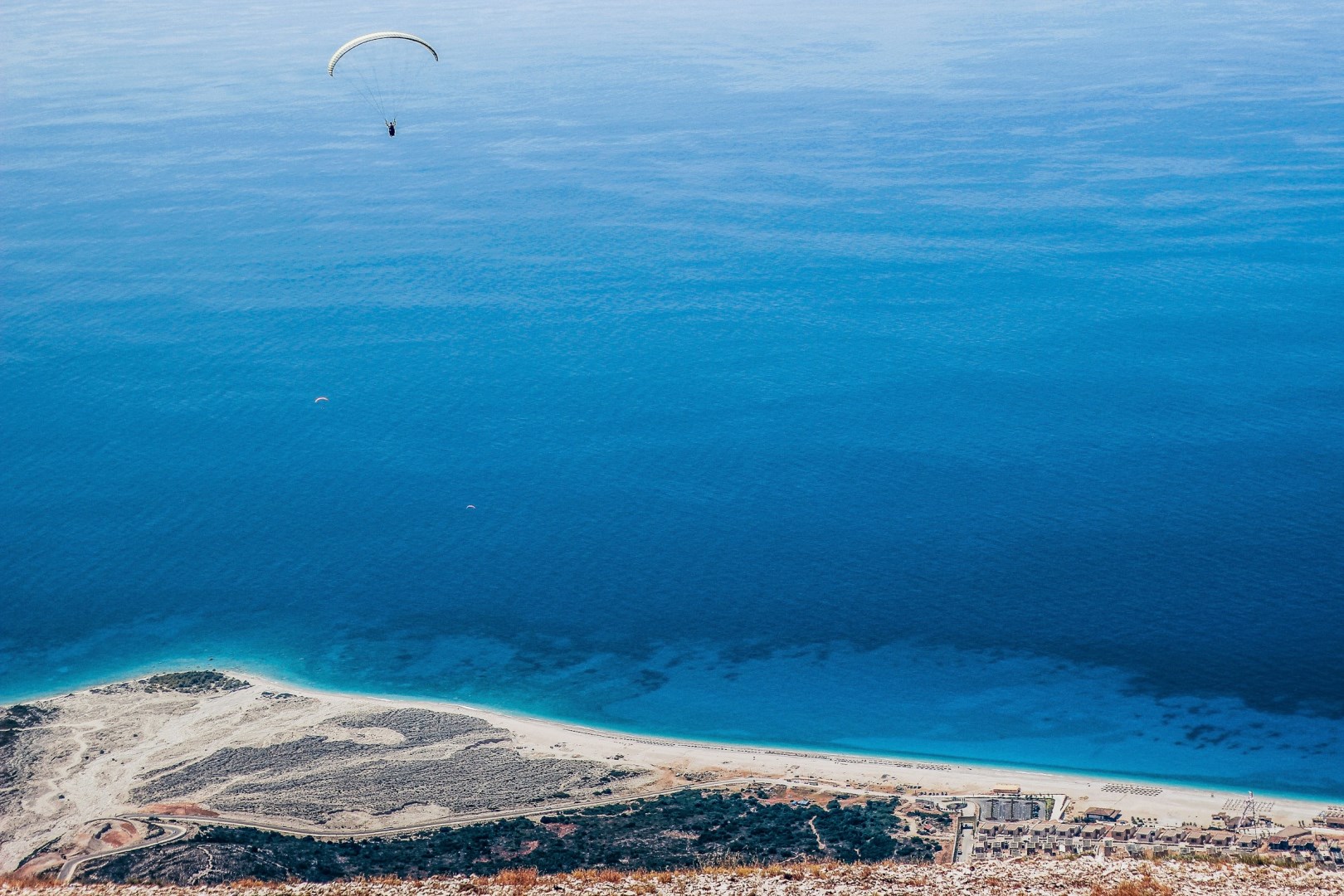
Llogara National Park
Llogara National Park lies in southern Albania within the Çika mountain range, overlooking the Ionian coast near the Albanian Riviera. The park rises from forested slopes to the Qore peak, with elevations ranging from about 450 to 2,018 meters. Its terrain includes steep limestone mountains, alpine meadows, rocky areas, and dense forests.
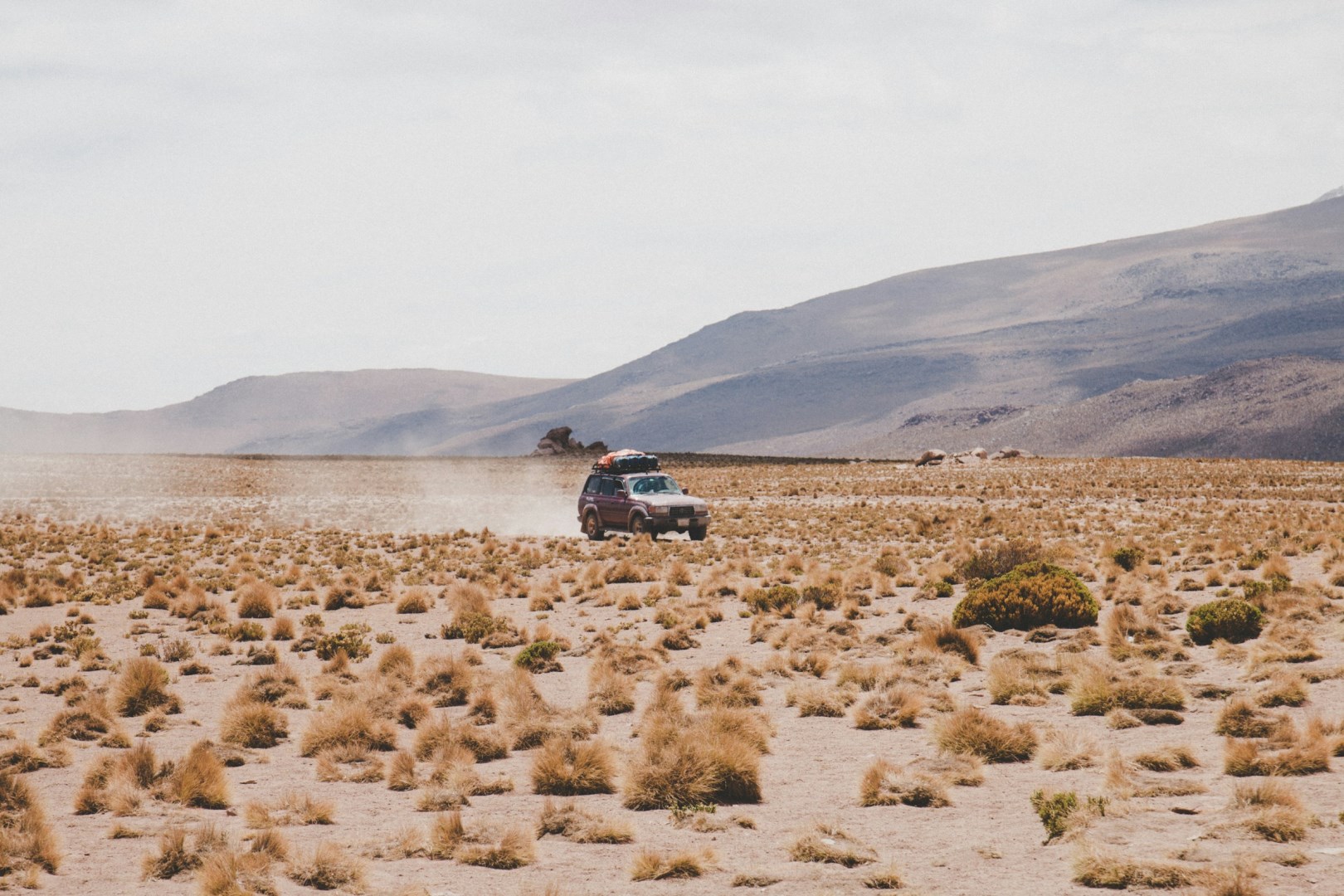
Eduardo Avaroa Andean Fauna National Reserve
Eduardo Avaroa Andean Fauna National Reserve is a vast protected area in southwestern Bolivia, close to the borders with Chile and Argentina. It covers a high-altitude landscape of volcanic mountains, deserts, salt flats, geothermal fields, and mineral-rich lagoons. The reserve forms part of the southern Altiplano and is one of Bolivia’s most distinctive protected areas.

Symi
Symi, a charming island in the Dodecanese, Greece, offers a picturesque escape with its striking neoclassical architecture and vibrant Mediterranean colors. The town of Symi, a designated protected cultural heritage site, is renowned for its beautifully preserved pastel-colored mansions that line the harbor.
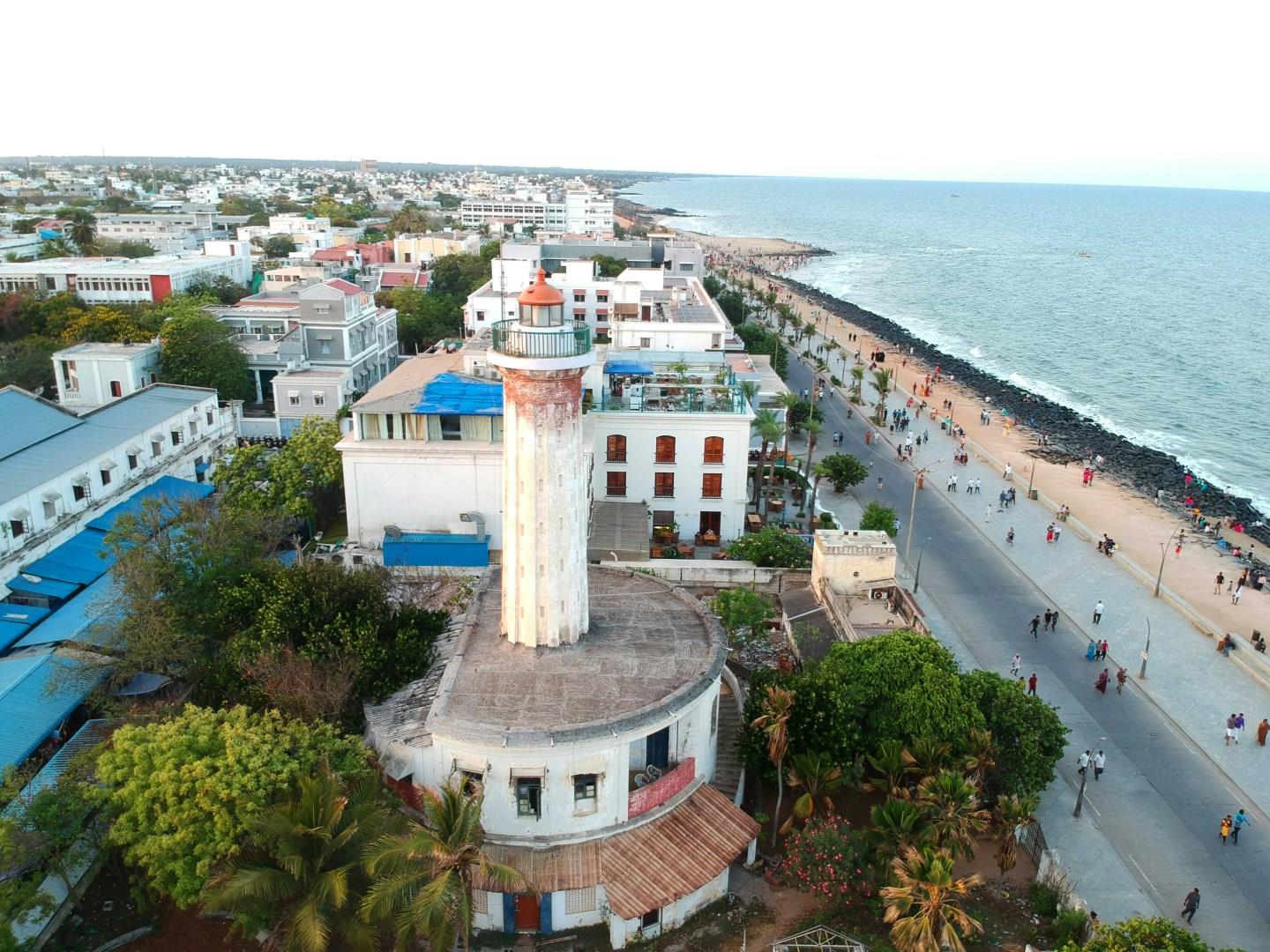
Pondicherry
Pondicherry is a coastal town in southern India that still carries traces of its French colonial past. The French Quarter, or White Town, is filled with mustard-yellow buildings, iron-laced balconies, and streets with French names. Visitors can explore this area on foot or by bicycle, stopping at spots like the 18th-century Eglise de Notre Dame des Anges, built in Greco-Roman style, or the French Consulate, which continues to operate from a colonial-era building.
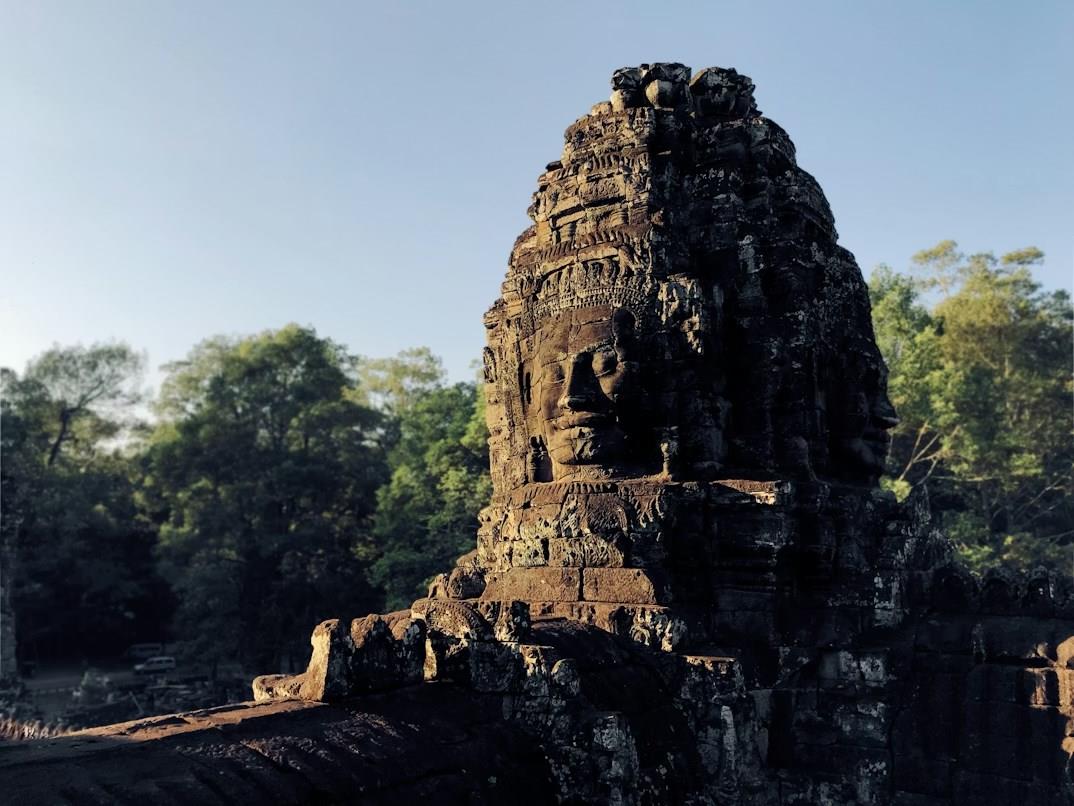
Angkor Thom
Angkor Thom was the last great capital of the Khmer Empire, established in the late 12th century under King Jayavarman VII in what is now northwestern Cambodia. Enclosed by massive stone walls and a wide moat, the city was designed as both a political center and a sacred landscape, symbolizing the cosmic order of the Khmer worldview.
