
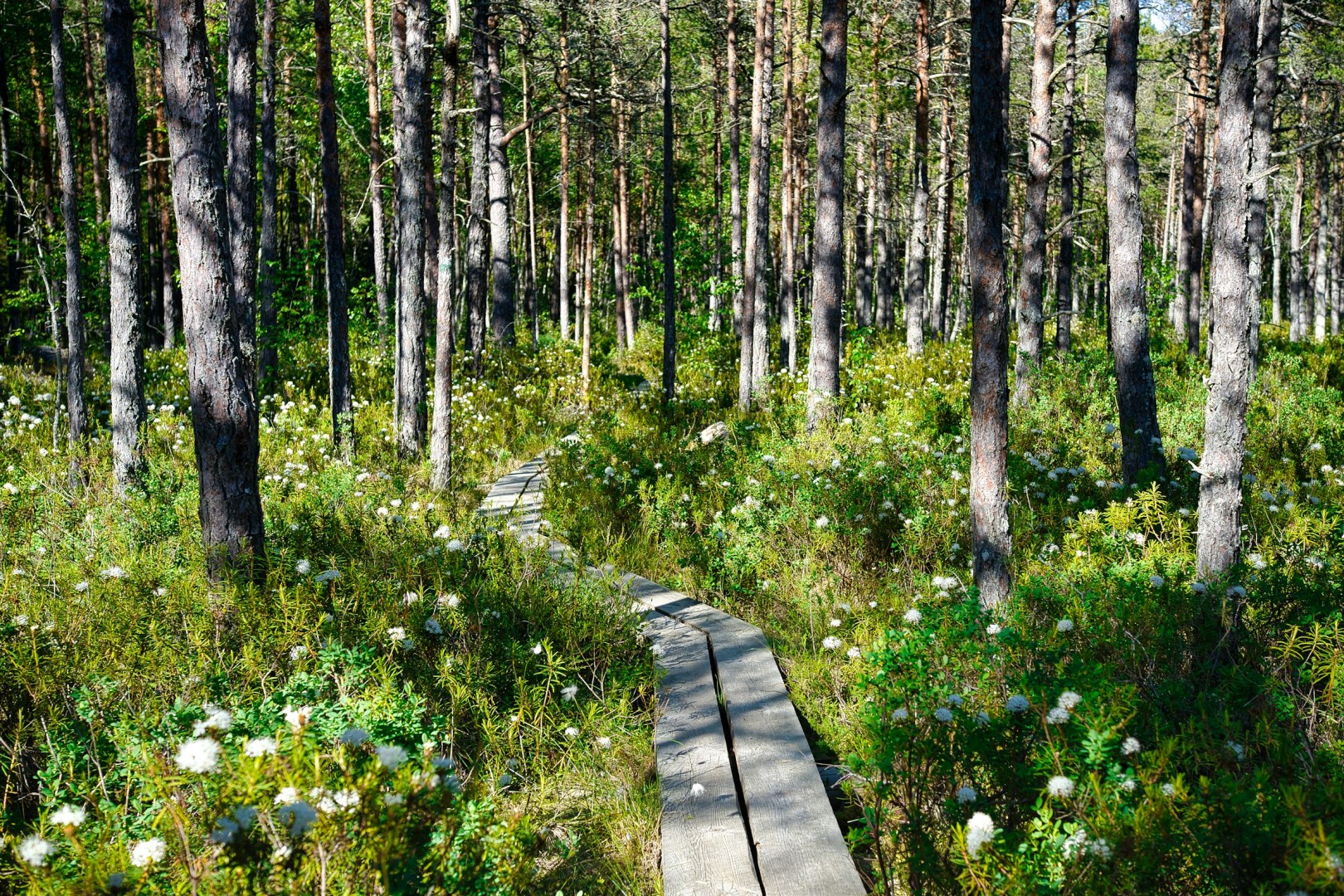
Lahemaa National Park
Lahemaa National Park is a large protected area on Estonia’s northern coast, facing the Gulf of Finland and combining forests, wetlands, rocky shores, sandy beaches, and small islands. It is Estonia’s oldest and largest national park, with landscapes that change noticeably between the coast and the inland forests. The park also protects cultural heritage, including traditional fishing villages, historic manor estates, and old farm landscapes.

Olomouc
Olomouc, a captivating city in the Czech Republic, offers a blend of historical charm and vibrant culture. The city’s centerpiece is the Holy Trinity Column, a UNESCO World Heritage Site and a stunning example of Baroque architecture. Erected in the 18th century to commemorate the end of the plague, this intricate monument features elaborate sculptures and exquisite details that make it a must-see source.
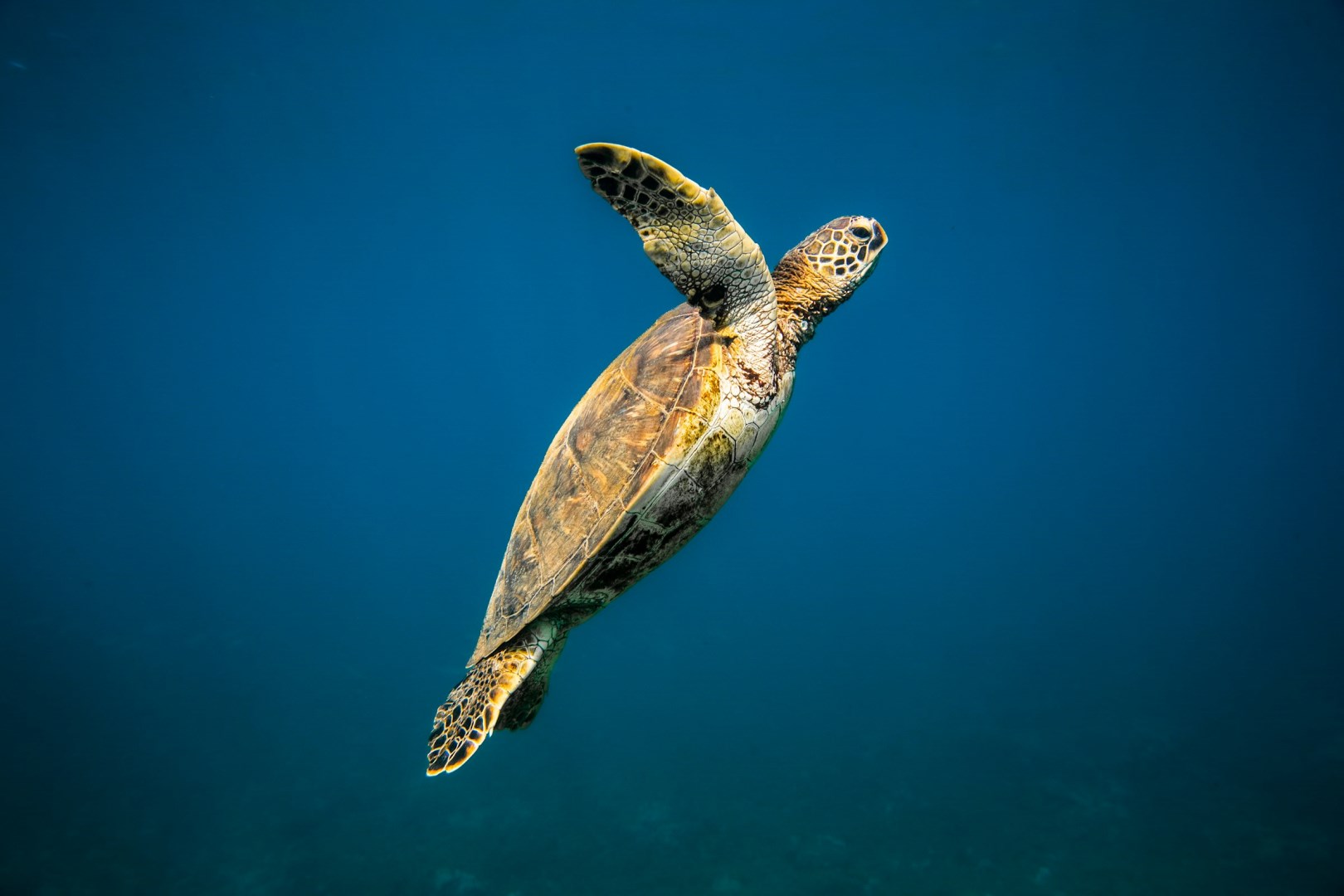
Kapalua, Maui
Kapalua is a coastal resort community on the northwest side of Maui, Hawai‘i, set between the West Maui Mountains and the Pacific Ocean. Its landscape includes sheltered bays, volcanic slopes, former agricultural land, and coastal trails, with views toward neighboring islands on clear days.
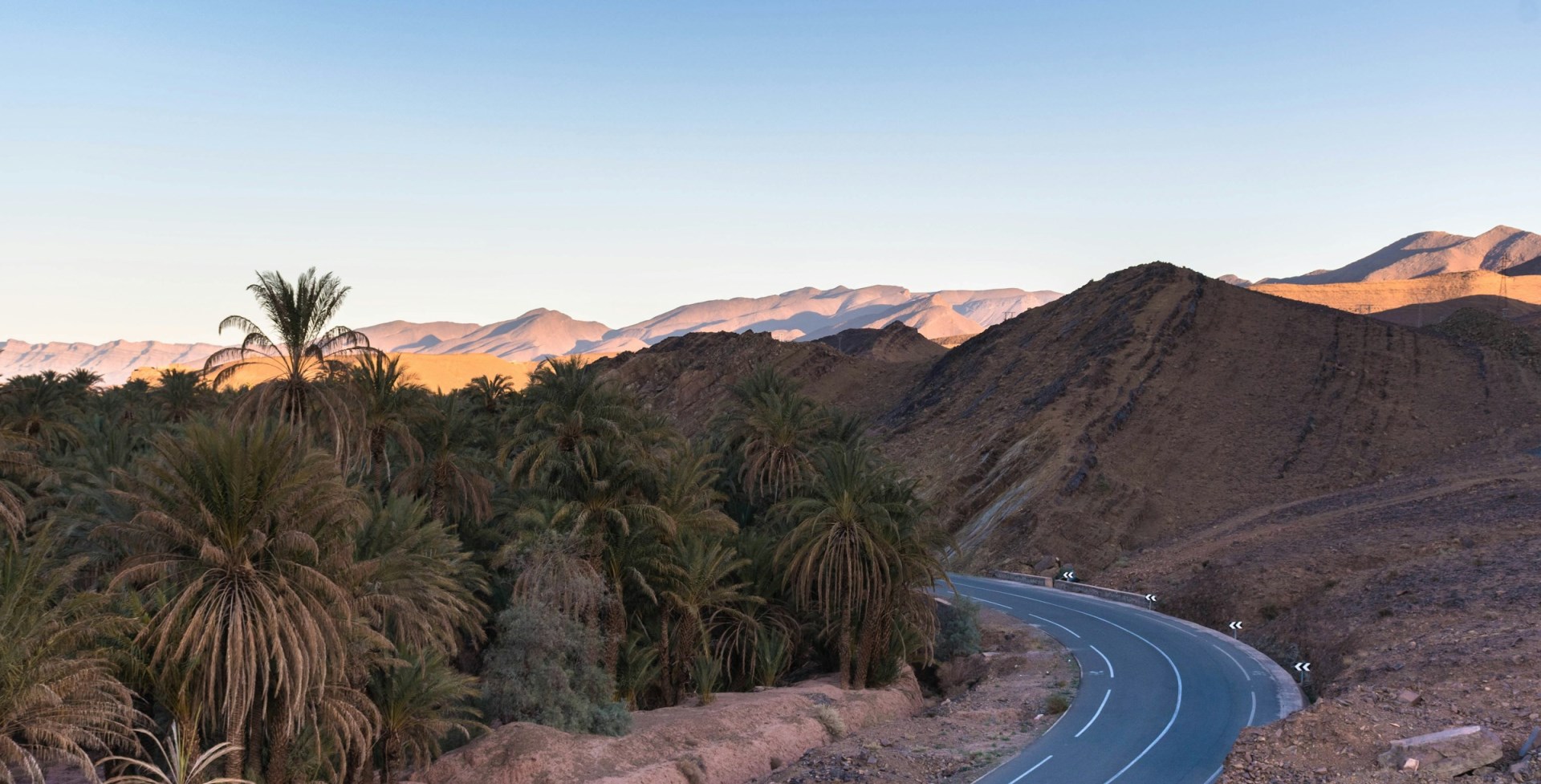
Agdz
Agdz is a small town in Morocco’s Drâa Valley, positioned between the High Atlas Mountains and the long oasis corridor leading toward the Sahara. The town sits beside the Drâa River, where irrigated gardens and dense stands of date palms contrast with the surrounding dry hills. Agdz has traditionally served as a stopping point along routes crossing southern Morocco, and its location still makes it a useful base for exploring the valley.
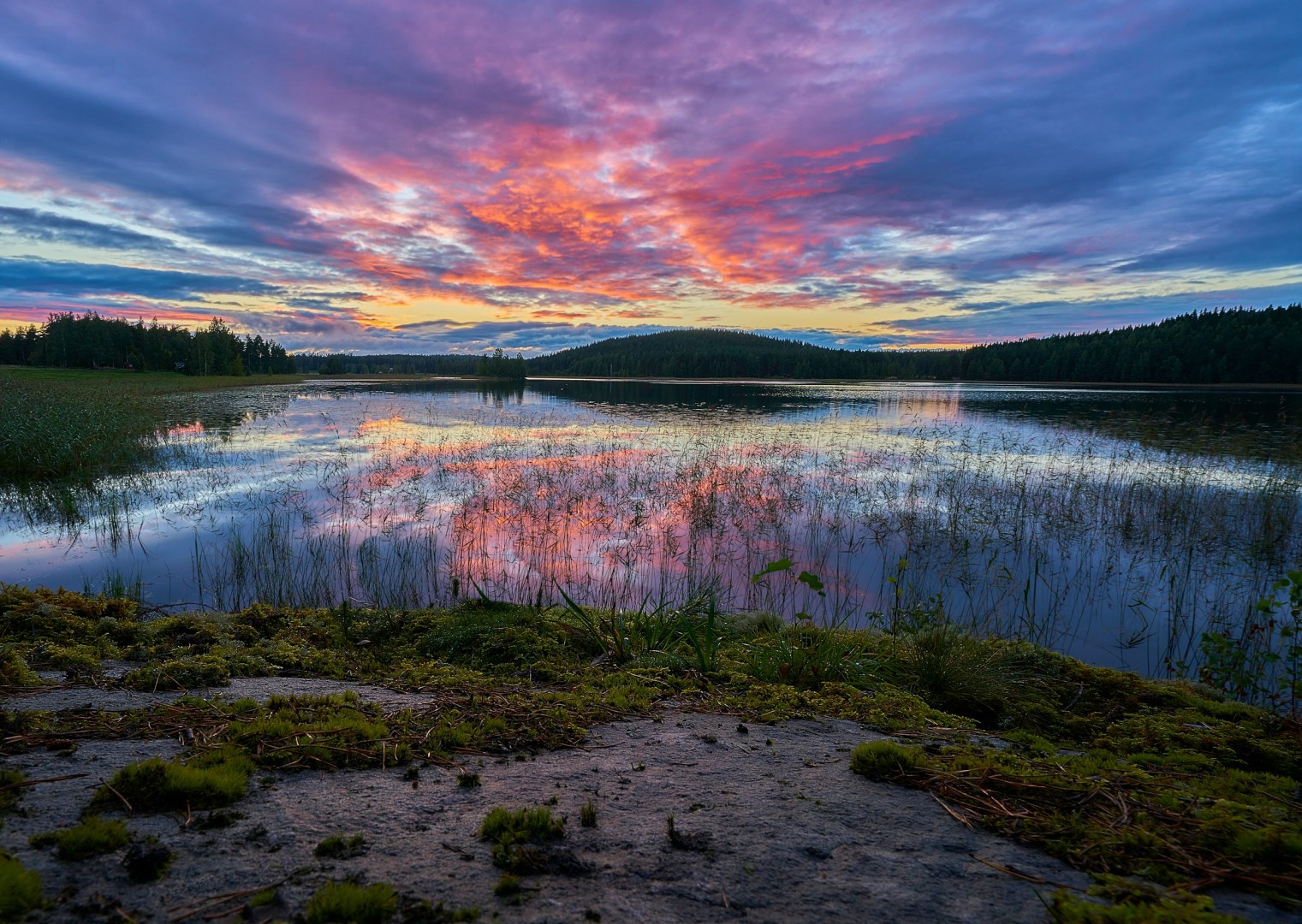
Jyväskylä
Jyväskylä is a city in central Finland surrounded by forests, lakes, and rolling hills, with Lake Jyväsjärvi forming a prominent part of its southern edge. It is the regional center of Central Finland and has a strong connection with education, design, and modern Finnish architecture. The city is known internationally for buildings designed by Alvar Aalto, whose work includes the University of Jyväskylä campus and several civic buildings.
