
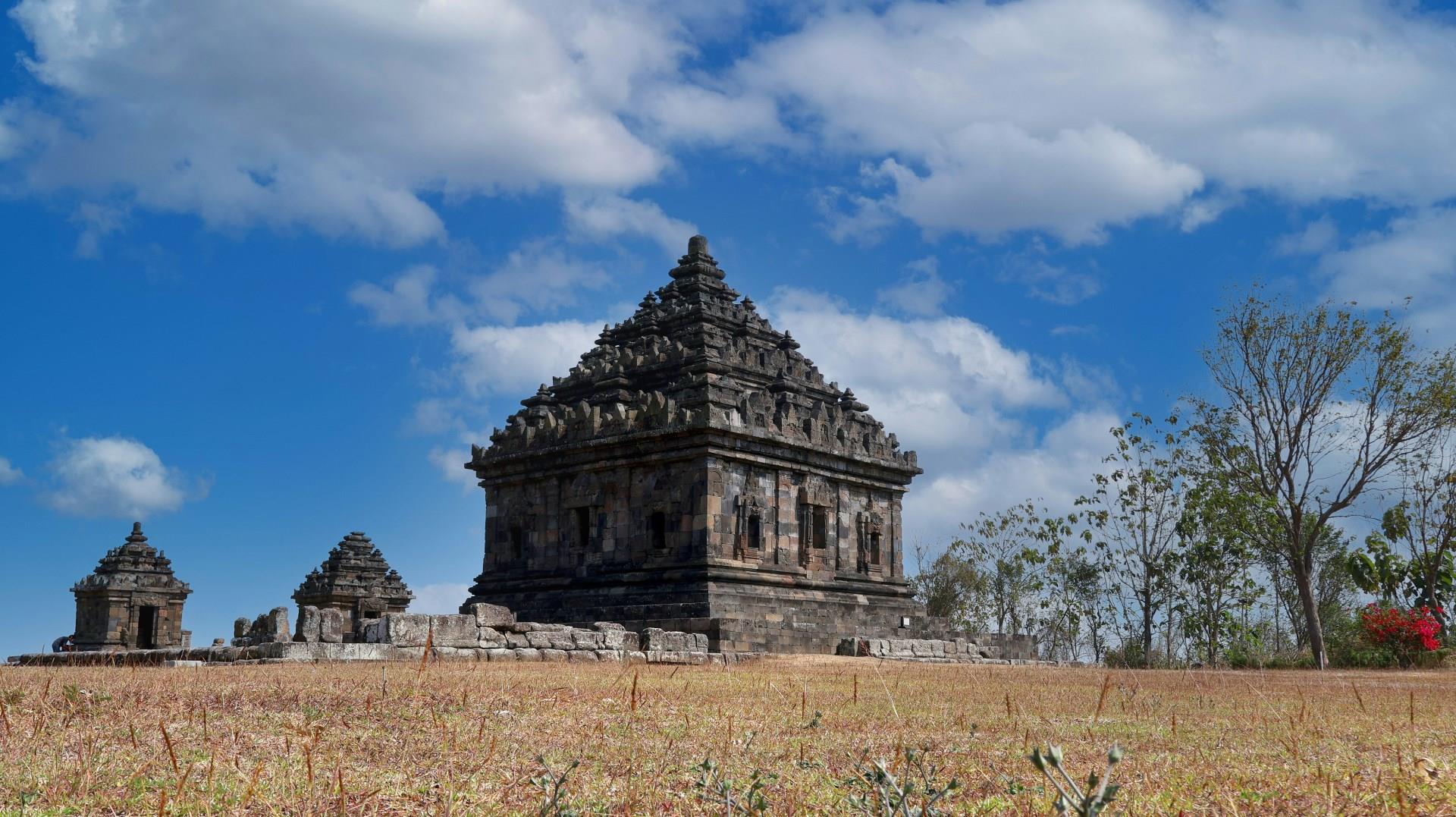
Yogyakarta Java
Yogyakarta, on the island of Java, is often described as Indonesia’s cultural capital, a reputation grounded in living tradition rather than nostalgia. It remains the seat of a functioning sultanate, and the royal palace, or kraton, anchors the city’s identity through ceremonies, crafts, and court arts that continue to shape everyday life. The city also played a key role in Indonesia’s struggle for independence, giving it a strong sense of civic pride and historical awareness.
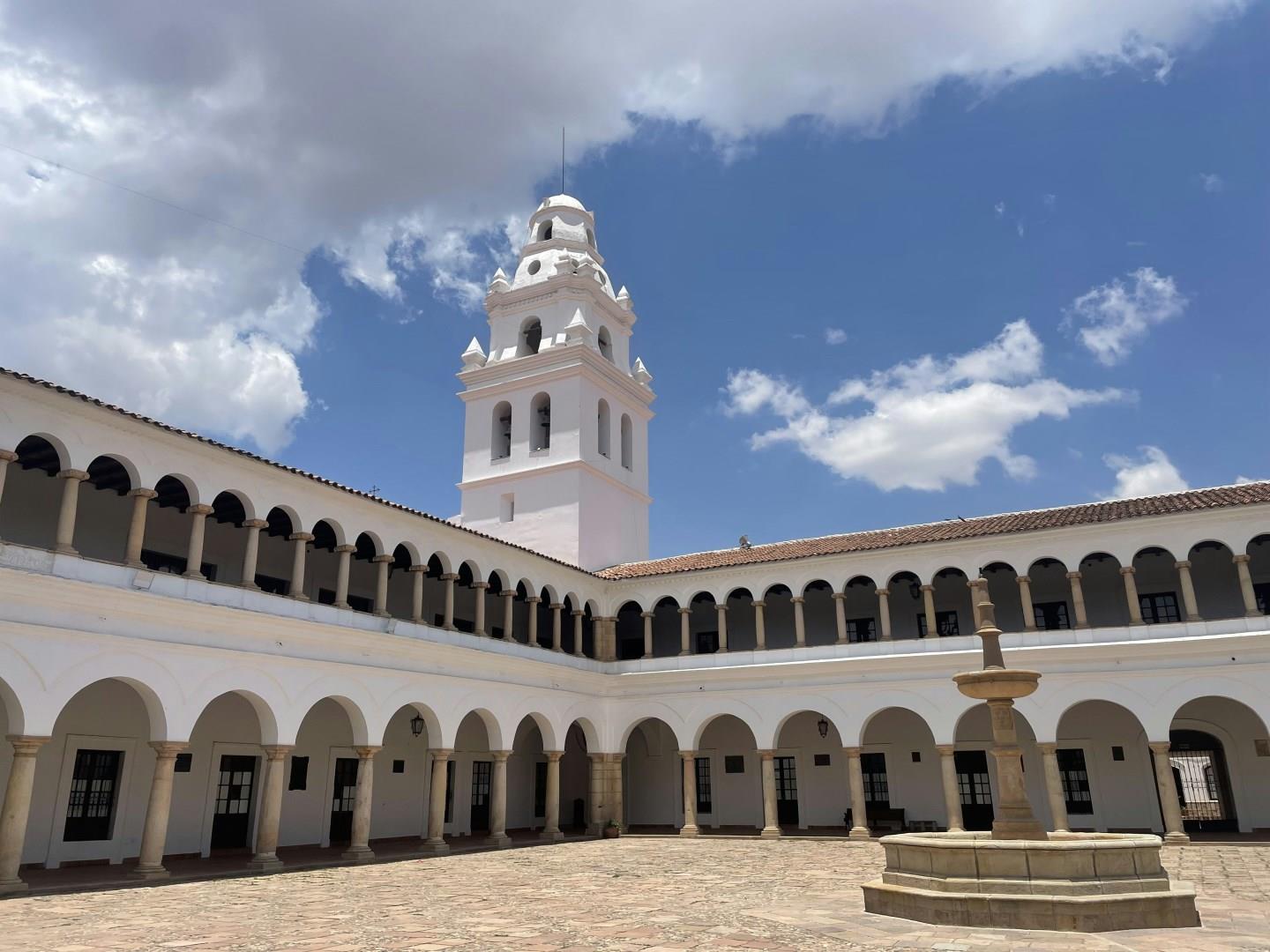
Sucre
Sucre, Bolivia’s constitutional capital, is a city steeped in history and colonial charm. Founded in the 16th century by the Spanish, it played a pivotal role in South America’s independence movements, earning its place as the birthplace of the Bolivian Republic.
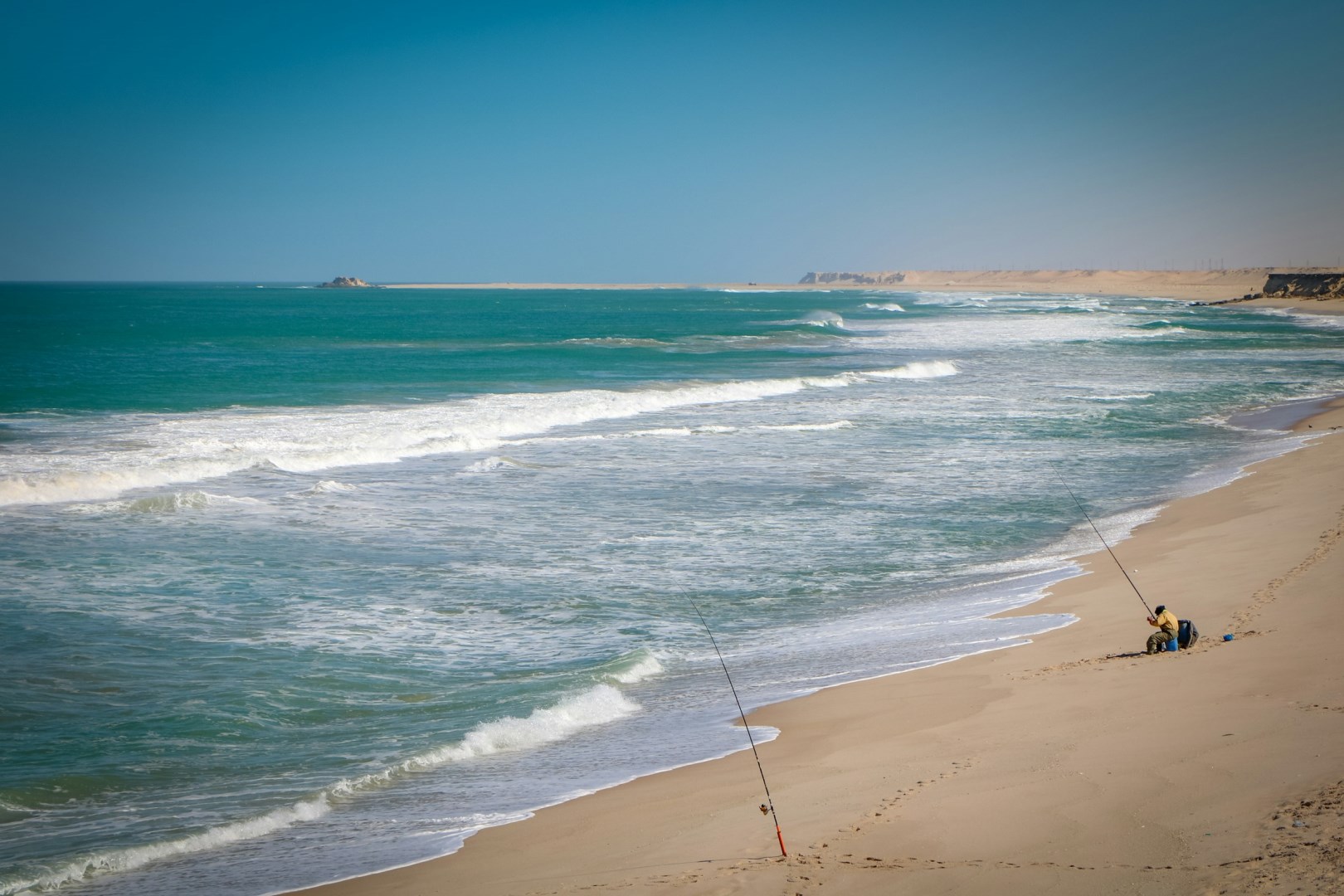
Dakhla
Dakhla is a coastal city in Morocco’s far southwest, situated on a narrow peninsula that extends into a large Atlantic lagoon. Its setting creates a striking contrast between the dry desert landscape inland and the sheltered blue waters along the coast. Dakhla is an important regional centre for fishing, commerce, and transport, while its lagoon has made the city increasingly known for water sports.
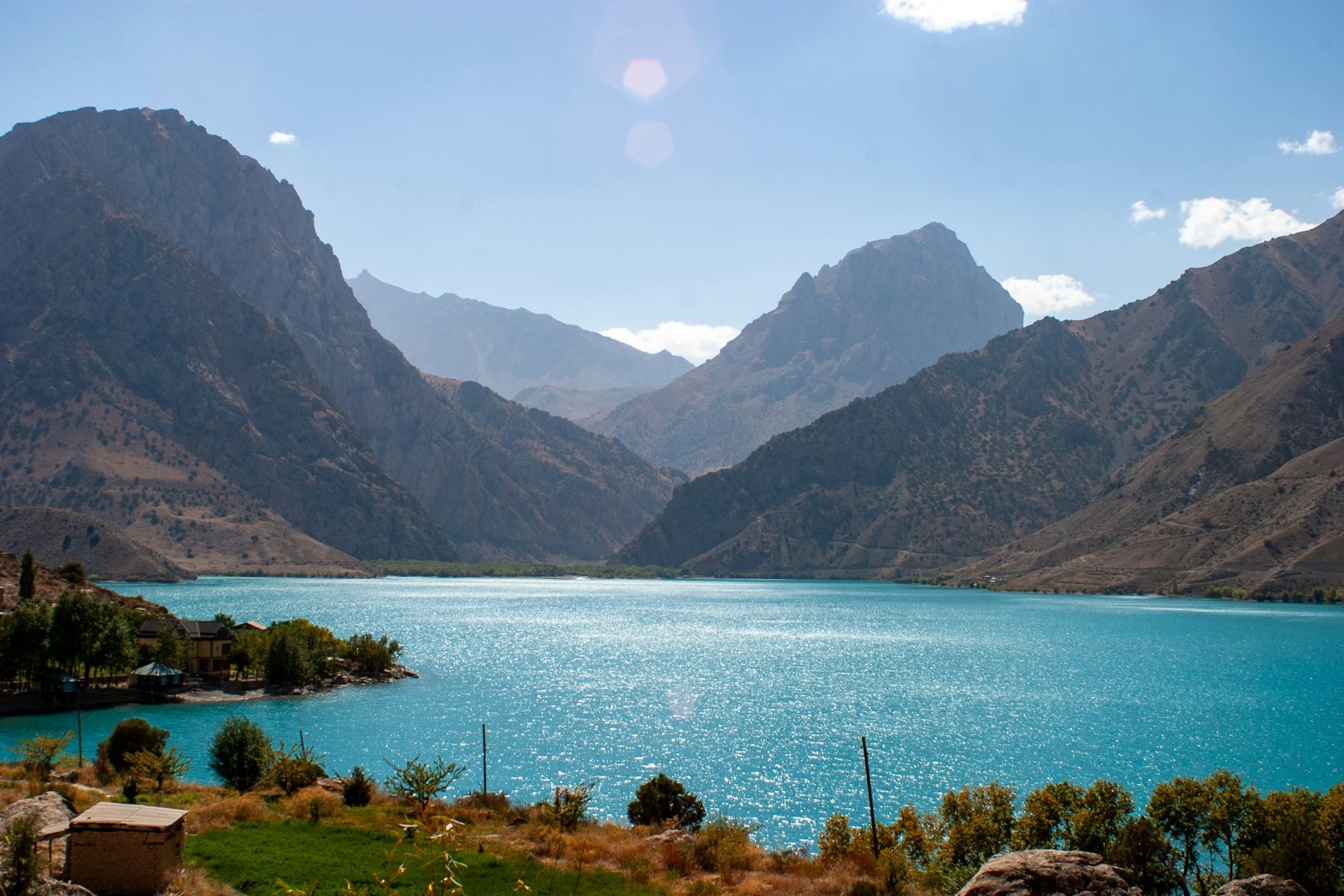
Iskanderkul Lake
Iskanderkul is a mountain lake in western Tajikistan, set in the Fann Mountains of the Sughd Region. The lake occupies a deep basin surrounded by steep, rocky slopes and high peaks, with sparse vegetation covering much of the surrounding terrain. Its waters are fed by mountain streams and drain through the Iskanderdarya River. The lake is named after Alexander the Great, who is associated with several legends connected to the area.
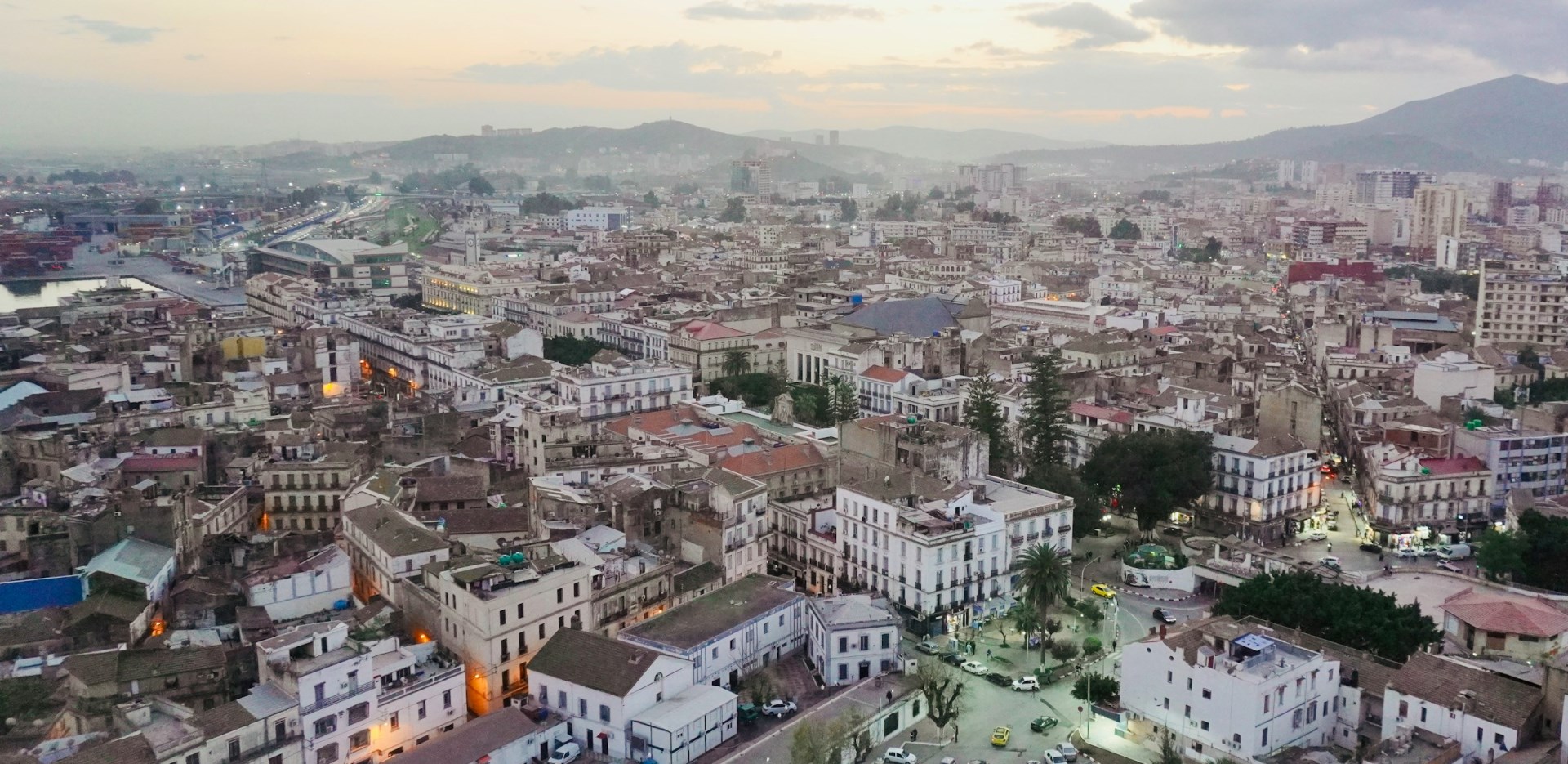
Annaba
Annaba is a coastal city in northeastern Algeria, set along the Mediterranean near the forested hills of the Edough Mountains. Its identity combines a working port, sandy beaches, historic neighborhoods, and the archaeological remains of ancient Hippo Regius. The city is also closely associated with Saint Augustine, who served as bishop of Hippo, giving Annaba an important place in the religious and intellectual history of North Africa.
