
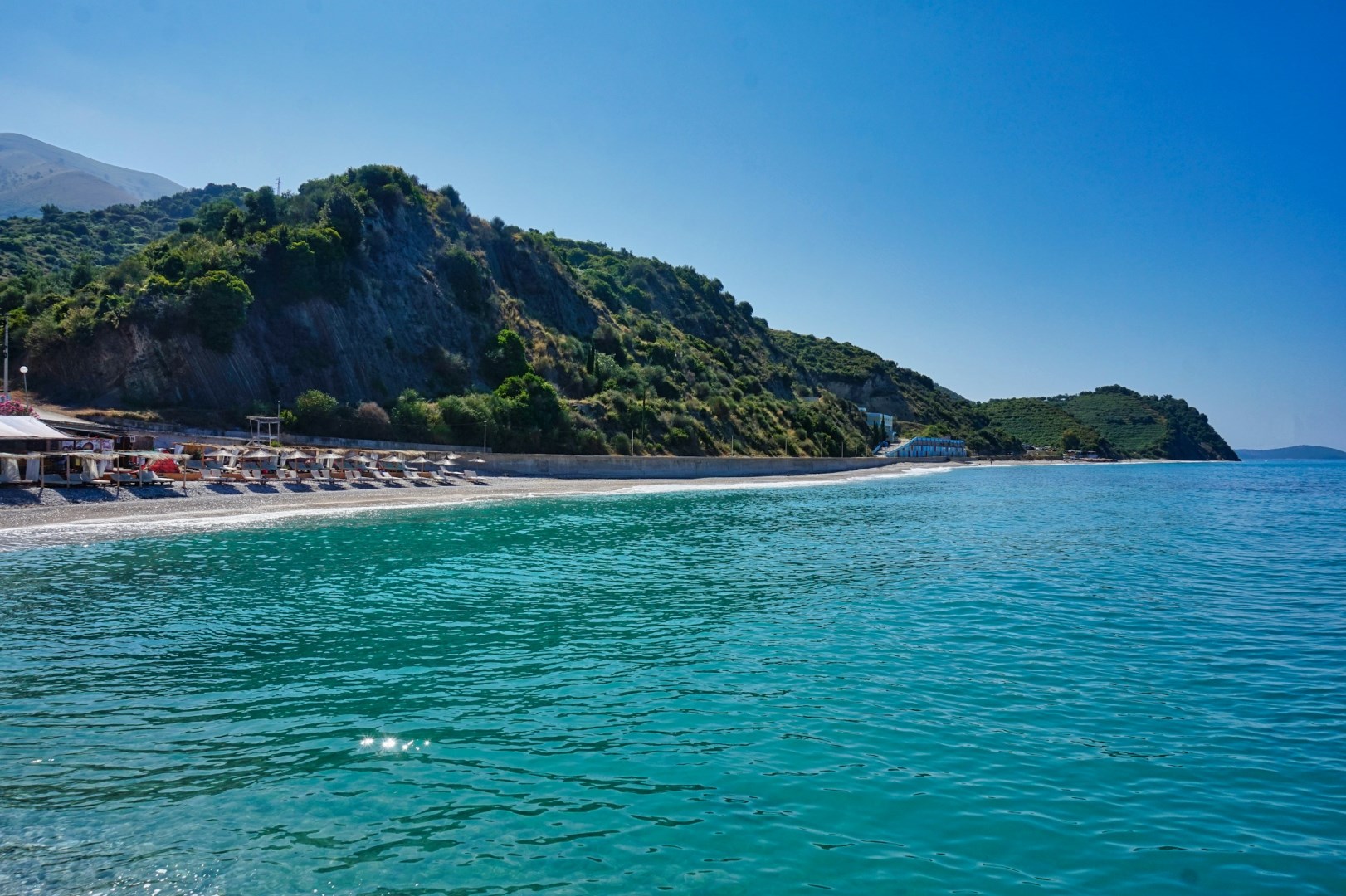
Albanian Riviera
The Albanian Riviera is a stretch of Ionian coastline in southern Albania, extending from the Llogara area toward Sarandë and including coastal settlements such as Palasë, Dhërmi, Vuno, Himarë, Qeparo, Borsh, and Lukovë. The landscape combines steep mountain slopes with rocky coves, sandy and pebble beaches, olive groves, and clear coastal waters.

Dominica
Dominica, known as the “Nature Island of the Caribbean,” is a haven for eco-tourists and adventure seekers. Nestled between the French islands of Guadeloupe and Martinique, this lush island boasts a remarkable landscape of volcanic mountains, dense rainforests, and stunning waterfalls. Dominica’s most iconic natural wonder is the Boiling Lake, the second-largest hot spring in the world.
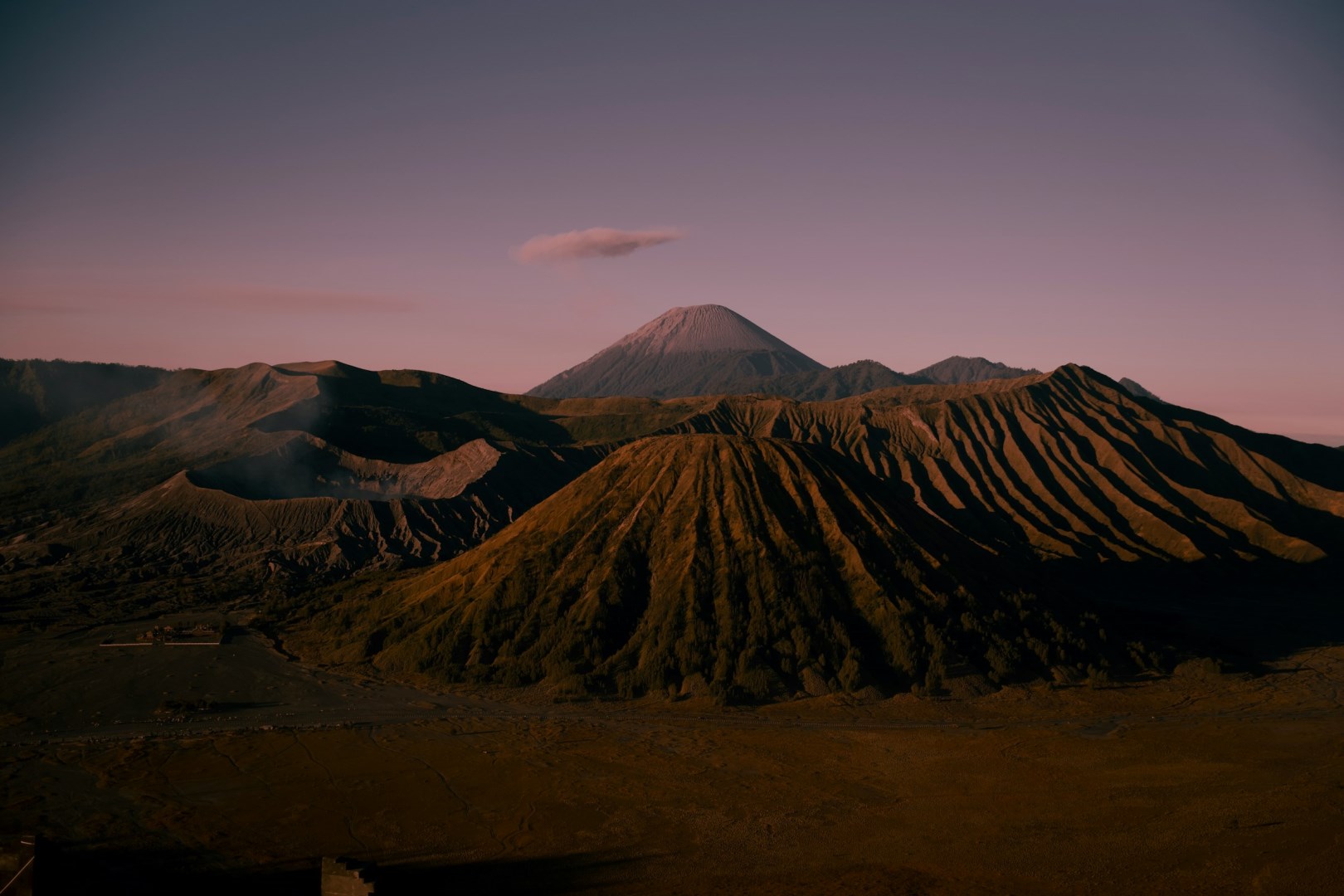
Mount Bromo
Mount Bromo is an active volcano in East Java, located within Bromo Tengger Semeru National Park. Rising to 2,392 meters, it stands inside a vast volcanic caldera surrounded by the Tengger Sea of Sand and several other volcanic peaks. The mountain is part of one of Java’s most distinctive highland landscapes, where dark volcanic terrain contrasts with green hills and open savanna.
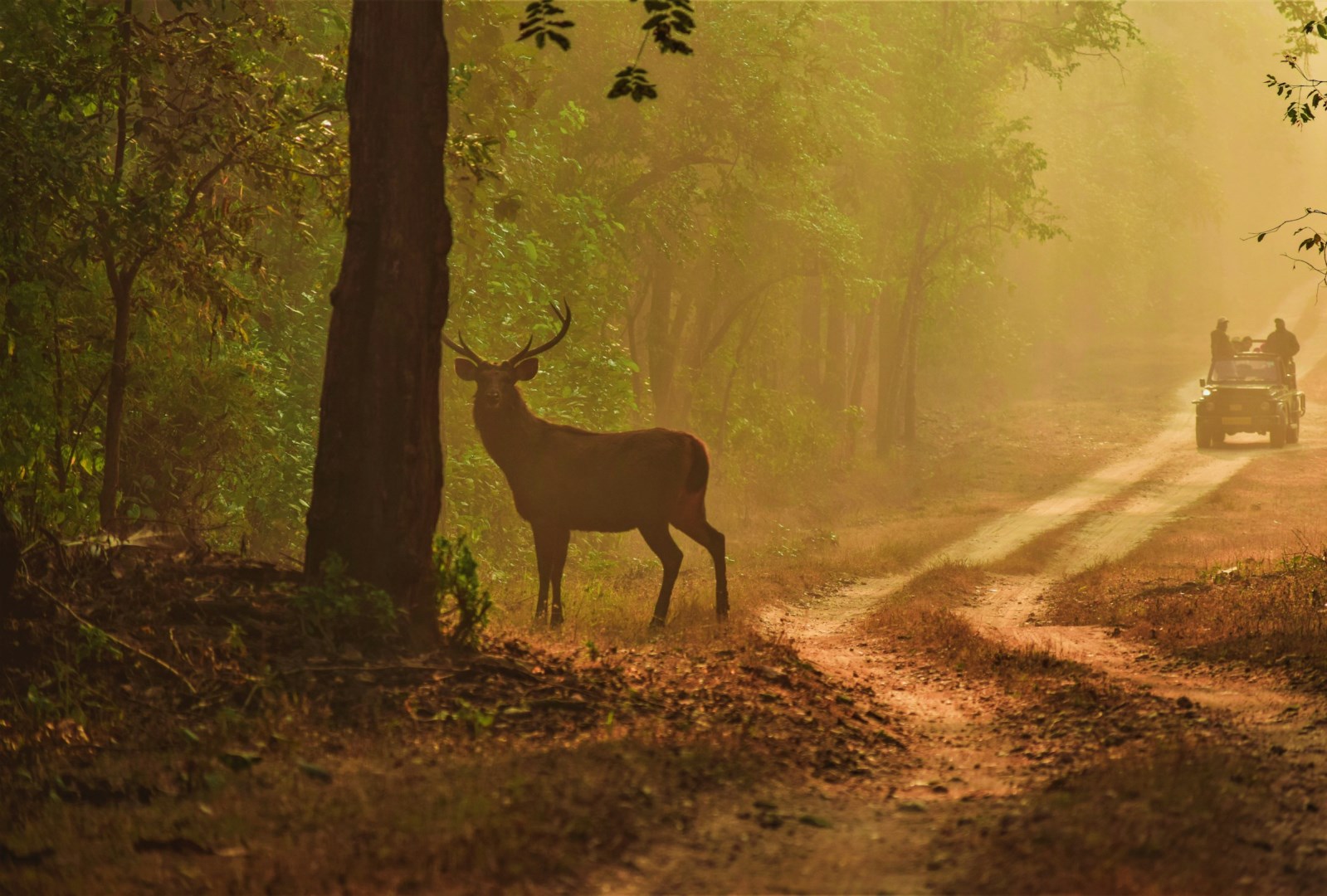
Kanha Tiger Reserve
Kanha Tiger Reserve lies in the Maikal ranges of the Satpura hills in Madhya Pradesh, extending across the districts of Mandla and Balaghat. The reserve is known for its broad sal forests, bamboo groves, open meadows, streams, and diverse wildlife. The national park covers about 940 square kilometres within the larger tiger reserve. Bengal tigers are a major attraction, but Kanha is equally significant for its population of hard-ground barasingha, a subspecies of swamp deer that became closely a
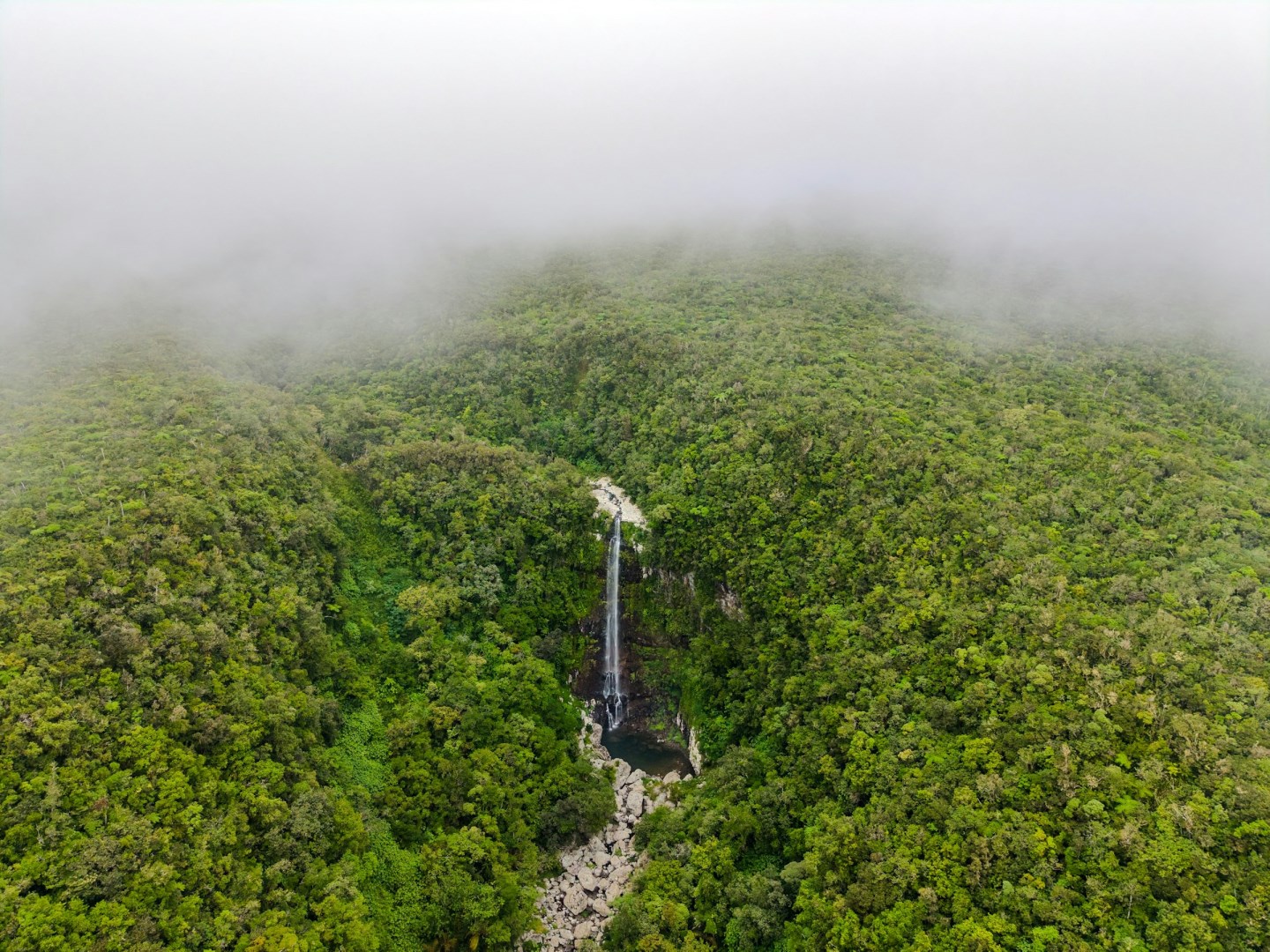
Sainte-Suzanne
Sainte-Suzanne is a commune on the northeastern coast of Réunion, a French island in the southwestern Indian Ocean.
