
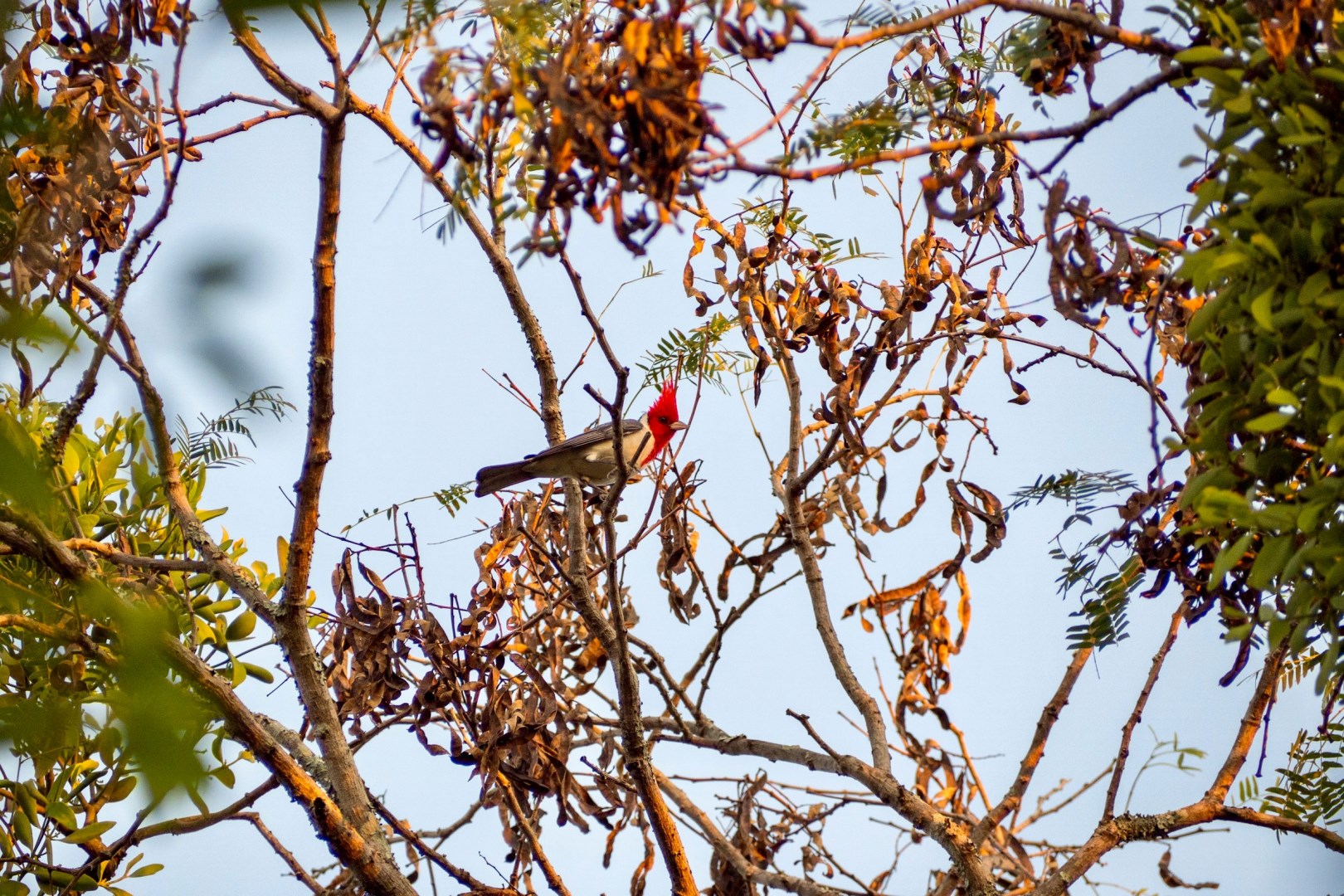
Paraguay
Paraguay is a country that moves to its own rhythm. Landlocked and often overlooked, it’s one of South America’s most culturally distinct destinations. With two official languages, Spanish and Guaraní, and a strong Indigenous heritage, Paraguay offers a travel experience shaped more by tradition than by trend. For travelers drawn to wild, open landscapes, Paraguay offers two distinct ecosystems: the lush, river-fed east and the remote, dry Chaco in the west.
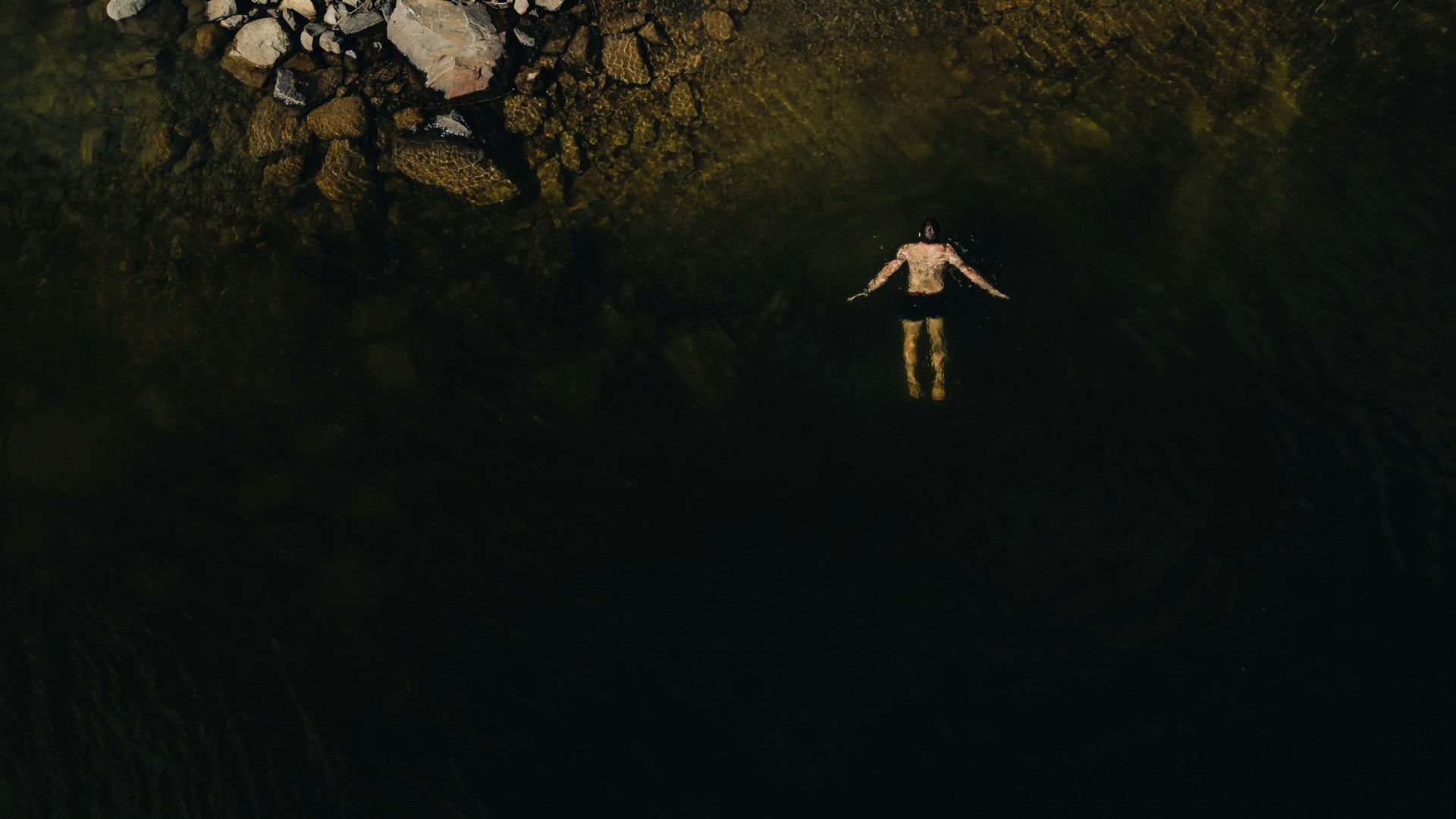
Yellowknife
Yellowknife is the capital of the Northwest Territories, set on the rocky northern shore of Great Slave Lake amid the forests and exposed Canadian Shield of the subarctic. The city developed around gold mining and later became the territorial centre for government, commerce, transportation, and northern services. Today, Yellowknife serves as a gateway to the wider Northwest Territories and the Canadian Arctic. Its location beneath the auroral oval makes the northern lights a defining feature.
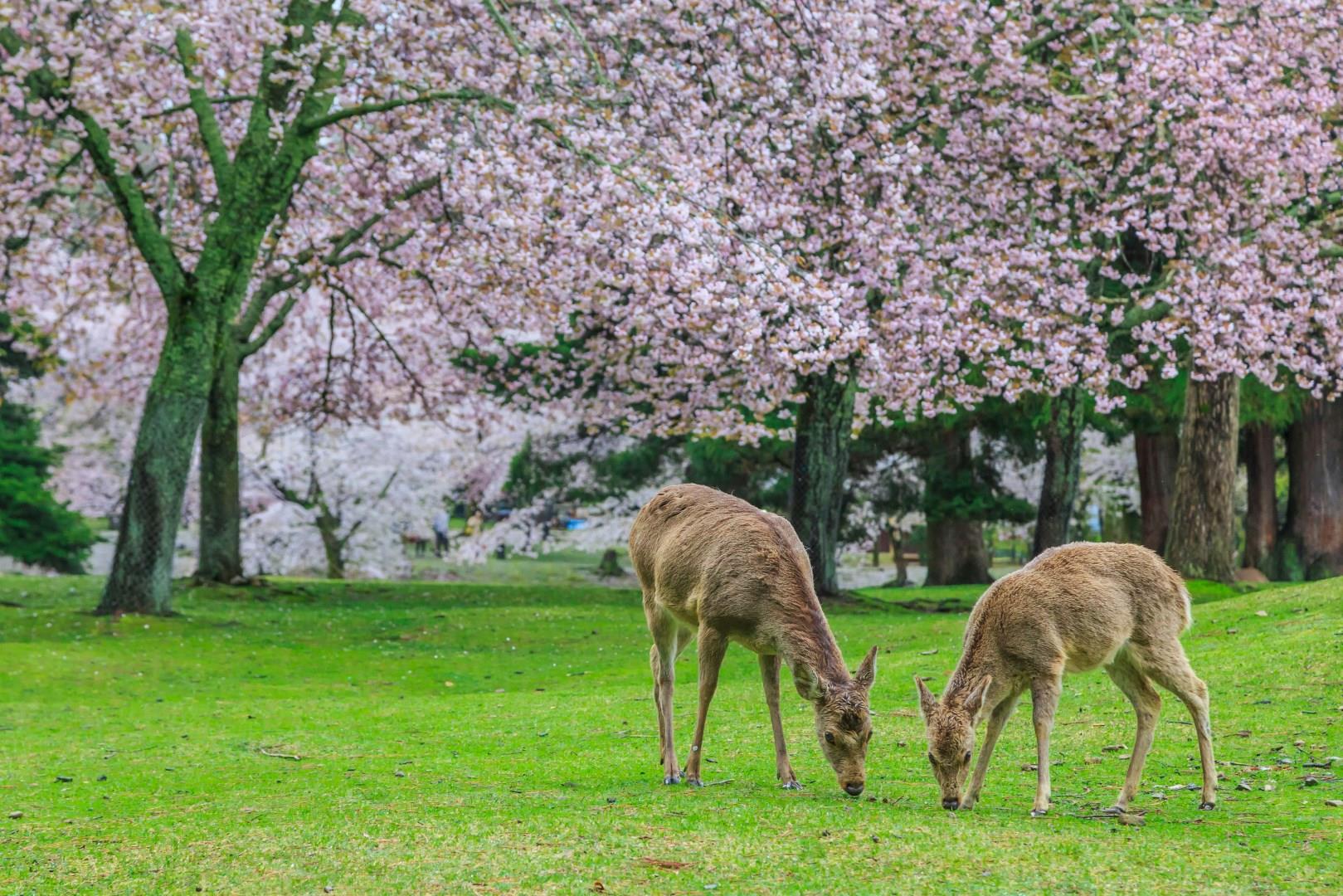
Nara
Nara, located in Japan’s Kansai region, is a city where ancient history and serene landscapes coexist. As the country’s first permanent capital, it preserves a wealth of historic sites that reflect its significance during the Nara period.
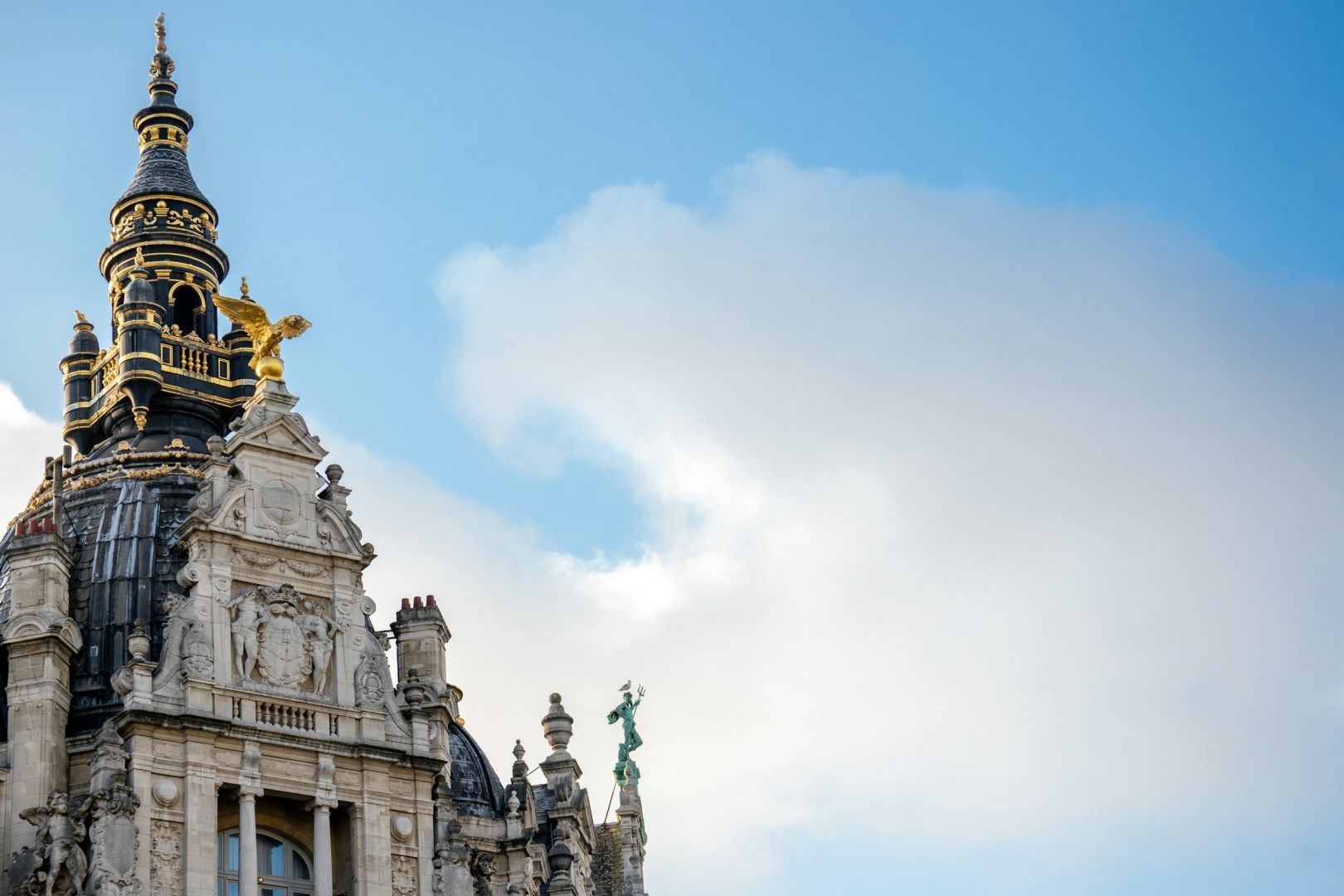
Antwerp
A major port city on the River Scheldt, Antwerp, Belgium, is a cultural, historical, and commercial hub and the country's most populous city. Known as the "diamond capital of the world," Antwerp is renowned for its cut diamonds.
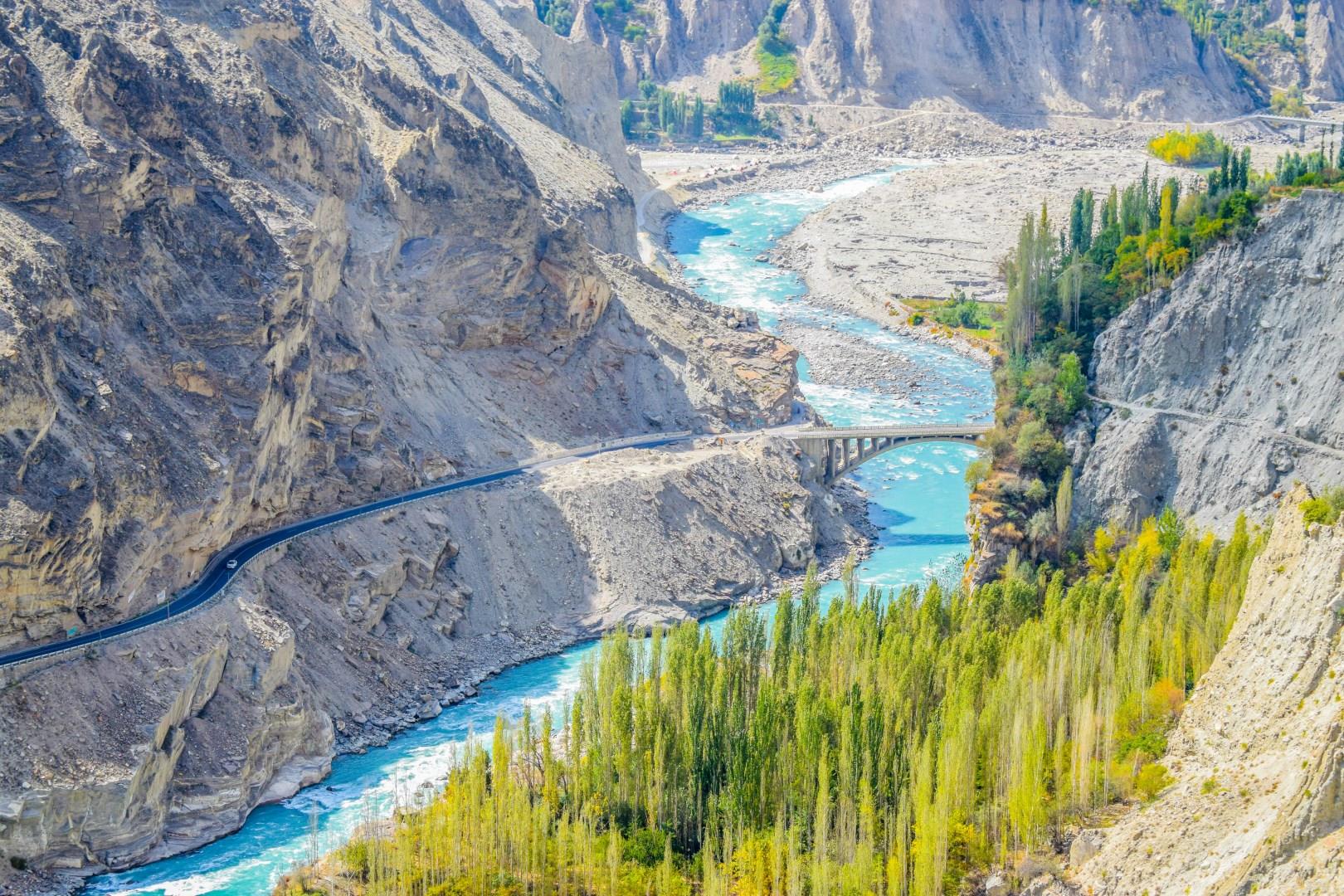
Pakistan
Pakistan is a country of remarkable diversity, combining mountains, deserts, rivers, and coastal areas. The northern regions feature some of the world’s highest peaks, including K2, while the southern plains are home to fertile agricultural land and the port city of Karachi.
