
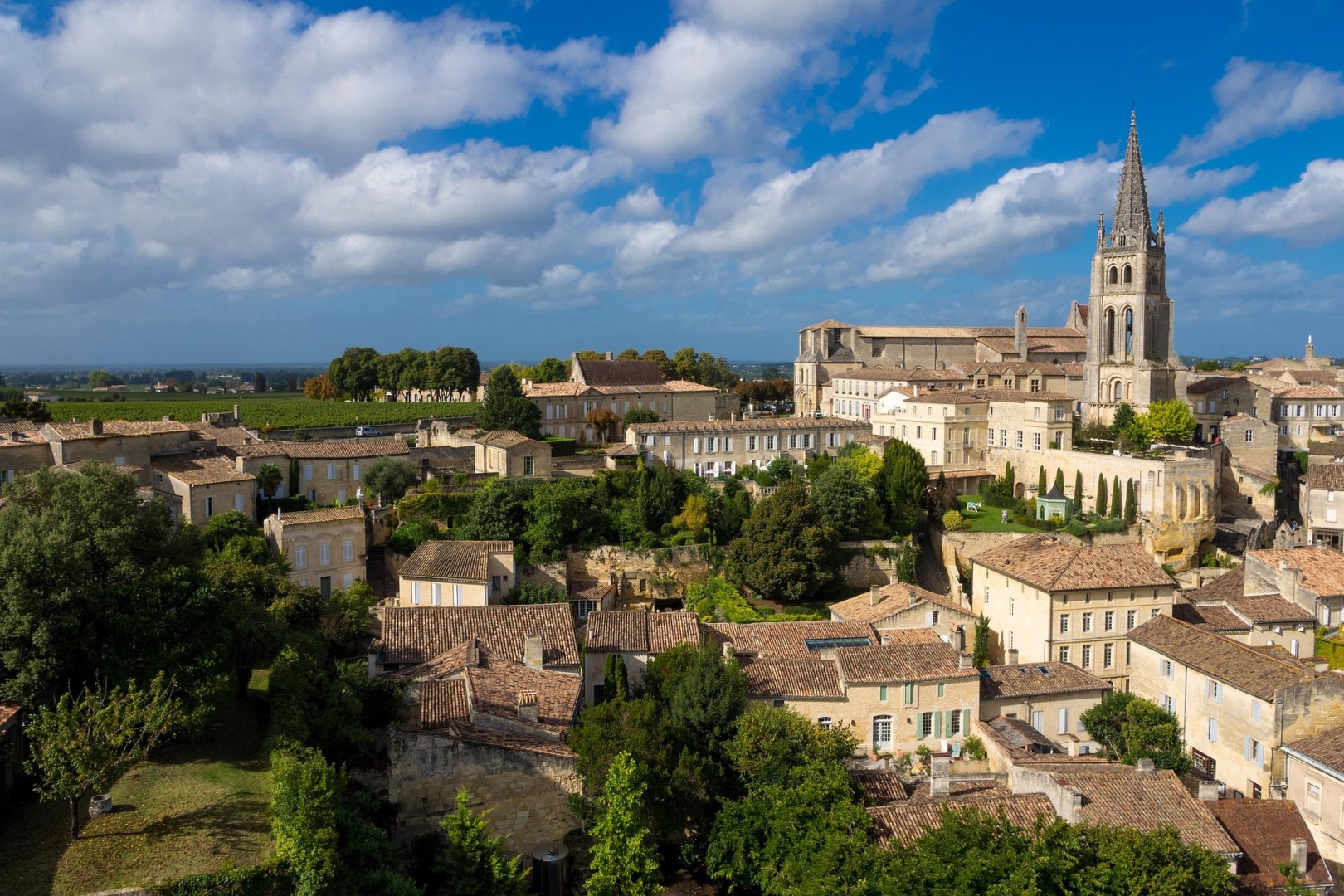
Saint-Émilion
Saint-Émilion, nestled in the heart of southwest France, is a living monument to centuries of craftsmanship, faith, and wine-making. Recognized as a UNESCO World Heritage Site since 1999, this medieval town sits on a limestone plateau surrounded by vineyards that date back to Roman times. Visitors can explore cobbled streets that wind past centuries-old stone houses, descend into underground catacombs carved by monks, and visit the astonishing Monolithic Church.
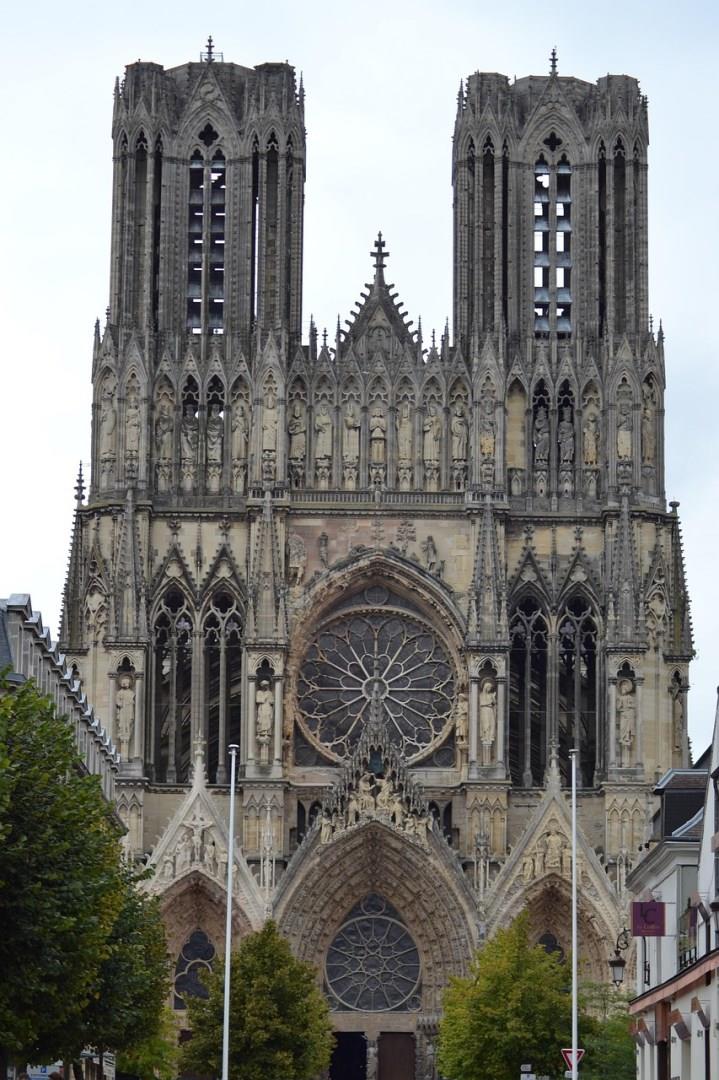
Reims
France’s city of Reims, located in the heart of the Champagne region, is a place where history and celebration meet. Known for its towering cathedral, Reims played a central role in French royal tradition. Nearly every French king was crowned at the Cathedral of Notre-Dame de Reims, a masterpiece of Gothic architecture that still dominates the skyline. The cathedral’s intricate facade and famous stained-glass window continue to draw visitors from around the world.
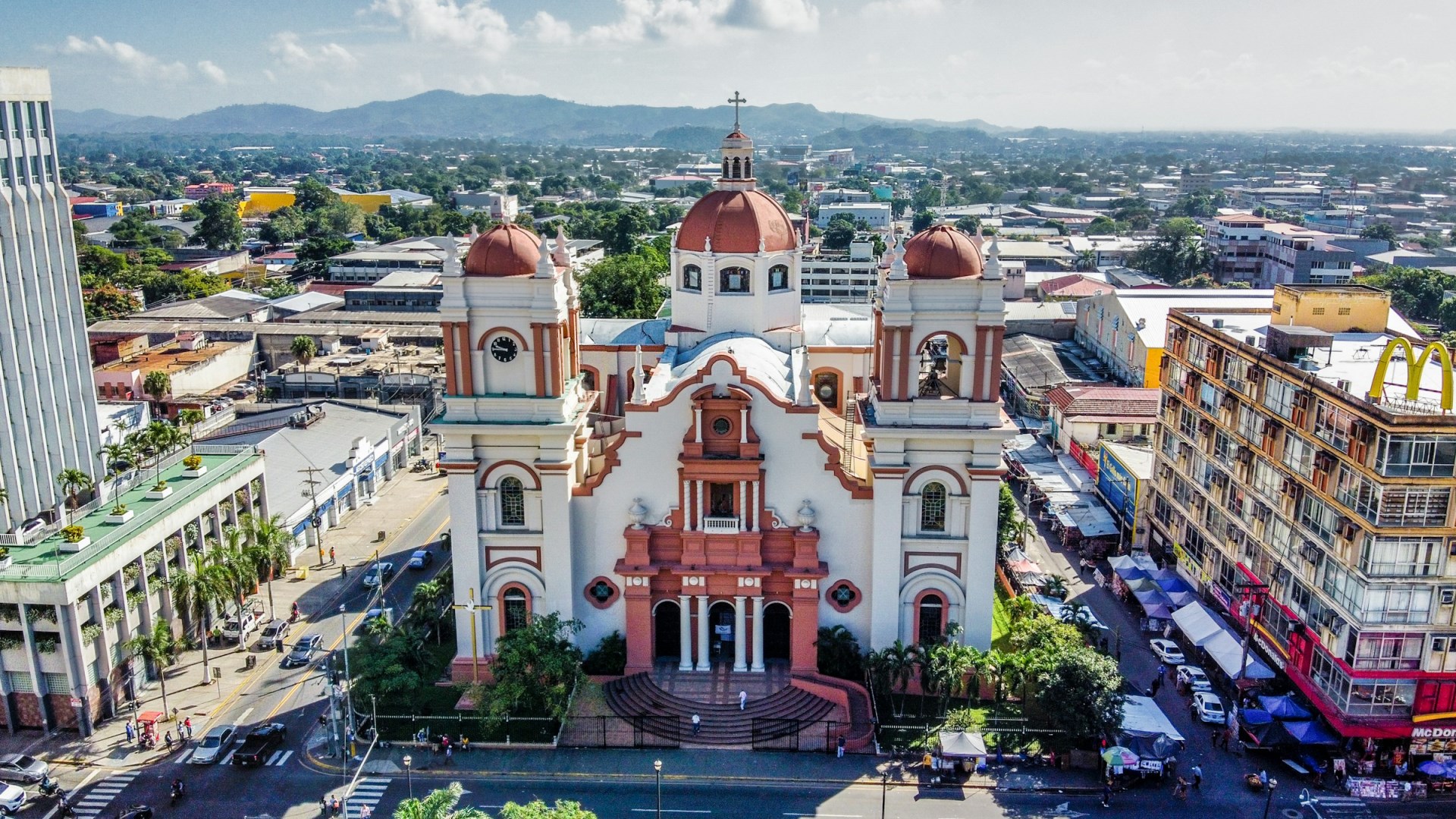
San Pedro Sula
While San Pedro Sula is the oldest city in Honduras, it doesn't show its age. Flat, with a tropical climate,the city prospers both as a commercial center and as a getaway to the Copan ruins and the Bay Islands. There is also a popular artisan market where you can buy silkscreen prints, primitive paintings, pottery, hammocks and wood sculptures.

Sossusvlei
Sossusvlei, located in the heart of the Namib Desert in Namibia, is a breathtaking destination that captivates travelers with its surreal landscapes and towering red sand dunes. The star attraction of Namib-Naukluft National Park, Sossusvlei is famous for its clay pans surrounded by some of the highest sand dunes in the world, some reaching heights of over 300 meters.
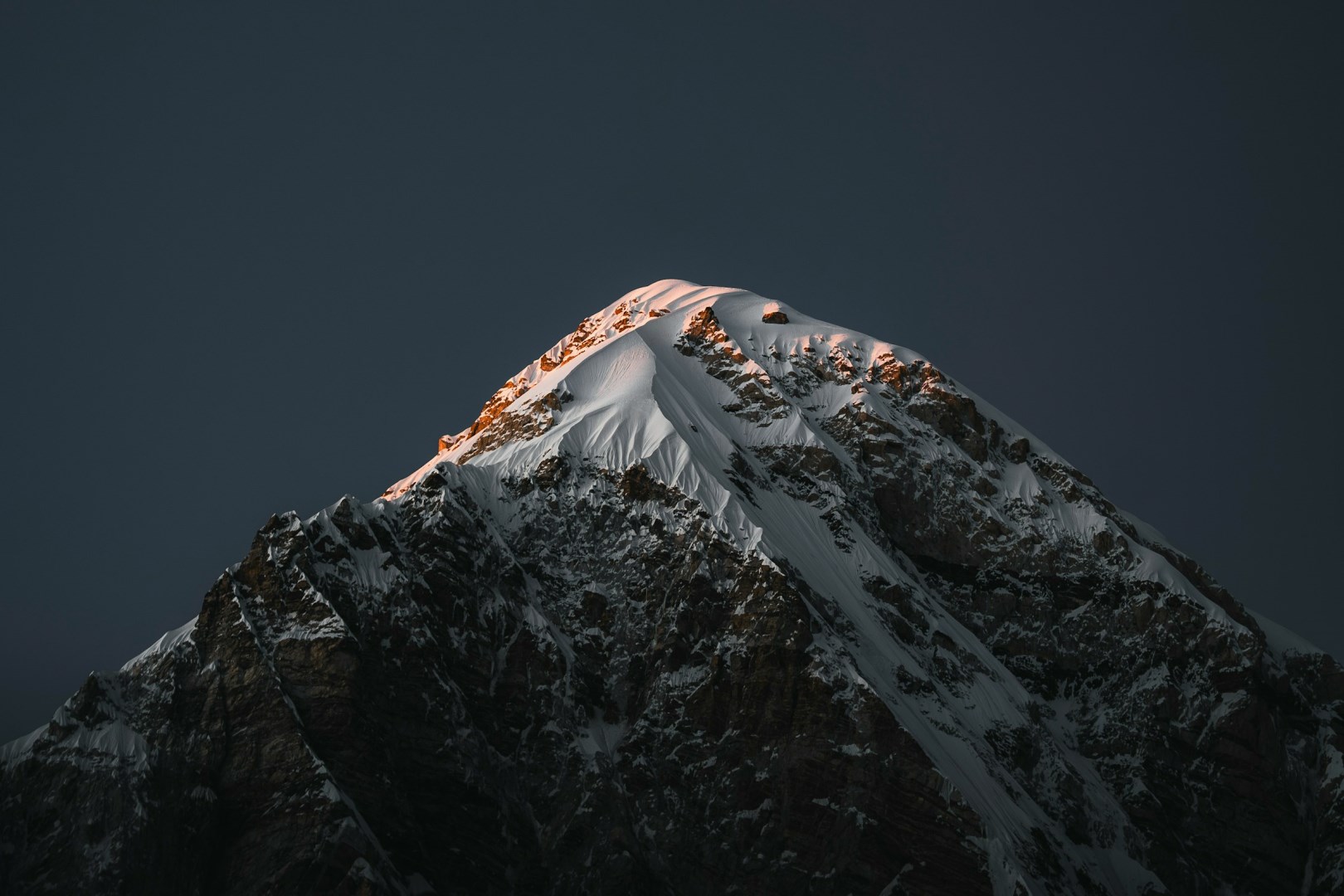
Himalayas
The Himalayas are a vast mountain system stretching across several countries in South Asia, forming a high natural barrier between the Indian subcontinent and the Tibetan Plateau. The range contains many of the world's highest peaks, including Mount Everest, and encompasses glaciers, deep valleys, high plateaus, forests, and alpine meadows.
