

Cuenca
Nestled in the Andes Mountains, Cuenca, Ecuador, is a city that seamlessly blends colonial charm, cultural richness, and natural beauty. Known as the “Athens of Ecuador” due to its vibrant intellectual and cultural life, Cuenca's historic center is a UNESCO World Heritage Site that delights visitors with its cobblestone streets, whitewashed buildings, and red-tiled roofs.
Djanet
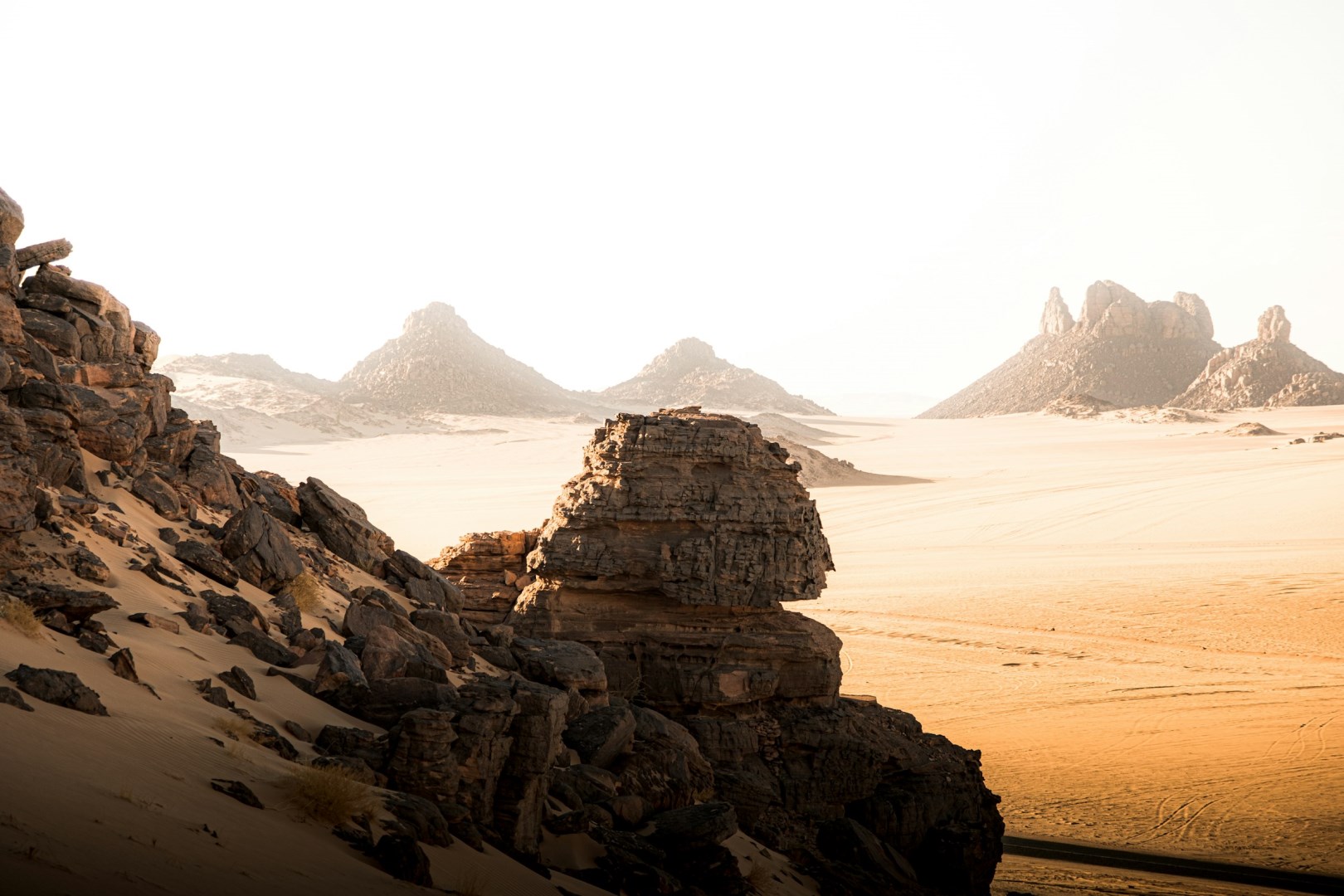
Djanet is a small oasis town in southeastern Algeria, situated in the Tassili n’Ajjer region near the border with Libya. It is surrounded by a vast desert landscape of sandstone plateaus, rocky valleys, and palm-filled oases. The town serves as an important gateway to the Tassili n’Ajjer, a UNESCO World Heritage site known for its unusual rock formations and extensive collection of prehistoric rock art.

Oman
Oman stands among the oldest independent states in the Arab world, with evidence of human habitation stretching back over 100,000 years. Its capital, Muscat, rises gently against limestone hills with no skyscrapers to interrupt its skyline. Visitors find broad avenues lined with stunning buildings leading to landmarks like the Sultan Qaboos Grand Mosque and the Royal Opera House, both offering glimpses into Omani artistry and modern elegance.

Kruger National Park
Kruger National Park, located in northeastern South Africa, is one of the world’s premier wildlife reserves and a cornerstone of African conservation. Established in 1898, it spans nearly 20,000 square kilometers, making it larger than many countries.
Piran
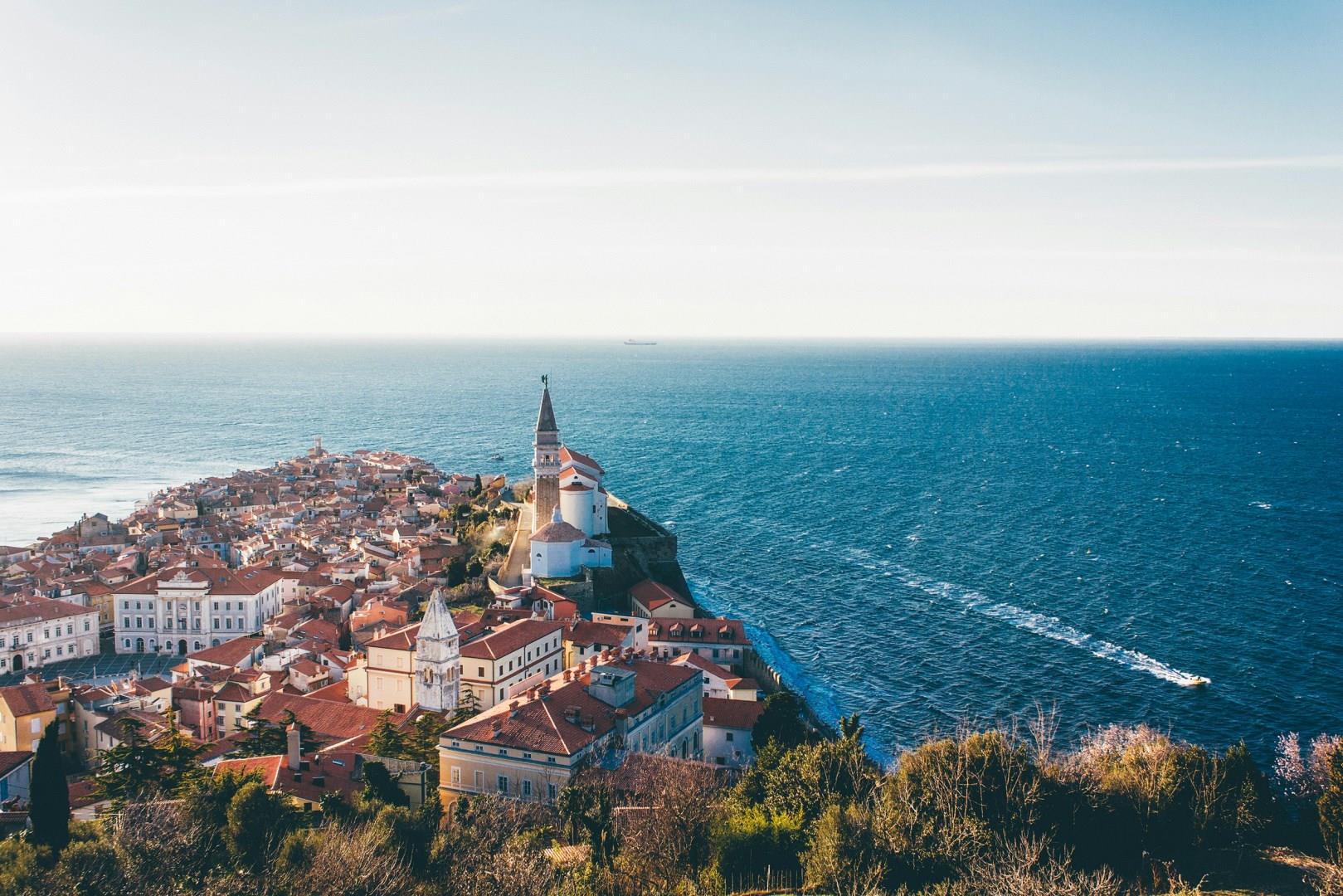
Piran, nestled along Slovenia's picturesque Adriatic coast, is a charming city that embodies a blend of medieval allure and seaside beauty. With its narrow, winding streets and well-preserved Venetian architecture, Piran offers a delightful glimpse into its rich history. A walk through Piran’s old town reveals its Venetian heritage, with charming piazzas, narrow alleys, and picturesque waterfronts.
