
Jim Corbett National Park
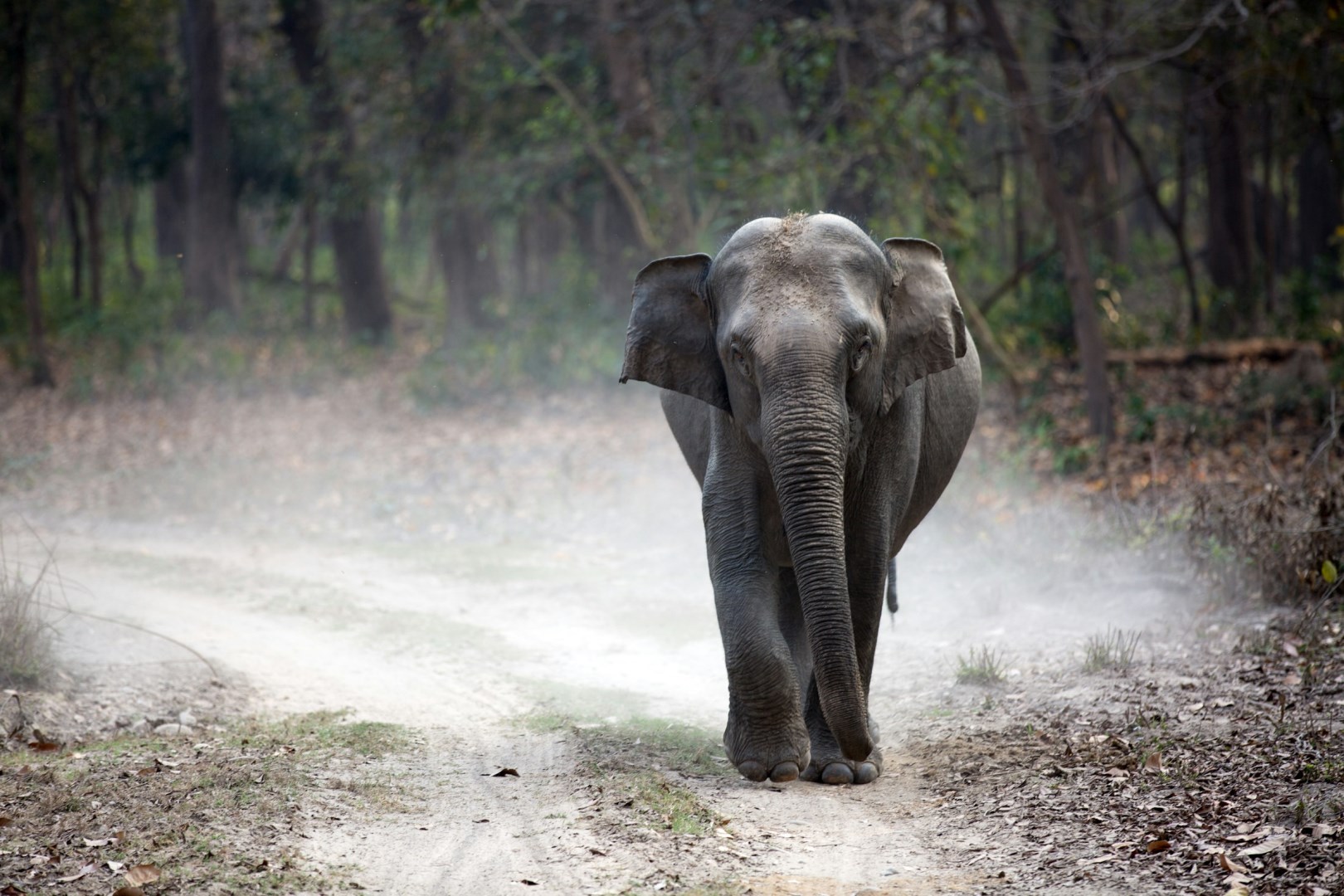
Jim Corbett National Park lies in the Himalayan foothills of Uttarakhand and forms the core of the wider Corbett Tiger Reserve. It is recognized as India’s first national park and is closely associated with the conservation of the Bengal tiger. The landscape combines sal forests, riverine grasslands, wooded hills, and wetlands, creating habitats for a wide range of wildlife. The reserve covers more than 1,280 square kilometres, while the national park itself occupies a smaller core area. Ramnaga
Upolu
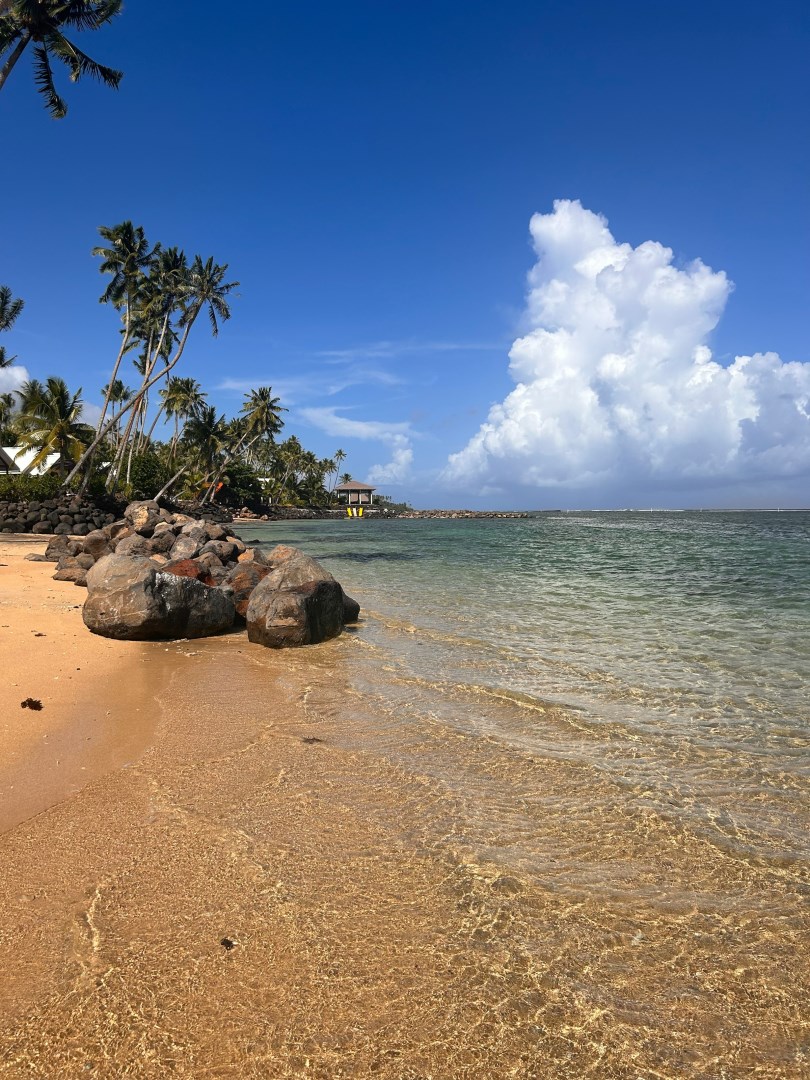
Upolu is the more populated of Samoa’s two main islands and is home to Apia, the country’s capital and principal urban center. The island stretches from volcanic mountains in the interior to a deeply indented coastline of bays, beaches, and coral reefs. Lush vegetation covers much of the landscape, with villages, plantations, and gardens occupying the lower slopes and coastal areas.
Portage Glacier
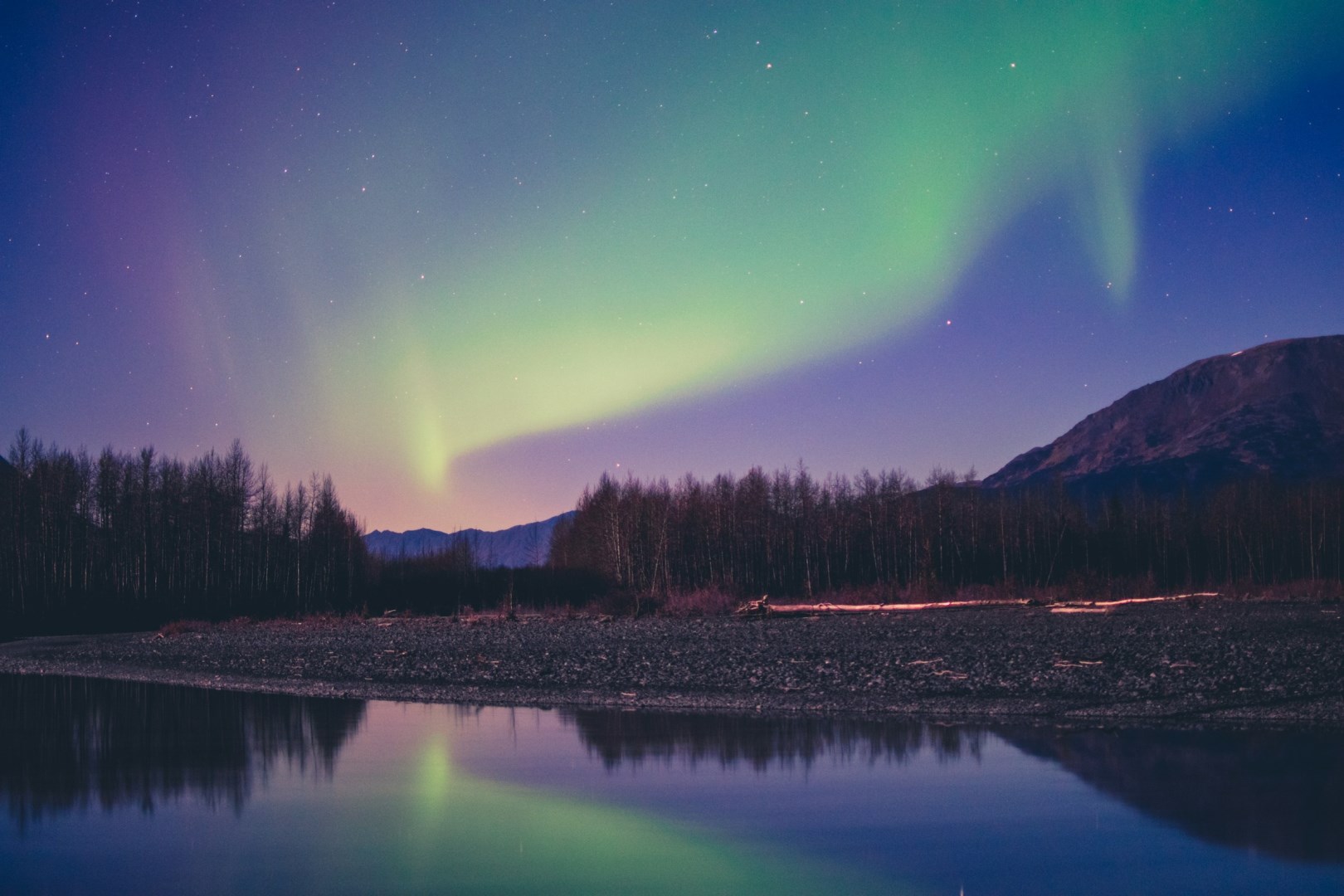
Portage Glacier, an hour's drive from Anchorage, is Alaska's most visited tourist attraction.
Spetses
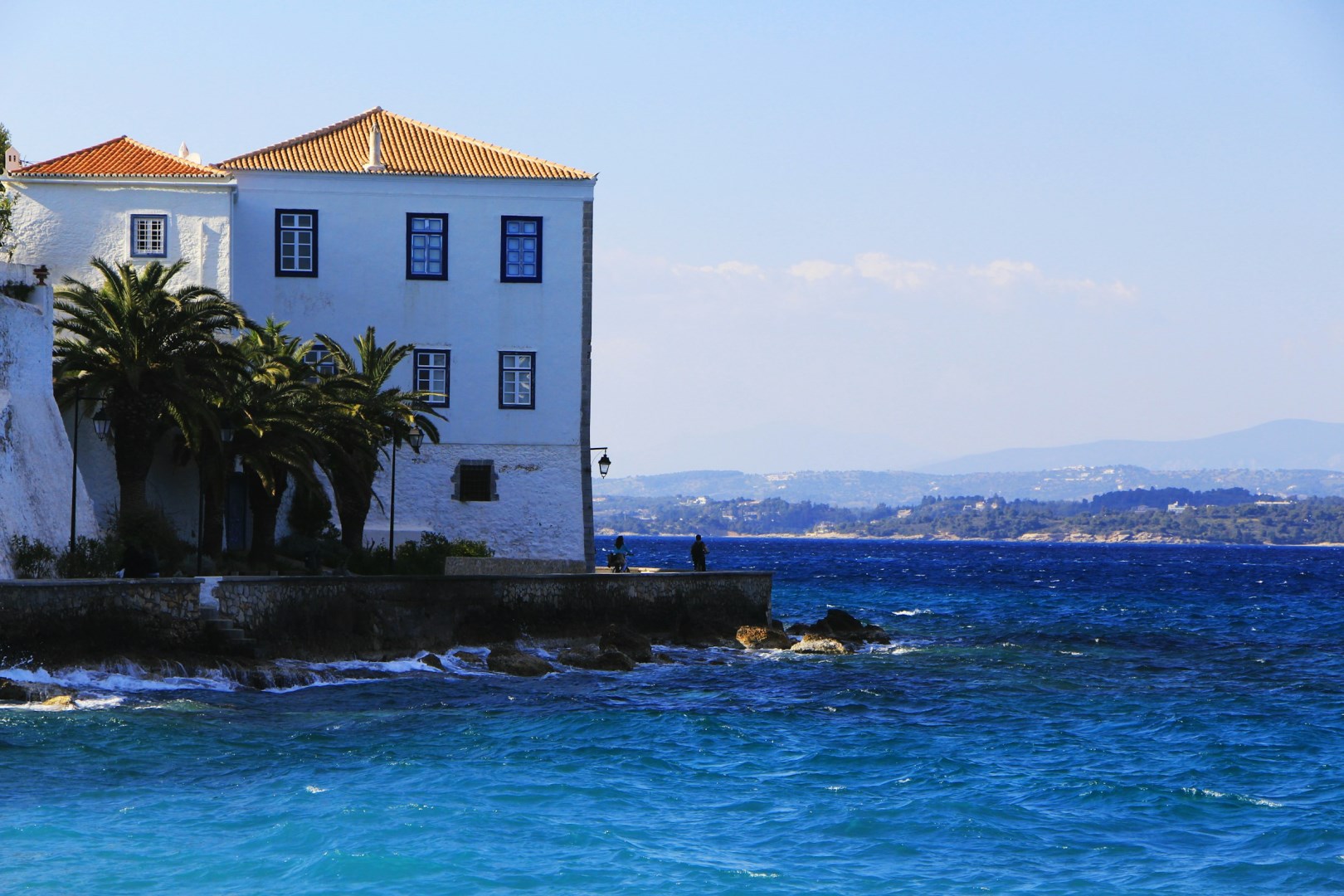
Spetses is a small island in the Saronic Gulf, separated from the Peloponnese by a narrow channel and known for its pine-covered hills, neoclassical houses, and maritime traditions. The main settlement, also called Spetses, curves around a sheltered harbor and waterfront promenade, with narrow streets extending into residential neighborhoods.
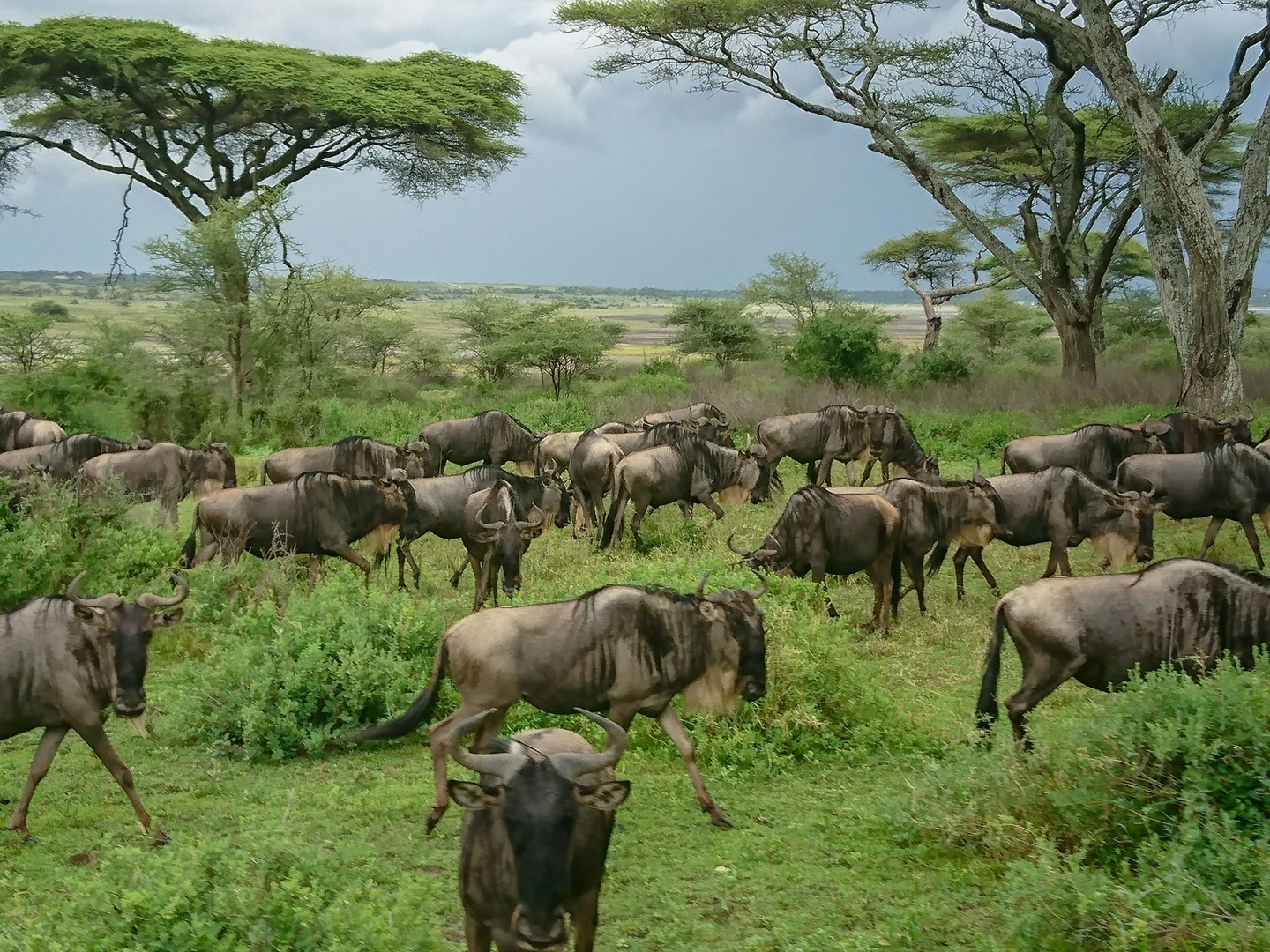
Ndutu Lake
Lake Ndutu is a shallow seasonal soda lake in northern Tanzania, within the Ngorongoro Conservation Area near the southern edge of the Serengeti ecosystem. The lake sits among open short-grass plains, acacia woodland, and other seasonal wetlands, creating a varied landscape for wildlife. Although relatively small, Lake Ndutu is part of a much larger ecological area where the plains of the southern Serengeti meet the Ngorongoro highlands.
