
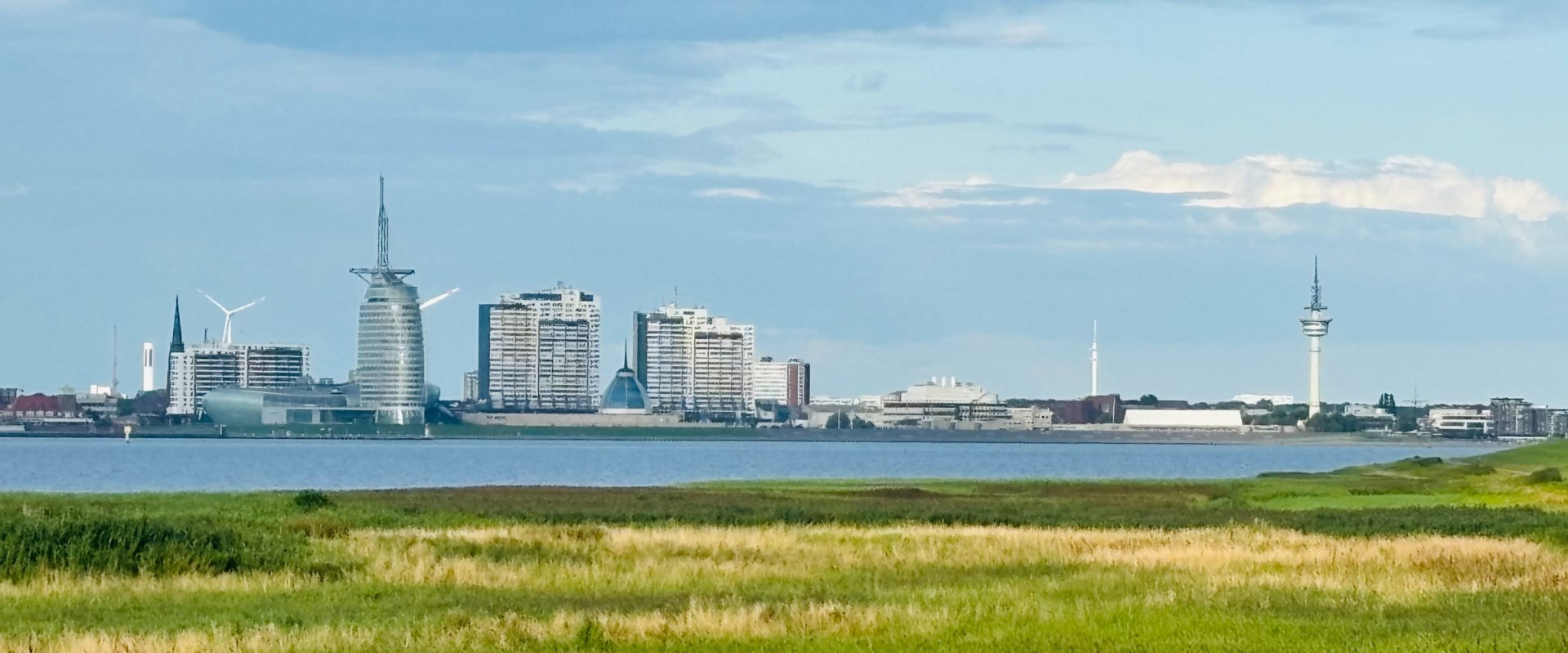
Bremerhaven
Bremerhaven, a port city on Germany’s North Sea coast, is known for its maritime heritage, bustling harbor, and cultural attractions. Founded in 1827 to serve as a gateway for Bremen’s shipping industry, it has grown into a major center for trade, logistics, and seafaring culture.

Yangshuo
Yangshuo lies along the Li River in southern China’s Guangxi region, long known for landscapes that have shaped Chinese art and poetry for centuries.
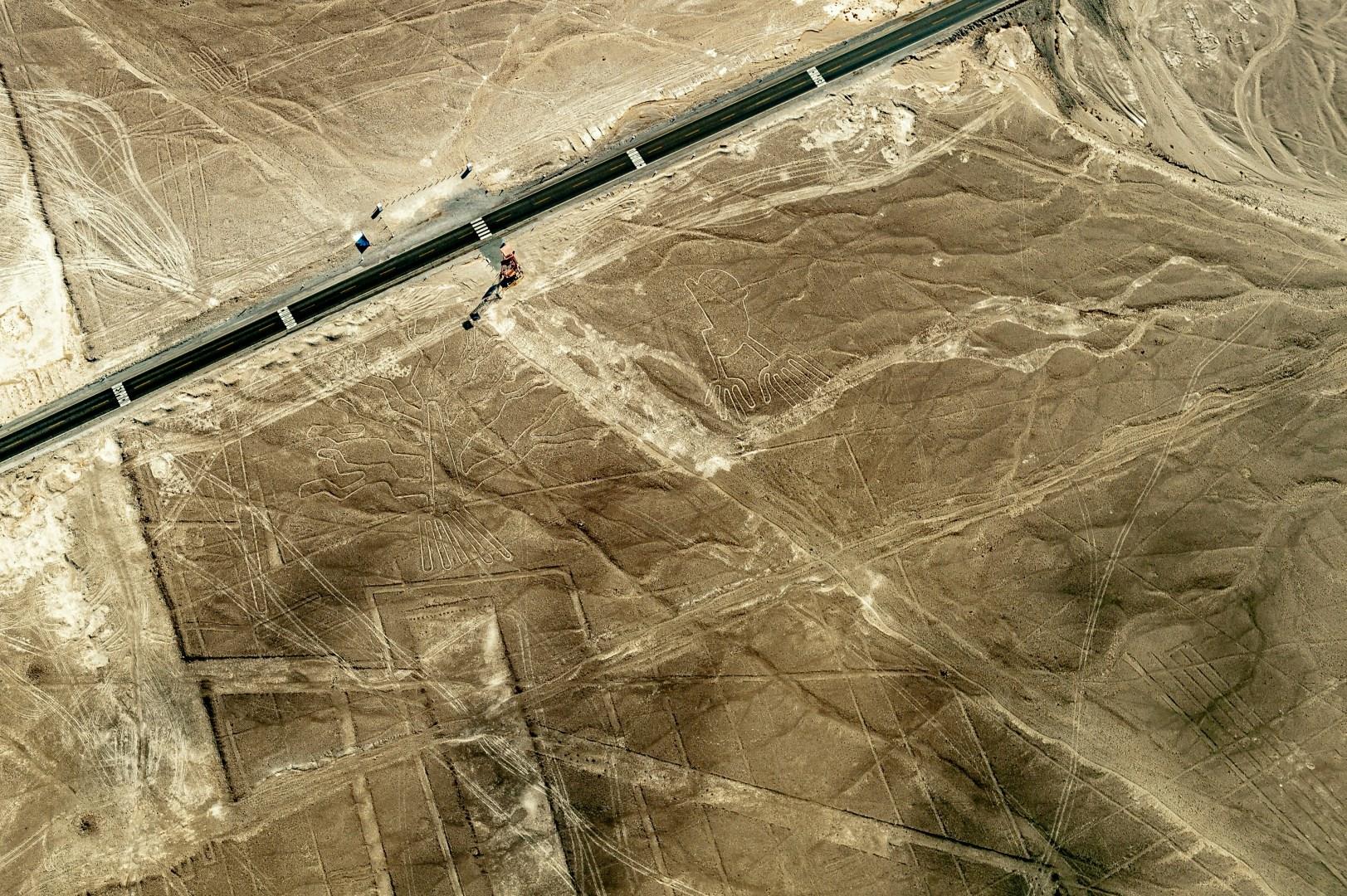
Nazca
In the southern deserts of Peru, Nazca invites visitors to look beyond the horizon. This small city is world-famous for the mysterious Nazca Lines, enormous geoglyphs etched into the desert floor more than 1,500 years ago. From the air, shapes like hummingbirds, monkeys, and even a stylized astronaut come into view, some stretching over 300 meters. Their exact purpose remains a mystery, fueling decades of theories.

Prince Edward Island
Located in the Gulf of St. Lawrence in southeastern Canada, Prince Edward Island has been nicknamed "The Garden of the Gulf." It was founded in 1534 by French Explorer Jacques Cartier and is primarily a fishing center and summer tourist destination.
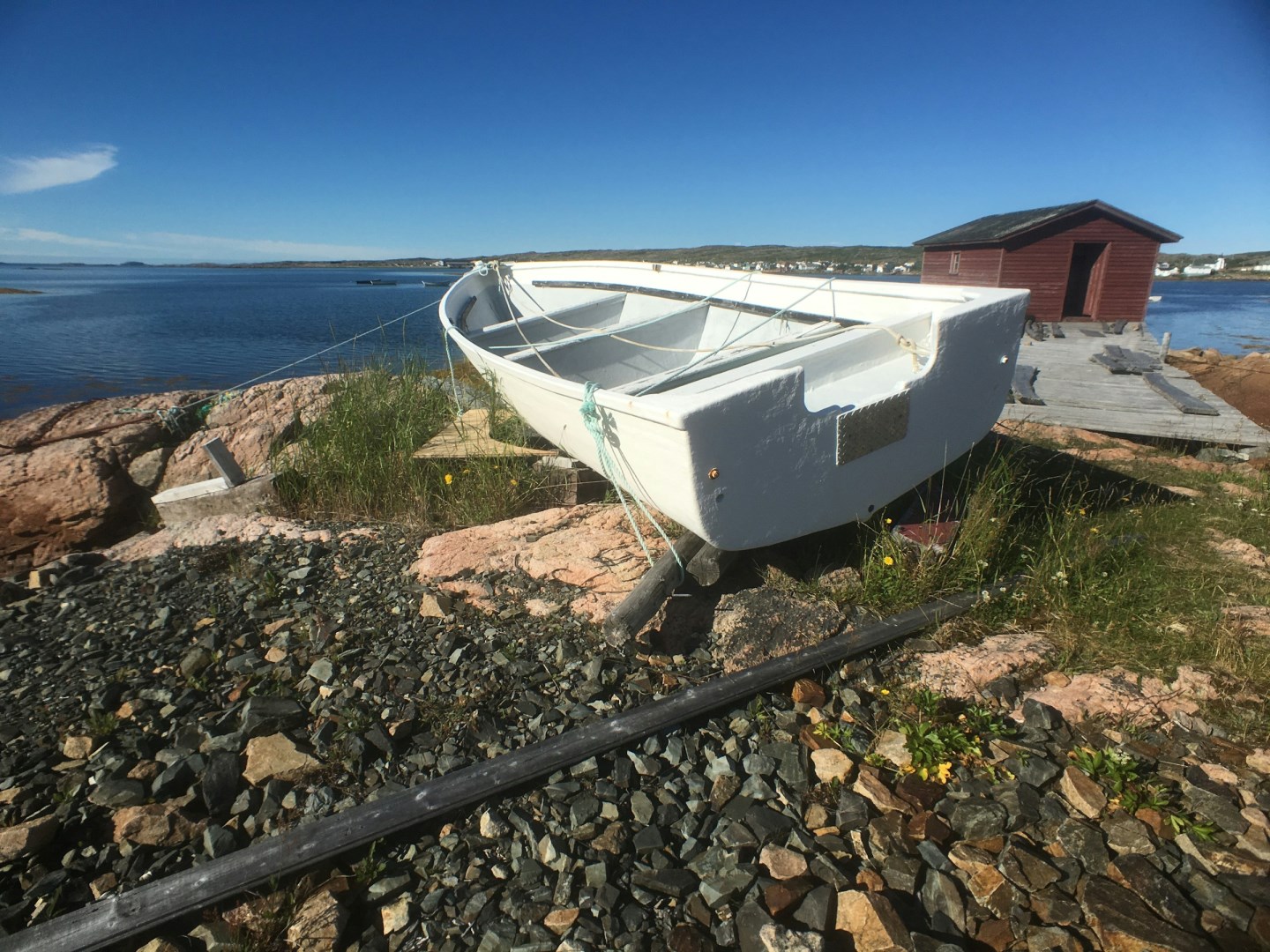
Fogo Island
Fogo Island is a large offshore island in Newfoundland and Labrador, set in the North Atlantic and reached by ferry from Farewell on Newfoundland’s northeast coast. Its landscape is defined by rocky headlands, small coves, rolling hills, exposed coastal trails, and scattered fishing communities. Eleven communities occupy the island, including Fogo, Joe Batt’s Arm, and Tilting, each with its own character and relationship to the sea.
