
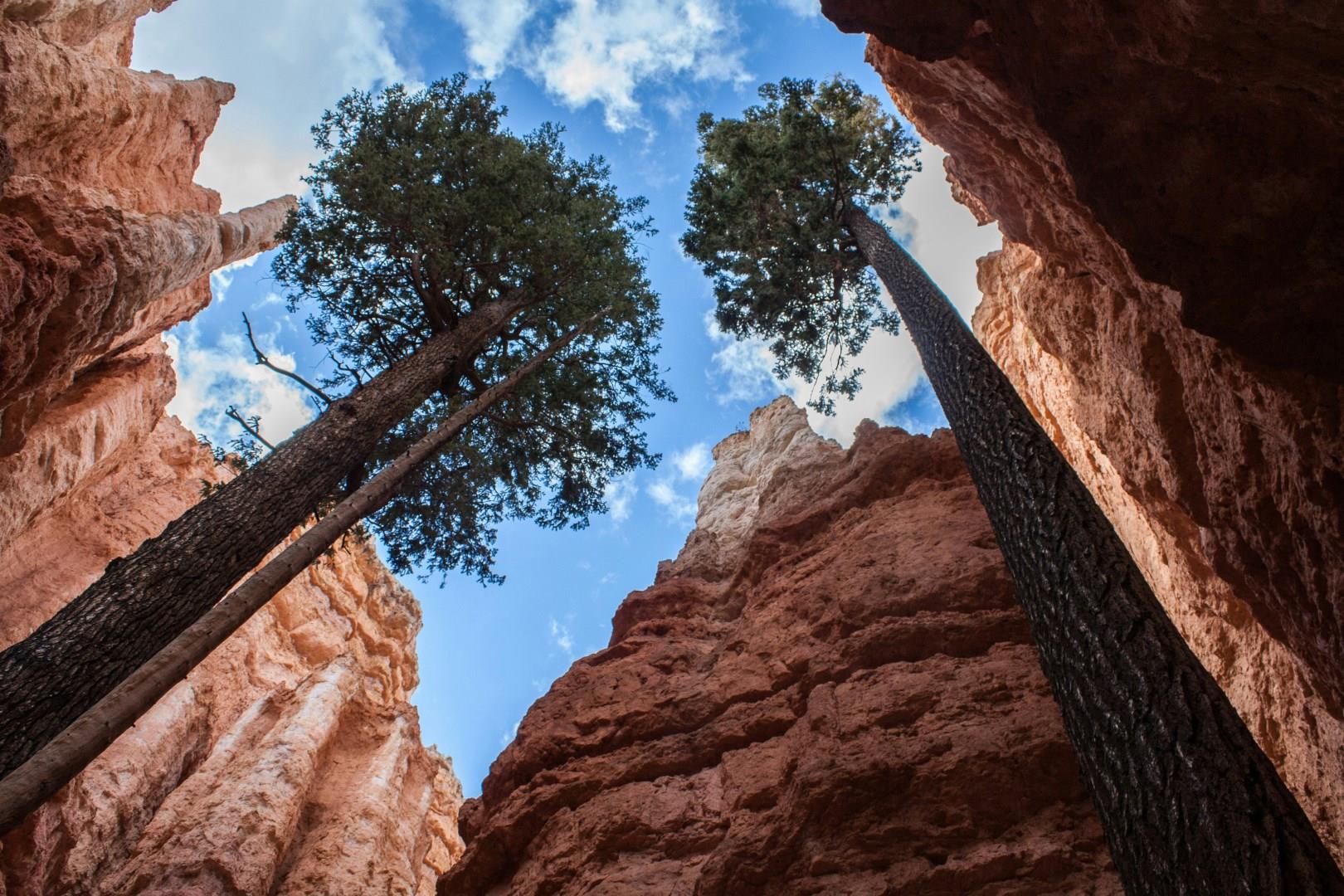
Bryce Canyon
Bryce Canyon, tucked into the high plateaus of southern Utah, offers one of the most unusual landscapes in the American Southwest. It’s not actually a canyon but a series of natural amphitheaters carved into the edge of the Paunsaugunt Plateau. What makes Bryce unique is its dense collection of hoodoos which are tall, thin spires of rock formed over millions of years by frost-wedging and erosion.
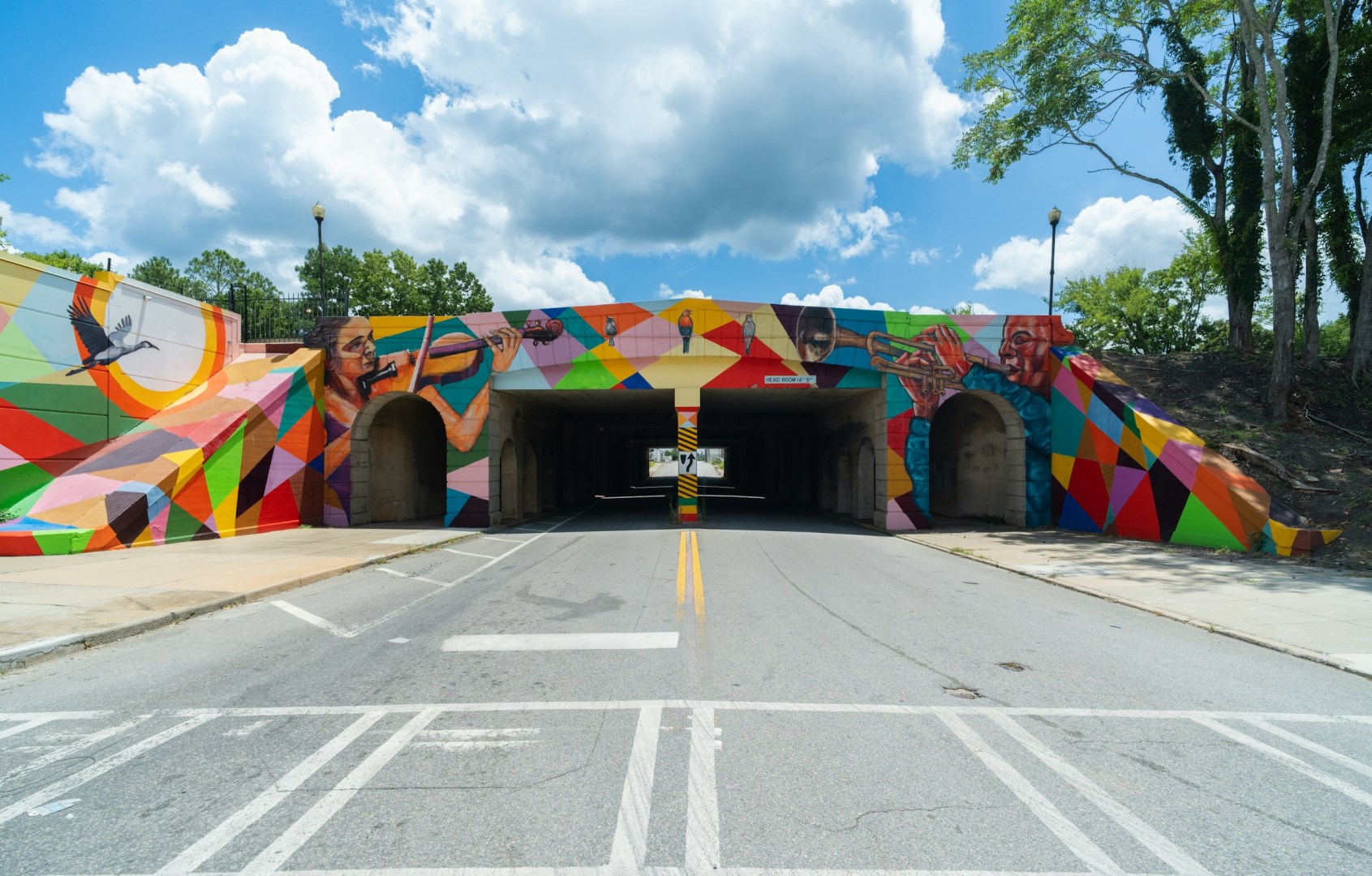
Macon
Macon, Georgia, known as the “Heart of Georgia,” offers a blend of historic charm and Southern hospitality. Begin your exploration at the Ocmulgee Mounds National Historical Park, where ancient Native American earthworks provide a glimpse into the rich cultural heritage of the region. The park’s expansive grounds and museum showcase artifacts from the Mississippian period, offering a fascinating look at the early inhabitants of the area.
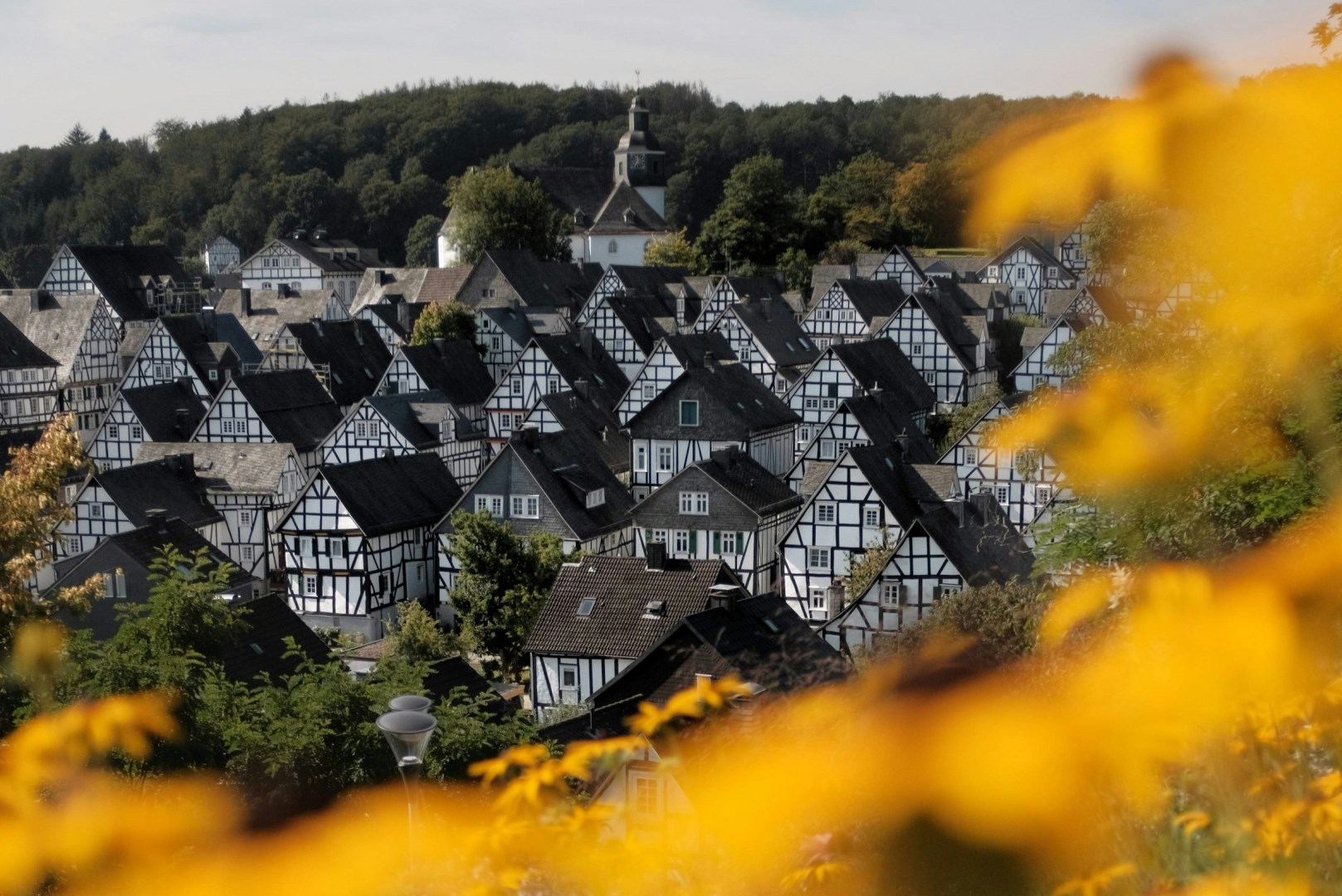
Freudenberg
Freudenberg is a small medieval town in Germany. The "Alter Flecken" is Freudenberg's downtown area, built wholly of half-timbered houses that give the town a fairytale appearance. An open-air stage with roofed grandstand, the town museum housing a 1904 steam engine, and annual Oktoberfest celebrations are the town's most popular attractions.
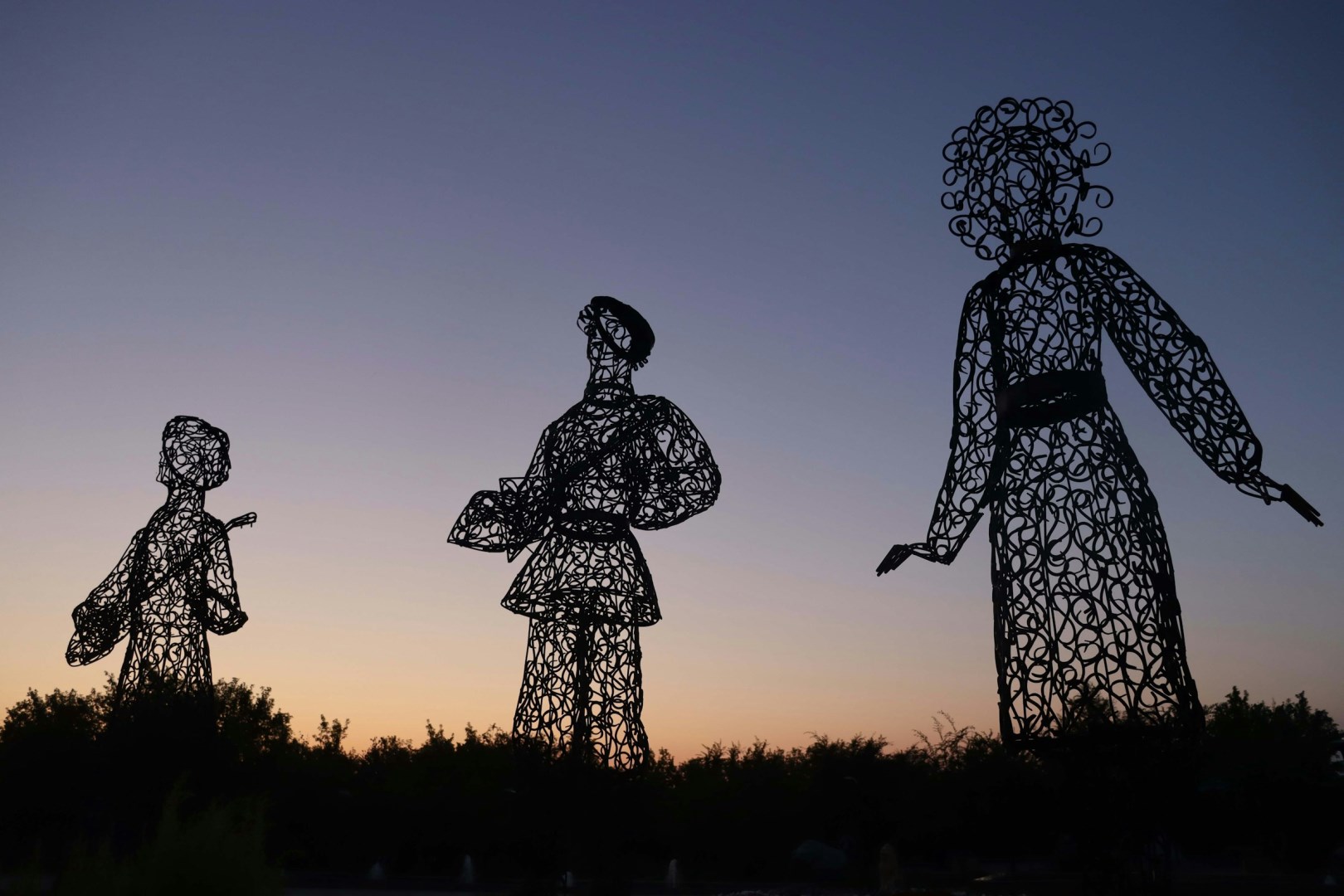
Temirtau
Temirtau is an industrial city in central Kazakhstan, located in the Karaganda Region on the Nura River near the Samarkand Reservoir. Its landscape combines broad steppe with the waterways and low hills of central Kazakhstan, while the city itself is strongly associated with metallurgy and heavy industry. Large industrial facilities form an important part of its skyline and local economy.
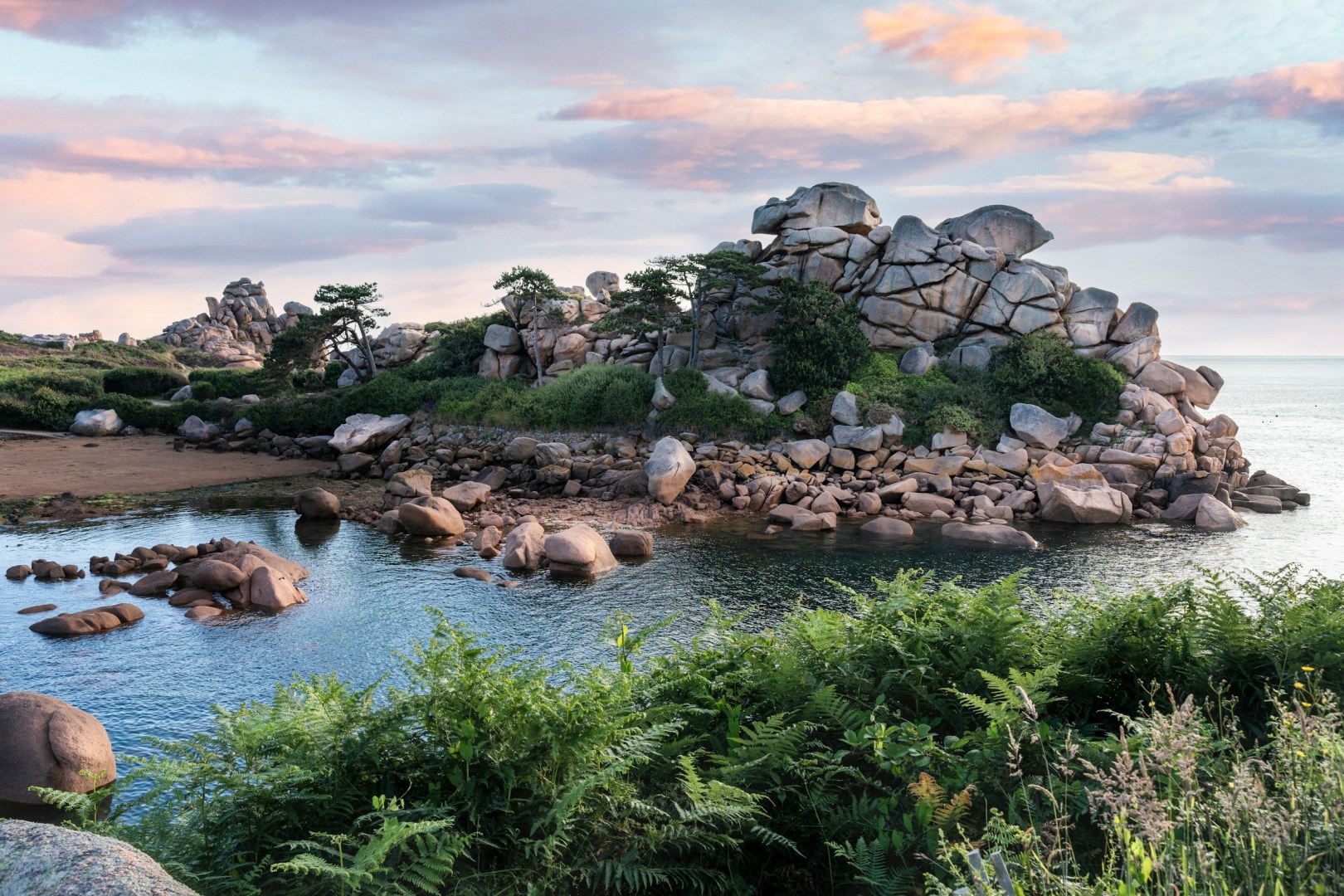
Perros-Guirec
Saint Guirec was a Gallic monk who evangelized Perros Guirec in the 6th century. Known primarily as a health and tourist resort, Perros-Guirec is set on the stunning pink granite coast. Explore Trestraou Beach with its fabulous pink rock formation or the beach of Ploumanac'h where St.Guirec is buried. Perros-Guirec also is host to one of the main bird reserves.
