
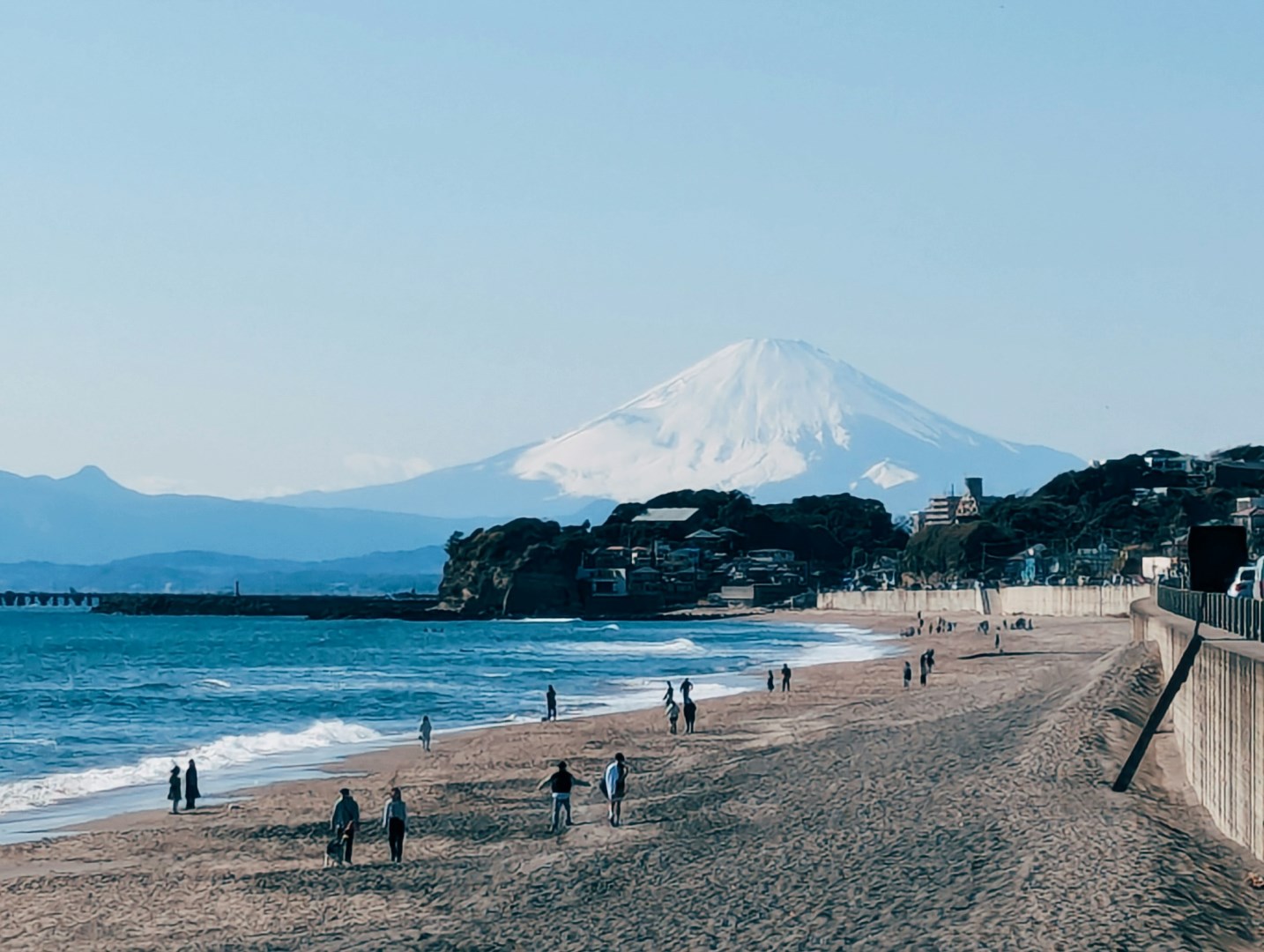
Kamakura
Although the city proper is rather small, Kamakura's coastal location and many seasonal festivals, as well as various shrines and temples, make it a popular destination for tourists. The city also offers several wooded hiking trails that connect some of its historic sites. Another unique feature of Kamakura is its "Seven Entrances," the only ways to access this natural fortress before the construction of modern roads and tunnels.
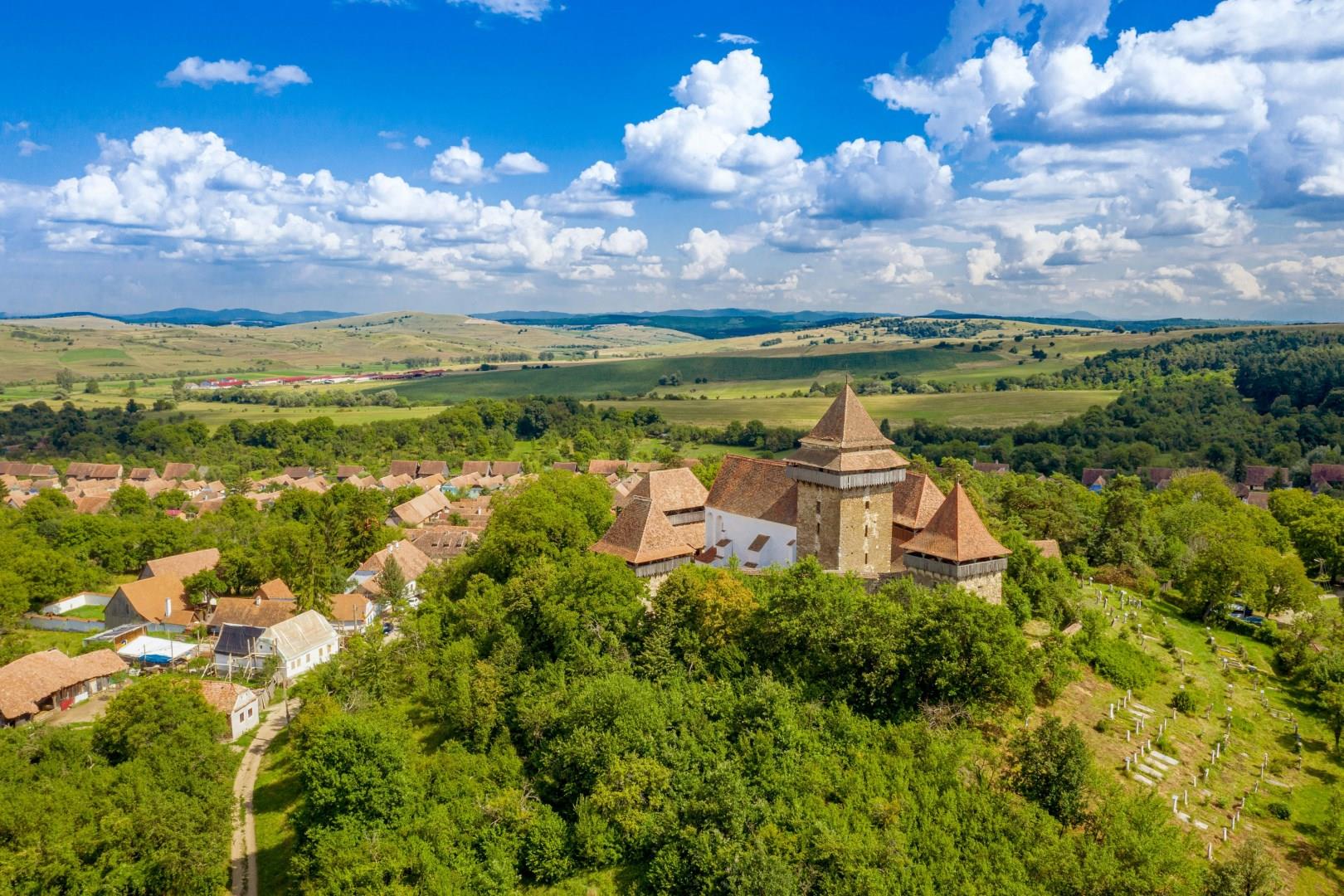
Transylvania
Transylvania is a historical region in central Romania, bordered by the Carpathian Mountains. It is known for its forested landscapes, medieval towns, and a mix of cultural influences shaped by Romanian, Hungarian, and Saxon communities. Cities such as Cluj-Napoca and Brașov serve as regional centers with preserved old quarters and growing modern districts. The region is often associated with folklore, but its identity is grounded in everyday rural life and long-standing settlement patterns.

Olympia
Situated on Peloponnese peninsula's Western side, Olympia has the distinction of being one of Greece's most significant archaeological sites.
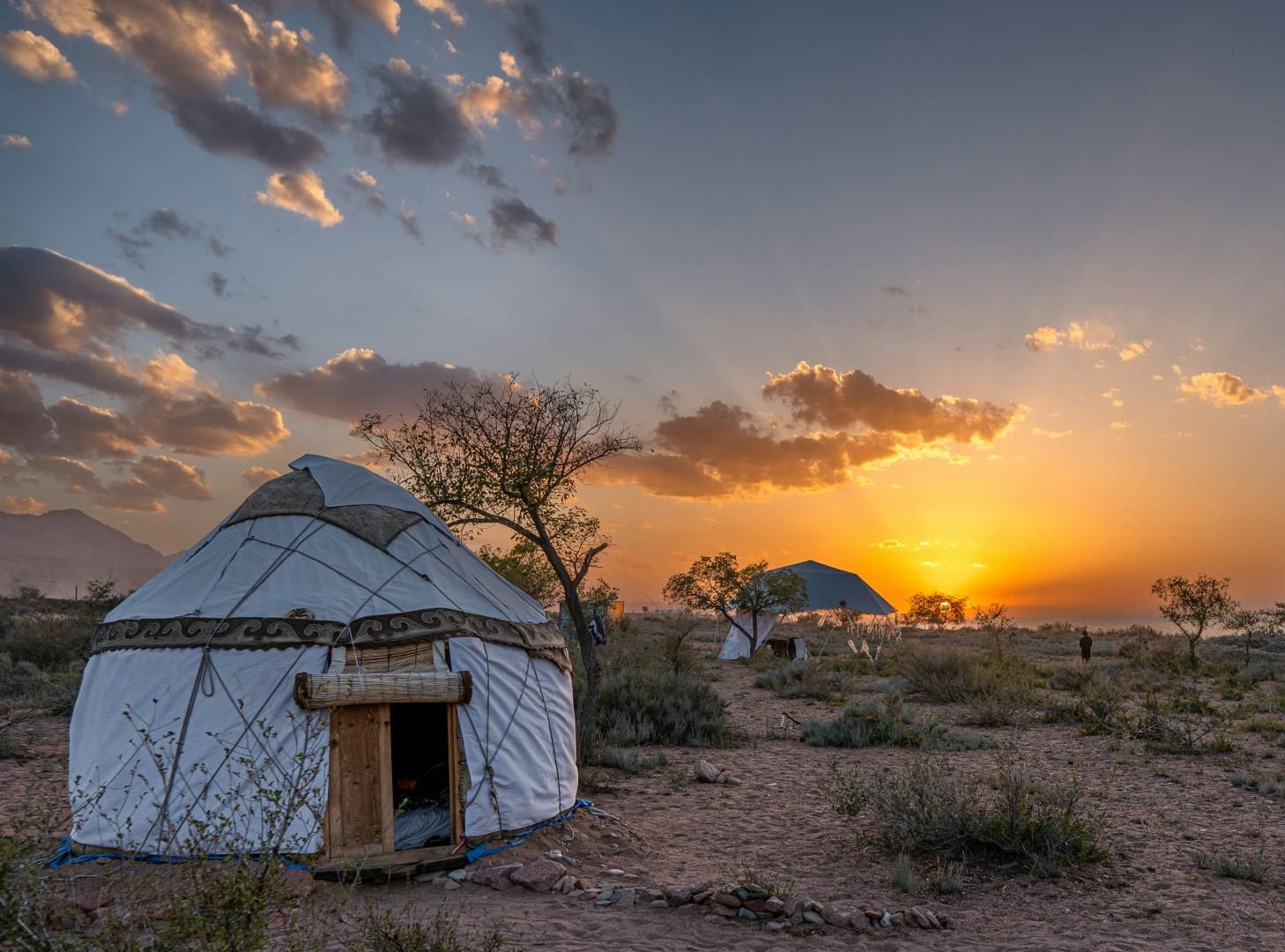
Kyrgyzstan
Kyrgyzstan, a country in Central Asia, is known for its rugged mountains, alpine lakes, and rich nomadic traditions. The Tien Shan mountain range dominates the landscape, offering opportunities for hiking, horseback riding, and exploring remote villages.

Wuxi
Wuxi is an industrial and resort city located along the Da Yunha (Grand Canal). Settled some 3,000 years ago, it has long been known for its silk production. Today, Wuxi is still known for its silk industry, which has been revitalized since 1949, as well as for its high technology industries. It is also the center of a rich agricultural area.
