
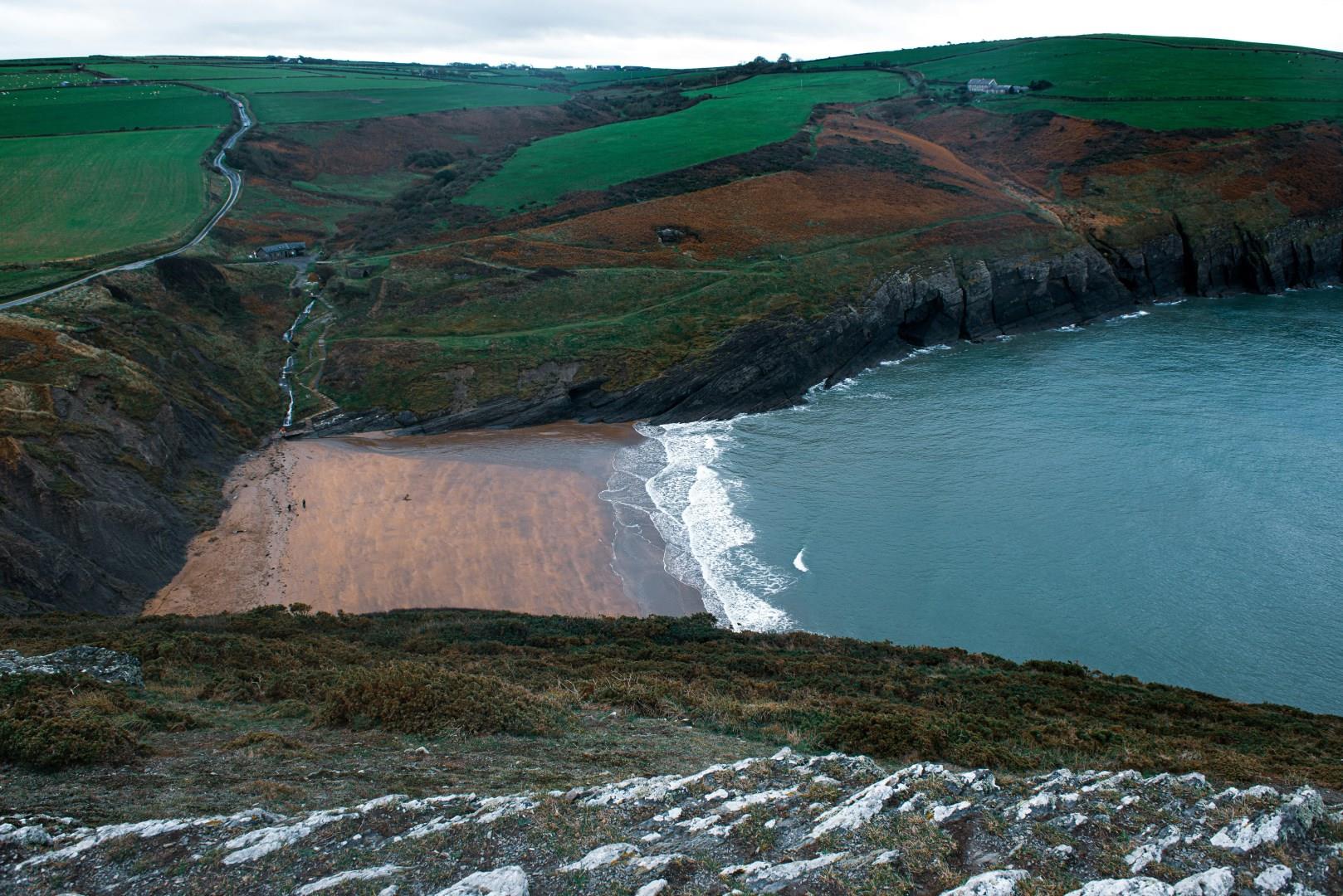
Cardigan
Cardigan sits on the west coast of Wales, where the River Teifi reaches the wide sweep of Cardigan Bay. At the heart of town stands Cardigan Castle, where battlements and gardens overlook the Teifi. The castle’s history includes the first recorded National Eisteddfod in Wales, a cultural competition of music, poetry and performance that still inspires events across the country.
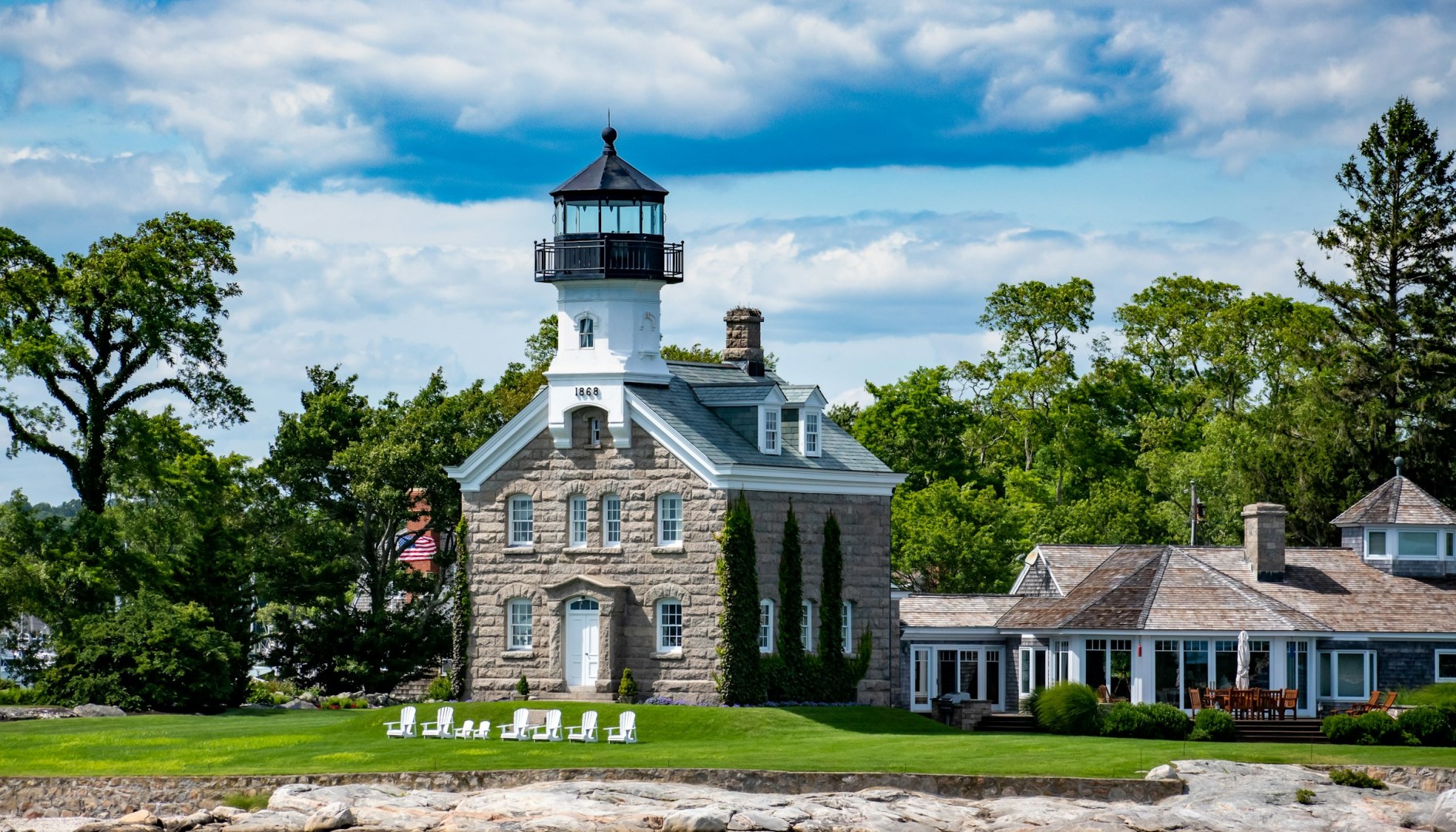
Groton
Groton is a coastal town in southeastern Connecticut, positioned between the Thames River and Long Island Sound. Its identity has been shaped by maritime trade, shipbuilding, military activity, and submarine technology, earning it the longstanding nickname “Submarine Capital of the World.” The town includes several distinct areas, from the historic waterfront of Groton Bank to beaches, wooded neighborhoods, and working industrial facilities.

Belgium
Belgium may be compact, but it offers a surprising variety of experiences shaped by centuries of shifting borders, artistic innovation, and culinary tradition. In Brussels, the Grand Place sets the stage for history and architecture in one square lined with ornate guild halls. The city is also home to the European Union’s headquarters, surrealist painter René Magritte’s former house, and a lively comic book trail that winds through murals of Tintin and other Belgian icons.

Turku
Turku, Finland’s oldest city, is a captivating blend of rich history and contemporary charm. Established in the early 13th century, Turku is renowned for its medieval architecture, including the majestic Turku Castle.
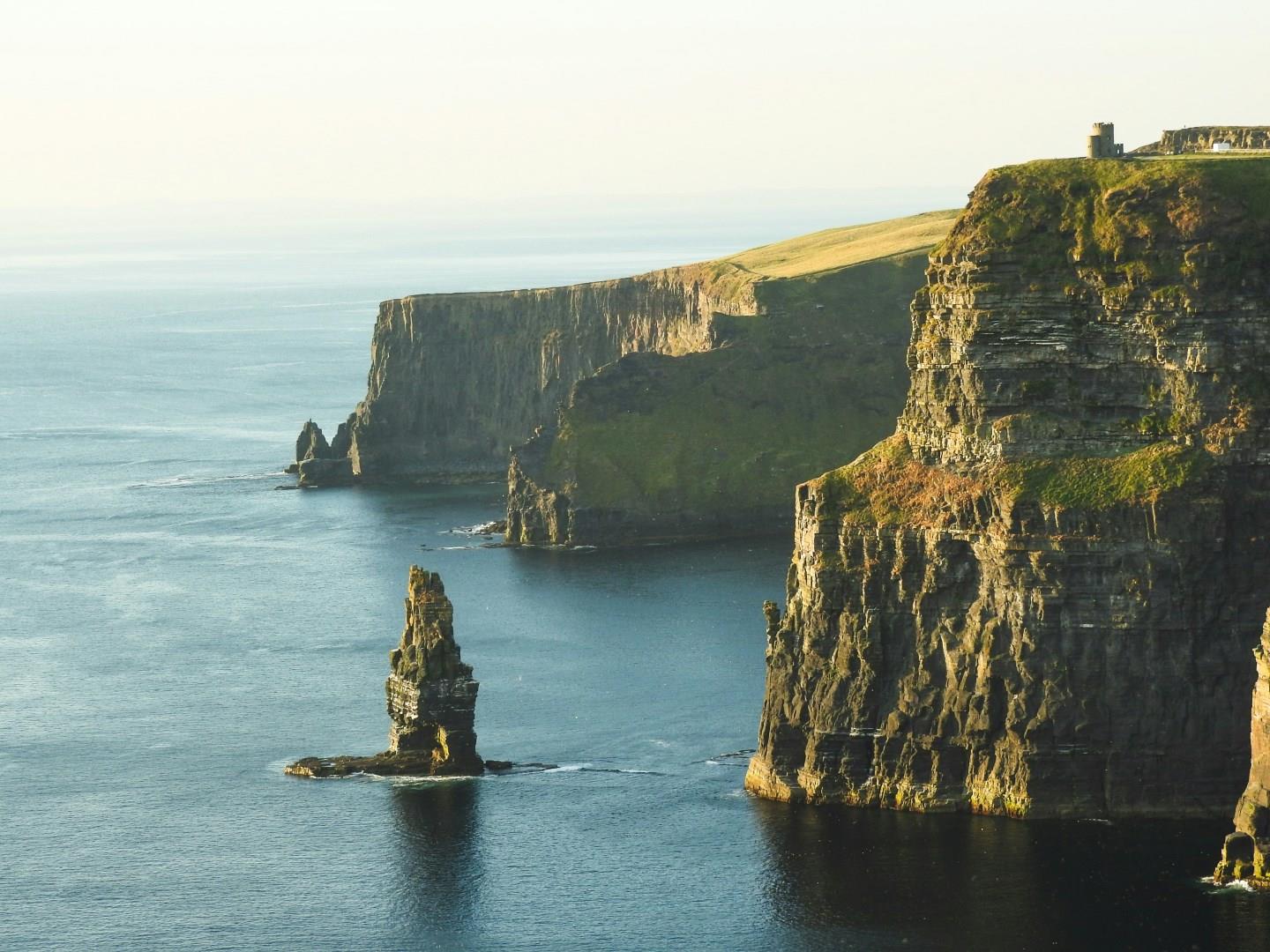
Cliffs of Moher
The Cliffs of Moher rise dramatically from the Atlantic Ocean, stretching for about 8 kilometers along Ireland’s western coast in County Clare. At their highest point near O'Brien's Tower, the cliffs reach 214 meters, offering uninterrupted views of the Aran Islands, Galway Bay, and the craggy peaks of Connemara on a clear day. These ancient sea cliffs have stood for over 300 million years and remain one of the most visited and photographed sites in Ireland.
