

Stone Town
As a UNESCO World Heritage site, Stone Town boasts narrow, winding streets lined with towering stone buildings adorned with beautifully carved wooden doors, reflecting its rich history as a major trading hub.
Anuradhapura
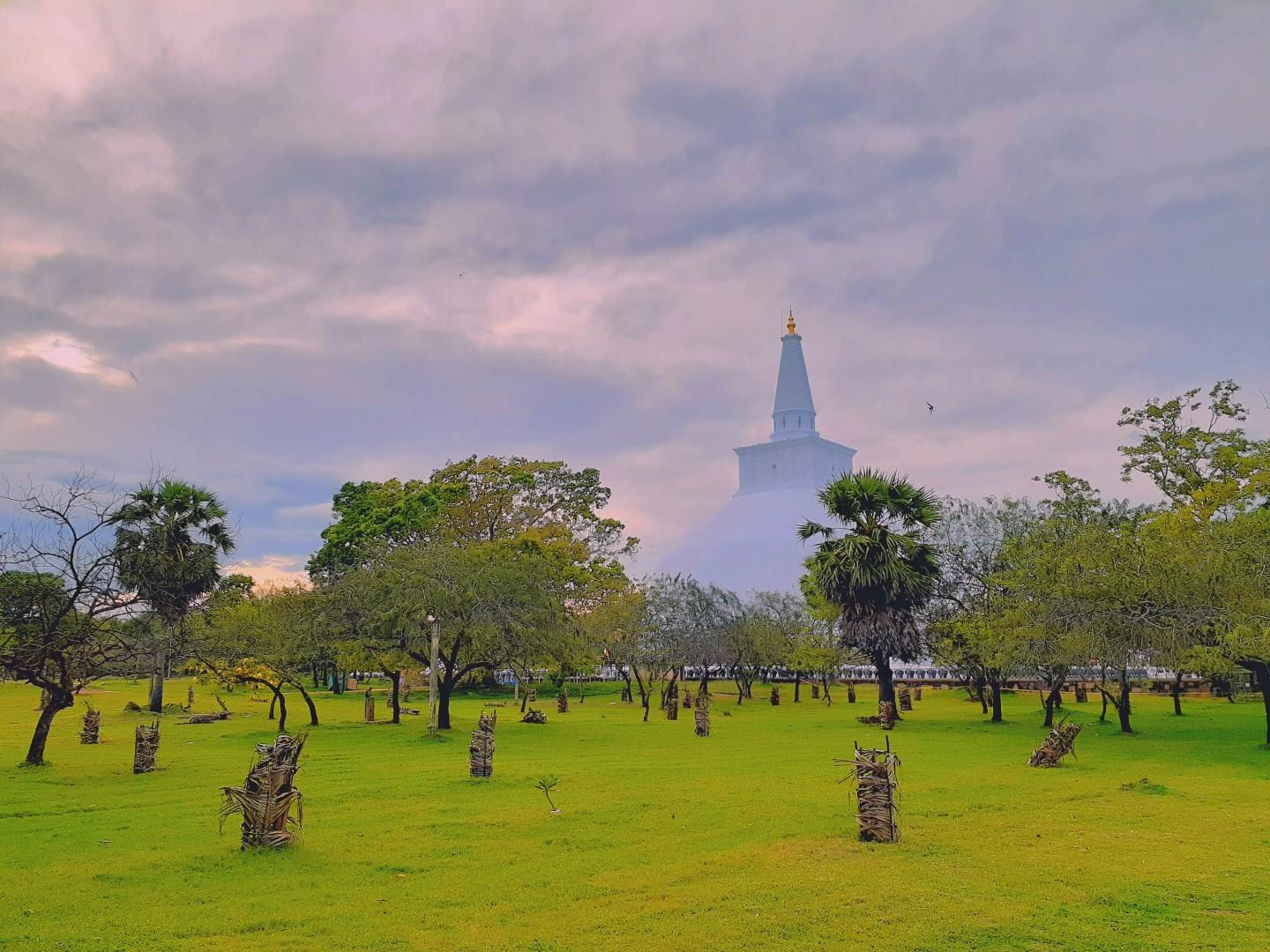
Anuradhapura, located in Sri Lanka’s North Central Province, is one of the oldest continuously inhabited cities in the world. It served as the island’s capital for more than a millennium, beginning in the 4th century BCE. Today, its vast archaeological complex spans several square kilometers and includes some of South Asia’s most significant Buddhist monuments.

New York City
New York City is a city that pulses with movement, sound, and stories at every corner. Whether it's the echo of footsteps under Grand Central Terminal’s iconic ceiling or the quiet shuffle of chess pieces in Washington Square Park, every detail is part of a larger rhythm. New York’s cultural offerings are unmatched in scope. A single day could include a visit to the Museum of Modern Art, a Broadway matinee, and live jazz at an underground club in the Village.
Ecuador
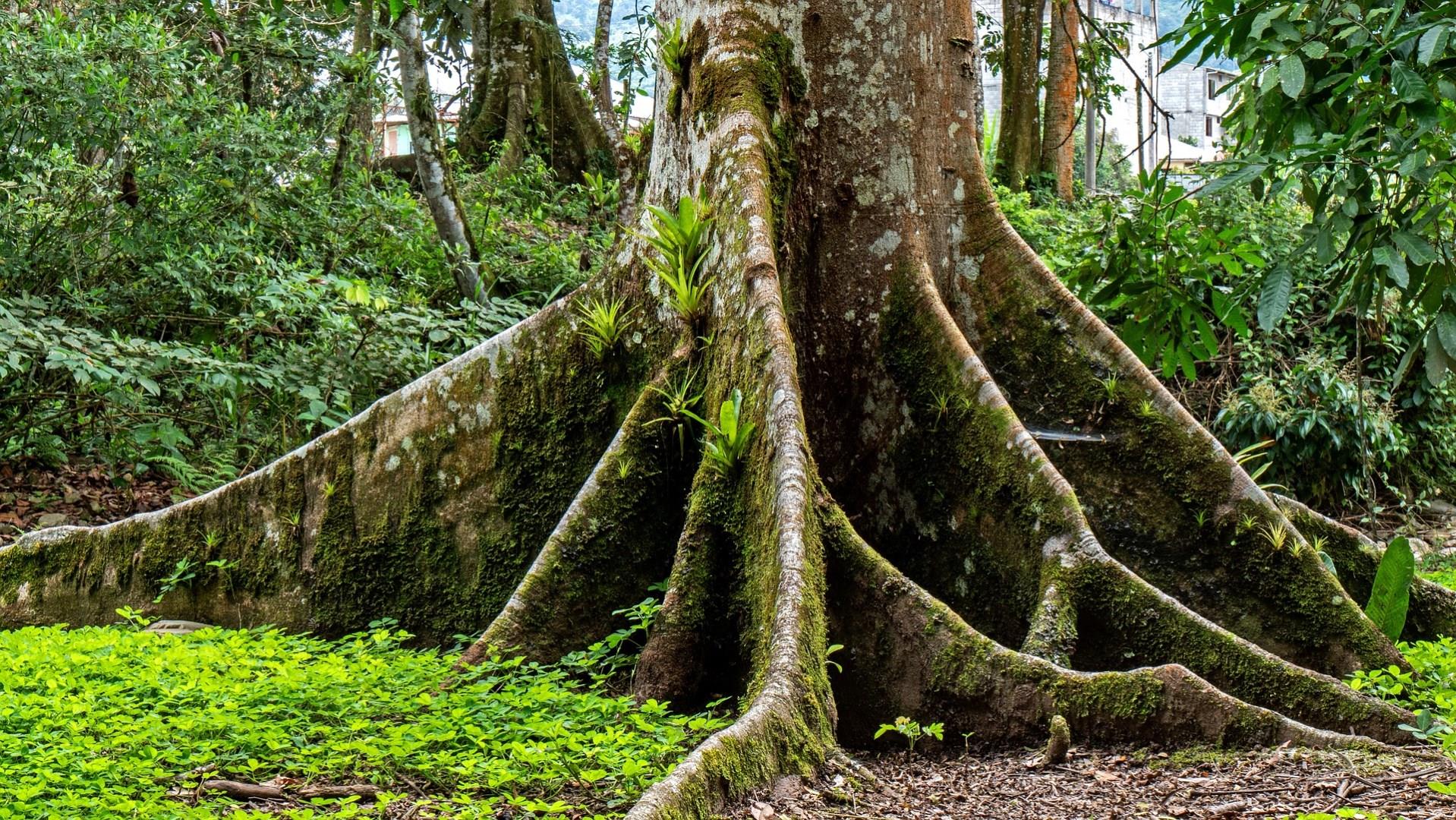
In the heart of South America, Ecuador offers a compact yet astonishingly diverse experience for travelers. From the cobbled streets of Quito’s historic center to the vibrant Afro-Ecuadorian rhythms of Esmeraldas, the country pulses with stories waiting to be discovered. Just a short drive away, visitors can stand on the equator line at the “Mitad del Mundo” and participate in engaging experiments that demonstrate the planet’s gravitational quirks.

Nile River
The River Nile, most often associated with Egypt and its ancient civilizations, actually flows through eight other countries including Uganda, Ethiopia, Sudan, and Kenya. It is formed by two major tributaries, the White Nile and Blue Nile, and is considered by many to be the longest river in the world when measured from its source waters in Rwanda and Burundi.
