

Dominica
Dominica, known as the “Nature Island of the Caribbean,” is a haven for eco-tourists and adventure seekers. Nestled between the French islands of Guadeloupe and Martinique, this lush island boasts a remarkable landscape of volcanic mountains, dense rainforests, and stunning waterfalls. Dominica’s most iconic natural wonder is the Boiling Lake, the second-largest hot spring in the world.
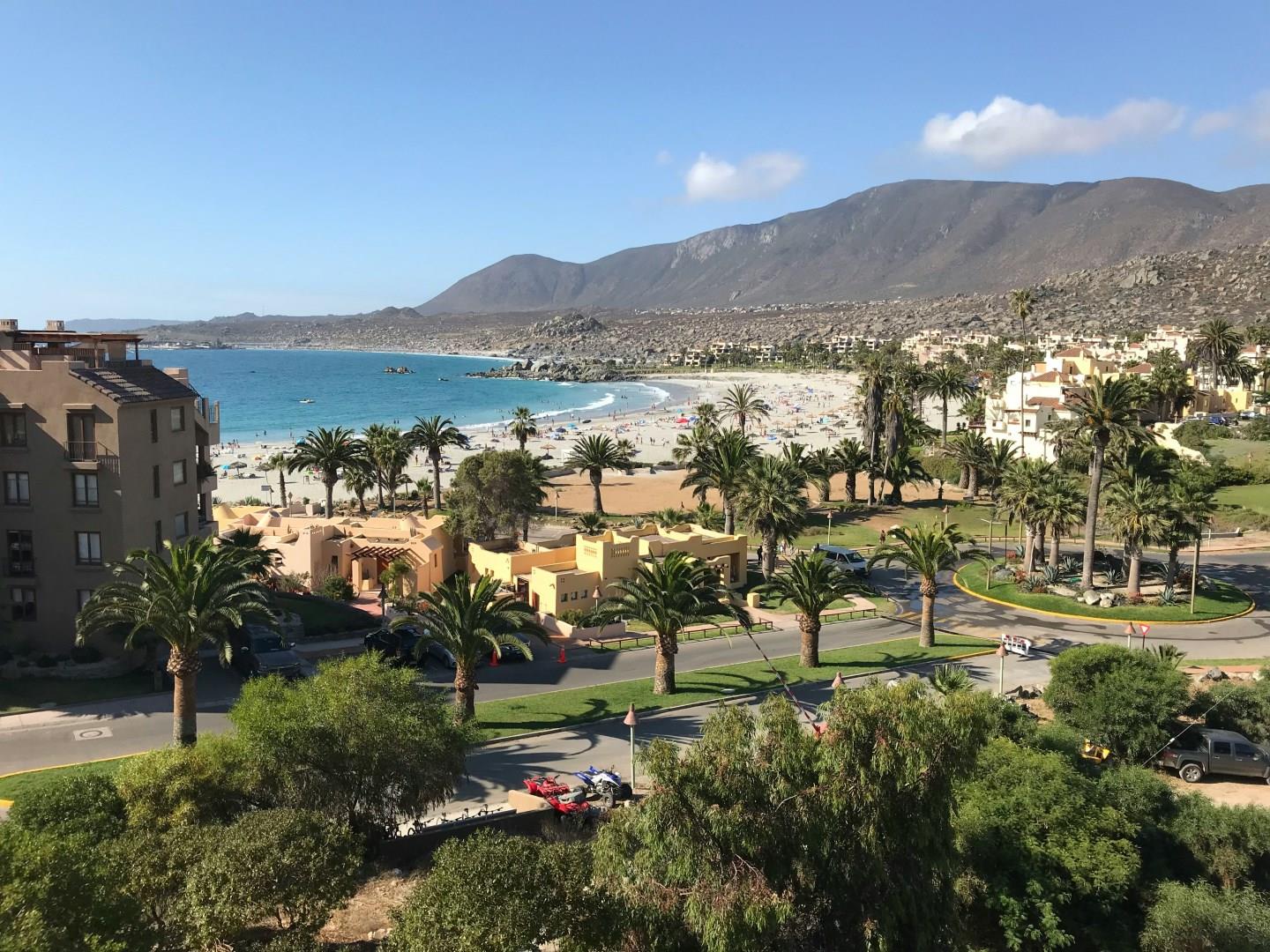
Coquimbo
Coquimbo is a historic port city on Chile’s north-central coast, where maritime tradition and everyday life revolve around the Pacific.

Qaqortoq
The largest town in South Greenland, Qaqortoq is known for its colorful houses and vibrant art scene.
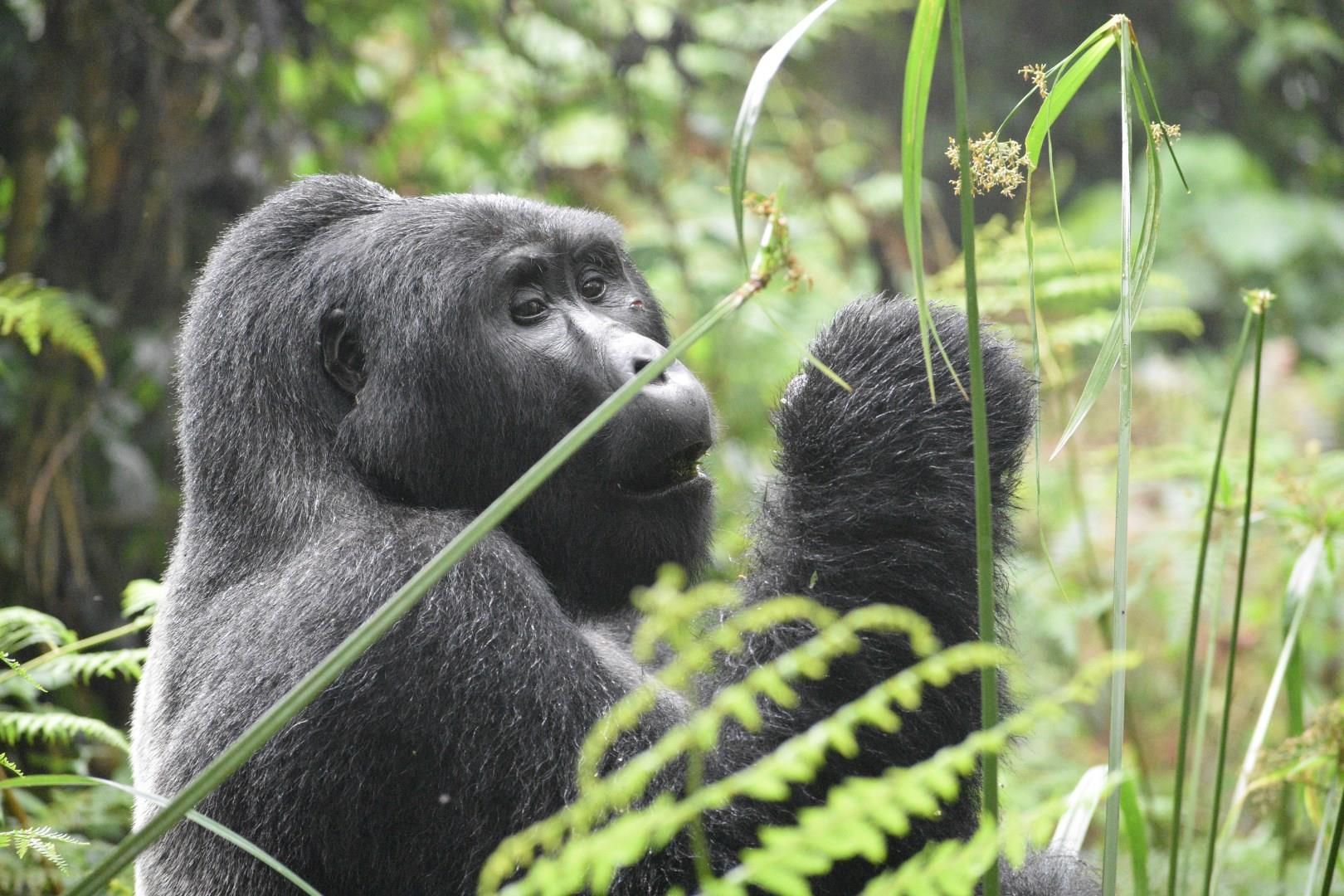
Volcanoes National Park
Volcanoes National Park, in northwestern Rwanda, is a place where dramatic volcanic landscapes meet extraordinary wildlife encounters. Stretching across the Virunga Mountains, the park is dominated by five towering volcanoes whose slopes are cloaked in rainforest and bamboo.
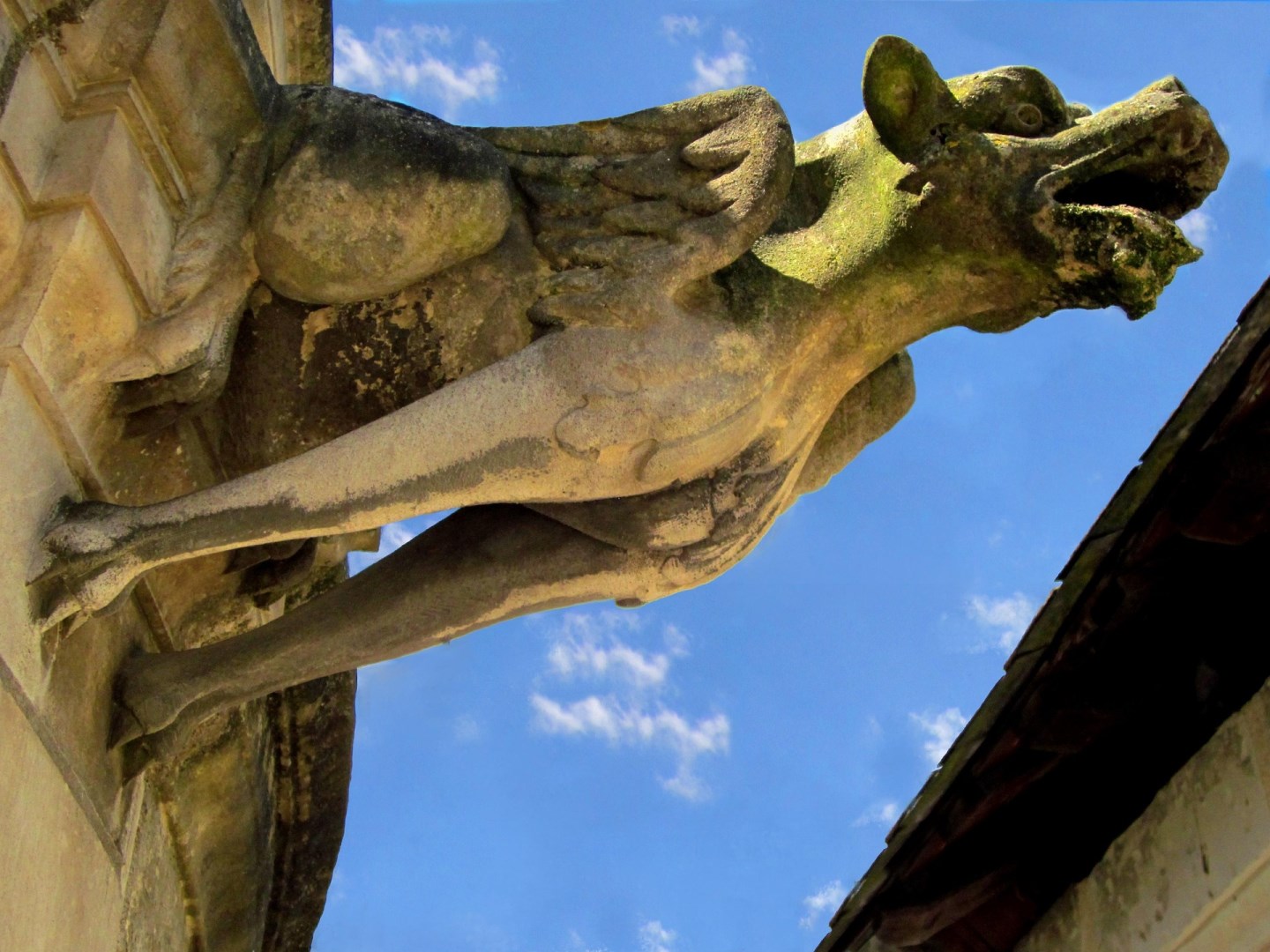
Tours
A major industrial area in the Loire Valley, it is an ancient city and was often visited in pilgrimages to pay homage to the tomb of St. Martin, a former bishop of Tours.
