

Pokhara
Pokhara, nestled in central Nepal, sits at the base of the Annapurna mountain range and has long served as both a rest stop for trekkers and a destination in its own right. What sets Pokhara apart is the rare opportunity to see 8,000-meter peaks like Machapuchare (Fishtail) and Annapurna I reflected in the calm waters of Phewa Lake. Early mornings are often the clearest, with boat rides offering peaceful views of snow-capped peaks mirrored in the lake.
Gold Harbour
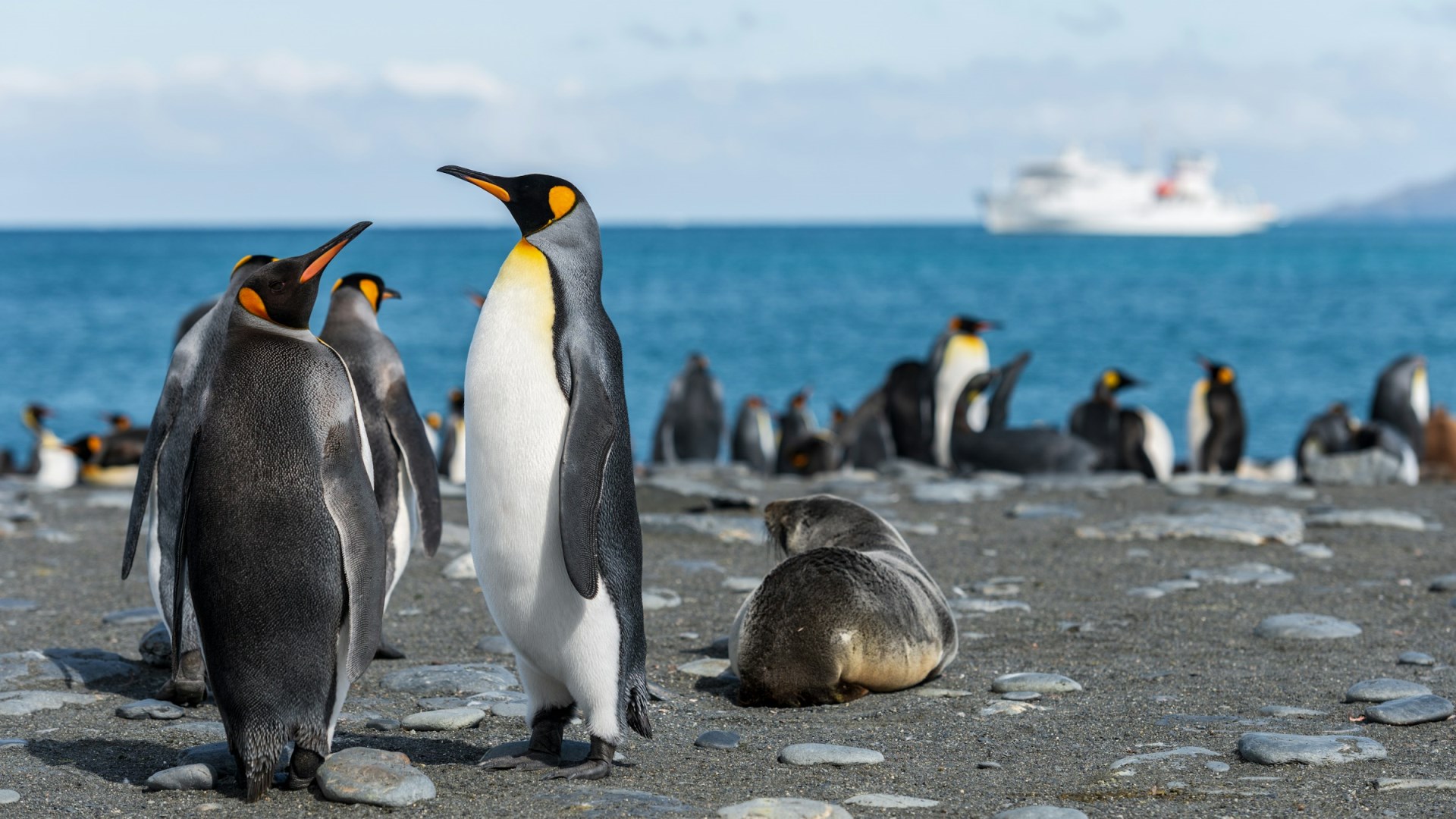
Gold Harbour is a small bay on the southeastern coast of South Georgia, where a narrow beach sits beneath steep mountains and hanging glaciers. The site is known for its rich concentration of wildlife and its dramatic setting, with the snow-covered Salvesen Range forming a backdrop behind the shoreline. The name reflects the golden appearance of the cliffs and mountains when illuminated by low sunlight.
Hot Springs
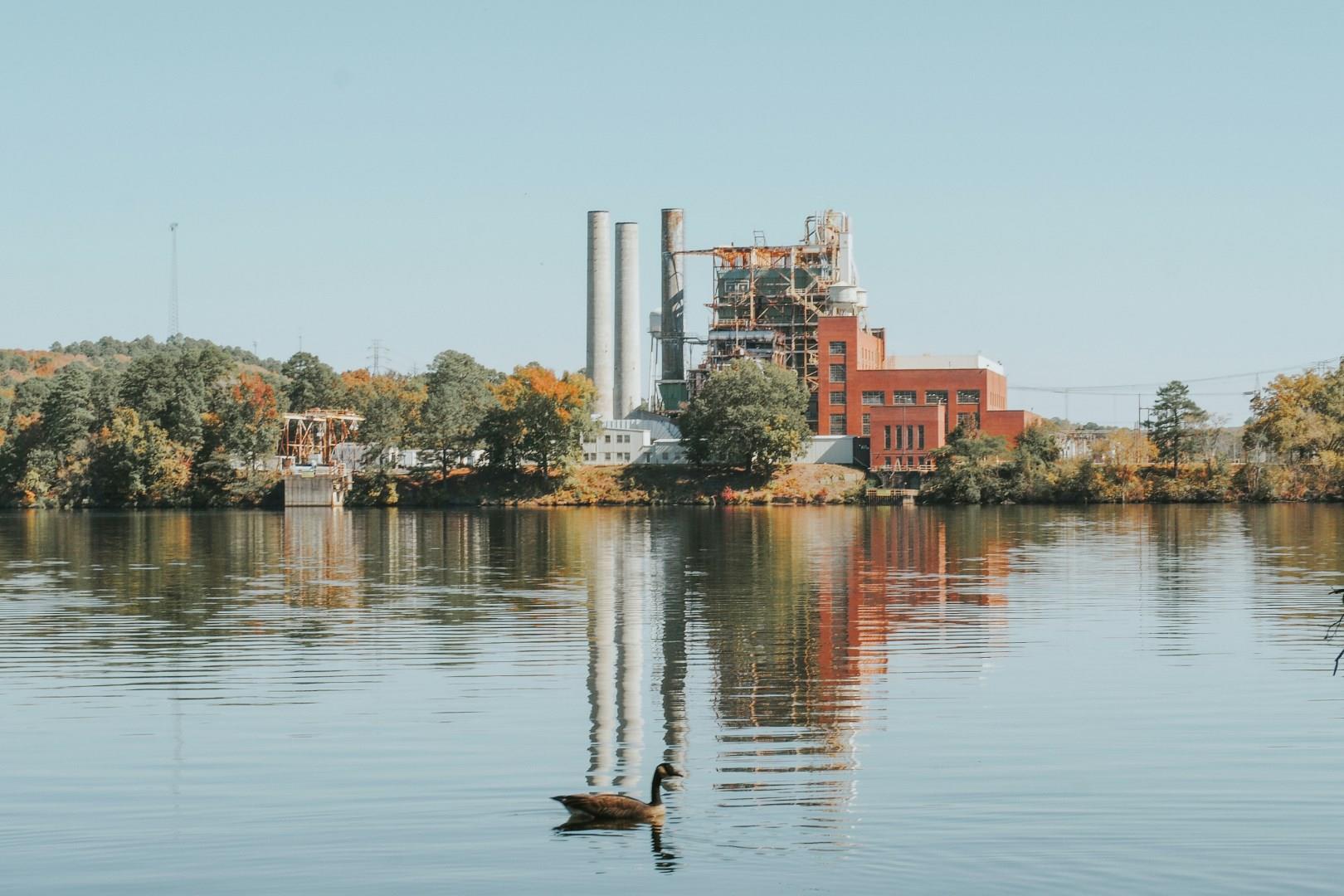
Hot Springs, Arkansas has been drawing visitors for centuries, and it all starts with the water. The city sits atop a natural thermal spring system that produces nearly a million gallons of 143-degree water each day. These springs gave rise to Bathhouse Row, a stretch of eight historic bathhouses within Hot Springs National Park. Some, like the Fordyce Bathhouse, now serve as museums, while others still offer traditional thermal soaks.

Santa Fe
Santa Fe, New Mexico, with its adobe-style architecture, vibrant arts scene, and unique blend of Native American, Spanish, and Anglo influences, is a destination like no other. Known as "The City Different," Santa Fe stands apart with its rich history and cultural diversity. A fun fact about Santa Fe is that it is the highest state capital in the United States, sitting at an elevation of 7,199 feet.
Jersey
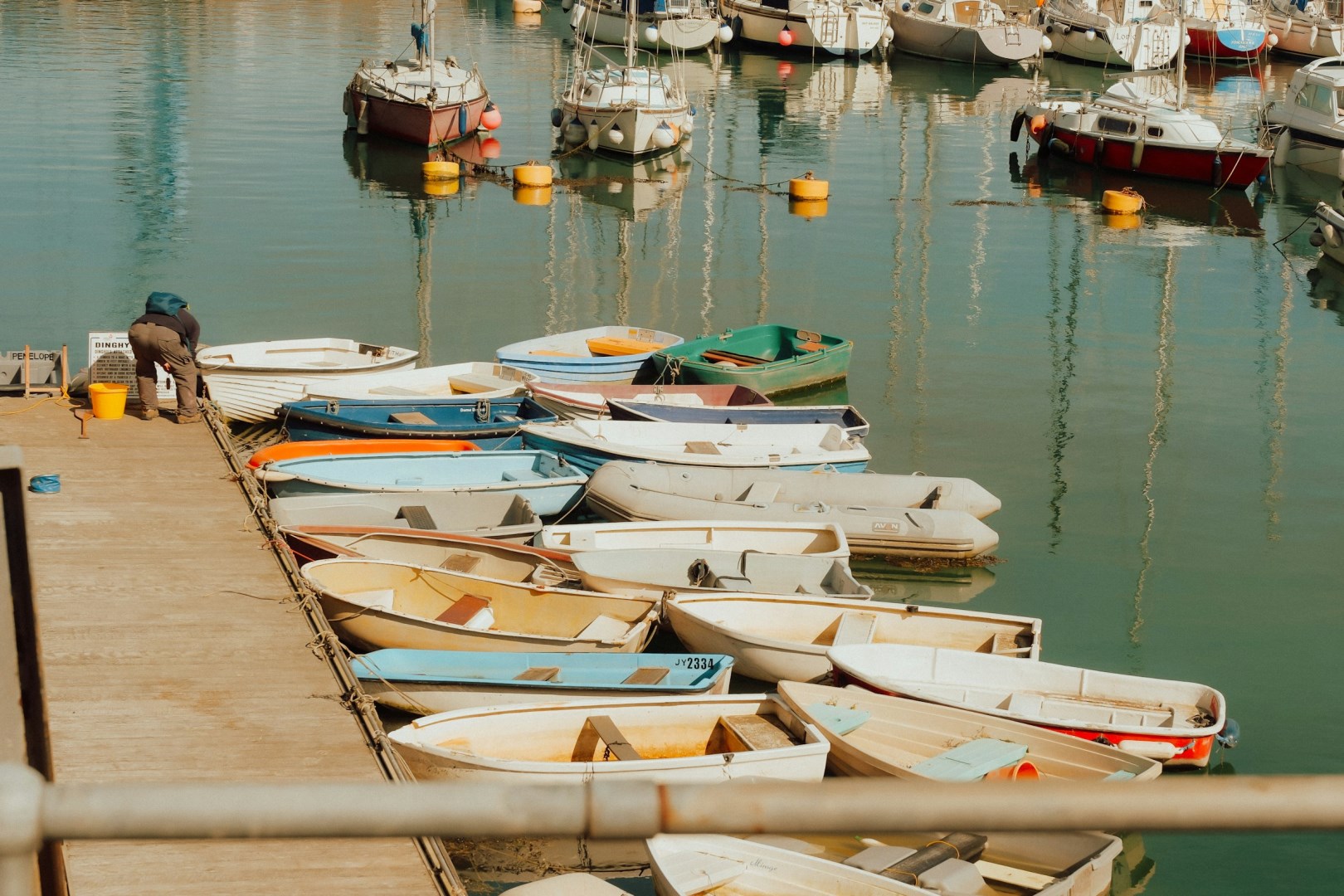
Jersey, the largest of the Channel Islands, is a destination that offers a unique blend of British and French influences, reflected in its history, language, and cuisine. Its strategic location between England and France has shaped centuries of cultural exchange and resilience, especially evident in sites like Mont Orgueil Castle. The island’s coastline features dramatic cliffs, hidden coves, and wide sandy beaches.
