

Palma
Enchanting Palma is the capital of Mallorca, Spain’s island paradise in the Balearic Sea. This picturesque town boasts historic castles and cathedrals, glittering beaches, and some of the island’s best culinary delights. Don’t let this city’s small size fool you; Palma houses truly magnificent architectural gems that make this island getaway well worth exploring.
Nashua
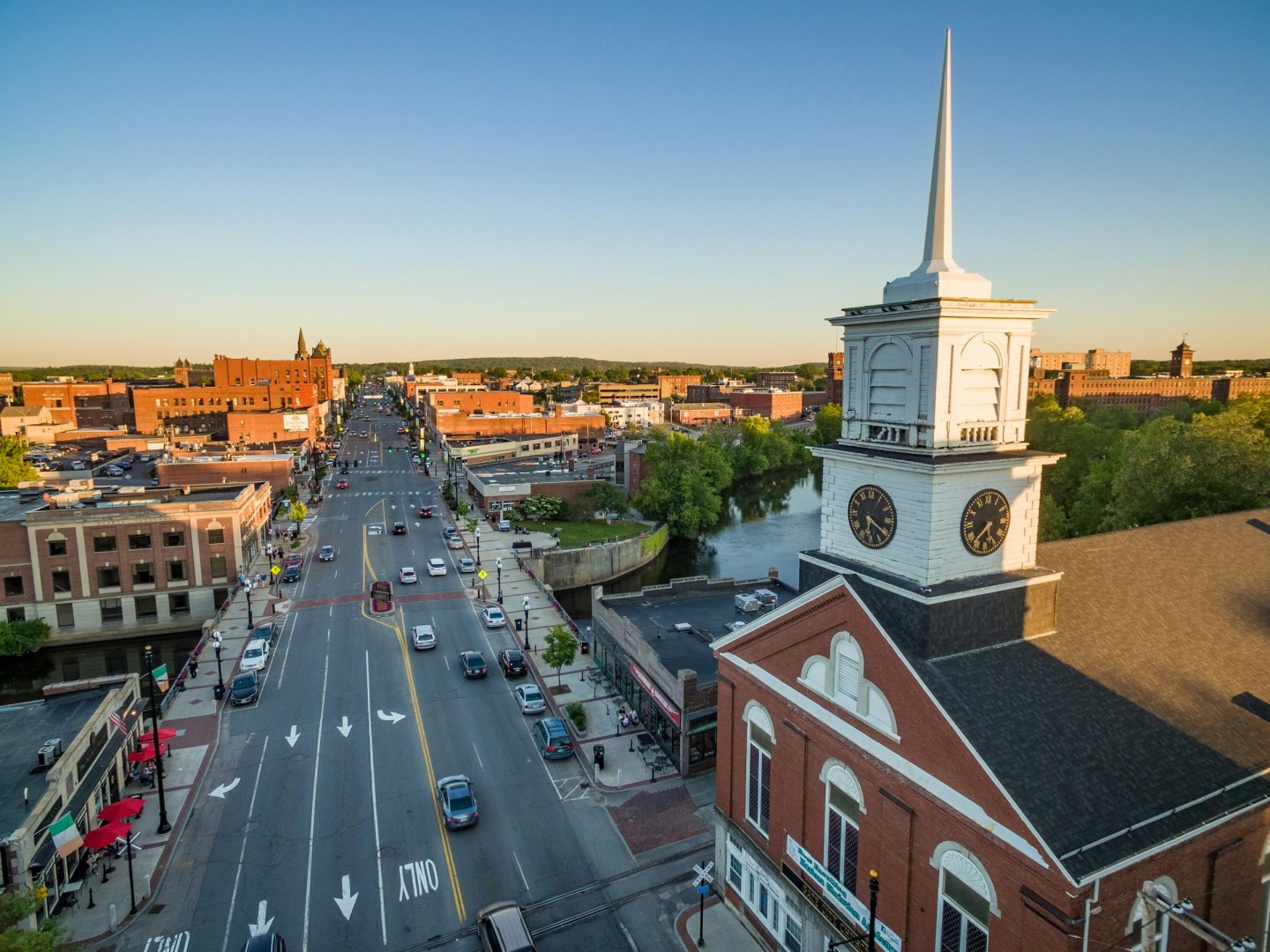
Nashua is a city in southern New Hampshire, located along the Nashua and Merrimack rivers near the Massachusetts border. Its landscape combines a historic urban centre with river corridors, parks, and wooded areas, while its location provides easy access to both New Hampshire’s countryside and the Boston region. Downtown Nashua centres on Main Street, where former mill buildings, independent shops, restaurants, and public spaces reflect the city’s industrial past.

Kandy
Nestled in the heart of Sri Lanka’s hill country, Kandy is a city steeped in history, culture, and natural beauty. As the last capital of the ancient kings of Sri Lanka, Kandy holds a unique charm that blends its colonial past with a rich, vibrant heritage. The city’s crown jewel is the Temple of the Sacred Tooth Relic, a UNESCO World Heritage site that houses a relic believed to be the tooth of the Buddha.
Rothenburg
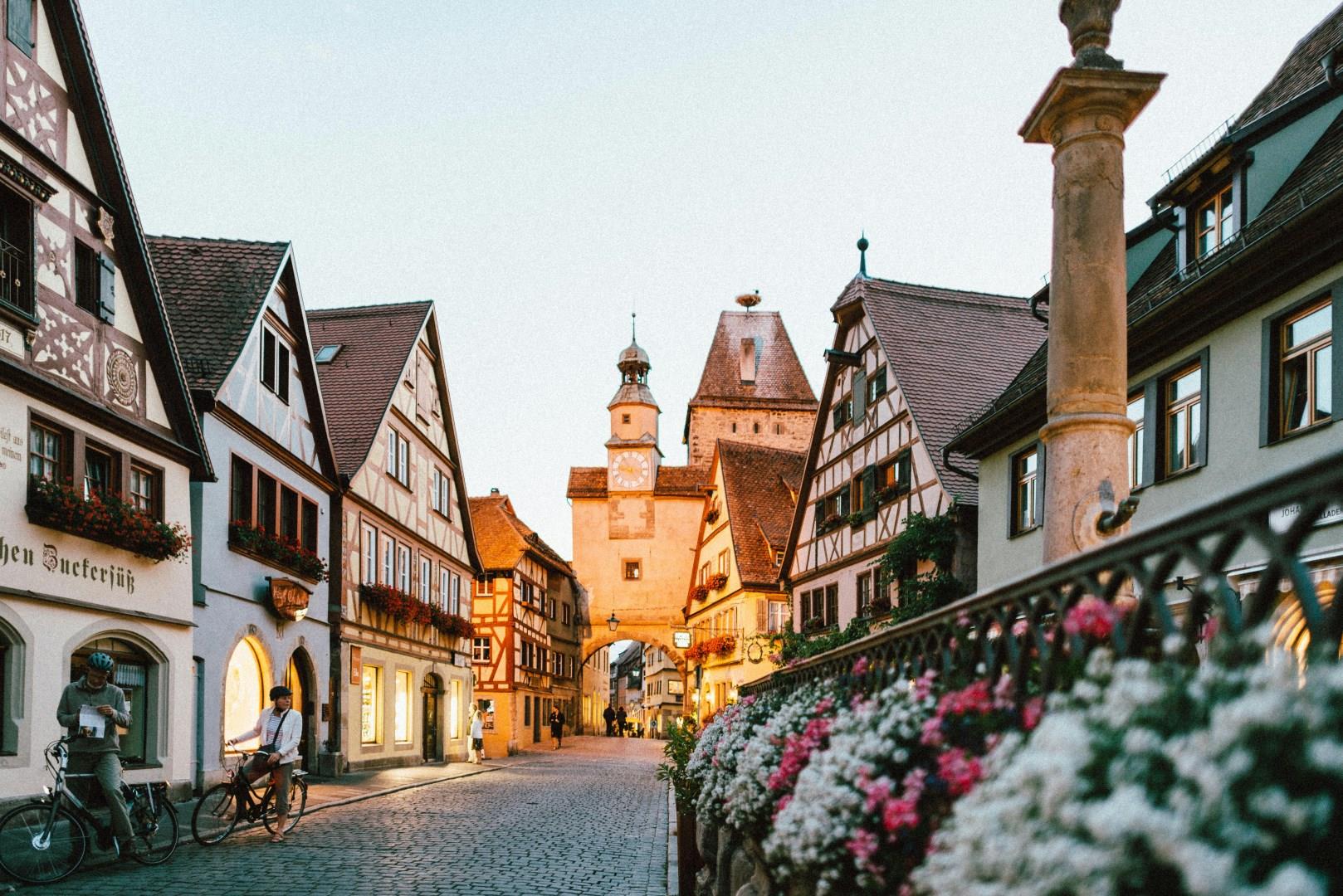
Rothenburg ob der Tauber rises above the Tauber River in Bavaria, where its medieval town center has stood largely unchanged for centuries, making it one of Germany’s most vivid windows into the past. This old walled city stretches along cobblestone streets where half-timbered houses, ancient towers, and narrow alleys invite visitors to wander and imagine life in the Middle Ages.

Denali National Park
Denali National Park and Preserve is an adventurer’s paradise! This scenic landscape and arctic tundra in the Alaska wilderness is one of the country’s most beautiful national parks, and with over six millions acres of land, the park offers plenty of exhilarating activities, breathtaking hikes, and majestic sights, all of which will leave you in awe.
