

French Guiana
French Guiana, tucked between Brazil and Suriname on the northeast coast of South America, offers an unexpected blend of Amazonian wilderness, colonial intrigue, and French flair. As an overseas department of France, it uses the euro, speaks French, and has croissants alongside cassava bread at breakfast. Yet just beyond the cafés of Cayenne, vast rainforest stretches for hundreds of kilometers, home to rare wildlife, remote rivers, and Indigenous communities.
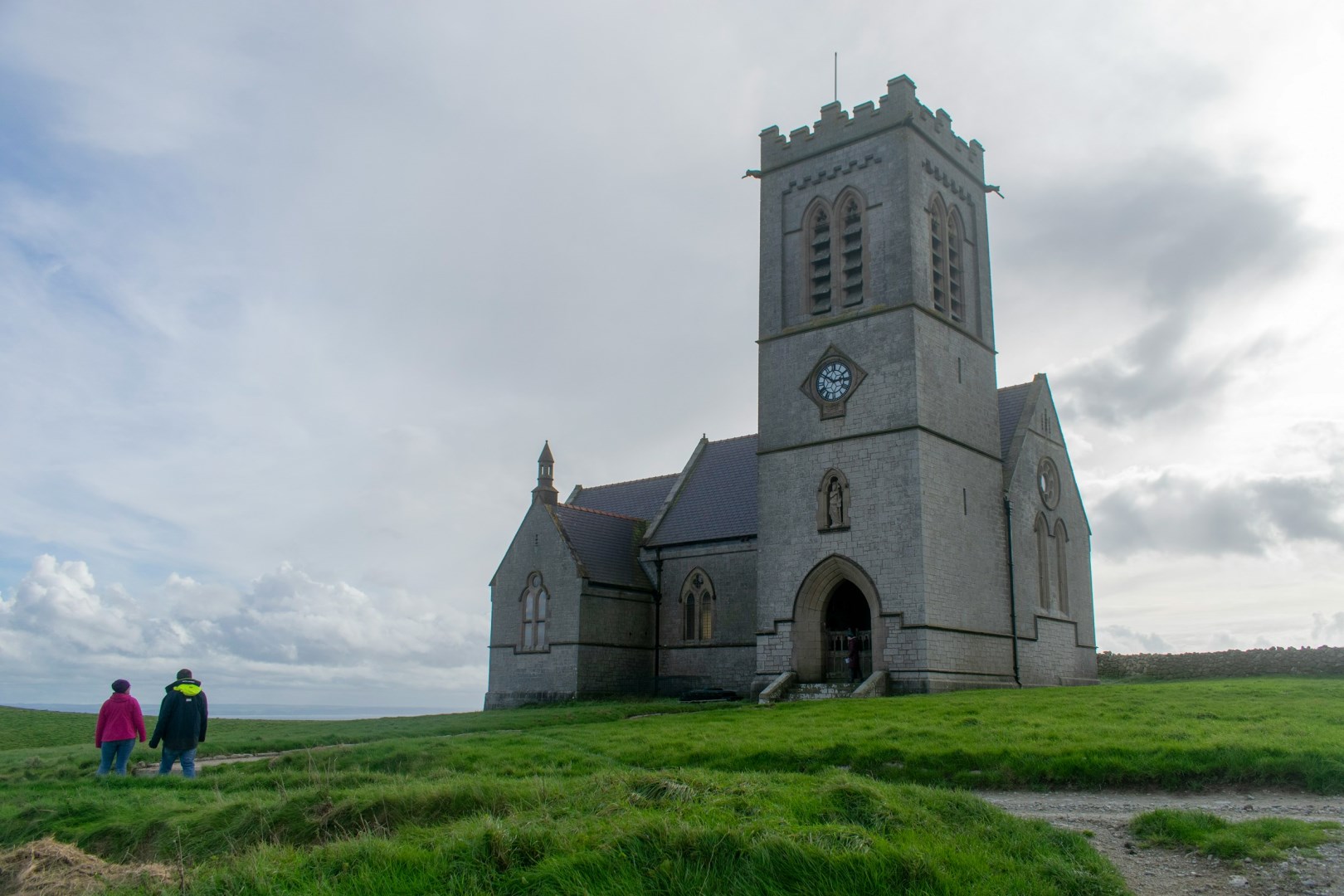
Isle Of Lundy
Lundy is a small granite island in the Bristol Channel, about 12 miles off the coast of North Devon. Roughly three miles long and half a mile wide, it has a rugged western coastline of cliffs and a more sheltered eastern side with grassy slopes and Landing Bay. The island is owned by the National Trust and managed by the Landmark Trust, with a small resident community and no cars.
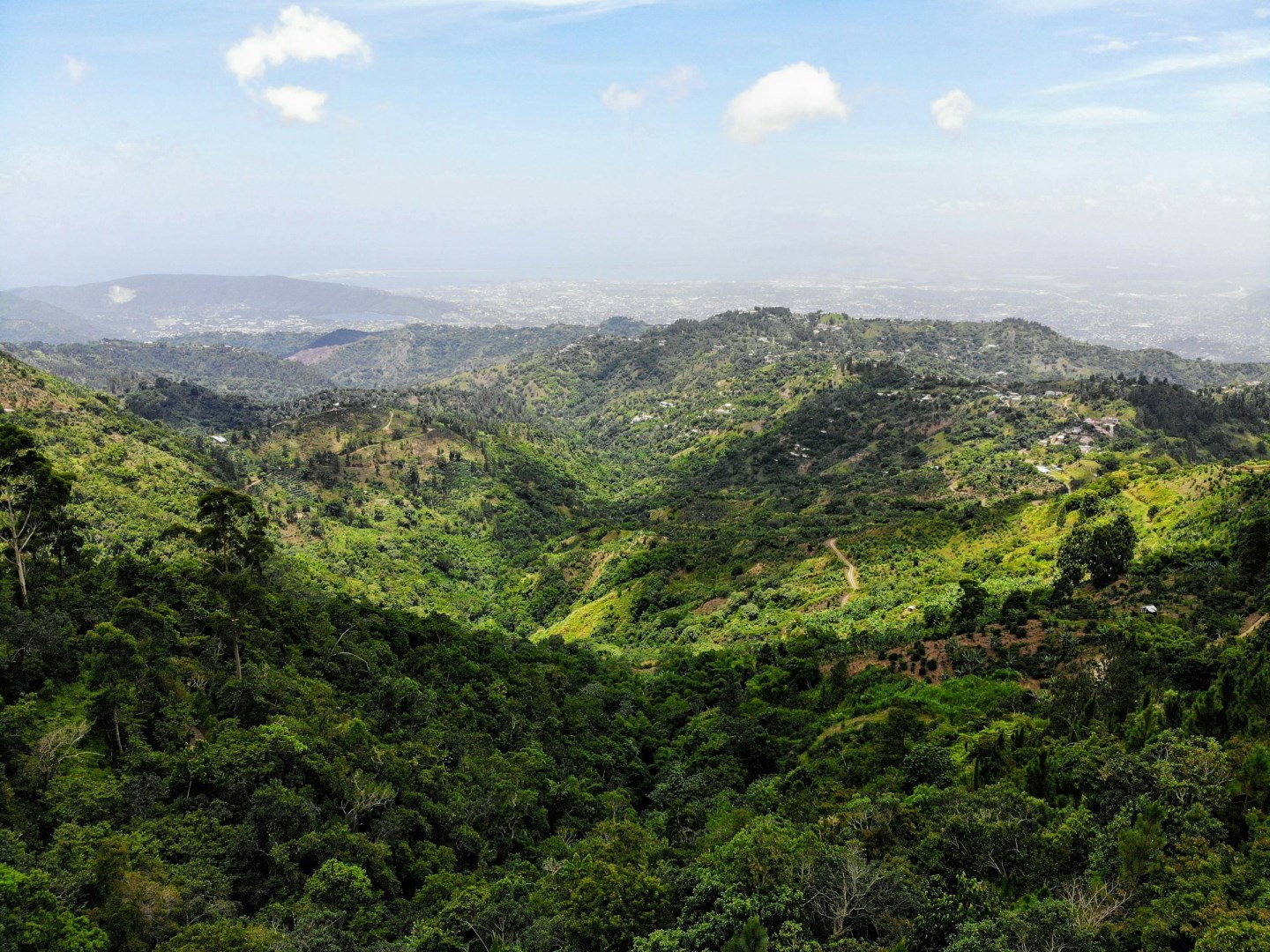
Blue Mountains
The Blue Mountains form Jamaica’s highest mountain range, rising across the eastern part of the island between Kingston, Saint Andrew, Saint Thomas, and Portland. The range is known for steep ridges, deep valleys, cloud forest, waterfalls, and cool mountain conditions that contrast with Jamaica’s coastal plains. Blue Mountain Peak is the highest point on the island, while numerous smaller communities and farms occupy the slopes.

Kehl
Originating as a tiny fishing village in 1038, modern Kehl has become an important link between Germany and France. Rhine River cruises most often use Kehl as their gateway to the much larger and better-known Strasbourg. The savvy traveler, though, might choose to skip the jaunt across the river and enjoy many similar sights, shopping and cuisine as those offered in the teeming French city.
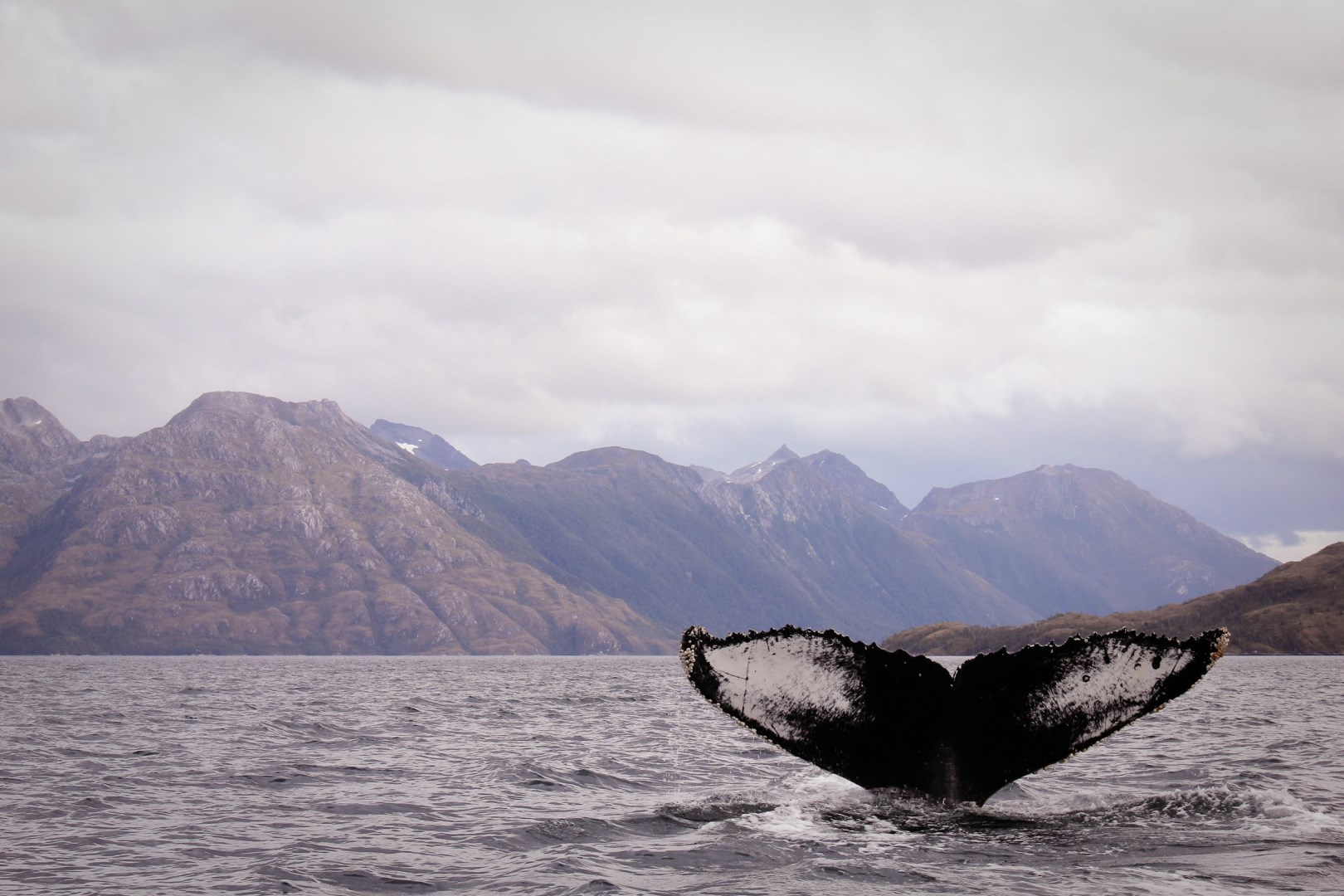
Strait of Magellan
The Strait of Magellan, a pivotal waterway connecting the Atlantic and Pacific Oceans, offers an extraordinary experience for travelers seeking both natural wonder and historical significance. This legendary strait, named after the Portuguese explorer Ferdinand Magellan who navigated it in 1520, is a gateway to the rugged beauty of southern Chile.
