
Kumai
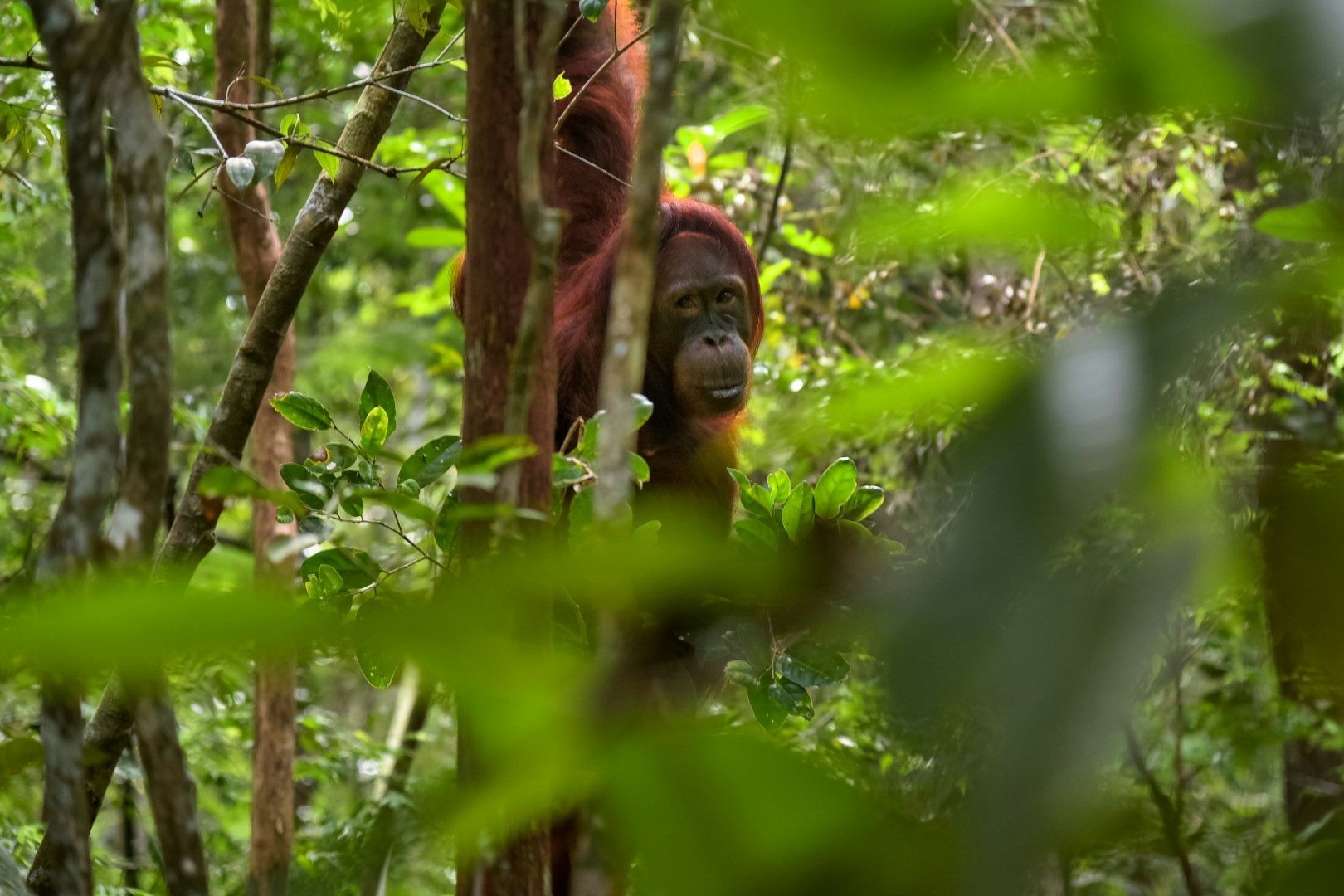
Kumai is an Indonesian port city, at the southern end of the island of Borneo. Its main tourist draws include the Patih Mamband waterfall, a popular area for diving and fishing; several white sand beaches; and the Tanjung Puting National Park, best known for its wildlife. It is also home to Camp Leakey, a research center focusing mainly on orangutans, gibbons, and the proboscis (or long-nosed)monkeys endemic to the island.
Benin
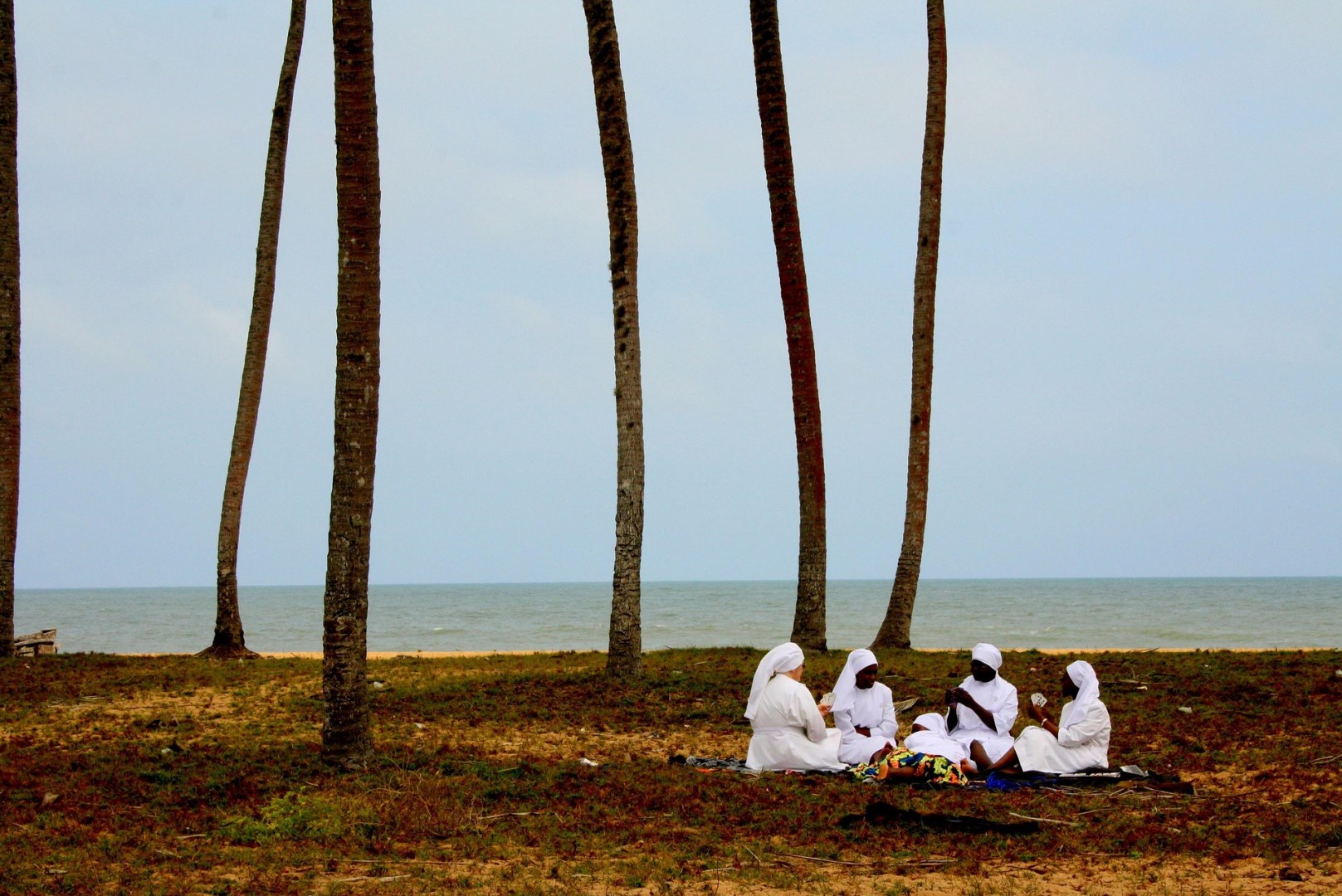
Tucked along the Gulf of Guinea in West Africa, Benin offers a vibrant blend of traditions, rich history, and colorful daily life that surprises and delights travelers at every turn. The country is the birthplace of Vodun (commonly known as Voodoo), a spiritual tradition still practiced widely and celebrated each January 10th with processions, drums, and dance in the city of Ouidah.

Veracruz
Veracruz, Mexico, is a vibrant port city rich in history and culture. Founded in 1519 by Hernán Cortés, it is Mexico’s oldest city, and its historic center, with its colorful colonial buildings and bustling Zócalo, reflects its deep historical roots. Visitors can explore the impressive San Juan de Ulúa Fortress, a massive colonial-era fort that once served as a prison and a key military base.
Culloden
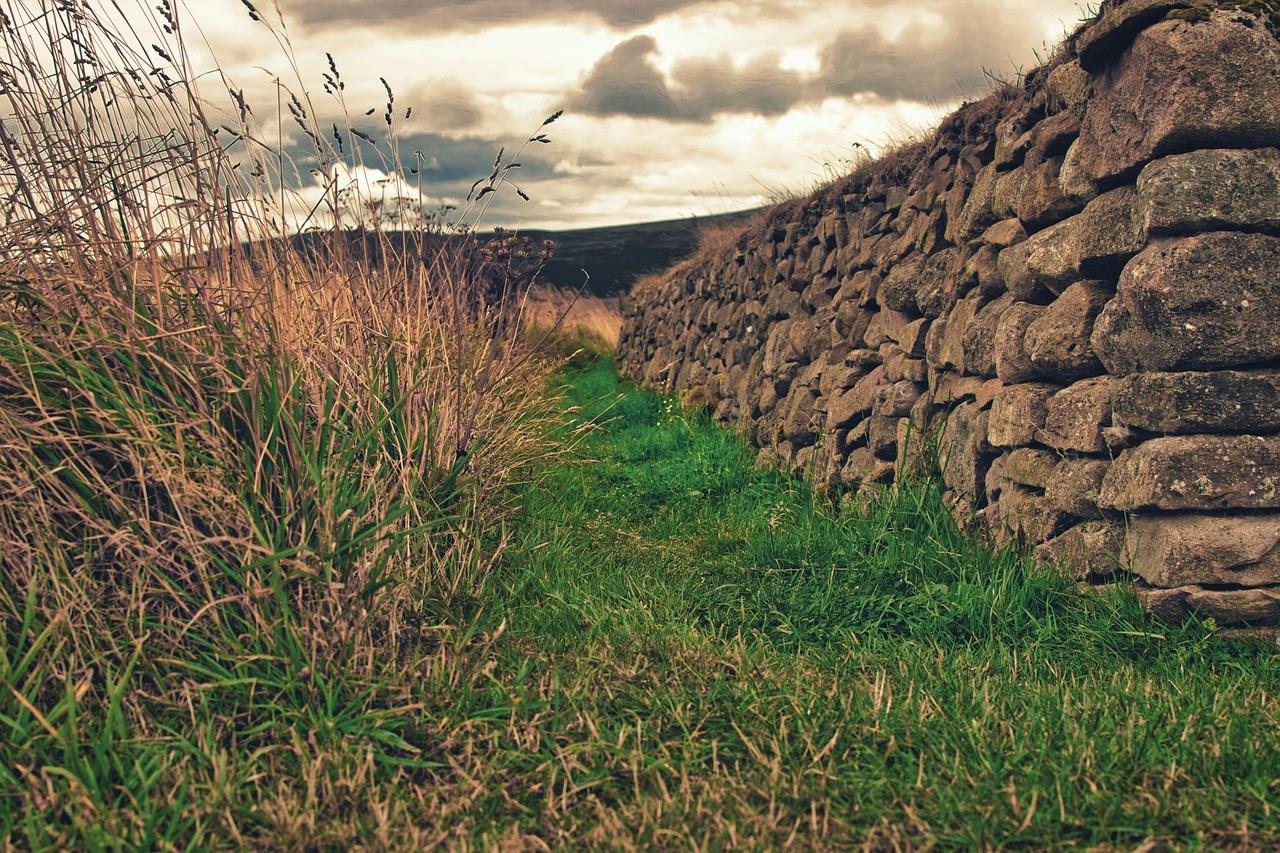
Culloden, located just outside Inverness in the Scottish Highlands, is the site of one of the most significant and sobering moments in Scotland’s history. On April 16, 1746, the Battle of Culloden marked the violent end of the Jacobite uprising led by Charles Edward Stuart, better known as Bonnie Prince Charlie. In under an hour, the hopes of restoring the Stuart monarchy were crushed by government forces.
Central African Republic
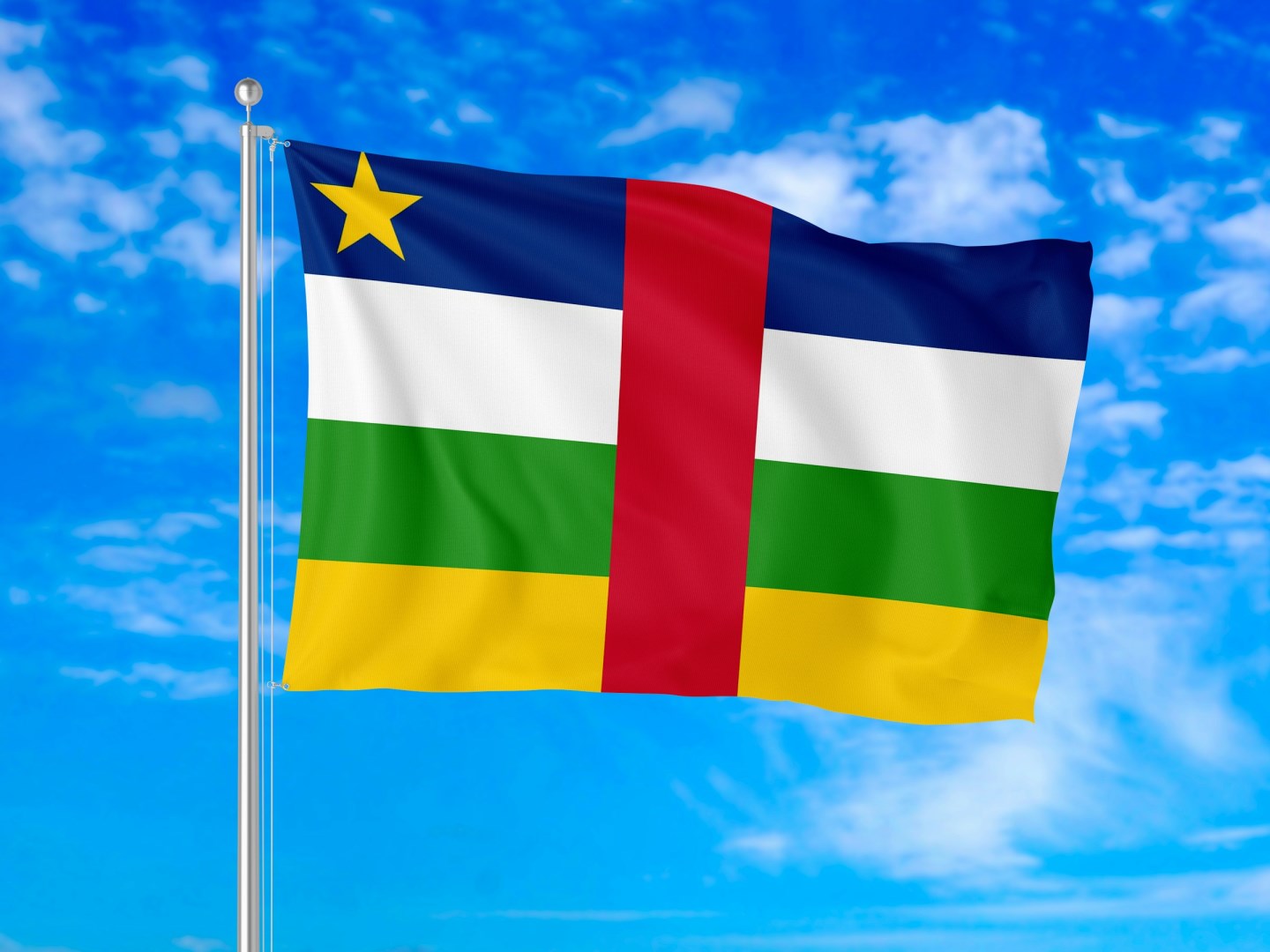
Central African Republic, republic in central Africa, bordered on the north by Chad, on the east by Sudan, on the south by Zaire and the Republic of the Congo, and on the west by Cameroon. The landlocked nation has an area of 622,436 sq. km (about 240,323 sq. mi). Bangui is the capital and largest city.
