
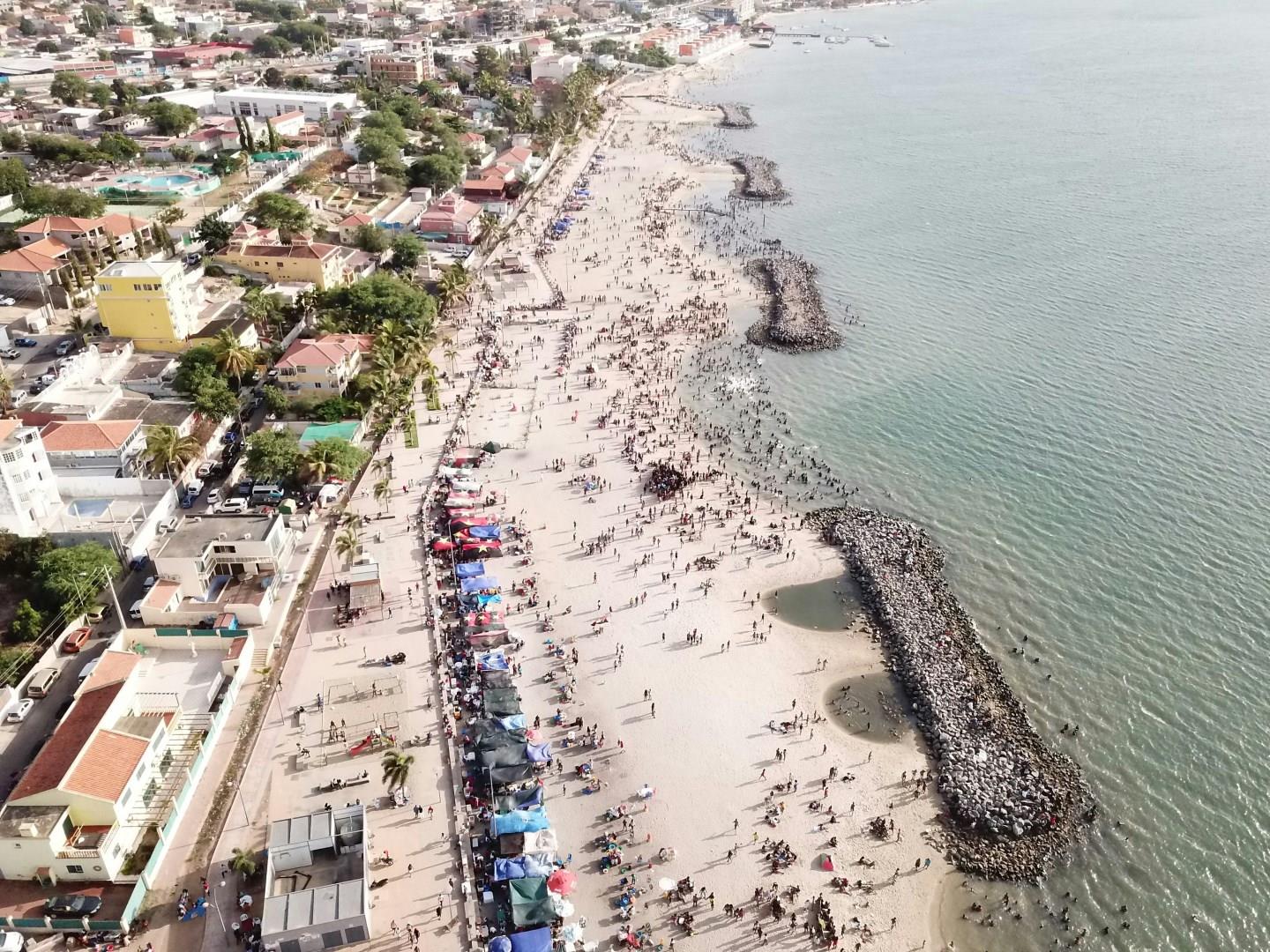
Luanada
Luanda, the vibrant capital of Angola, is the country's largest city and primary economic hub, known for its bustling energy and rich cultural scene. Modern Luanda is characterized by its dynamic growth and development. The city boasts an impressive skyline, including the Avenida 4 de Fevereiro, a major thoroughfare lined with modern high-rises and vibrant markets. The Baía de Luanda, a stunning bay area, offers beautiful waterfront promenades and opportunities for relaxation and leisure.
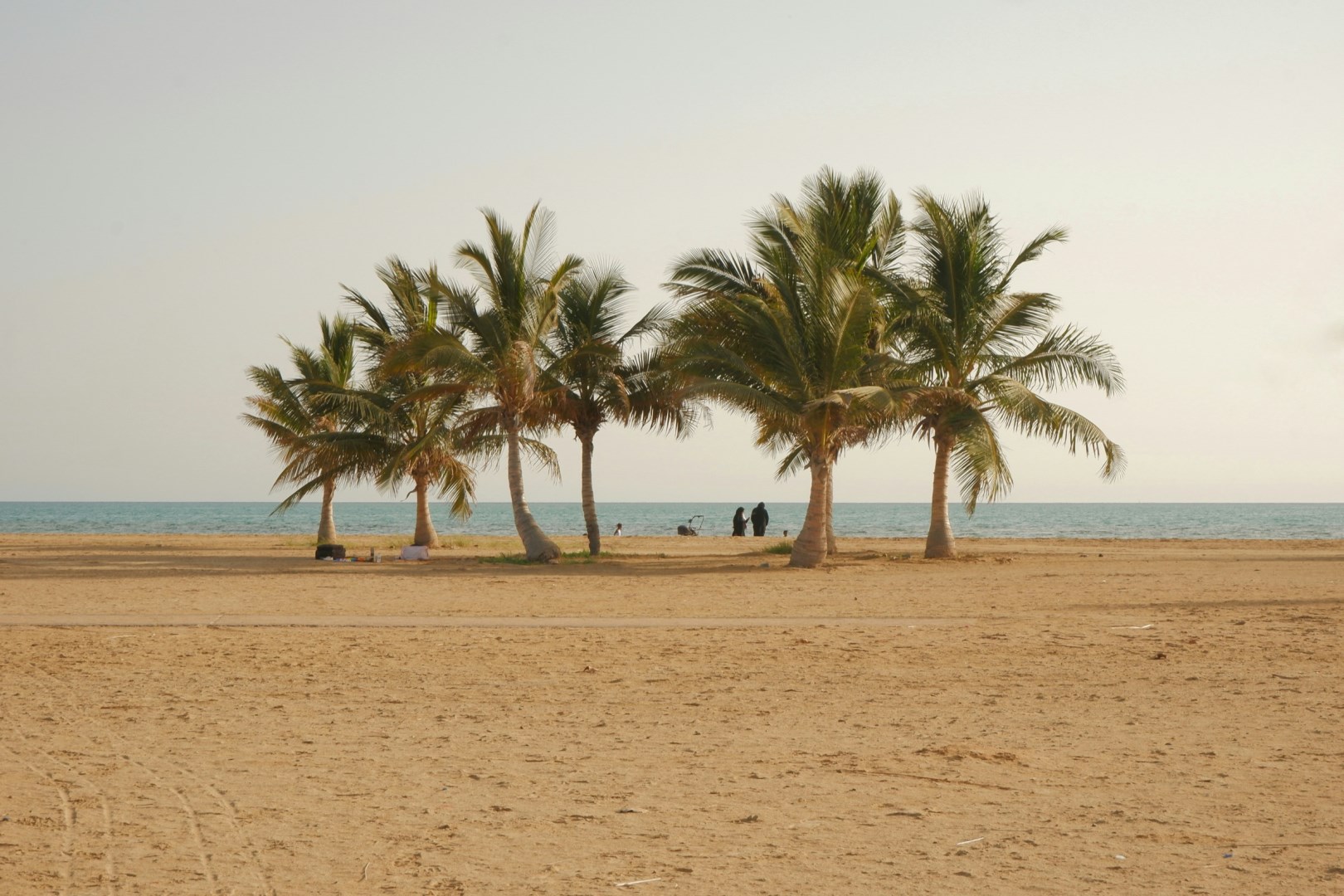
Yanbu
Yanbu, located on the Red Sea coast of Saudi Arabia, is a city where ancient history meets modern allure. As one of Saudi Arabia’s oldest port cities, Yanbu has a rich maritime heritage that is evident in its well-preserved historical sites. A visit to the Yanbu Historic Area reveals charming traditional architecture and the vibrant local culture.
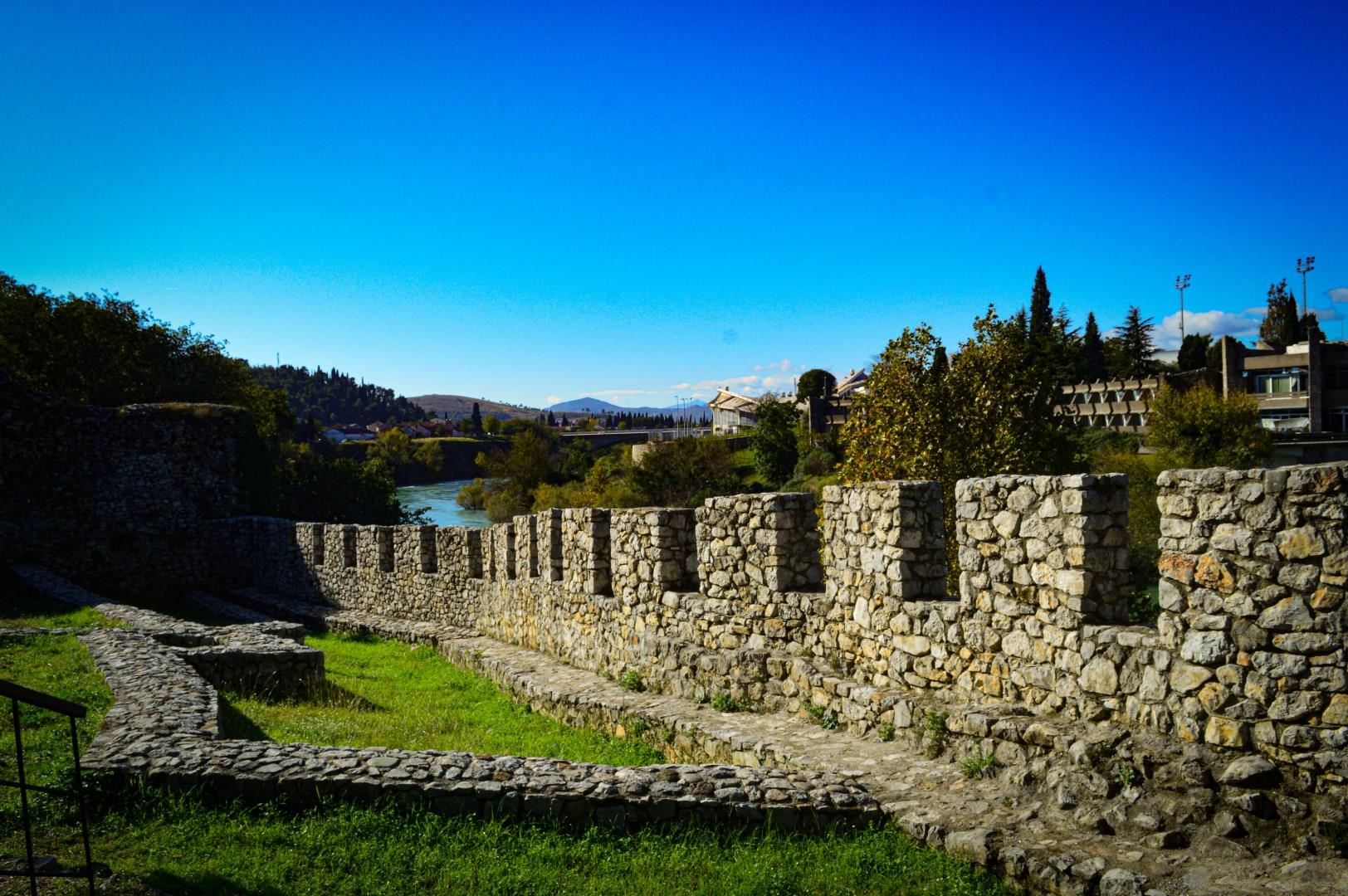
Podgorica
Podgorica, the capital of Montenegro, showcases the country’s contrasting landscapes and deep-rooted history. Although much of the city was rebuilt after World War II, traces of its Roman and Ottoman past still remain. Visitors can explore the ruins of Doclea, a Roman settlement just outside the city, where surviving columns and mosaics give a glimpse into life nearly two millennia ago.

Lahnstein
Lahnstein is located at the confluence of the rivers Rhine and Lahn. Situated between the tranquil Lahn Valley and the bustling energy of the Rhine, Lahnstein has developed a unique character and offers a wide variety of activities for visitors.
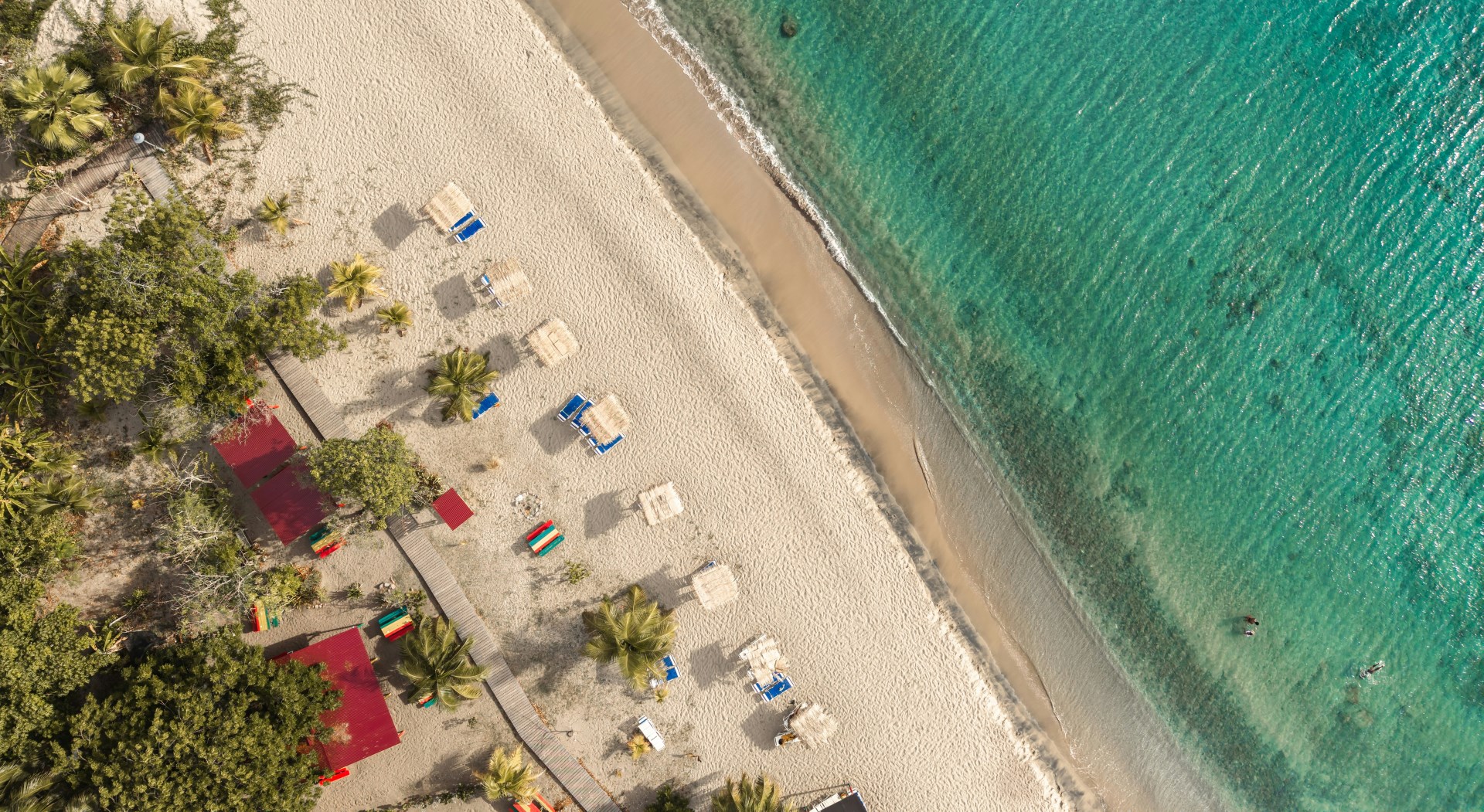
Charlestown
Charlestown is the historic capital of Nevis, located on the island’s west coast beside the Caribbean Sea. The compact town retains much of its Georgian-era layout, with low stone buildings, wooden houses, narrow streets, and a waterfront facing Saint Kitts across The Narrows. Charlestown also serves as an important ferry and water-taxi arrival point, connecting Nevis with neighbouring islands.
