
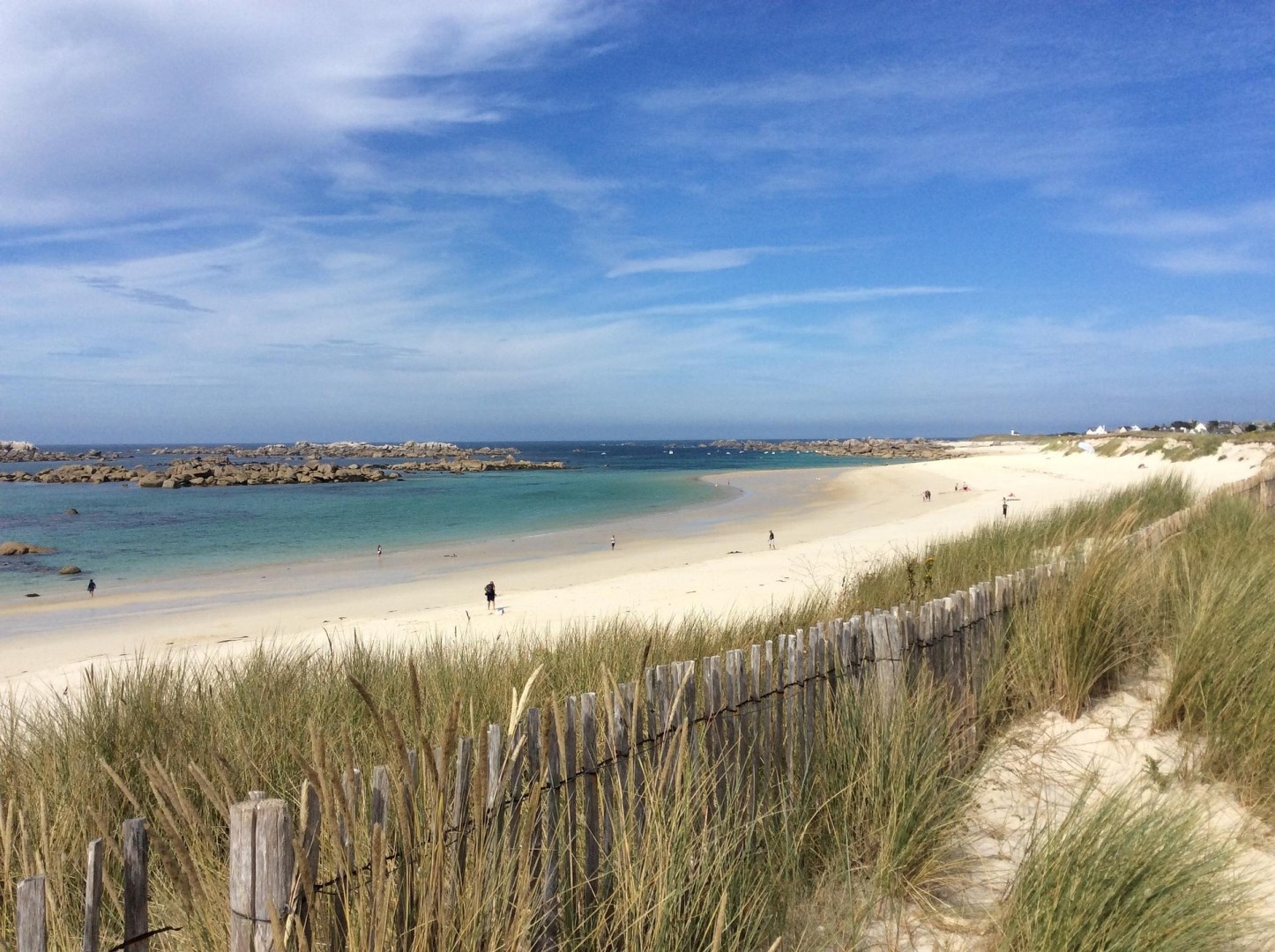
Brittany
Brittany is a region in northwestern France defined by a long Atlantic coastline, historic towns, fishing ports, farmland, and a strong regional identity. Its landscape ranges from sandy beaches and rocky headlands to tidal estuaries, islands, and inland forests. Cities such as Rennes, Saint-Malo, and Vannes provide different perspectives on Breton life, while smaller places such as Dinan, Locronan, and Rochefort-en-Terre preserve traditional architecture.
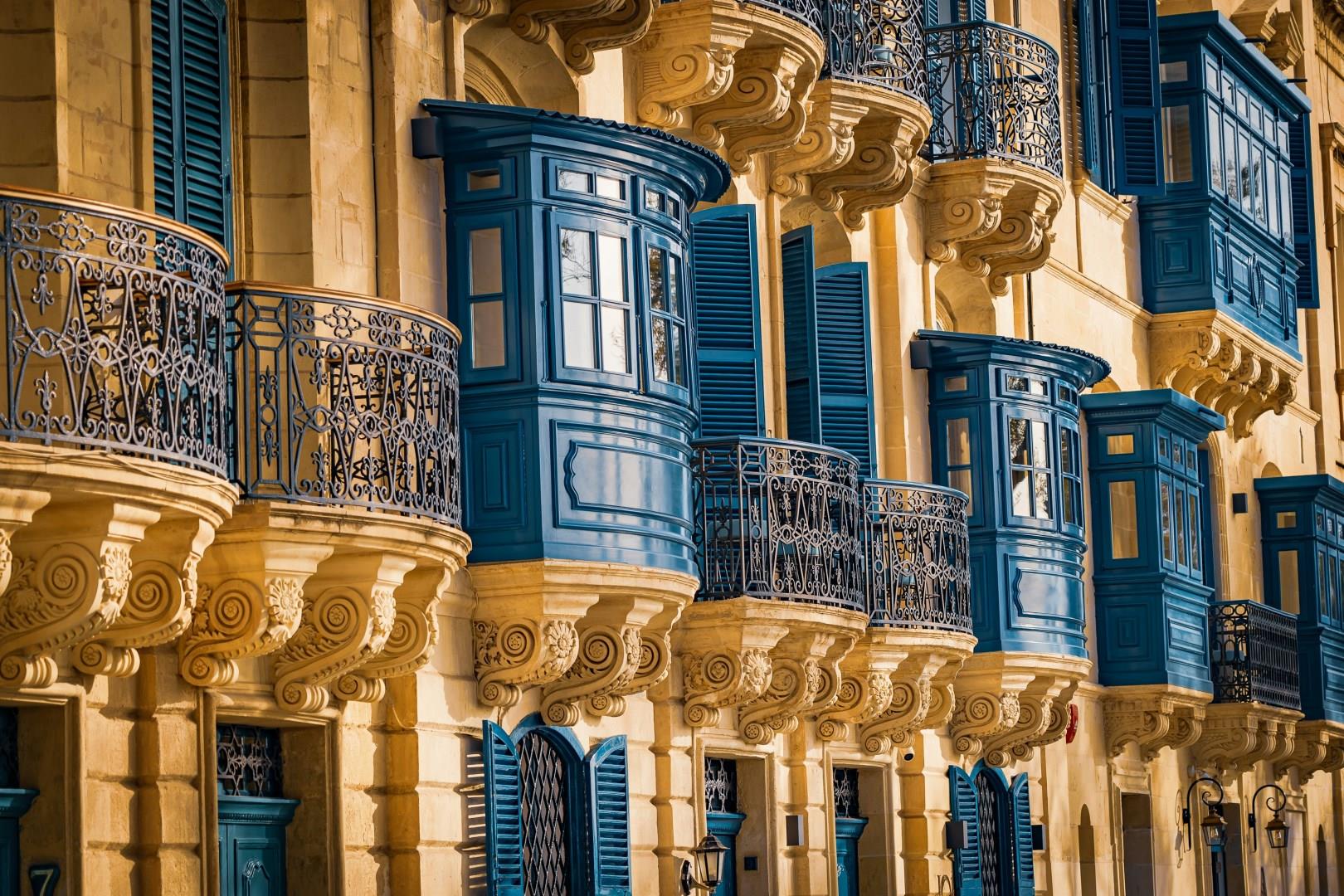
Valleta
Malta’s ornate and vibrant capital, Valletta, dazzles travelers with its abundance of historical landmarks and striking architecture. This island jewel off the coast of Italy remains a popular destination for Mediterranean cruises. From central St. George’s Square, to sixteenth-century Casa Rocca Piccola, to the Siege Bell War Memorial, Valletta has no shortage of monuments detailing the city’s long history.
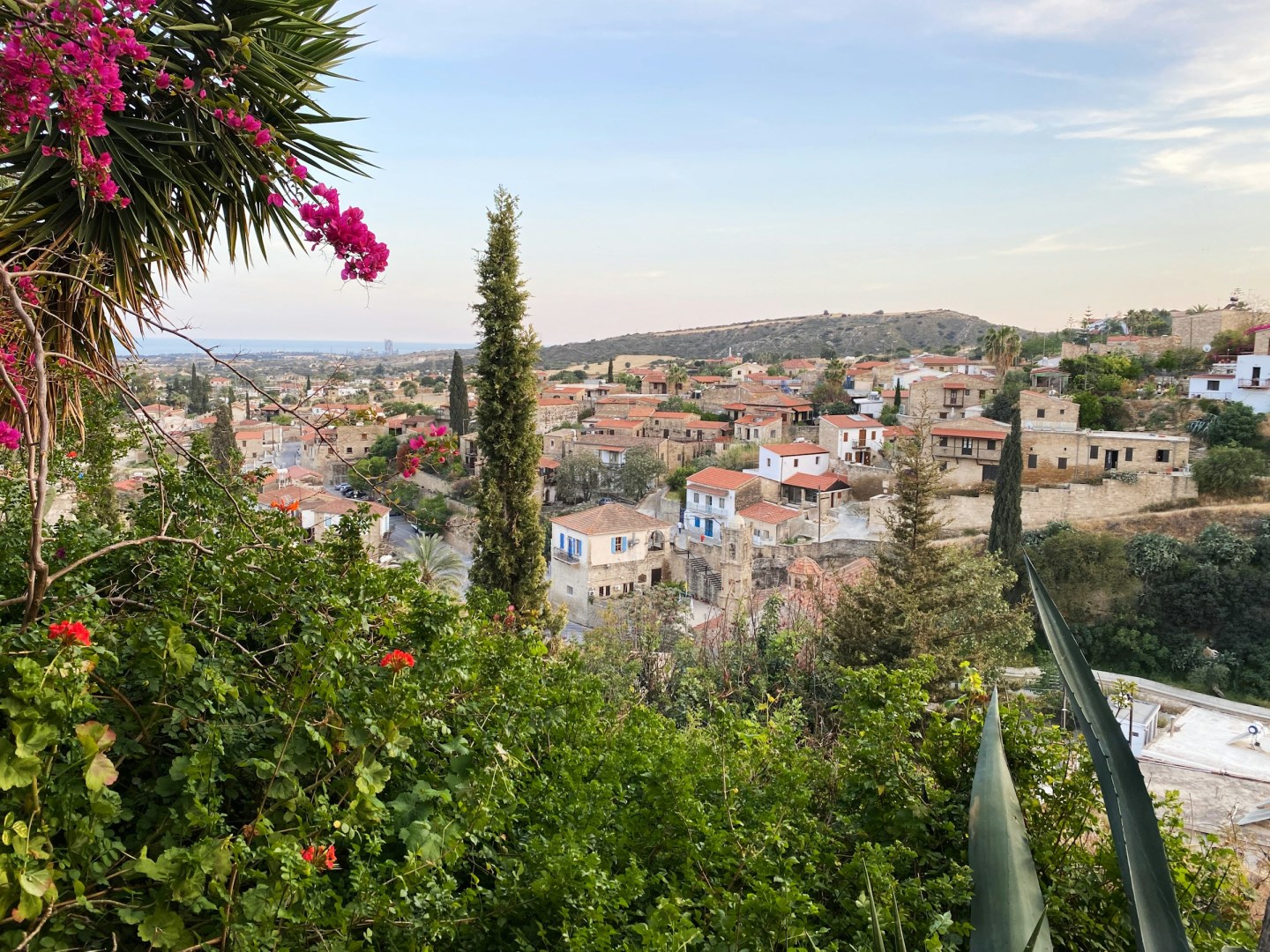
Larnaca
Larnaca is a coastal city in southeastern Cyprus, built around a broad bay on the Mediterranean Sea. It is one of the island's main urban centers and combines a long waterfront, sandy beaches, historic neighborhoods, and archaeological sites. The palm-lined Finikoudes promenade runs beside the central beach and continues toward the old harbor and medieval castle.
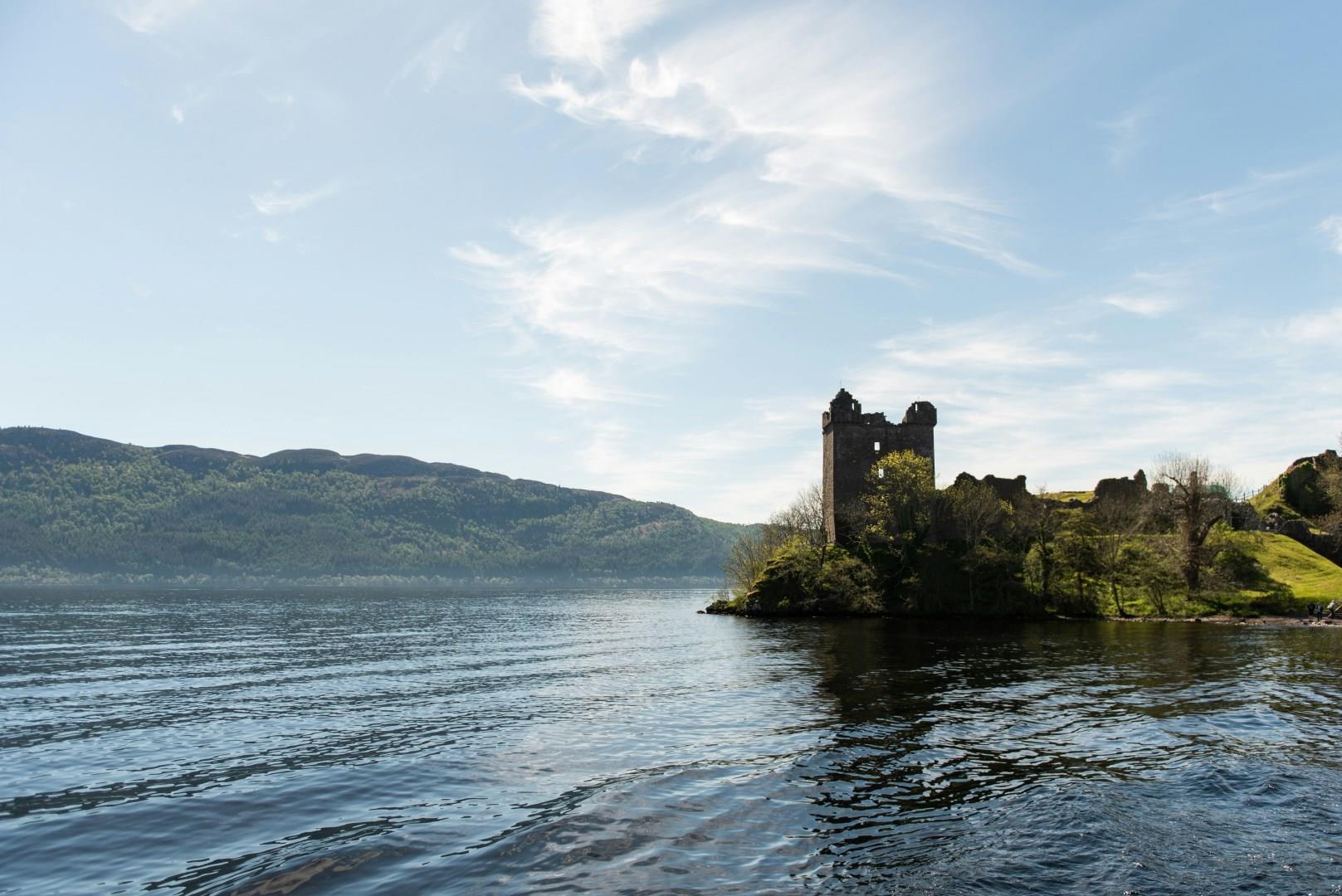
Loch Ness
Loch Ness stretches over 23 miles through the Scottish Highlands, holding more freshwater than all the lakes in England and Wales combined. Best known for its elusive resident, the so-called Loch Ness Monster, the loch has sparked international curiosity since the first modern "sighting" in 1933. While Nessie remains elusive, the surrounding landscape offers clear reasons to visit with steep hillsides, forested trails, and ancient ruins framing one of Scotland’s most iconic bodies of water.
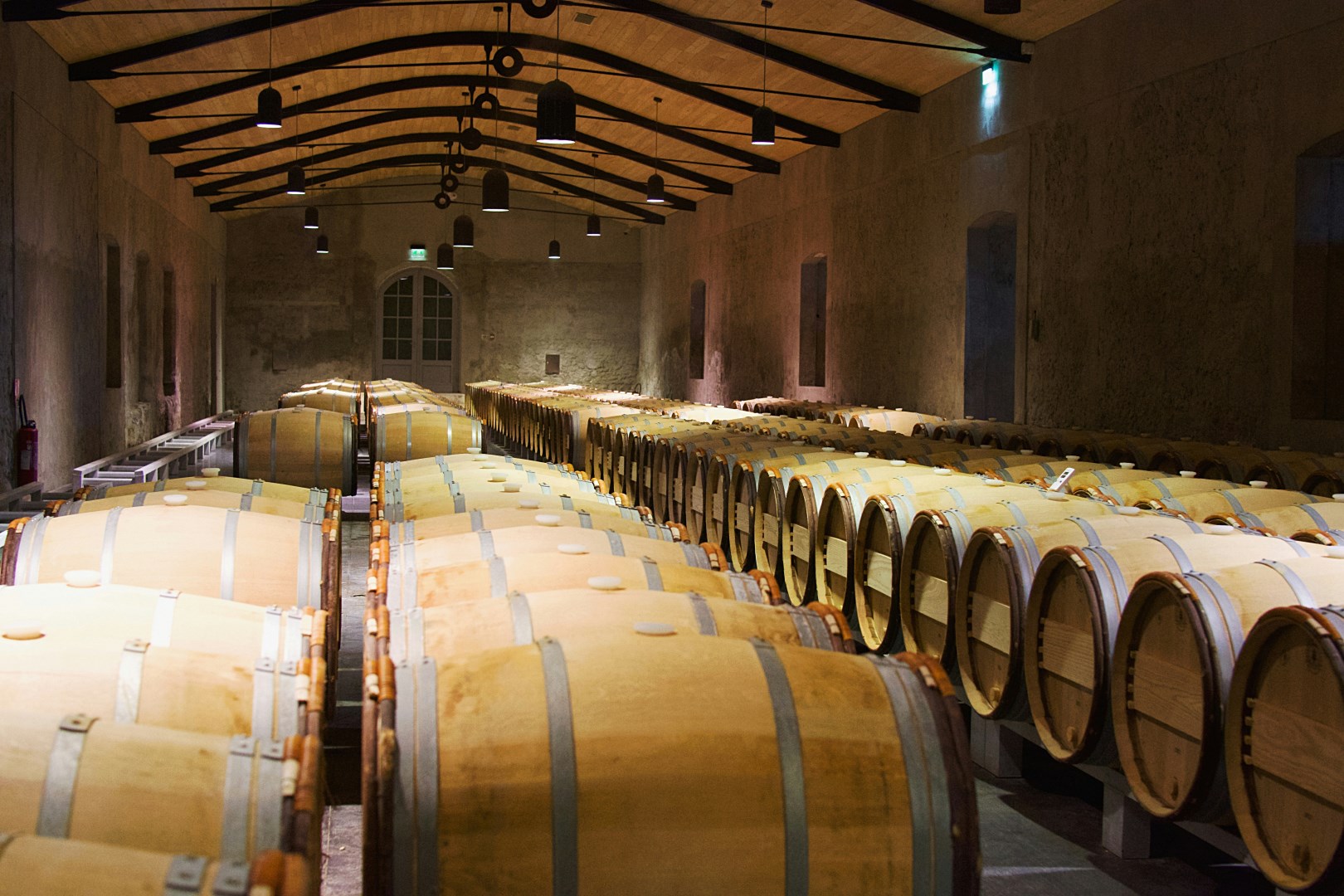
Medoc
Médoc is a peninsula in southwestern France, located between the Atlantic Ocean and the Gironde estuary, north of Bordeaux. It is widely recognized for its vineyards, which produce some of the country’s most established wines, particularly red varieties based on Cabernet Sauvignon and Merlot.
