
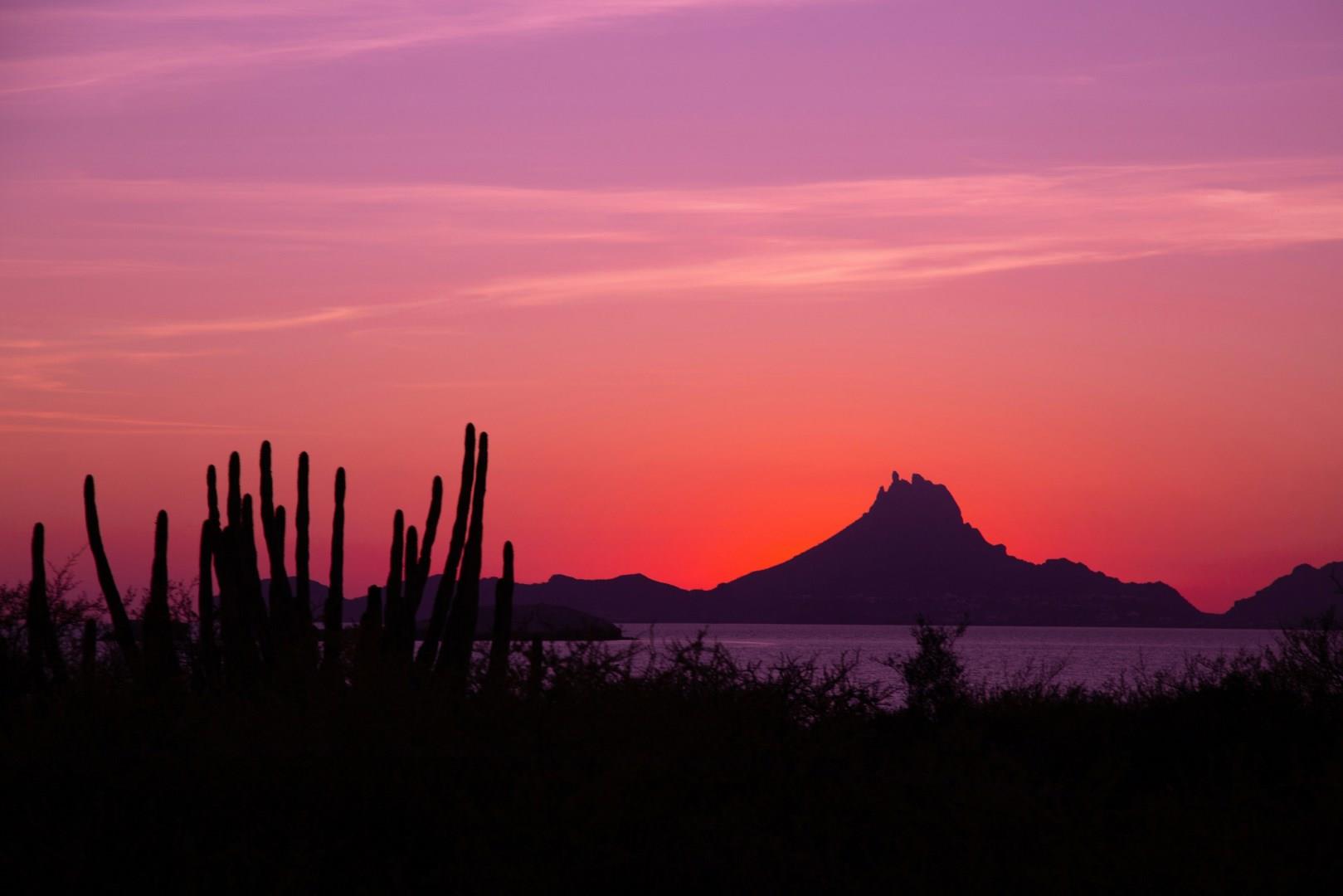
Guaymas
Guaymas lies along the Gulf of California in the Mexican state of Sonora, shaped by its role as a working port rather than a resort city.
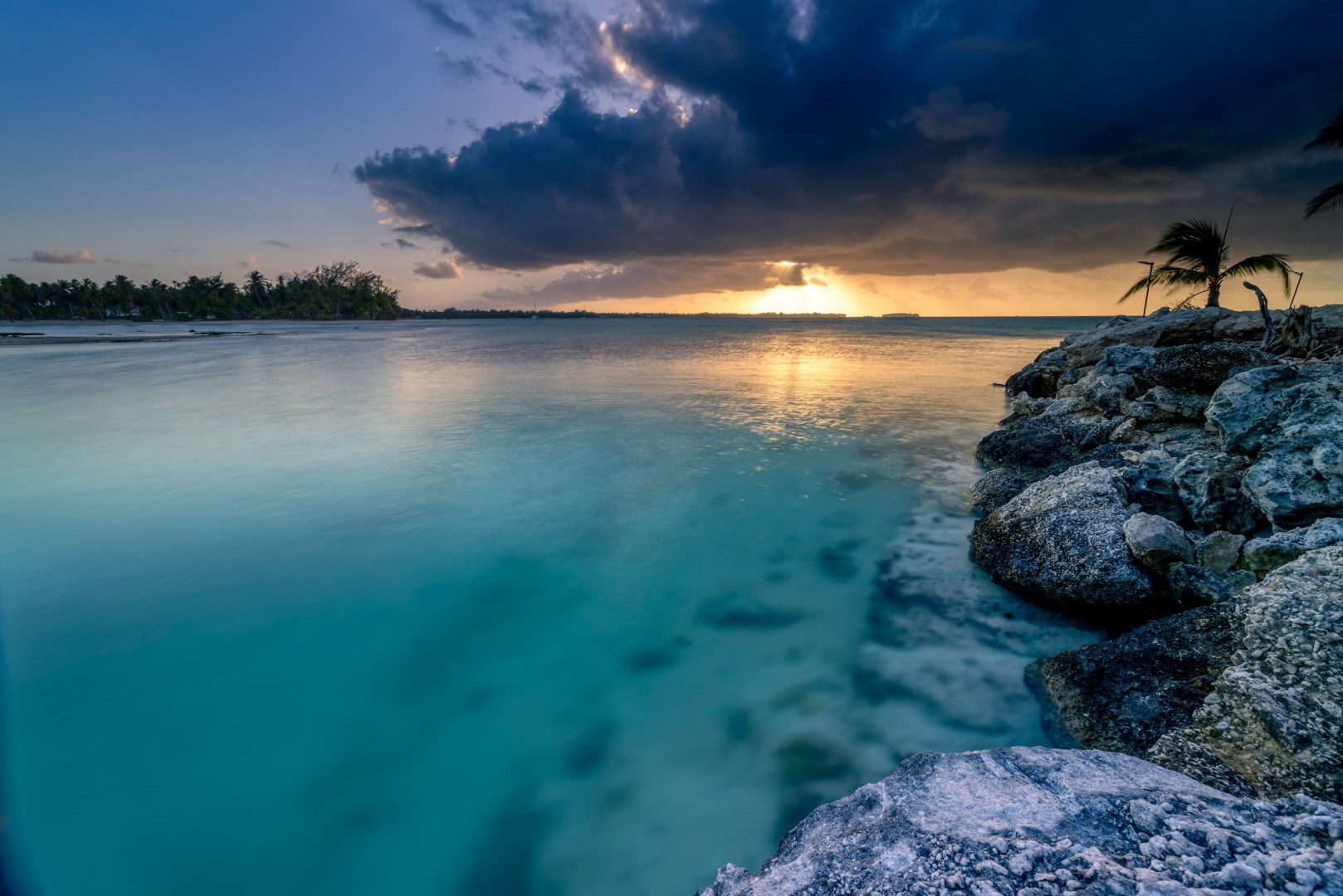
Tikehau
Tikehau is a small coral atoll in the Tuamotu Archipelago of French Polynesia, northeast of Tahiti. Its oval lagoon is enclosed by a narrow chain of coral islets known as motu, with only a few channels connecting the lagoon to the open Pacific. Most of the land is low and covered with coconut palms, coastal vegetation, and white- and pink-tinged sand.
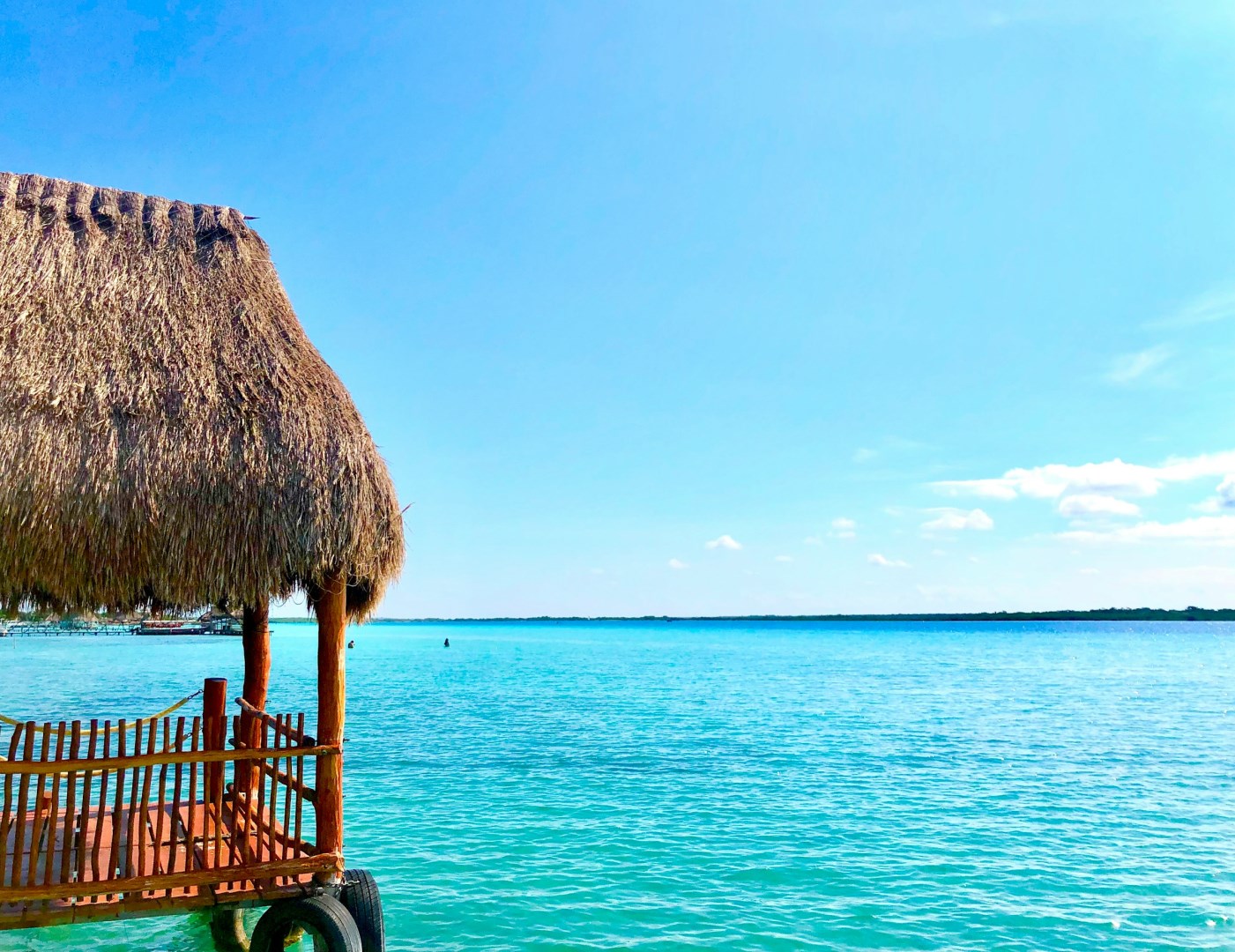
Bacalar
Bacalar sits on the tranquil shores of Laguna de Bacalar in southern Quintana Roo, Mexico, and has been a meeting place for people and cultures for centuries. Its name comes from the ancient Maya phrase Sian Ka’an Bakhalal, meaning “where the sky is born,” a reminder of how deeply this place figures in regional history and identity.

Fiordland National Park
Fiordland National Park, located on the southwestern tip of New Zealand's South Island, is a breathtaking wilderness that captivates visitors with its dramatic landscapes of towering fjords, cascading waterfalls, and lush rainforests. Established in 1952, Fiordland is part of the Te Wahipounamu UNESCO World Heritage site, recognized for its stunning natural beauty and unique biodiversity.
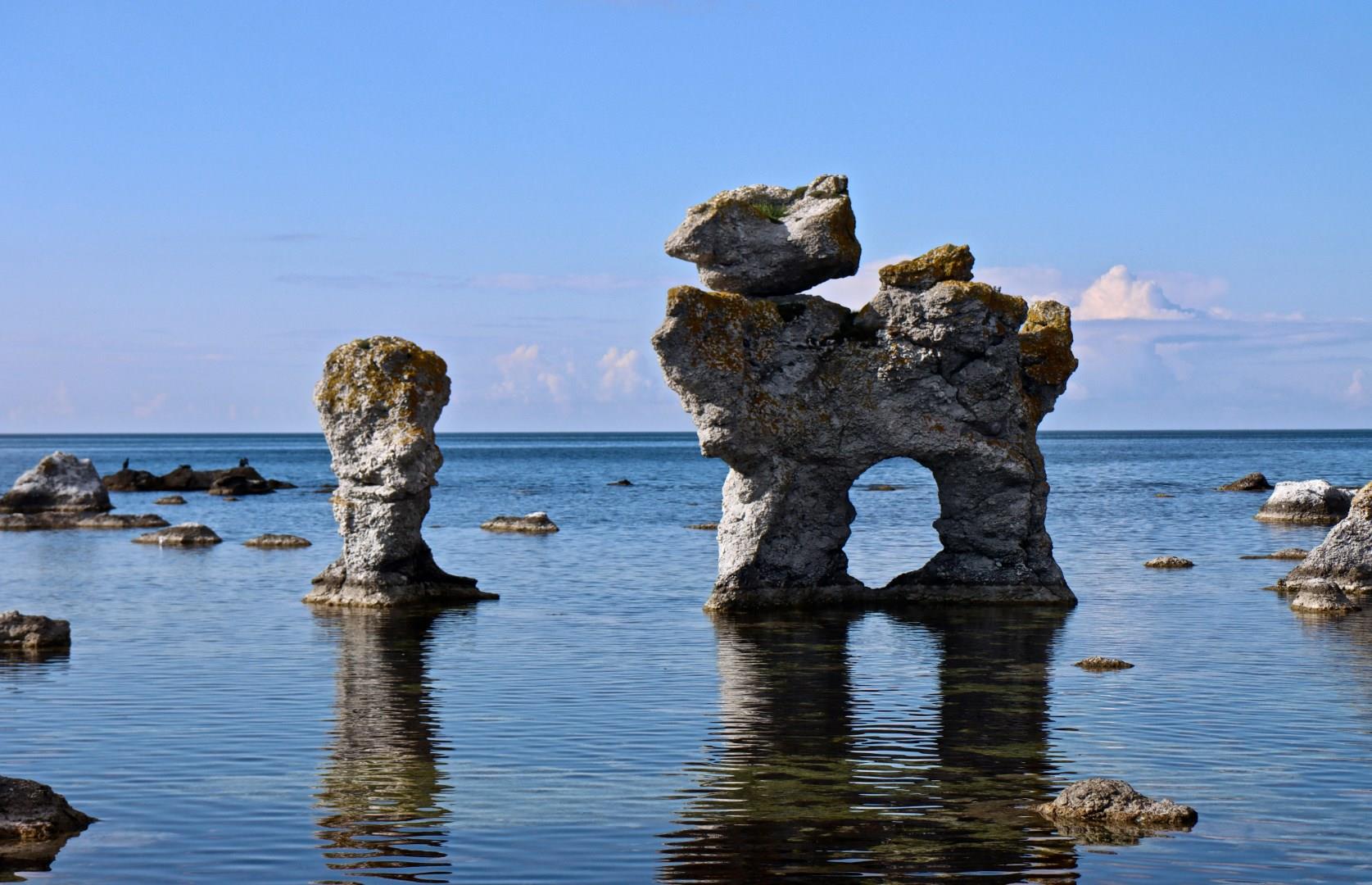
Gotland
Gotland, Sweden’s largest island, sits in the Baltic Sea and feels like a world of its own. Its main town, Visby, is a UNESCO World Heritage site and one of the best-preserved medieval towns in Northern Europe. Surrounded by a 3.5-kilometer stone wall with original towers still intact, Visby once served as a key Hanseatic trading hub. Visitors can walk along cobbled streets lined with rose-covered cottages, explore Gothic church ruins, and climb up the city wall for views over the harbor.
