
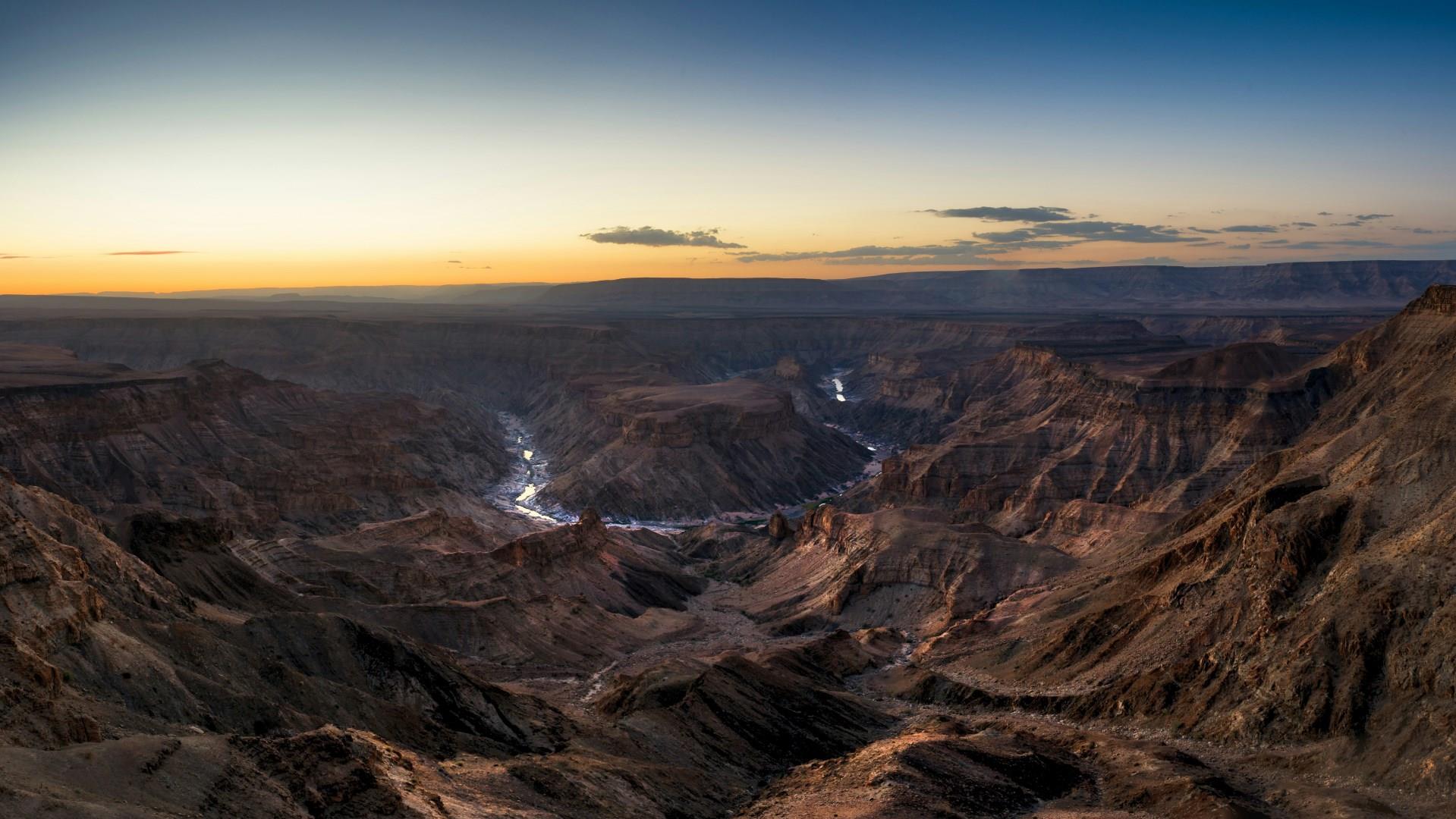
Fish River Canyon
The Fish River Canyon in southern Namibia is one of the planet’s most remarkable landforms, stretching across vast terrain in the Richtersveld Transfrontier Park. It is one of Africa’s largest canyons, carved over millions of years by the Fish River as it etched a deep, twisting gorge into the desert plateau. From high viewpoints like Hell’s Bend, visitors can see layers of rock dropping away to reveal ridges and ravines that seem to go on forever, all under wide, open skies.
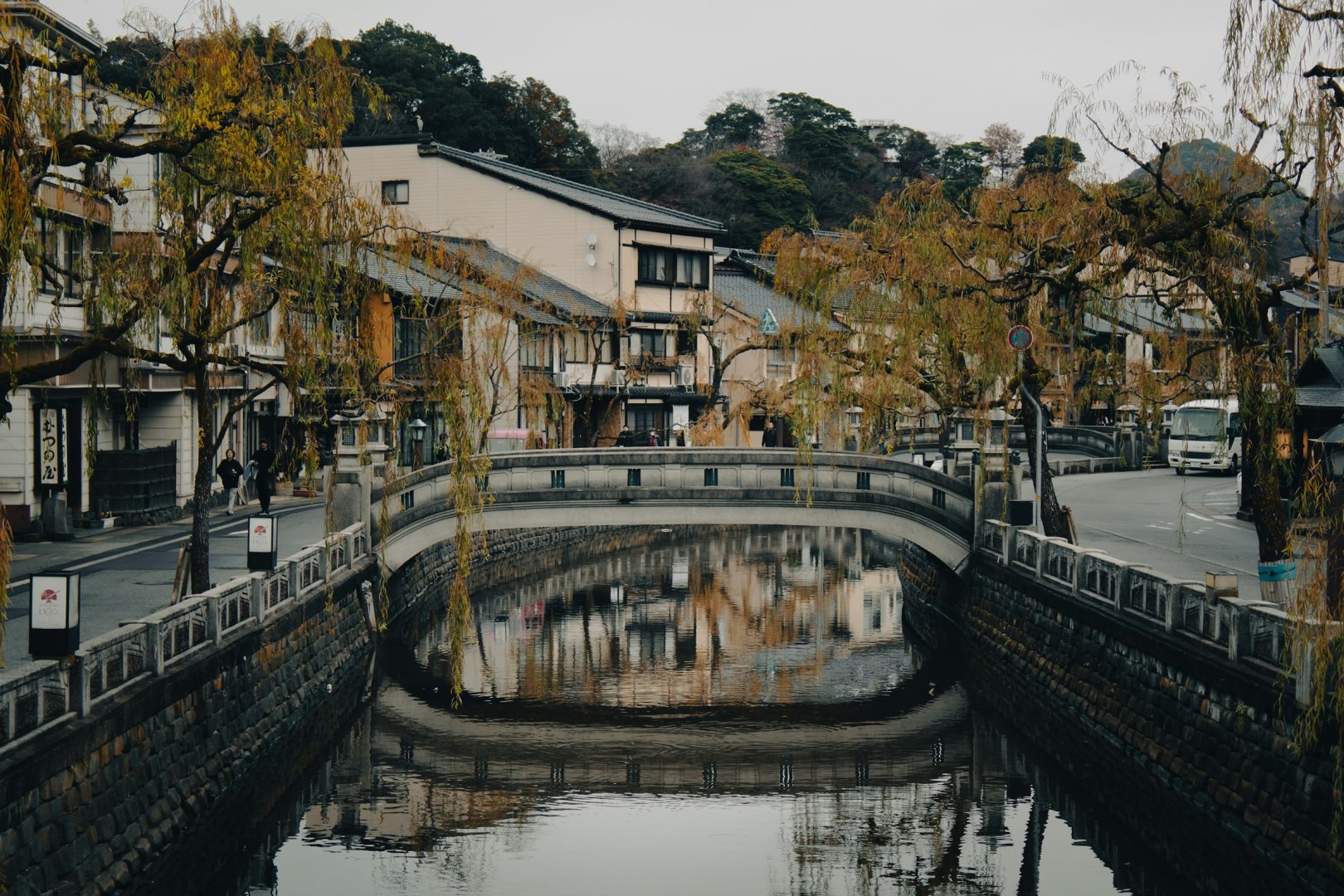
Kinosaki
Kinosaki Onsen is a resort area best known for its hot springs (onsen) as well as its charming, nostalgic atmosphere: guests of the local ryokans (traditional Japanese inns) stroll between the seven public onsen wearing yukata (literally translated as "bathing cloth," a casual version of the kimono) and geta (wooden sandals).
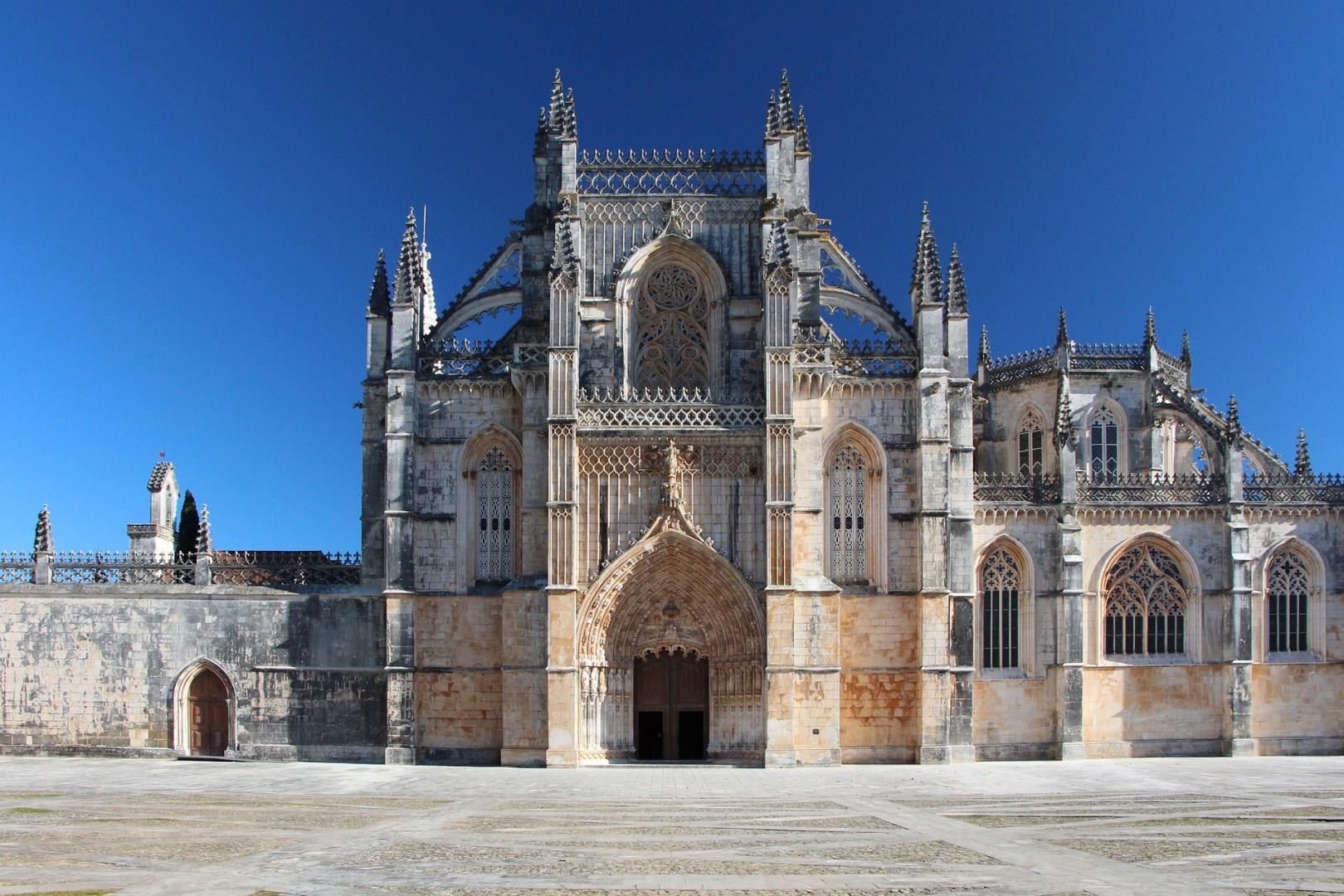
Batalha
Batalha, a small town in central Portugal, is steeped in history and home to one of the country’s most magnificent monuments, the Batalha Monastery. This UNESCO World Heritage Site, also known as the Monastery of Santa Maria da Vitória, was built to commemorate the Portuguese victory over Castile at the Battle of Aljubarrota in 1385. I

Bar
Bar, a coastal town in Montenegro, is known for its scenic beaches and centuries-old landmarks. One of the town’s most significant historical sites is Stari Bar, an ancient fortress settlement set against the dramatic backdrop of Mount Rumija.
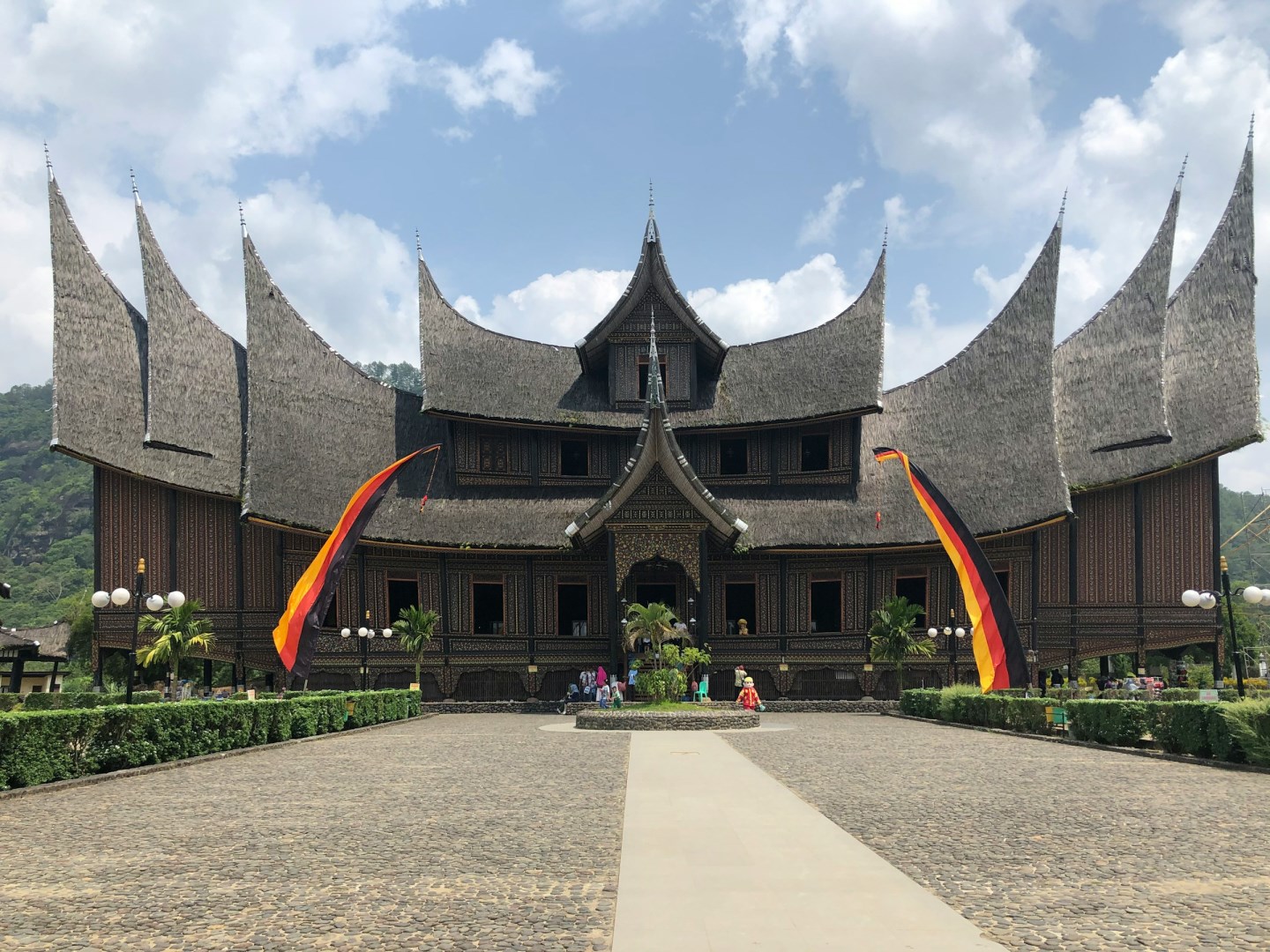
Padang
Padang is the third largest city and the capital of West Sumatra. It is the biggest seaport along its west coast, and is a center of business and government. The terrain of the city is mostly flat, and the name Padang actually means "plain." But if you venture outside of the city limits, the scenery is quite lovely going towards the neighboring city of Solok.
