
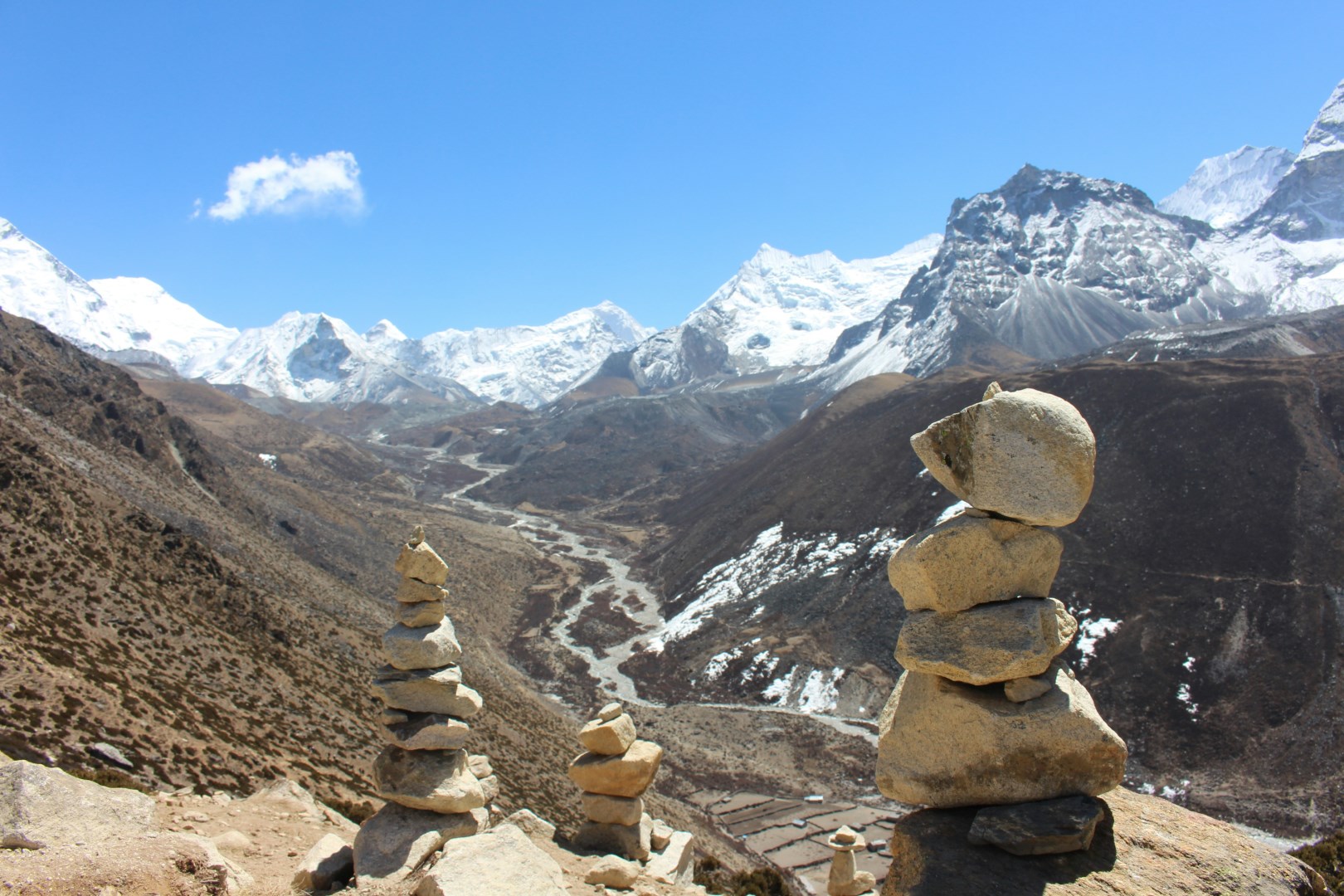
Dingboche
Set in a wide valley beneath towering Himalayan peaks, Dingboche offers a striking pause along the route toward Mount Everest. Unlike the narrower trails below, Dingboche opens into a broad landscape framed by snow-covered giants such as Ama Dablam and Lhotse. The village sits high above the tree line, where the air feels thin and clear, and the surrounding terrain shifts from forested slopes to open alpine ground.
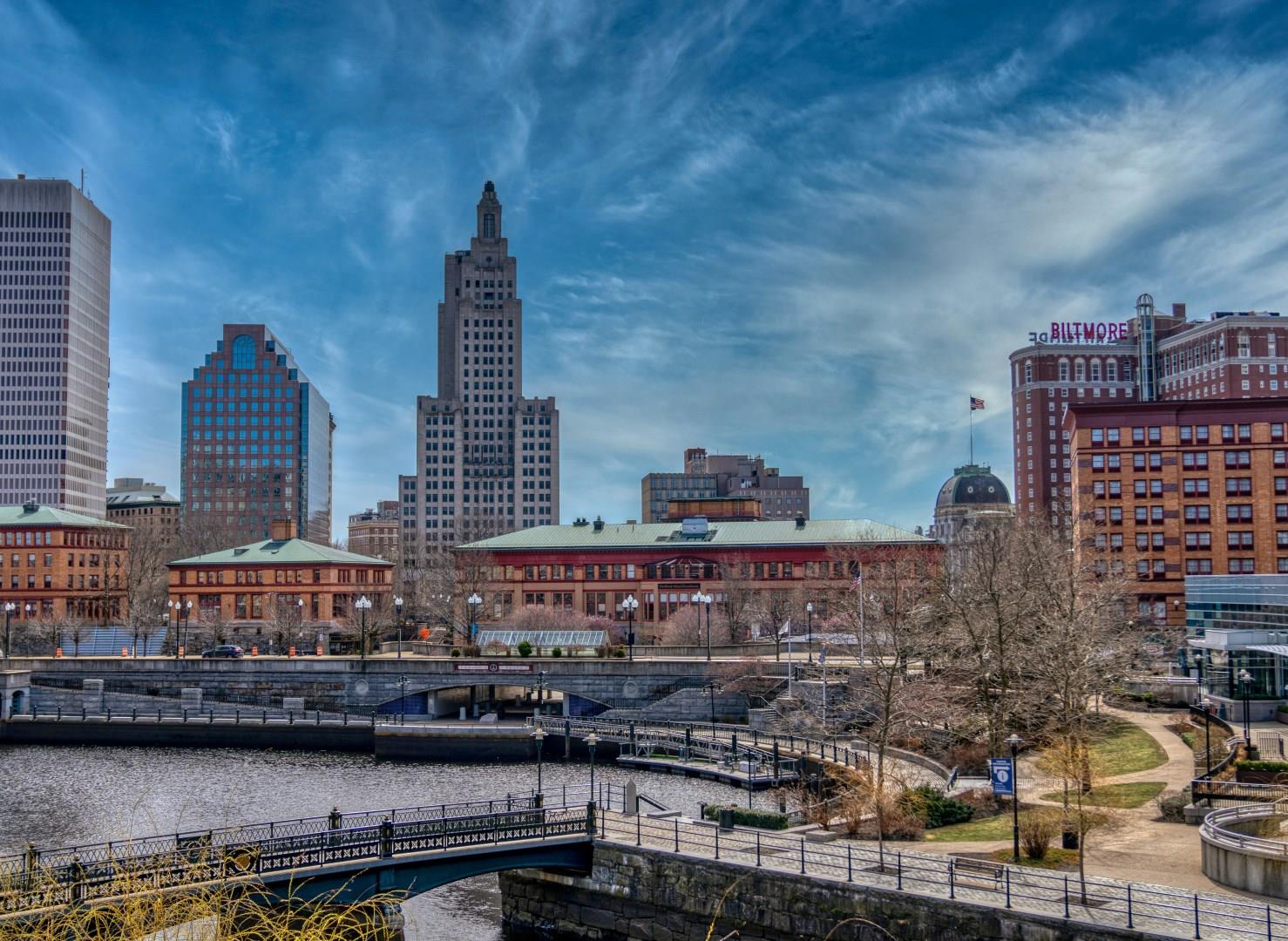
Providence
Providence, Rhode Island blends deep colonial roots with a strong creative pulse. Founded in 1636 by Roger Williams, the city became known for its dedication to religious freedom and independent thought. Walking along Benefit Street, visitors pass rows of 18th- and 19th-century homes, many of which are impeccably preserved and marked with historical plaques. The Rhode Island State House, with one of the world’s largest self-supported marble domes, towers over the downtown area and offers public
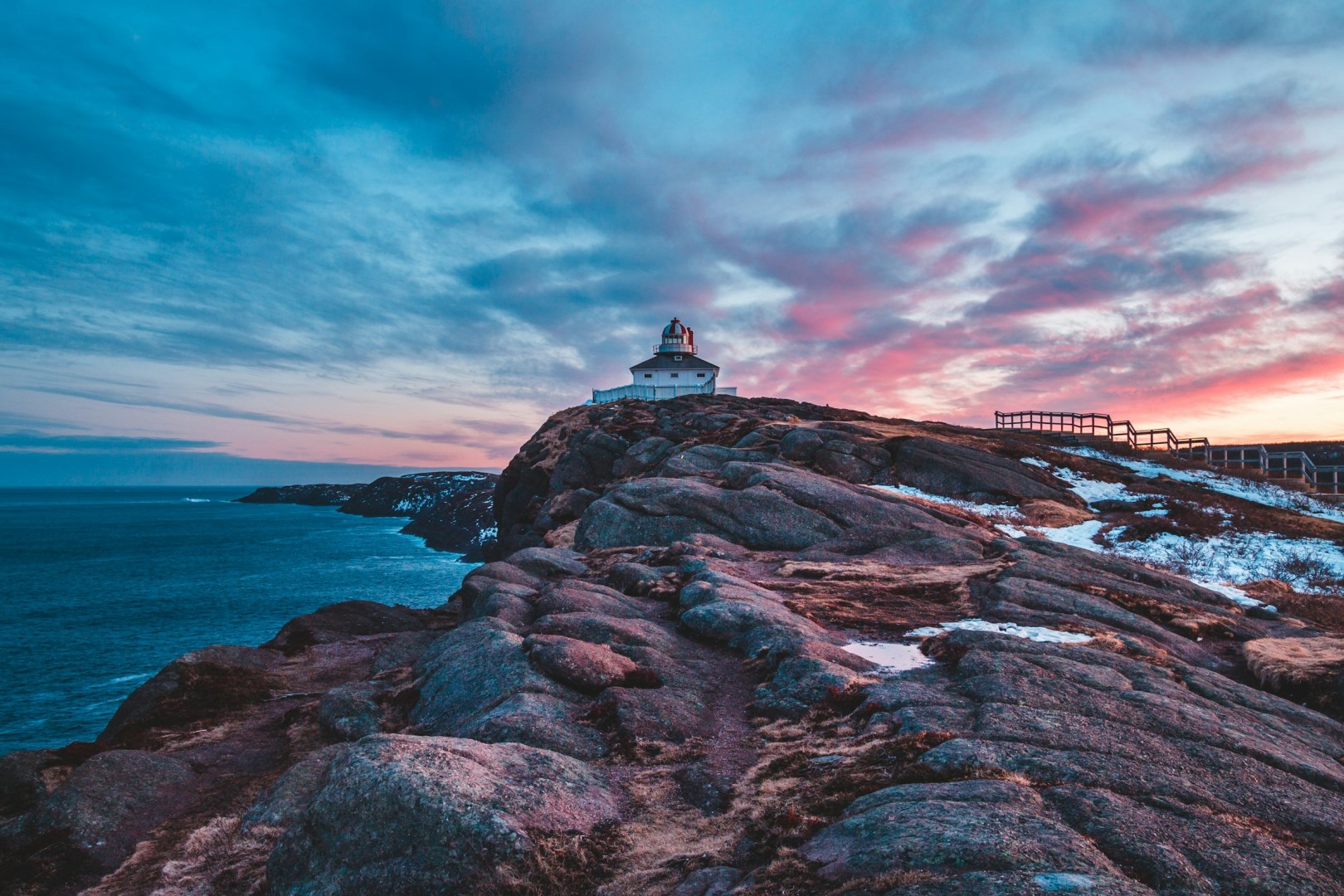
Newfoundland and Labrador
Newfoundland offers travelers a chance to immerse themselves in rugged natural beauty, rich history, and warm hospitality.
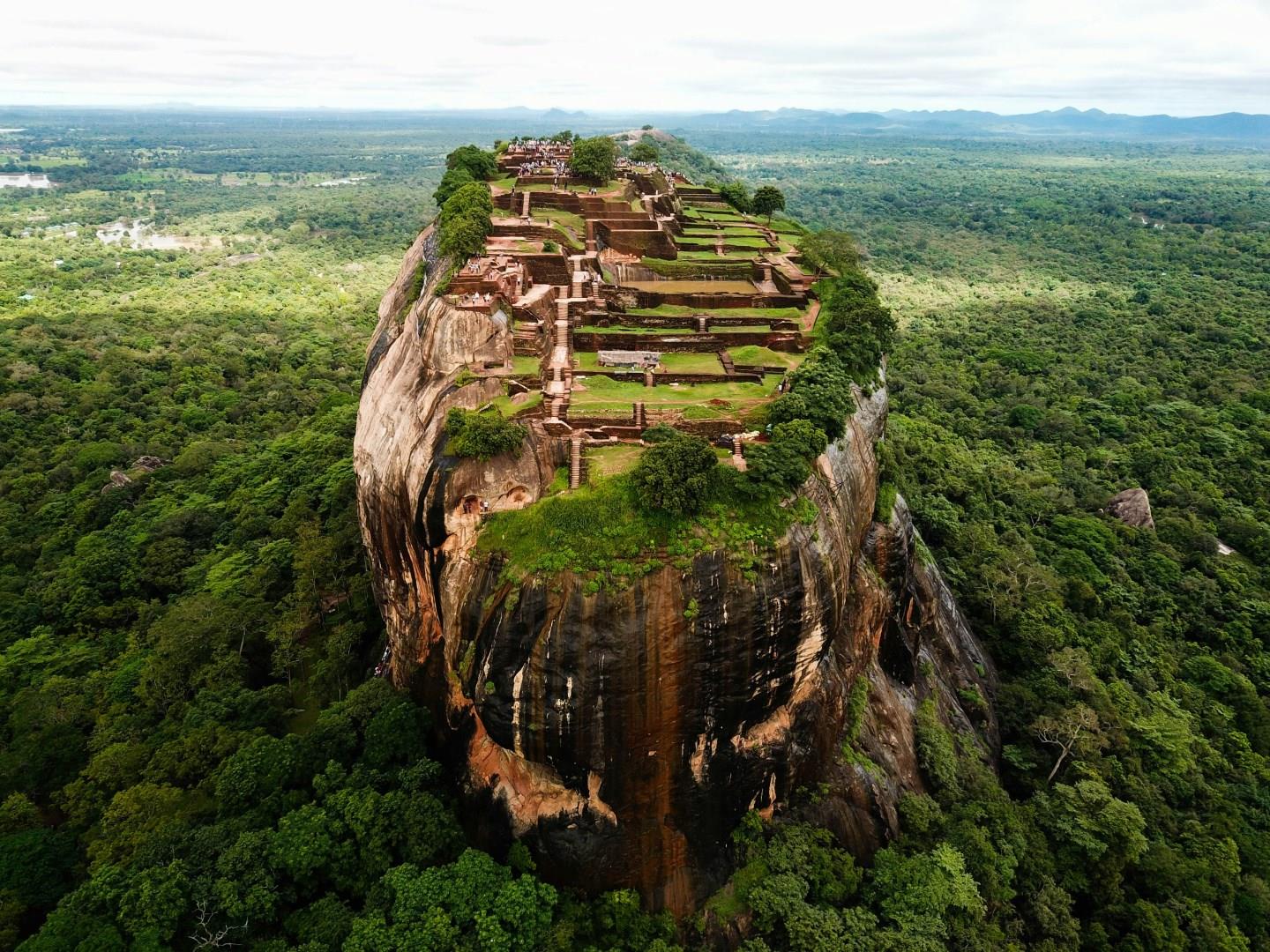
Sigiriya
Sigiriya, in central Sri Lanka, is an ancient rock fortress and one of the country’s most iconic archaeological sites. Rising nearly 200 meters from the surrounding plains, the massive granite column is crowned by the ruins of a royal palace built in the 5th century CE by King Kasyapa.
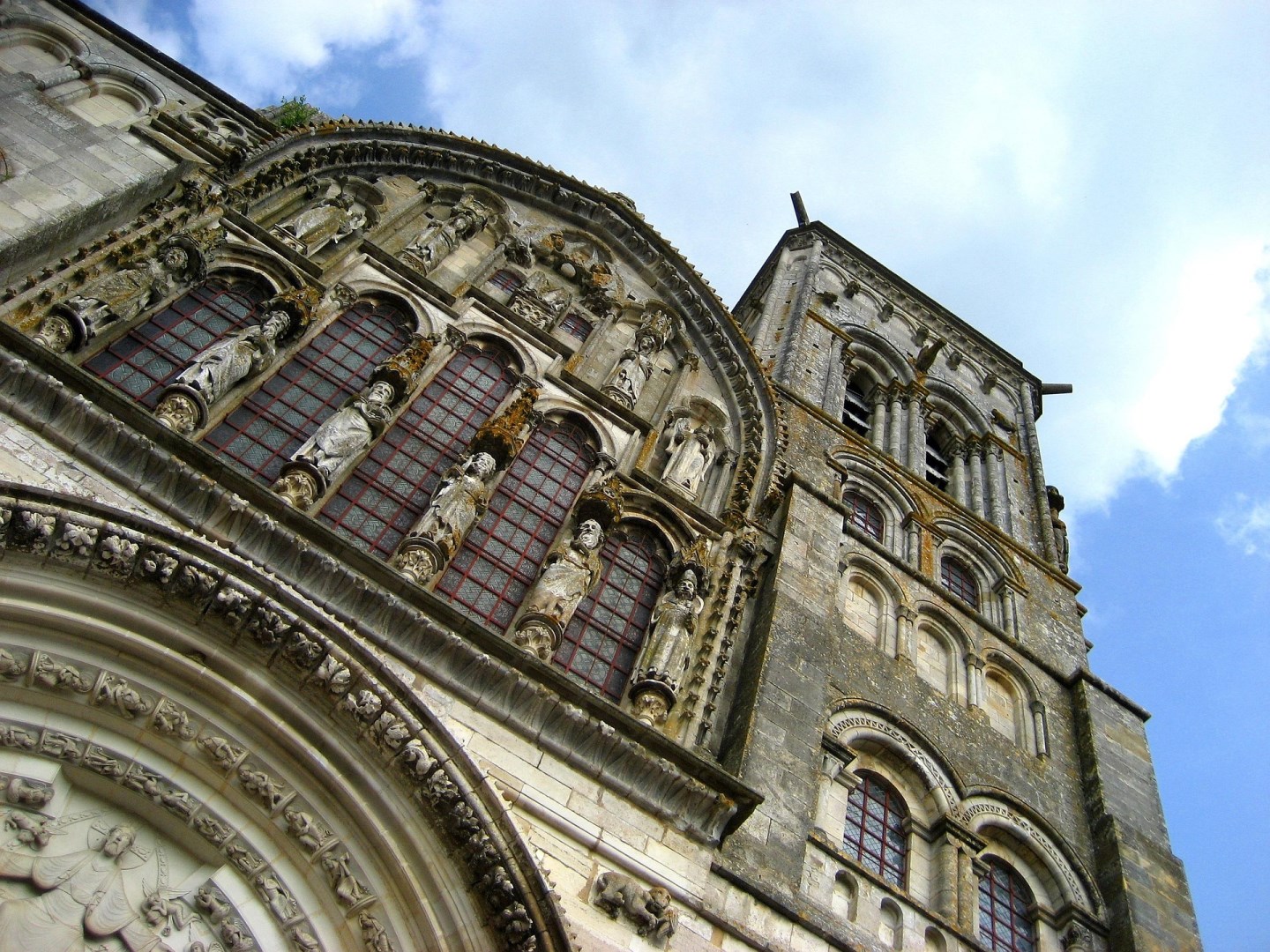
Vézelay
Perched high above Burgundy’s vineyards and fields, Vézelay is defined by its winding stone streets and the great Basilica of Sainte-Marie-Madeleine, a centuries-old destination for Christian pilgrims. Its Romanesque architecture, far-reaching countryside views, and enduring connection to the pilgrimage routes toward Santiago de Compostela give this small hilltop village an unusually rich sense of place.
