

Rotterdam
If you find yourself in Rotterdam, there's a strong chance you've arrived by water. This popular port city (the second largest in the Netherlands) has gone through an architectural renaissance since World War II, with daring, innovative structures dotting the city (cube houses!) and defining its skyline. Café culture is on the rise here, so grab yourself a table and a cup.

Great Smoky Mountains National Park
Great Smoky Mountains National Park stretches across the border of Tennessee and North Carolina, protecting a broad section of the southern Appalachian Mountains. The park is known for forested ridges, mist-covered peaks, clear streams, and an exceptional variety of plant and animal life. Its landscape changes with elevation, from rich hardwood forests in the valleys to spruce-fir forests near the highest summits.

Cairo
Upon the banks of the mighty Nile River, the renowned city of Cairo stands tall as an iconic world capital and a well-preserved relic of antiquity. Immerse yourself in this historically significant city, replete with architectural wonders, mesmerizing artifacts, and sprawling markets humming with energy.
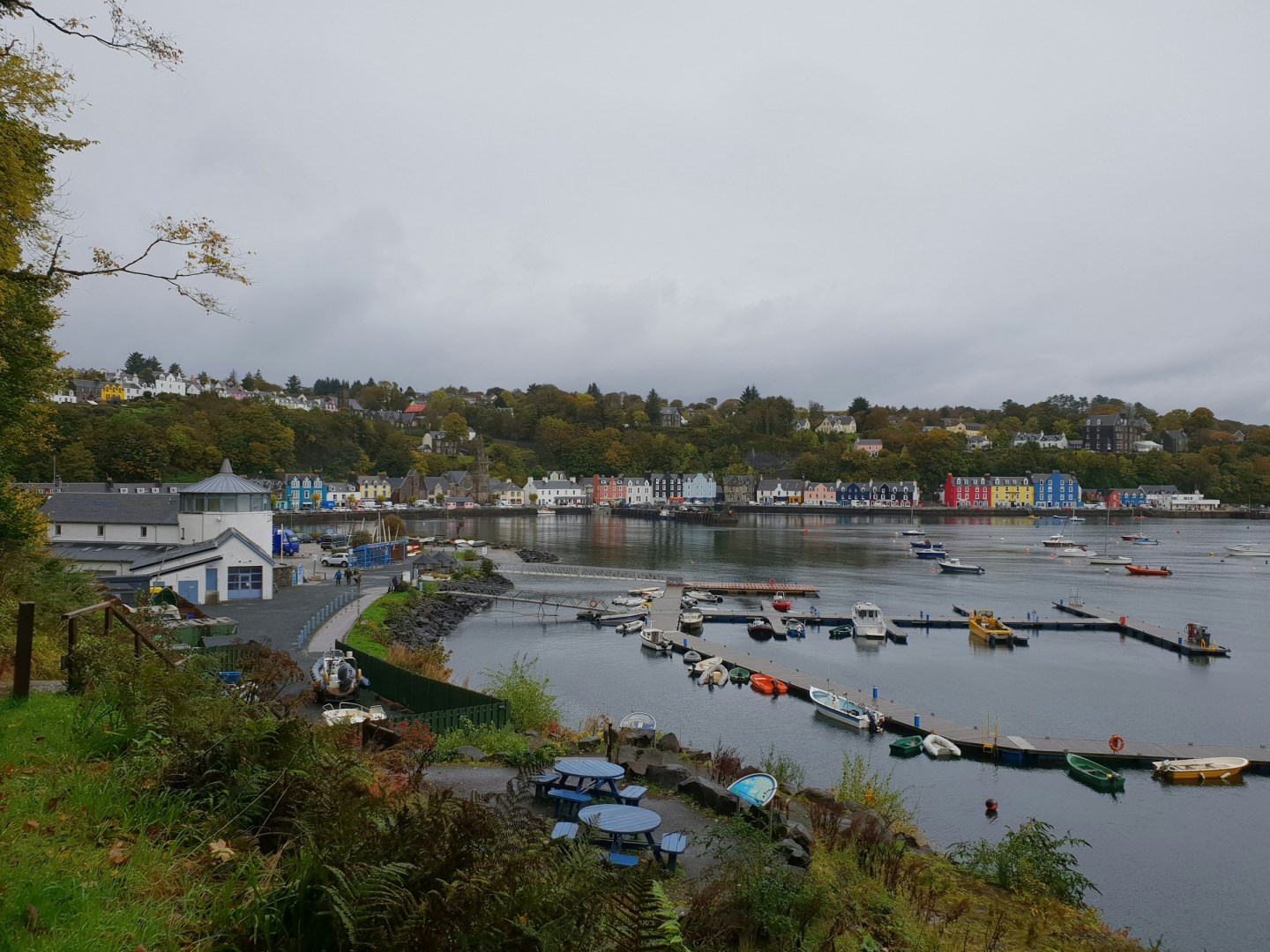
Tobermory
Tobermory is the main settlement on the Isle of Mull in Scotland’s Inner Hebrides, arranged around a sheltered natural harbor on the island’s northeast coast. Its waterfront is lined with brightly painted buildings, many of which house shops, cafés, galleries, restaurants, and guesthouses. The harbor remains active with fishing boats, pleasure craft, and ferries, while the surrounding hills rise behind the town.

Galle
Galle, a coastal city in southern Sri Lanka, is a place where history and the sea are inseparably linked. Once a vital port on the spice trade routes, Galle reached its peak under Dutch colonial rule in the 17th century, when the massive Galle Fort was built.
