
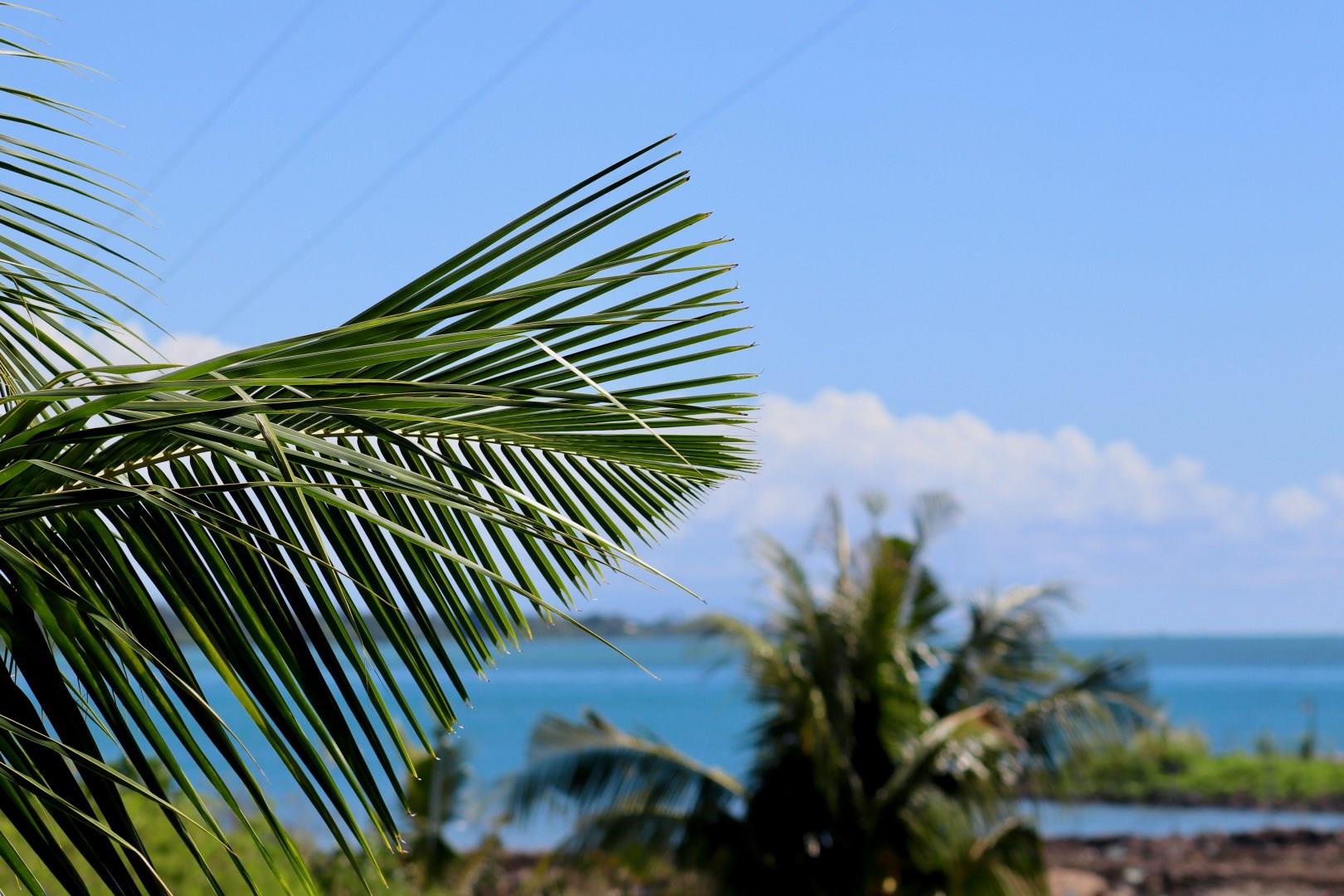
Apia
Apia, the lively capital of Samoa, sits on the north coast of Upolu island and blends the island’s rich traditions with a laid-back charm that’s hard to miss. Once a small village, Apia has grown into a central hub where local culture, commerce, and history meet. From bustling markets to quiet waterfronts, Apia offers visitors a chance to experience Samoa’s rhythm at their own pace.
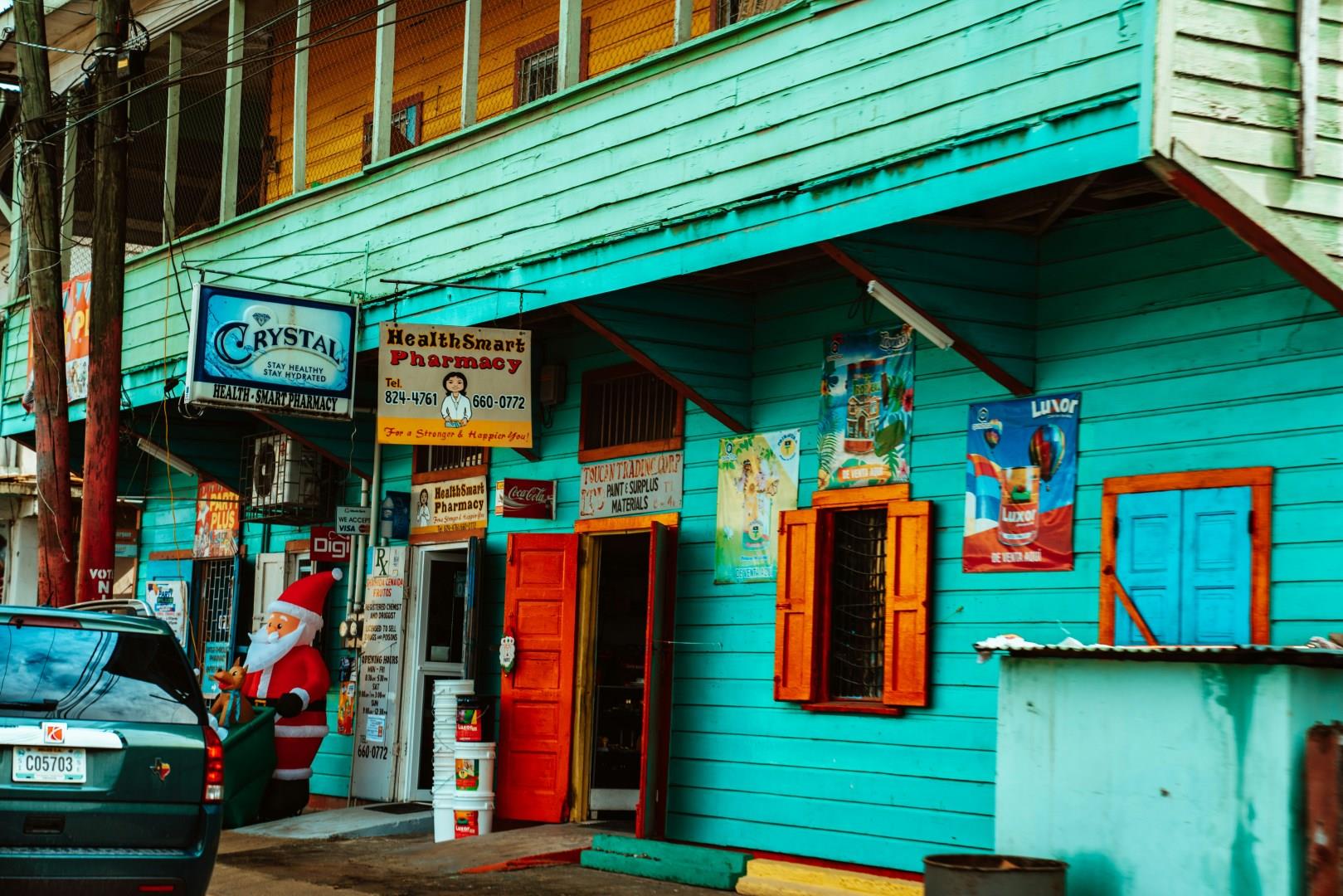
San Ignacio
San Ignacio sits in western Belize’s Cayo District on the banks of the Macal and Mopan Rivers, where the town and its sister settlement of Santa Elena are linked by Belize’s lone suspension bridge. Its location also makes San Ignacio a gateway to both inland Belize and the nearby Guatemalan border, making it easy for curious travelers to explore beyond town limits.

Abidjan
Abidjan, the largest city in Ivory Coast, is a vibrant coastal hub known for its striking skyline, lively markets, and cultural energy. Situated along the Ébrié Lagoon, it serves as the country’s economic and commercial center, blending modern urban life with West African traditions. Nicknamed the “Paris of West Africa,” Abidjan offers a dynamic mix of business districts, beachside neighborhoods, and green spaces that reflect its diverse character.

Philipsburg
The capital of Saint Maarten, the Dutch side of this two nation island, Philipsburg is located on the isthmus between Groot Baai (Great Bay) and the Salt Pond. Founded in 1733 as a free port, the city is now the home to outstanding shopping, casinos, and a variety of hotels and resorts, including nearby Mullet Bay Resort and Golf Club.

La Spezia
La Spezia, a bustling port city in the Liguria region of Italy, is often seen as the gateway to the famous Cinque Terre, bur this vibrant city has much to offer. Visitors can explore the historic center, visit local markets, and partake in a variety of restaurants serving delicious Italian cuisine.
