
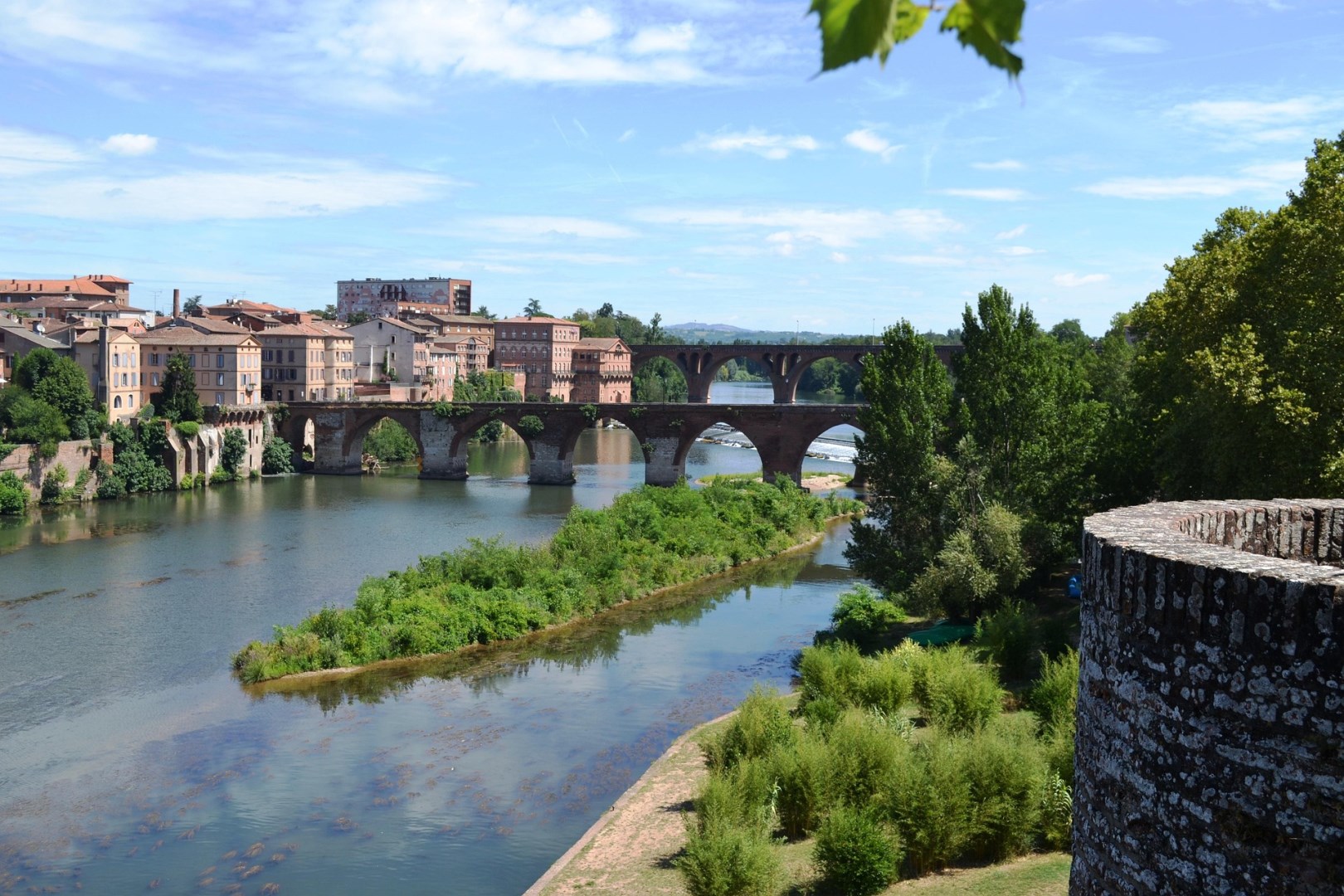
Albi
Albi is a city on the River Tarn in southwestern France, known for its distinctive red-brick architecture and compact historic centre. Its Episcopal City, a UNESCO World Heritage Site, brings together the imposing Sainte-Cécile Cathedral, the former Berbie Palace, the Saint-Salvi quarter, and the Pont-Vieux. The city is often called “Albi la rouge” because of the warm tones of its brick buildings.
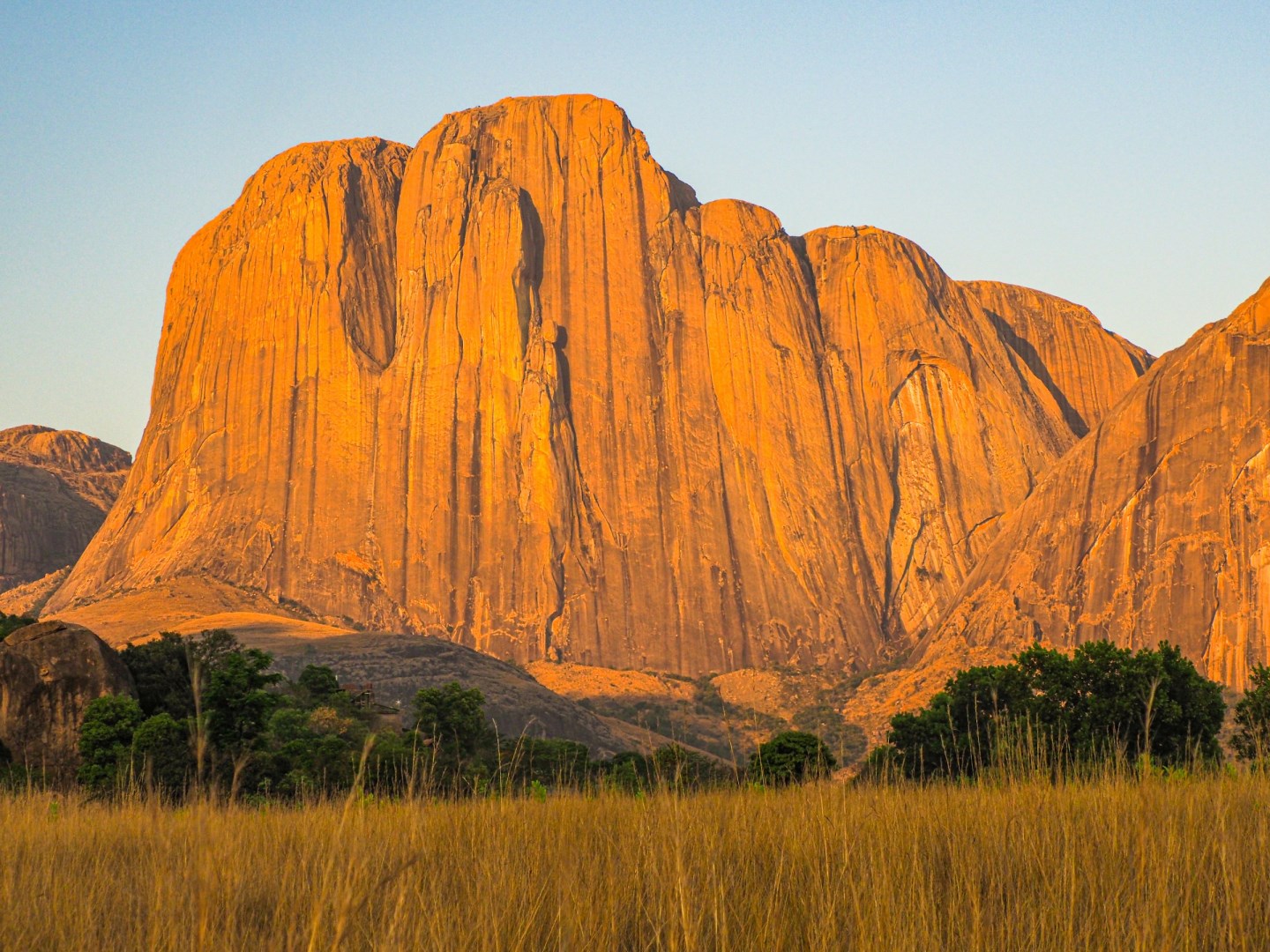
Andringitra National Park
Andringitra National Park lies in southeastern Madagascar across the regions of Haute Matsiatra and Ihorombe, protecting about 31,160 hectares of mountains, valleys, forests, and high-altitude grasslands. The park is part of the Andringitra Massif, where granite ridges and steep cliffs rise above deep valleys. Its elevation creates several distinct environments, ranging from humid forest to exposed mountain vegetation. The park is also part of the UNESCO-listed Rainforests of the Atsinanana.
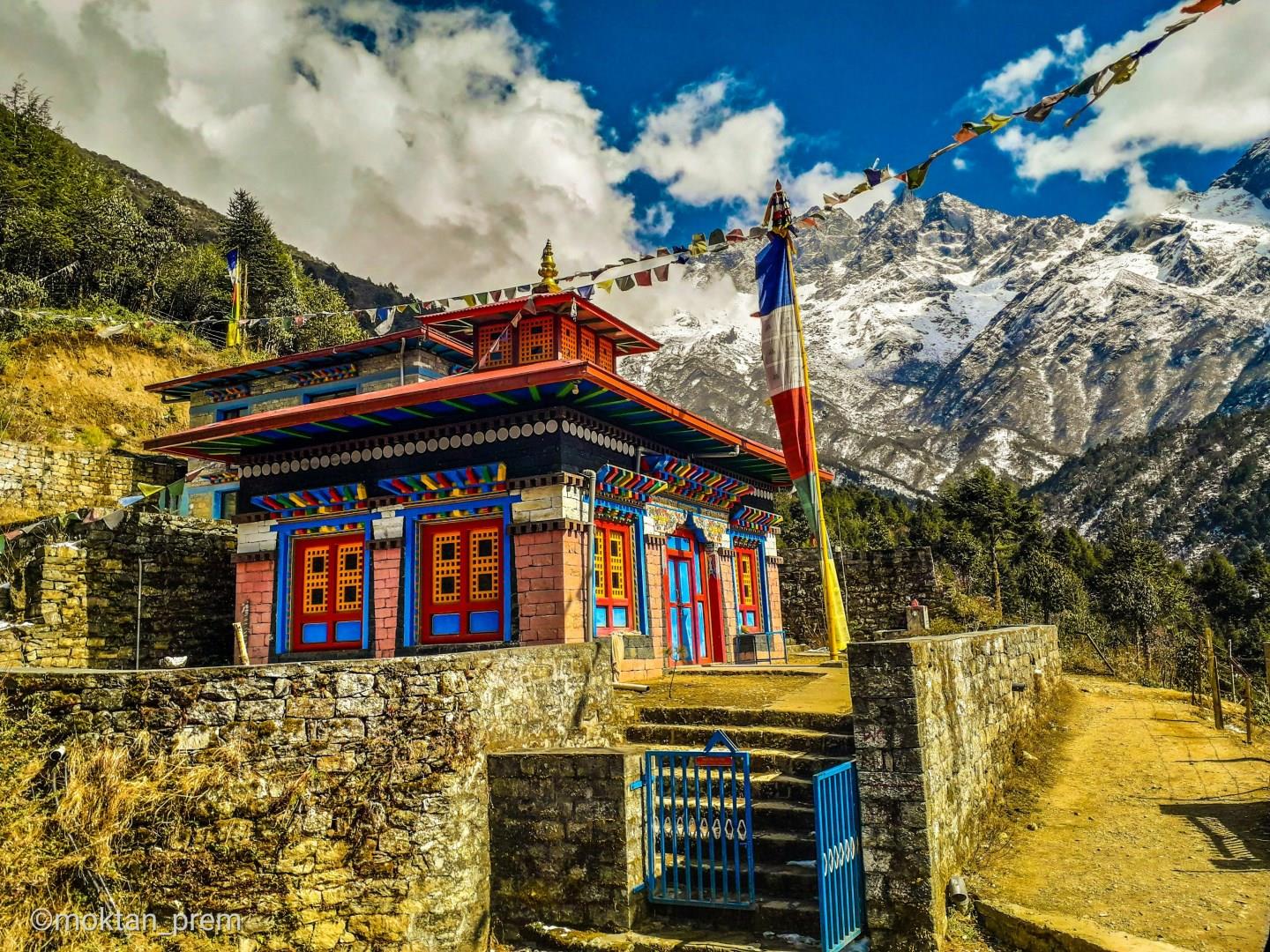
Lukla
Lukla, a mountain town perched at 2,860 meters in eastern Nepal, is best known as the gateway to the Everest region. The town is home to Tenzing-Hillary Airport, one of the world’s most thrilling landing strips, named after the legendary climbers who first reached Everest’s summit in 1953. The short, sloped runway hugs the mountain, offering a once-in-a-lifetime arrival that travelers remember long after their journey ends.
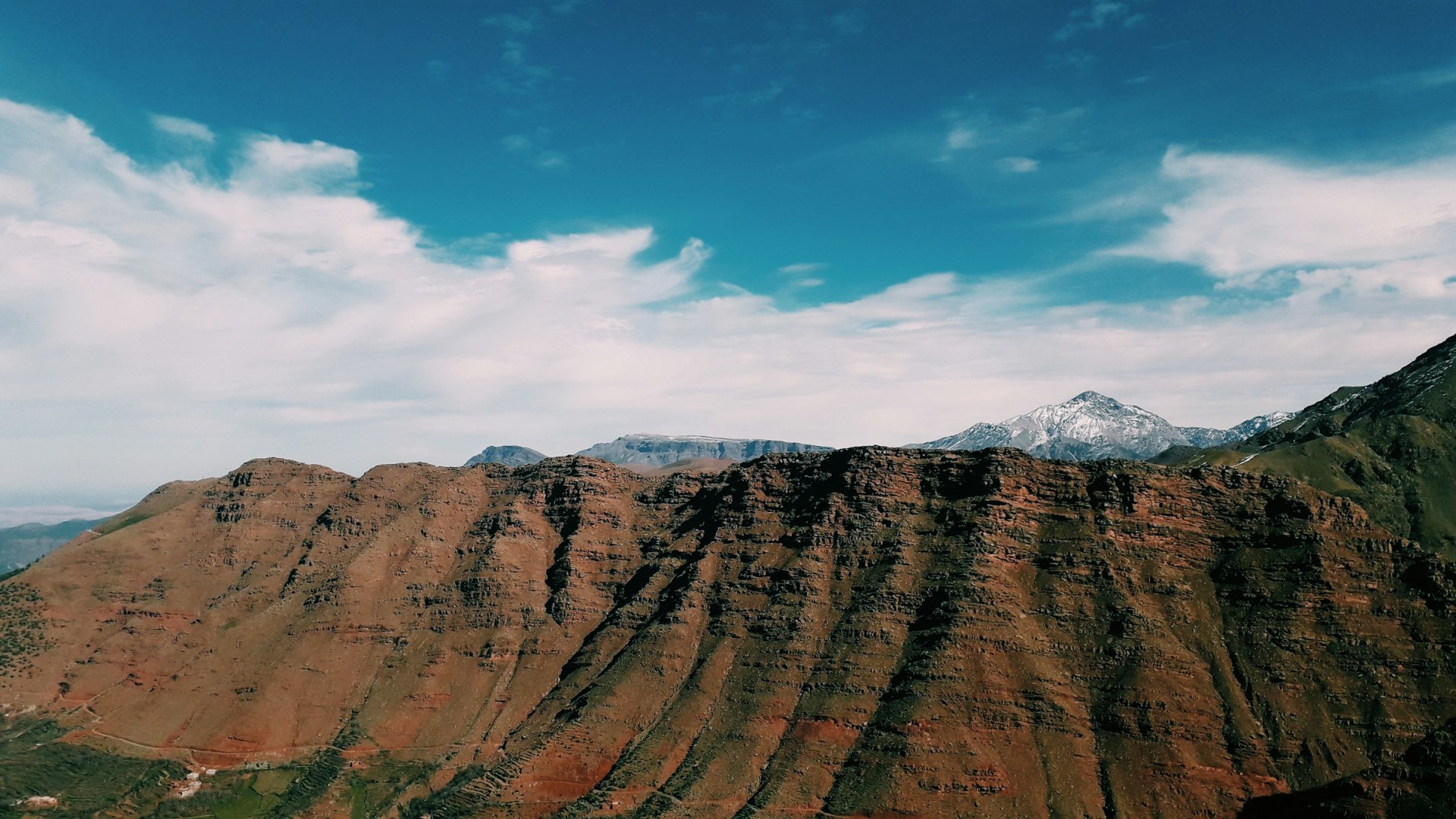
Oukaimeden
Oukaïmeden is a high mountain village and ski area in Morocco’s High Atlas, south of Marrakesh.

Honolulu, Oahu
Honolulu, the capital of Hawaiʻi and the largest city in the Pacific, blends the energy of a major urban center with the deep roots of Native Hawaiian culture. Set on the island of Oʻahu, it’s home to iconic beaches, royal history, and a rhythm all its own. This sunny capital city is the main portal to the larger Hawaiian archipelago, and the perfect base for exploring Oahu.
