
Aran Islands
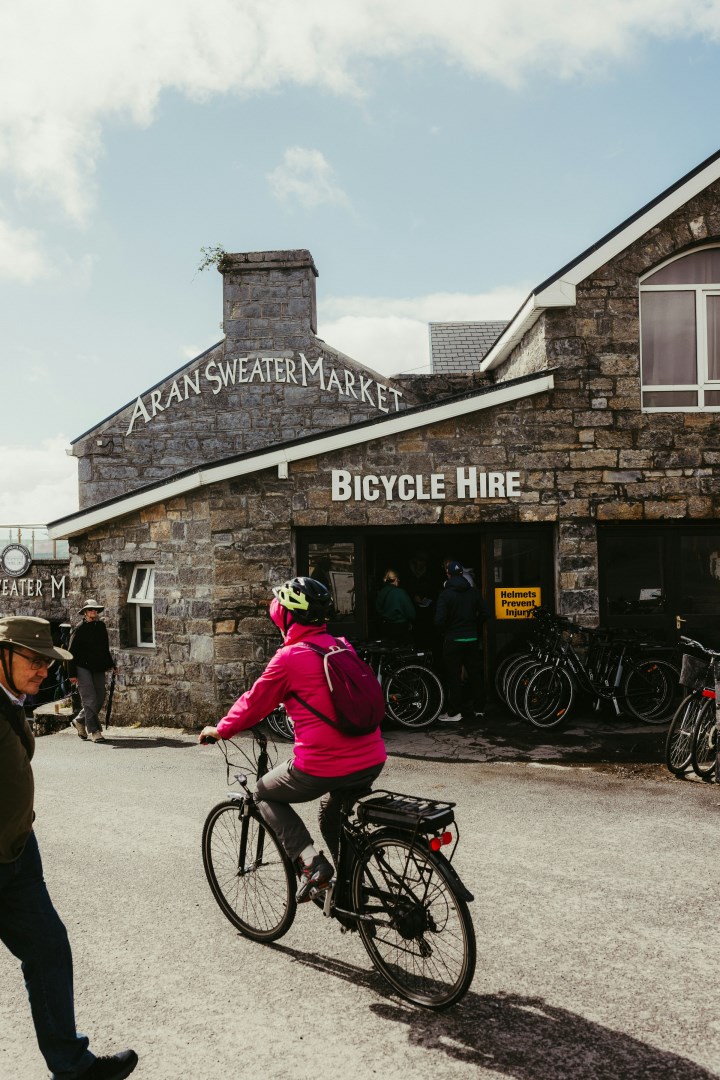
The Aran Islands lie at the mouth of Galway Bay on Ireland’s west coast and comprise three inhabited islands: Inis Mór, Inis Meáin, and Inis Oírr. Their landscapes are defined by limestone terraces, stone walls, small fields, sea cliffs, and exposed coastal ground shaped by Atlantic weather. The islands are known for their distinctive dry-stone walls, which divide much of the farmland into small plots.
Zeebrugge
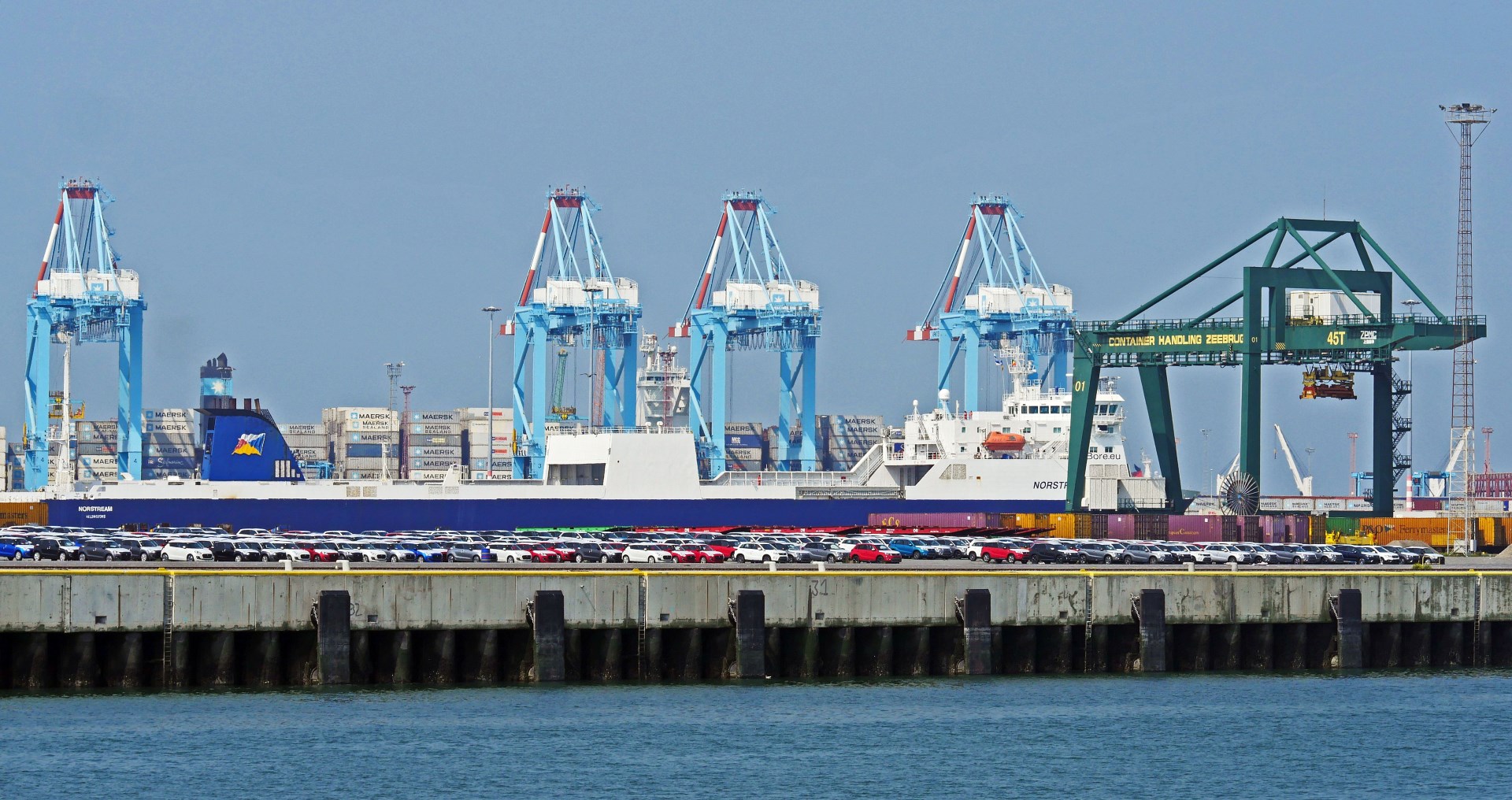
Zeebrugge is a coastal district of Bruges in West Flanders, Belgium, located on the North Sea coast. It is best known as one of Europe’s major ports, handling international cargo, passenger ferries, and fishing activities.
Charlotte Bay
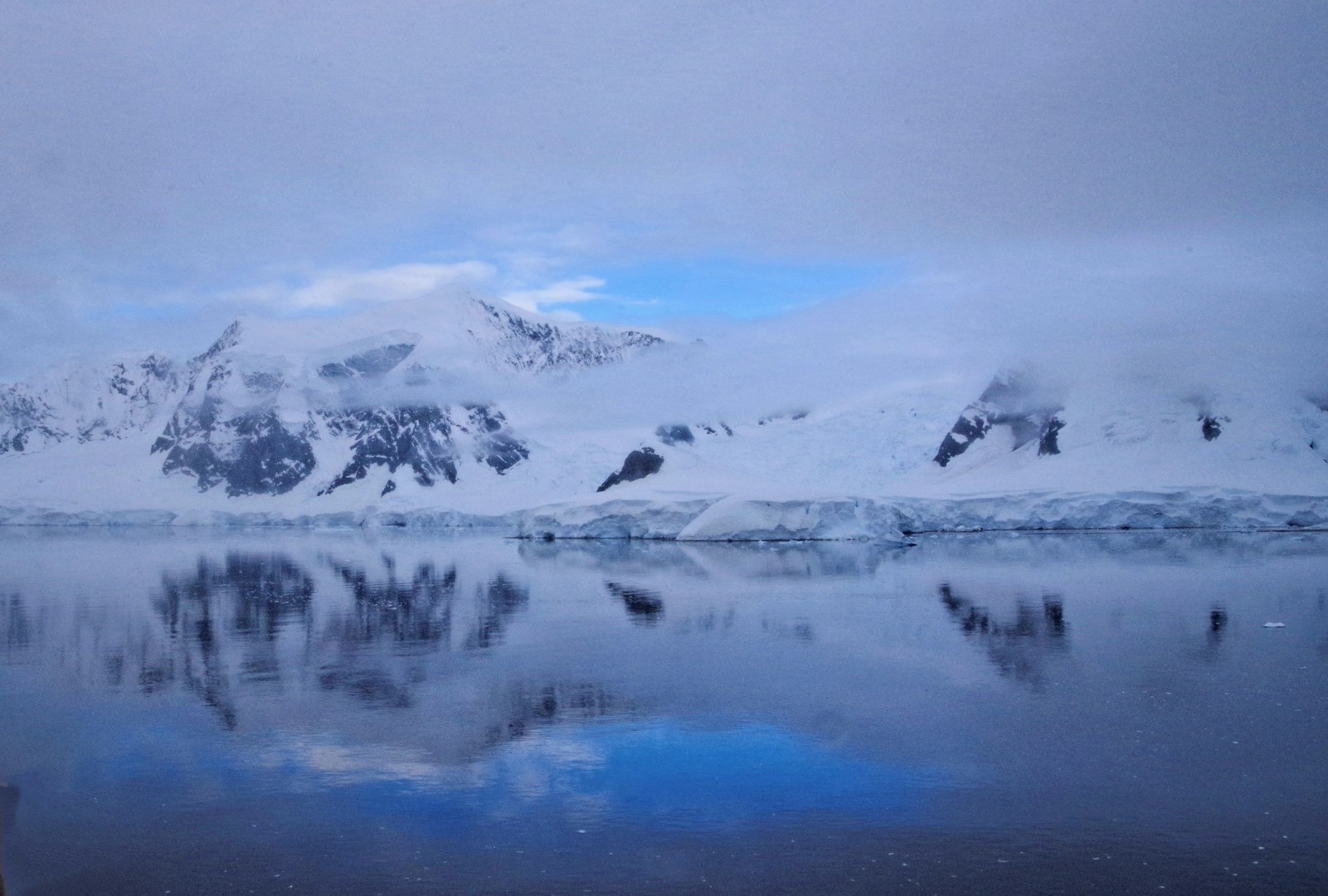
Charlotte Bay is best known for its combination of glacial scenery and marine wildlife. The surrounding mountains descend toward heavily glaciated coastlines, while the bay itself can contain floating sea ice and icebergs of varying sizes. Whales are regularly encountered in the waters of the Antarctic Peninsula, and seals may also be seen around ice and along the shoreline.
Glennallen
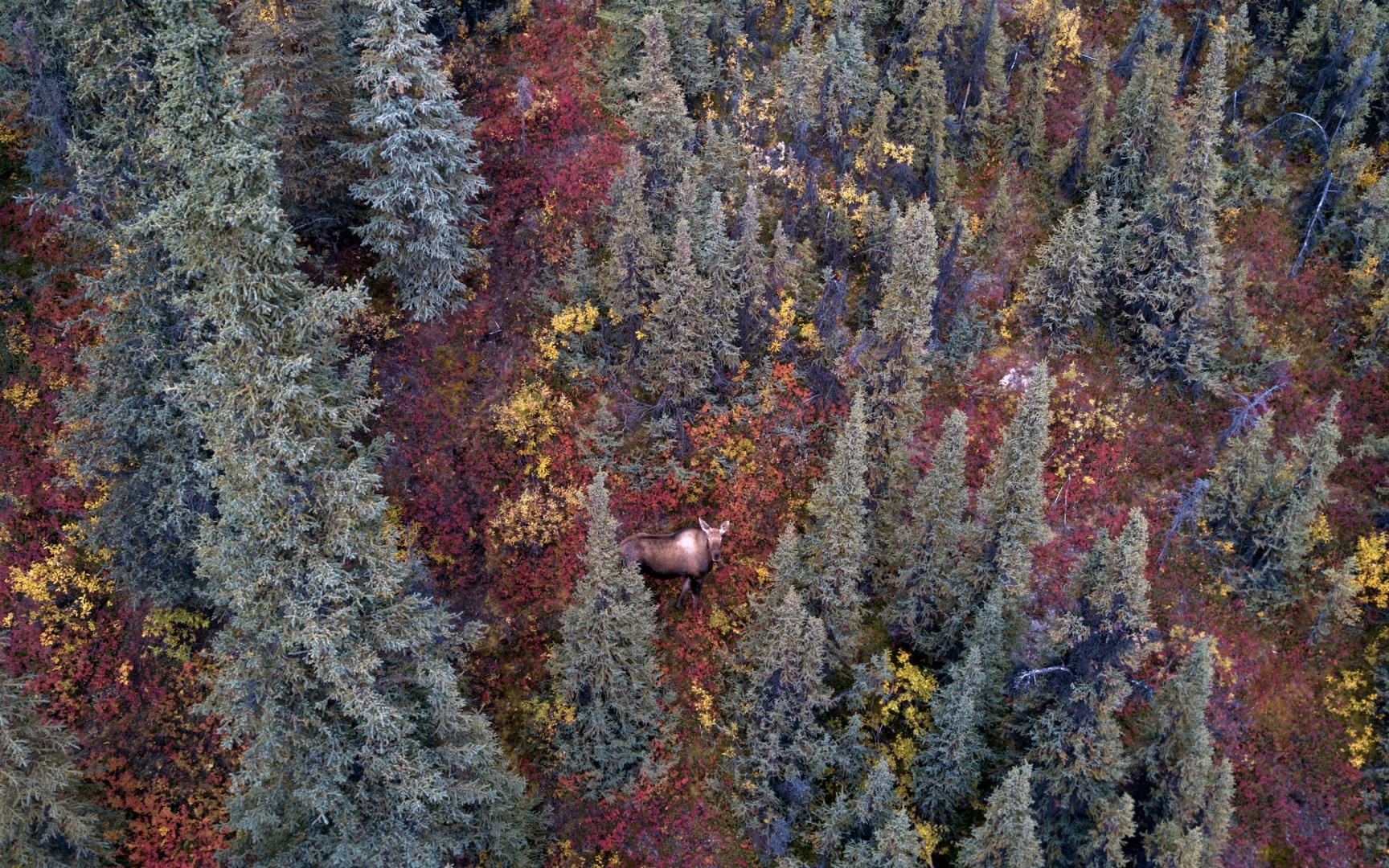
Glennallen is a small community in the Copper River Valley of south-central Alaska, positioned near the junction of the Glenn and Richardson highways. It serves as a regional service center for a widely scattered population and is surrounded by broad valleys, forests, wetlands, and distant mountain ranges. The Wrangell and Chugach Mountains rise around the wider region, while the Copper River and its tributaries shape the landscape.
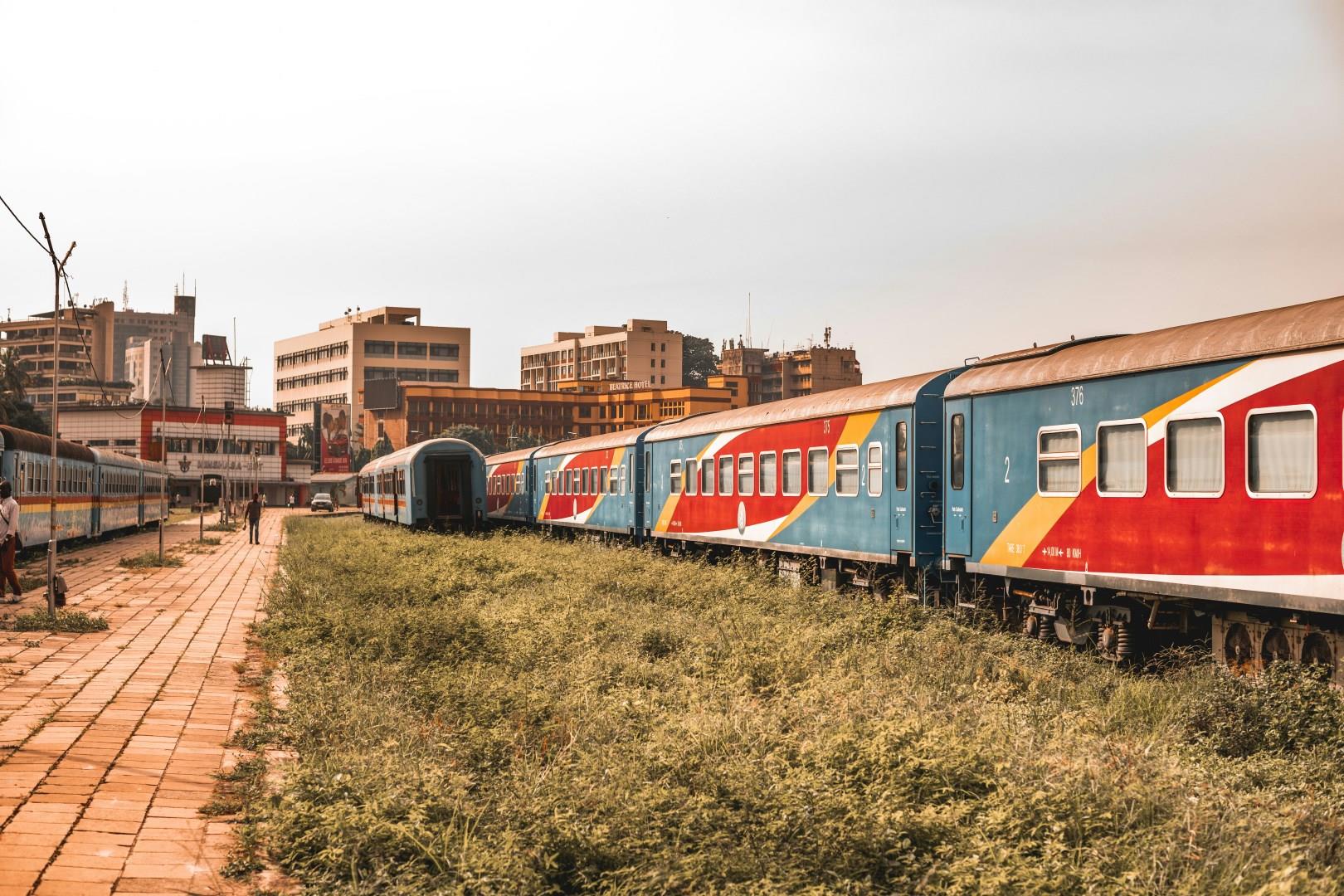
Kinshasa
Kinshasa, the capital of the Democratic Republic of the Congo, is one of Africa’s most vibrant and unpredictable cities. Sprawling along the banks of the Congo River, it’s the third-largest city on the continent and pulses with music, art, and personality at every turn. Across the river lies Brazzaville, making Kinshasa part of the only pair of national capitals facing each other across a single waterway.
