
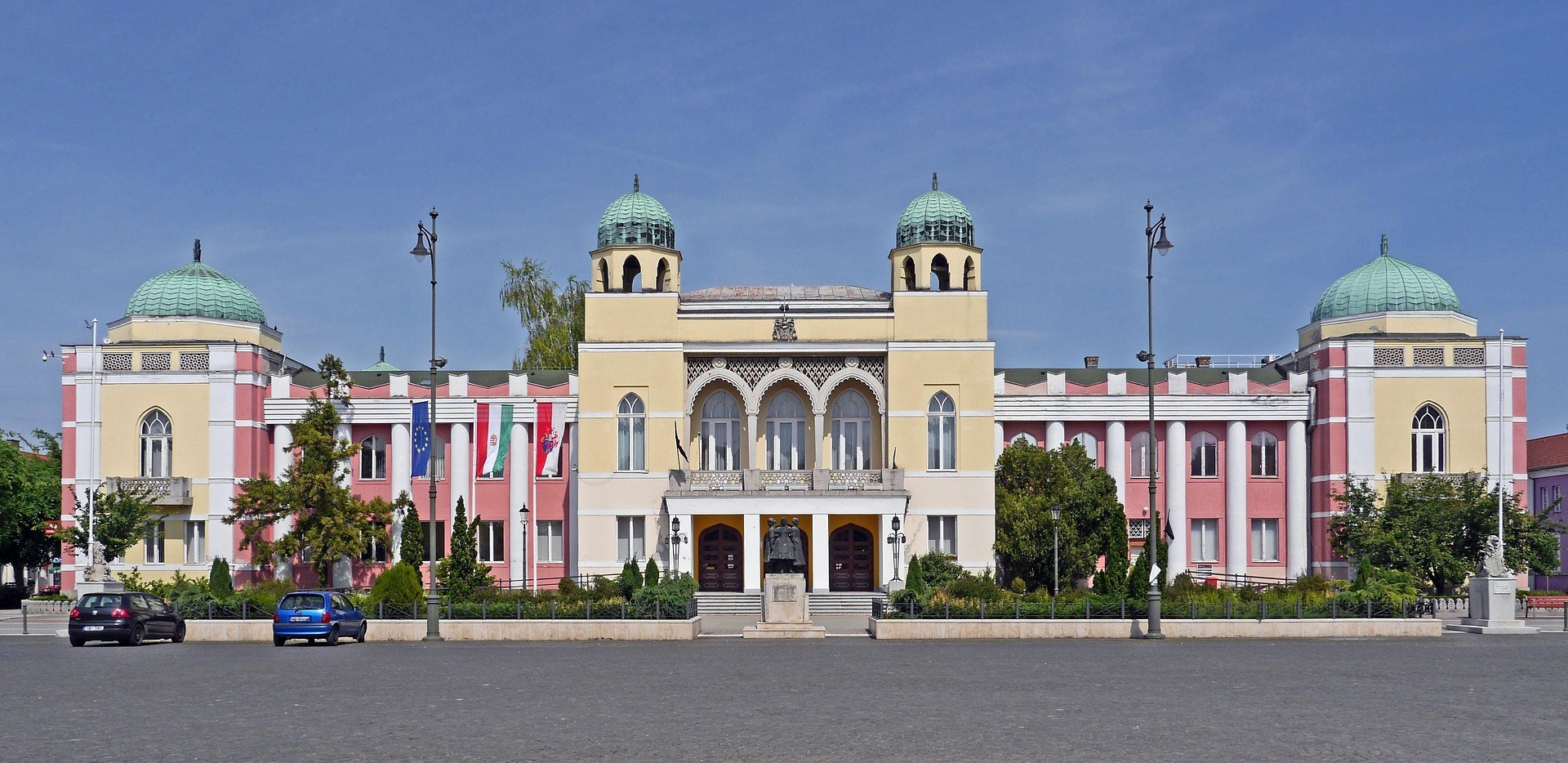
Mohács
Mohács is a Danube-side town in southern Hungary, close to the country’s border with Croatia. Its riverside setting has shaped local life, trade, agriculture, and recreation, while the town’s streets contain a mixture of traditional houses and distinctive public buildings. Mohács is especially associated with the Busó festivities, a masked end-of-winter carnival that has become the city’s defining cultural tradition.
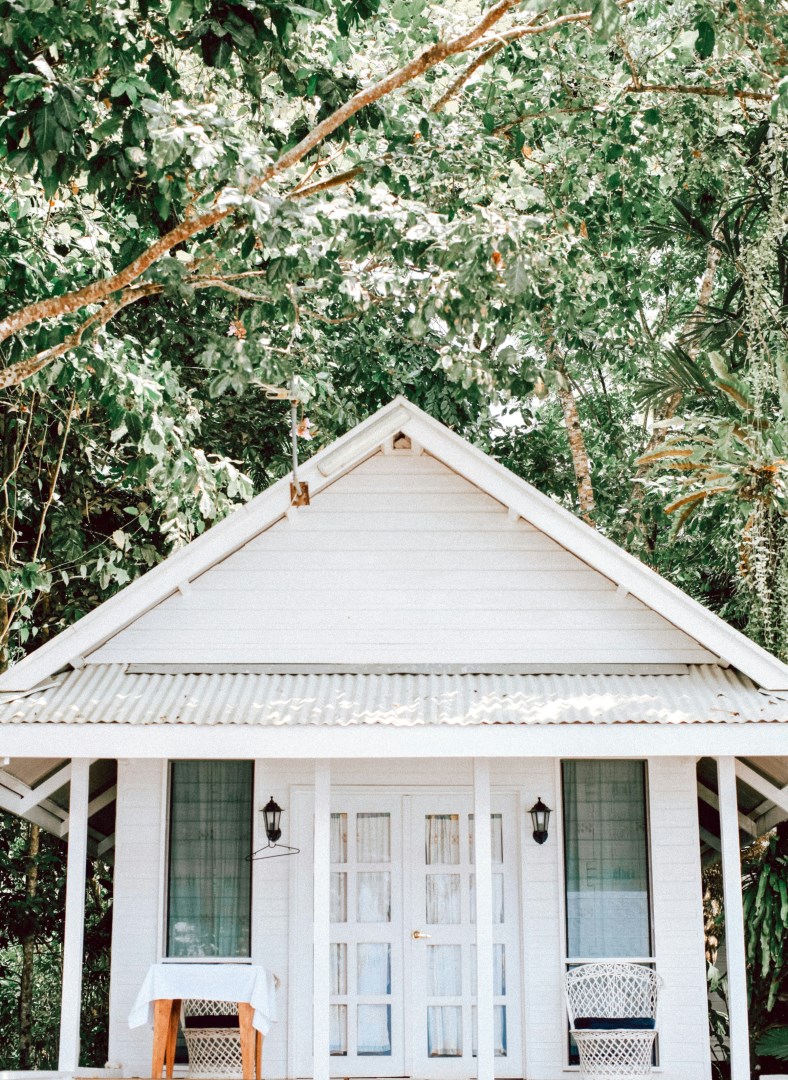
Alotau
Alotau is the capital of Milne Bay Province in southeastern Papua New Guinea, located on the northern shore of Milne Bay. The town sits between forested hills and sheltered coastal waters, with small islands and bays extending across the surrounding seascape.
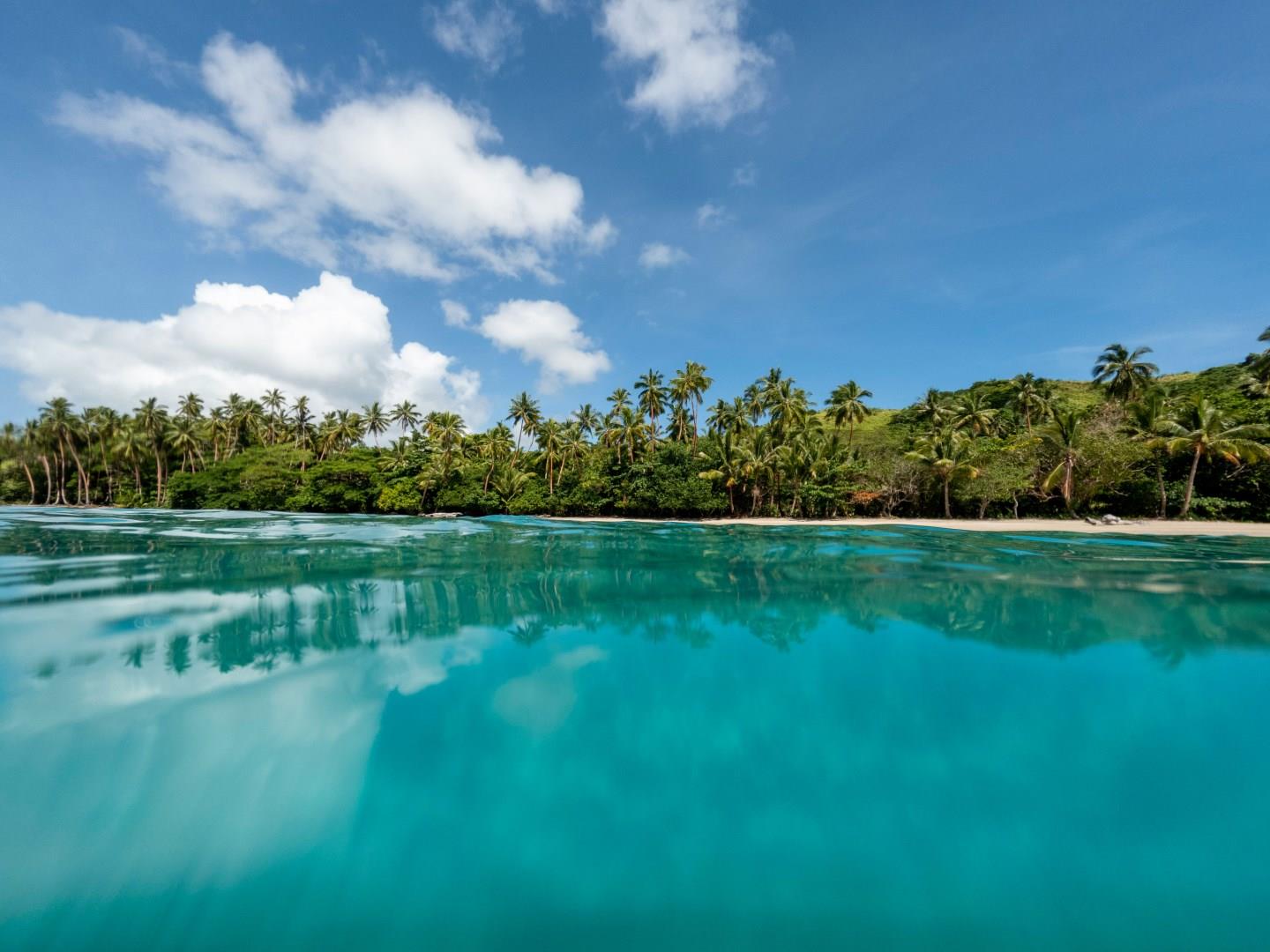
Vanua Balavu Island
Vanua Balavu is one of the Lau Islands in eastern Fiji, a secluded gem where traditional Fijian culture and natural beauty flourish in harmony. Surrounded by turquoise waters and coral reefs, the island offers a serene escape from bustling tourist areas, with small villages, coconut groves, and rugged hills shaping its peaceful landscape.
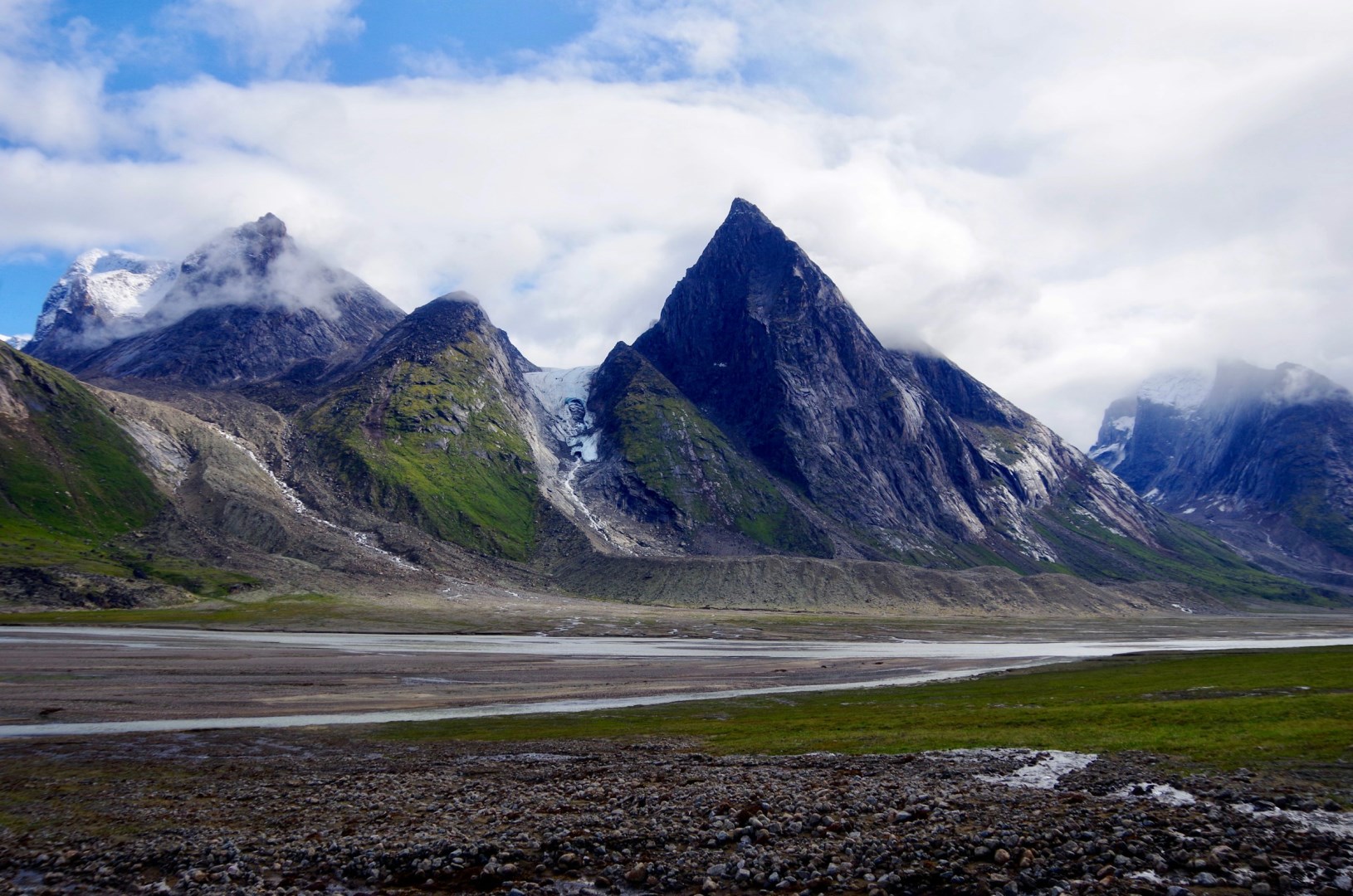
Auyuituq National Park
Auyuittuq National Park is a vast protected landscape on southeastern Baffin Island in Nunavut, extending between the communities of Pangnirtung and Qikiqtarjuaq. Its name means “land that never melts” in Inuktitut, reflecting the park's extensive ice and snow. Towering granite peaks, deep fjords, glaciers, rivers, and tundra dominate the landscape, while the Penny Ice Cap covers a large section of the interior.
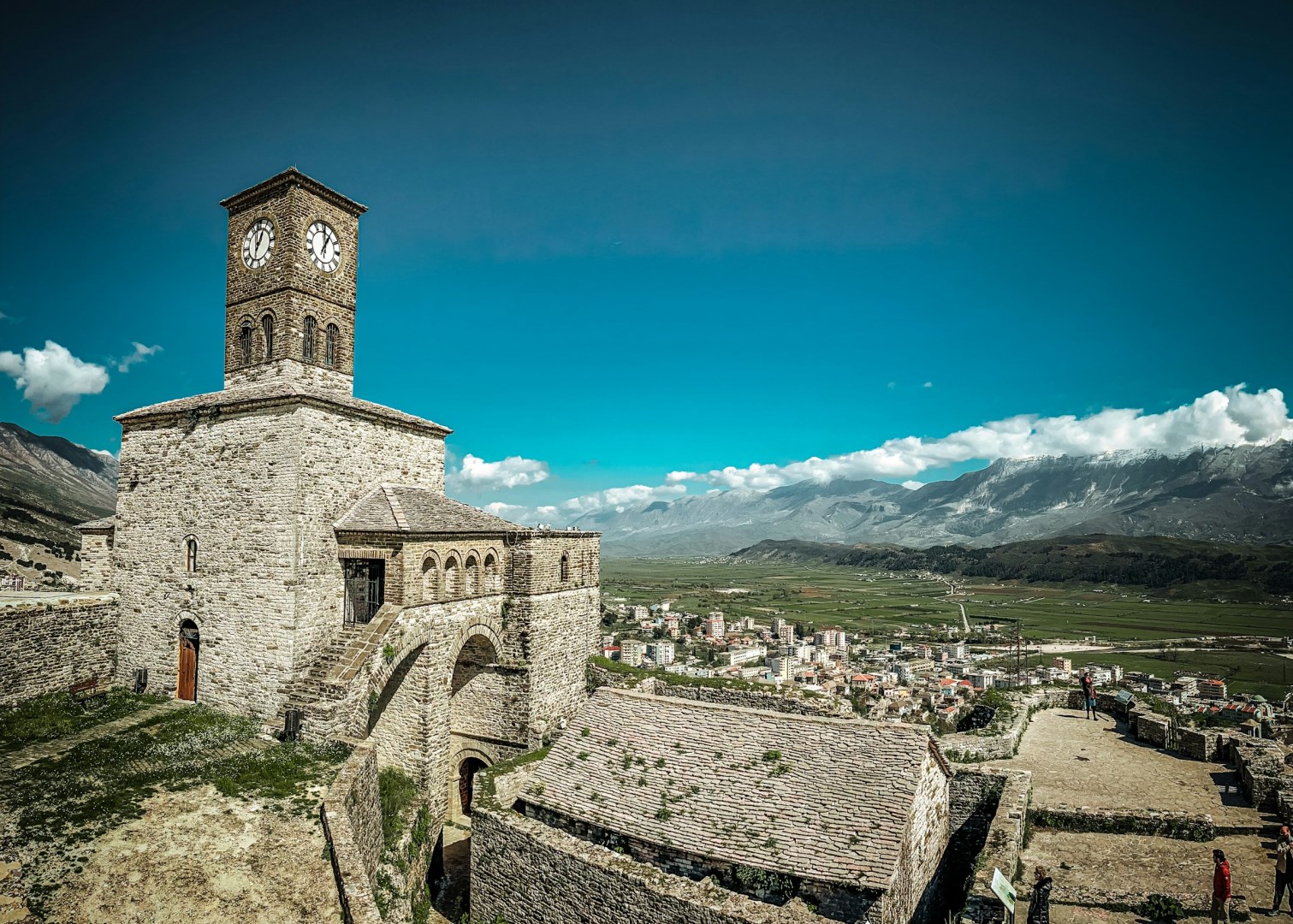
Gjirokastër
Gjirokaster is Albania's second museum city, where you can see the Fortress with its Armory Museum and the Teque Mosque and Bazaar. A city of stone, the peculiarities of its construction have led many to call it the "The Silver City". Gjirokaster is the birthplace of Enver Hoxja who was, until recently, Albania's infamous dictator.
