
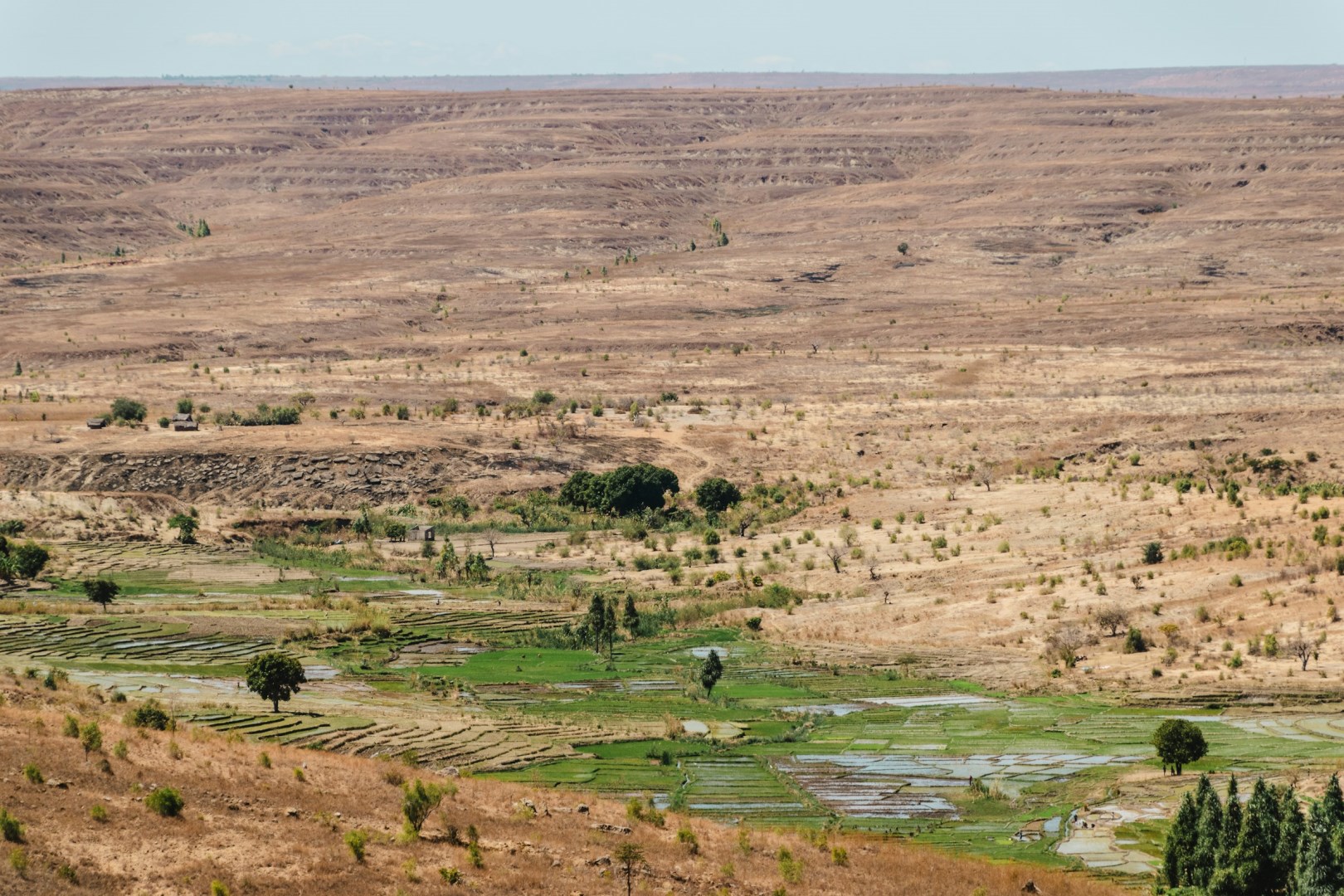
Isalo National Park
Isalo National Park lies in southern Madagascar near the town of Ranohira, protecting about 81,540 hectares of sandstone massifs, deep canyons, grasslands, forests, and rocky plateaus. Its landscape has been shaped by erosion into unusual cliffs, ridges, gorges, and isolated rock formations. The park's semi-arid climate creates strong contrasts between dry open slopes and greener canyon floors, where streams support pockets of vegetation.
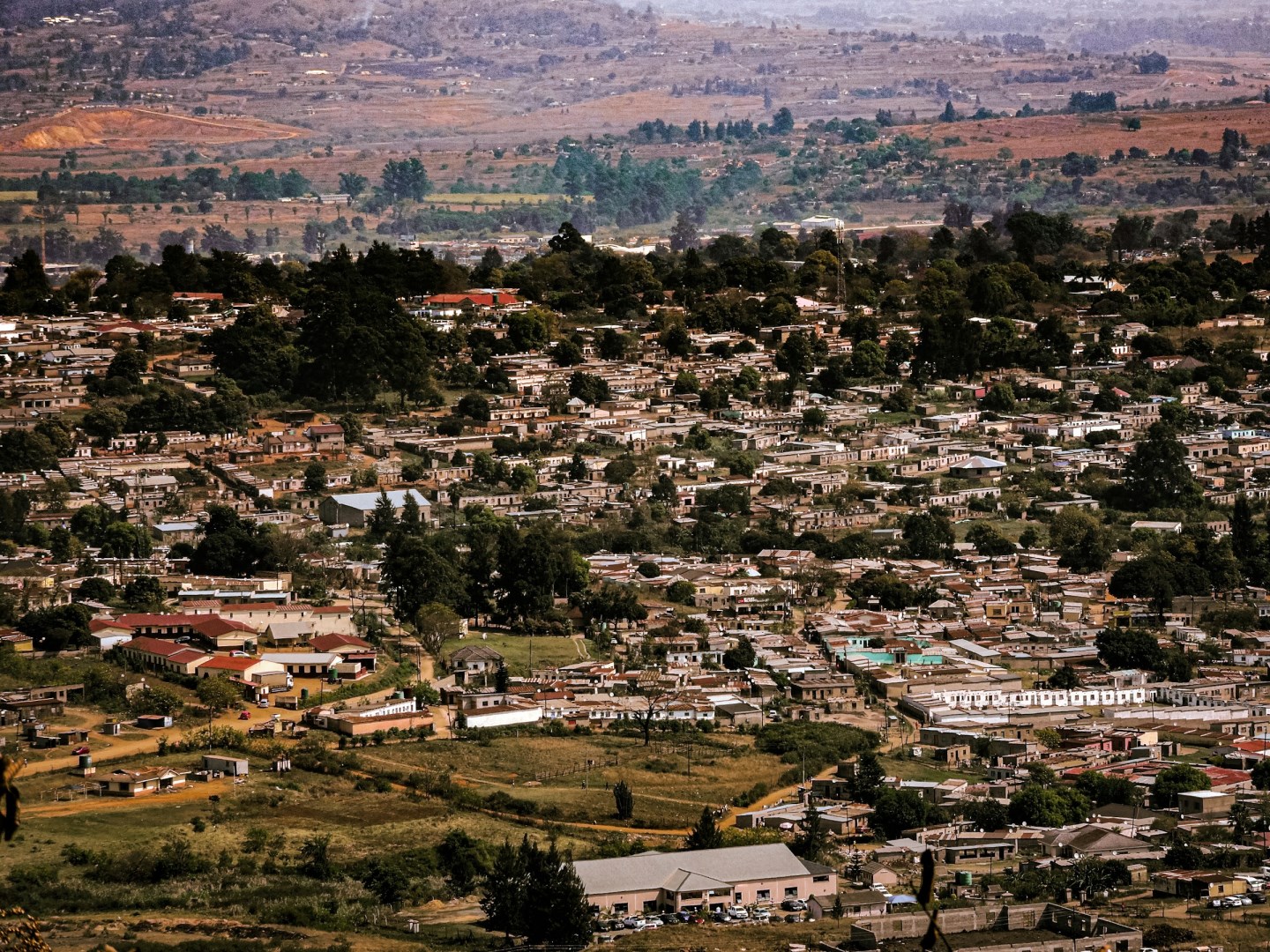
Manzini
Manzini is Eswatini’s largest city and a major commercial centre in the country’s central region. It lies in the Middleveld, where rolling hills, grasslands, cultivated fields, and wooded areas surround a busy urban centre. The city is an important transport and trading hub, connecting communities across Eswatini and providing access to nearby towns and attractions.
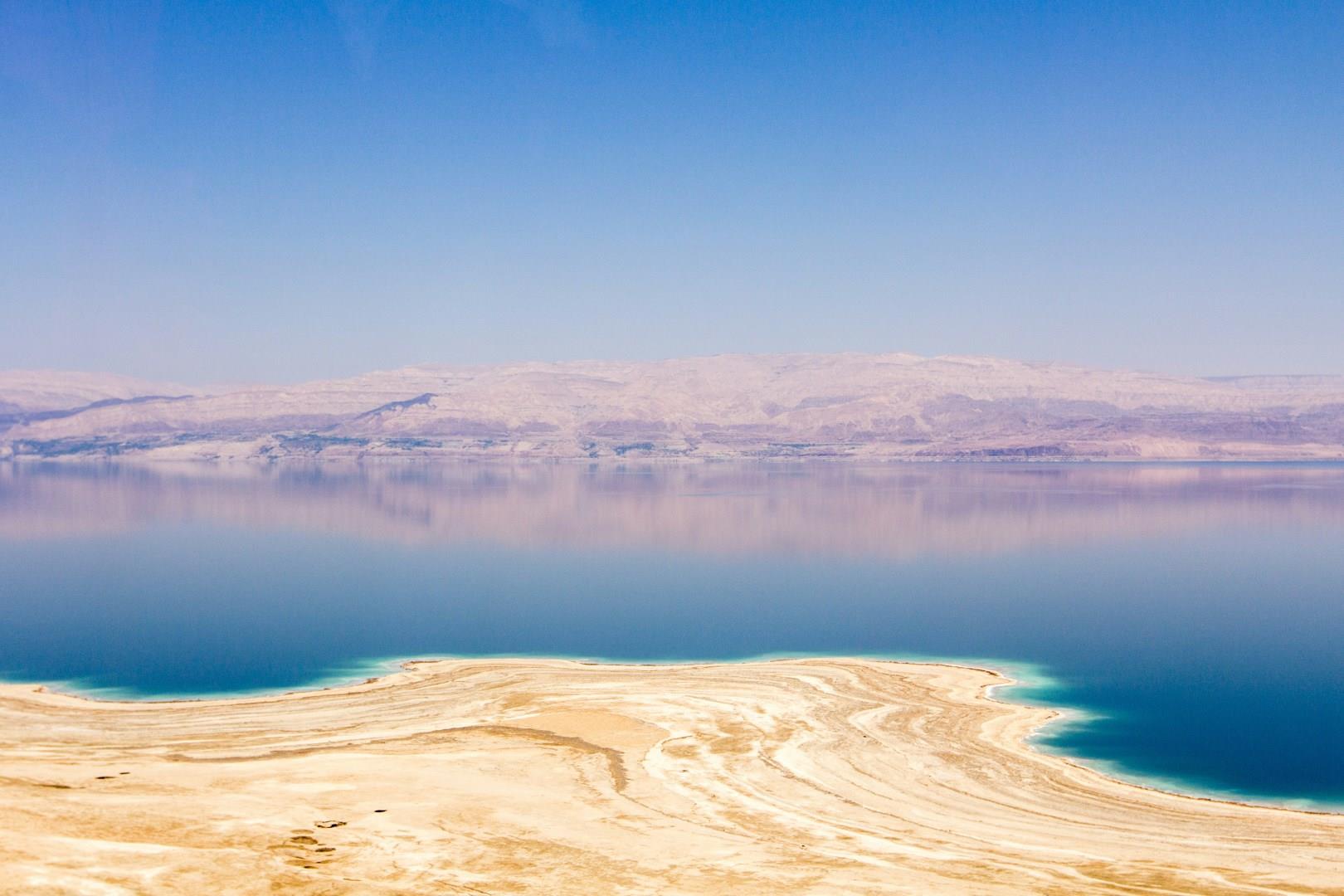
Dead Sea
The Dead Sea lies at the lowest point on Earth, around 430 meters below sea level, and features water with nearly ten times the salinity of the ocean. That level of salinity makes floating on its surface effortless. Visitors can lie back without effort, with views opening across barren hills and reflective water. This shoreline also hosts a mix of minerals collected over millennia and known for their soothing effect on skin and joints.

Louisiana
Louisiana, with its vibrant blend of cultures, history, and natural beauty, offers a rich tapestry of experiences for every traveler. At the heart of the state's allure is New Orleans, renowned for its lively French Quarter, historic architecture, and world-famous Mardi Gras celebrations.
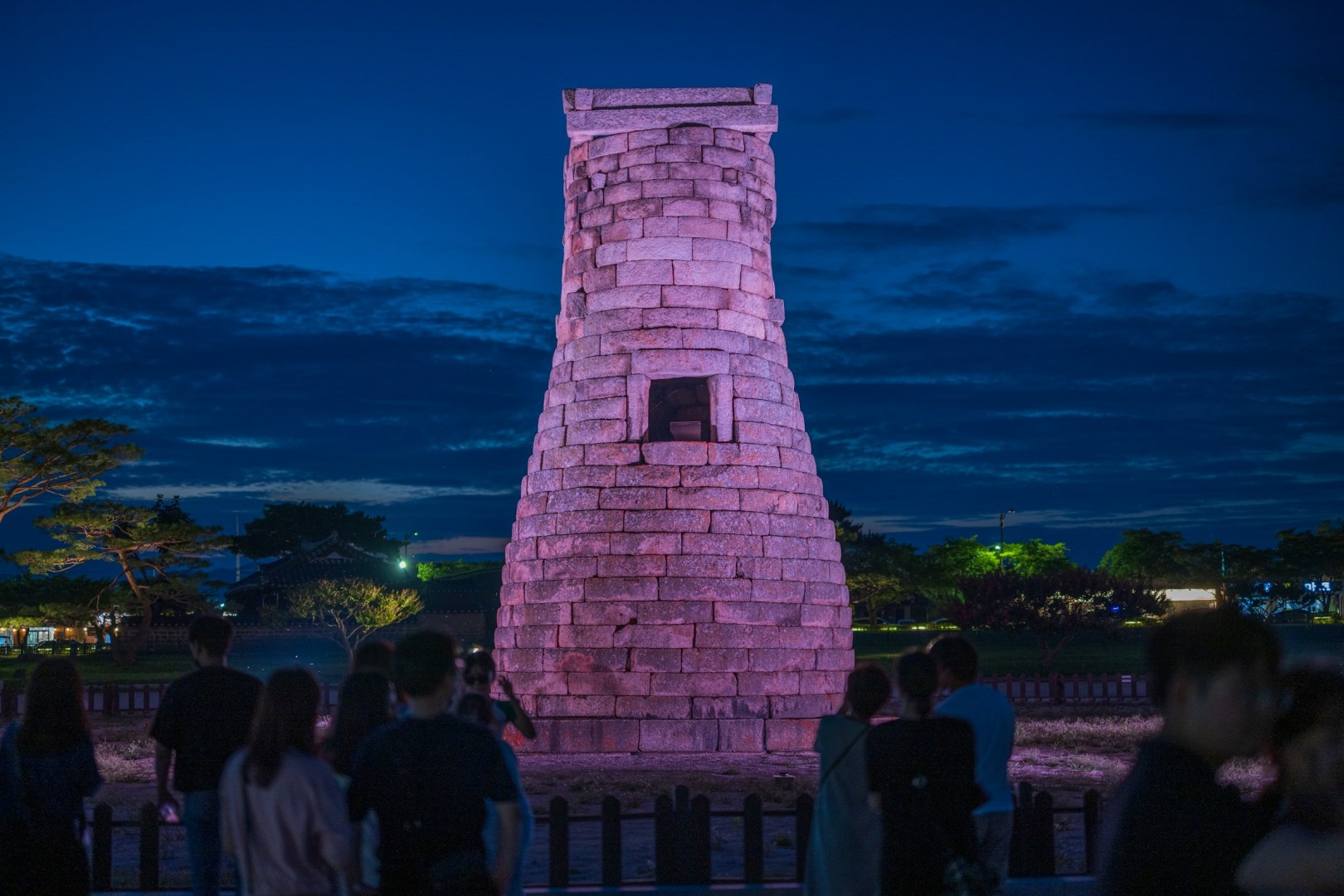
Gyeongju-si
Gyeongju-si is a historic city in southeastern South Korea known for its close connection with the Silla kingdom and its concentration of archaeological sites, temples, royal tombs, and Buddhist monuments. Much of the city’s heritage is spread across open landscapes rather than confined to a single historic center. The Gyeongju Historic Areas include Mount Namsan, the Wolseong area, royal tomb complexes, and the remains of major temples and palaces.
