
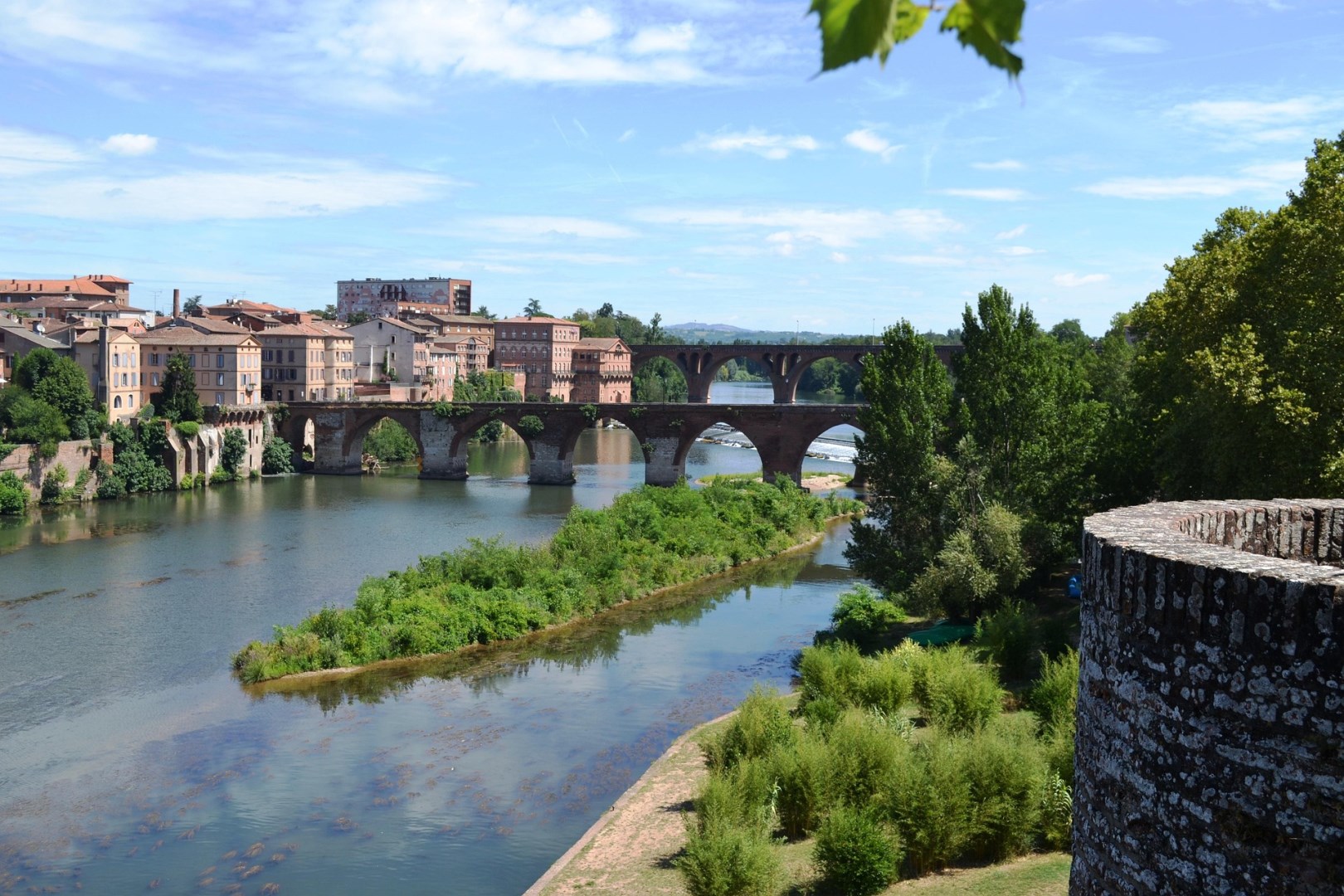
Albi
Albi is a city on the River Tarn in southwestern France, known for its distinctive red-brick architecture and compact historic centre. Its Episcopal City, a UNESCO World Heritage Site, brings together the imposing Sainte-Cécile Cathedral, the former Berbie Palace, the Saint-Salvi quarter, and the Pont-Vieux. The city is often called “Albi la rouge” because of the warm tones of its brick buildings.
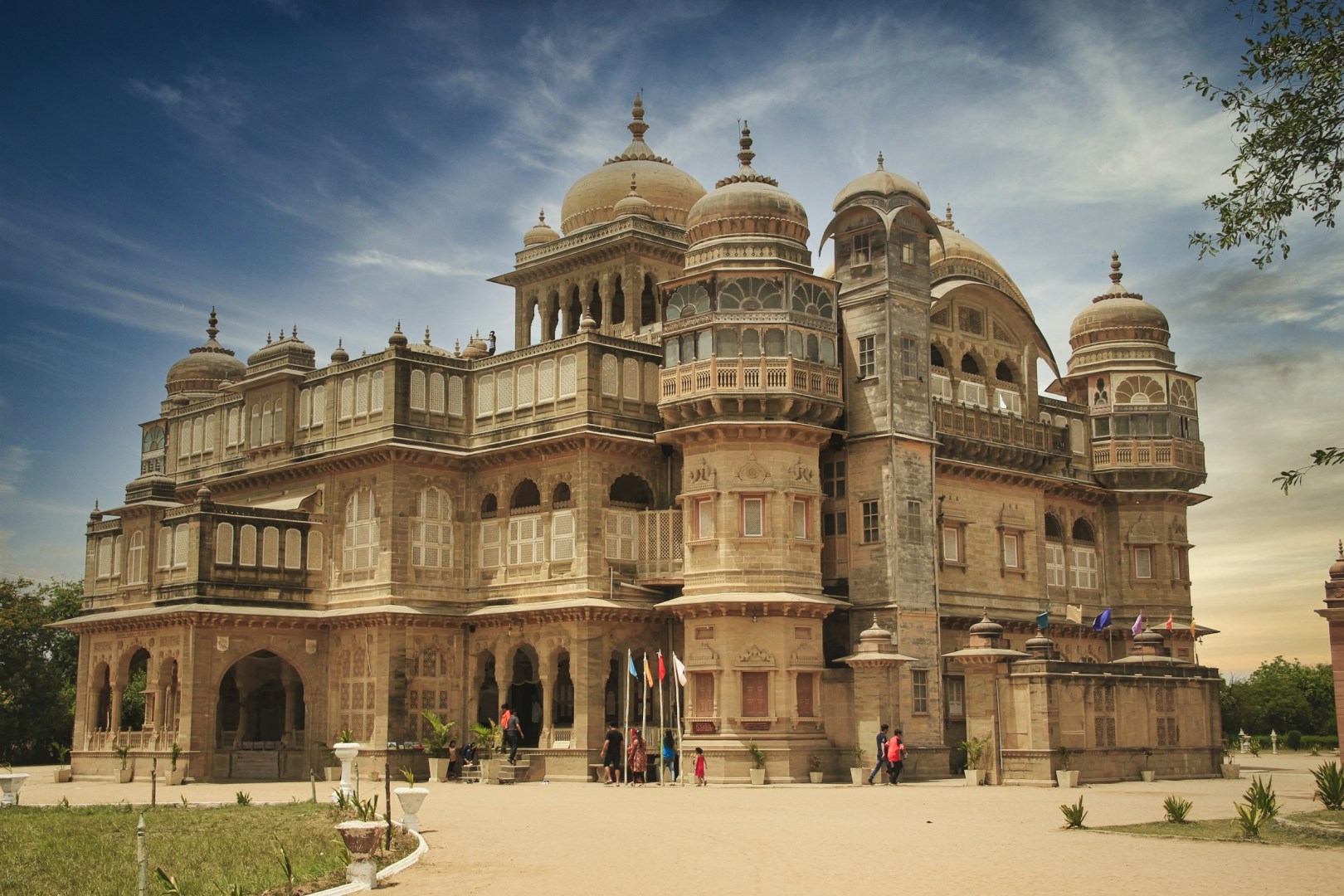
Gujarat
Gujarat is a large state in western India, stretching from the Arabian Sea and the Gulf of Kutch to the dry landscapes of the Rann and the forested hills of the southeast. Its varied geography includes salt marshes, mangroves, grasslands, deciduous forests, wetlands, beaches, and a long coastline. Major cities such as Ahmedabad, Vadodara, Surat, and Rajkot provide urban centers alongside historic towns, pilgrimage sites, wildlife reserves, and rural communities. The state is particularly known f
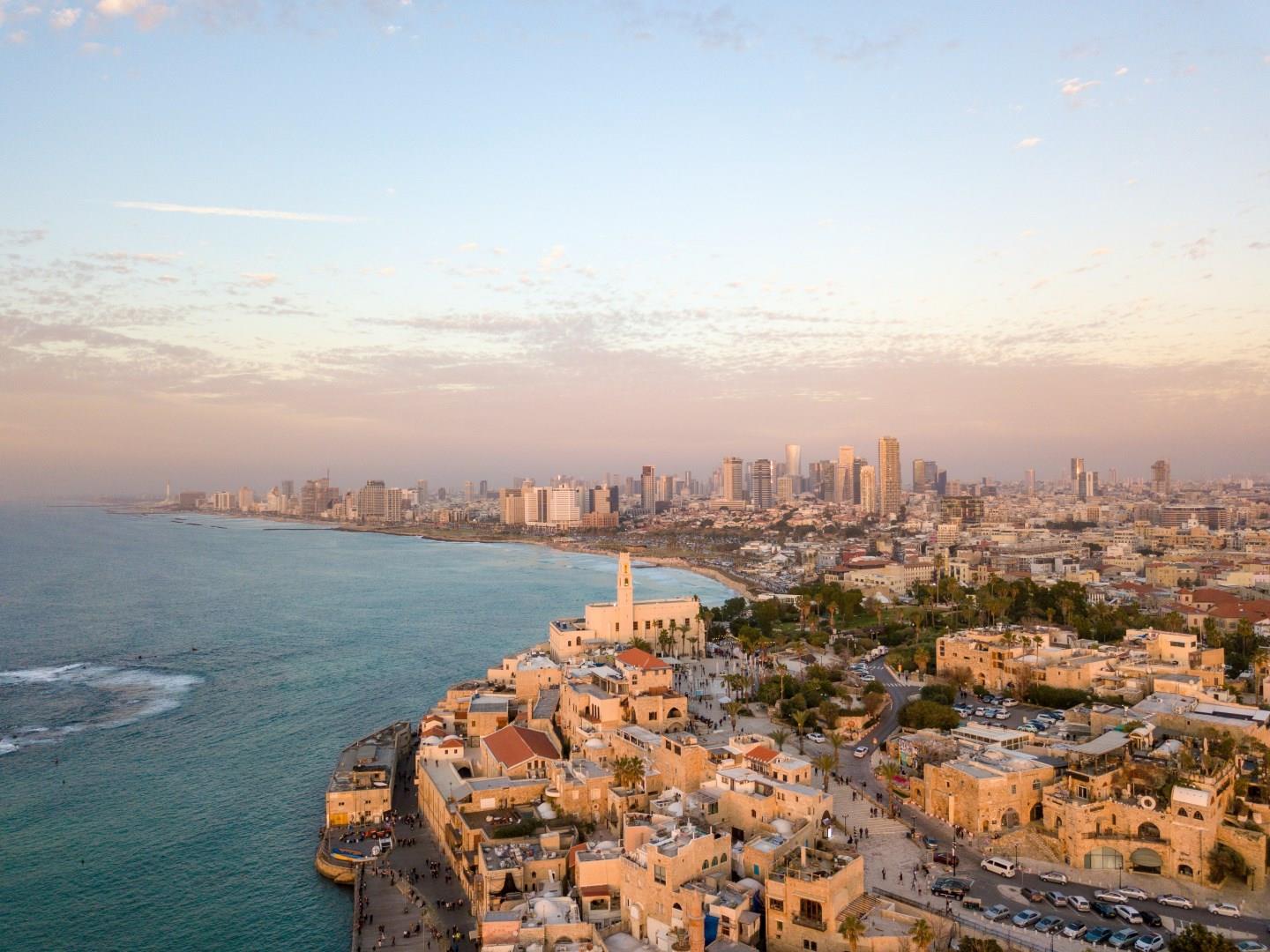
Tel Aviv
Tel Aviv began in 1909 as a new neighborhood beside the ancient port of Jaffa. The city is now home to the largest cluster of Bauhaus-style buildings in the world which earned UNESCO recognition for its early 20th-century urban planning. Visitors can explore those structures on guided architectural walks through streets like Rothschild or Dizengoff.
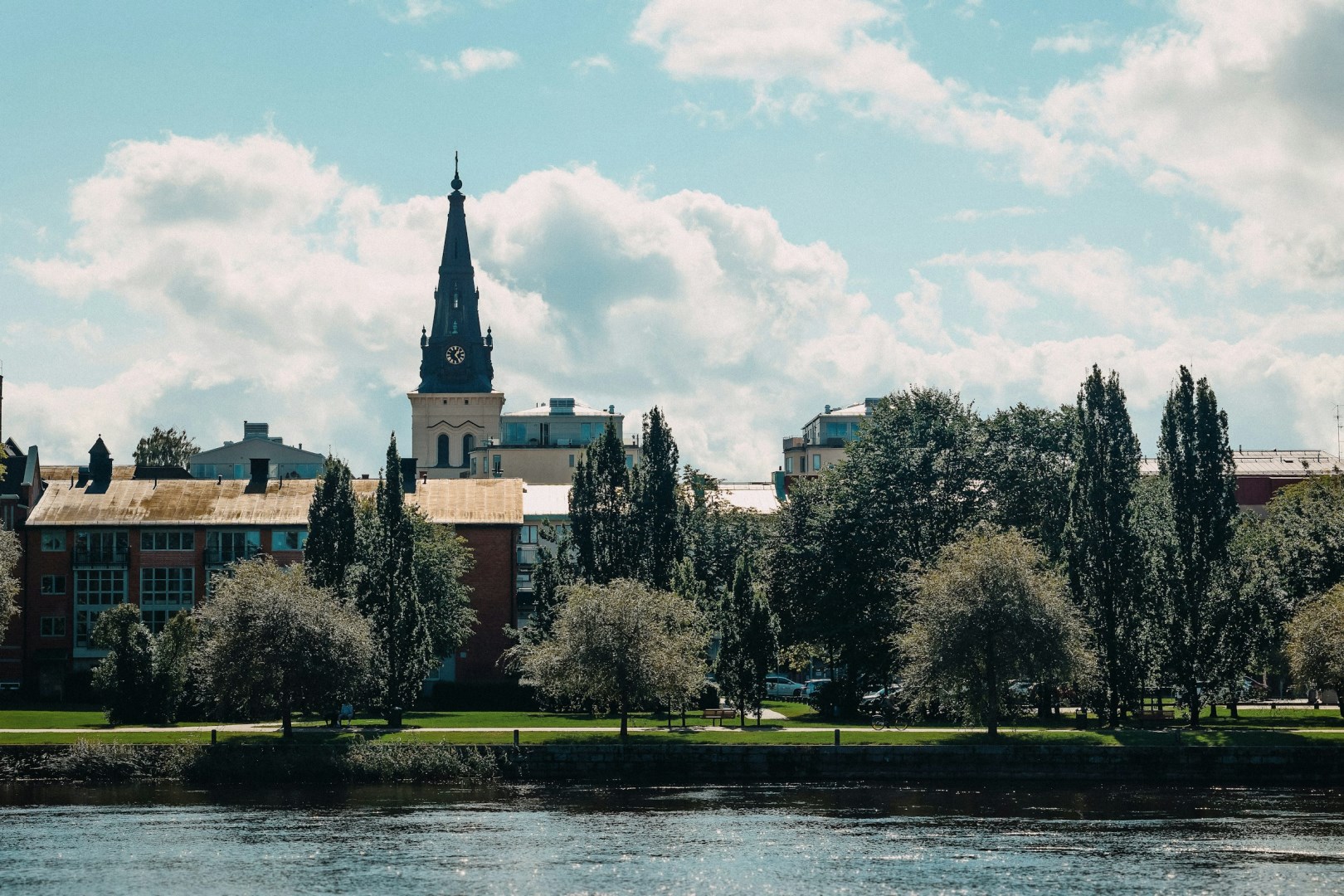
Karlstad
Karlstad, Sweden, is a city that elegantly combines natural beauty with cultural charm. Situated on the banks of Lake Vänern, Sweden’s largest lake, Karlstad is renowned for its picturesque waterfront and abundant sunshine. The city’s Värmlands Museum provides an enriching experience with its exhibits on local history, art, and the region's unique cultural heritage.
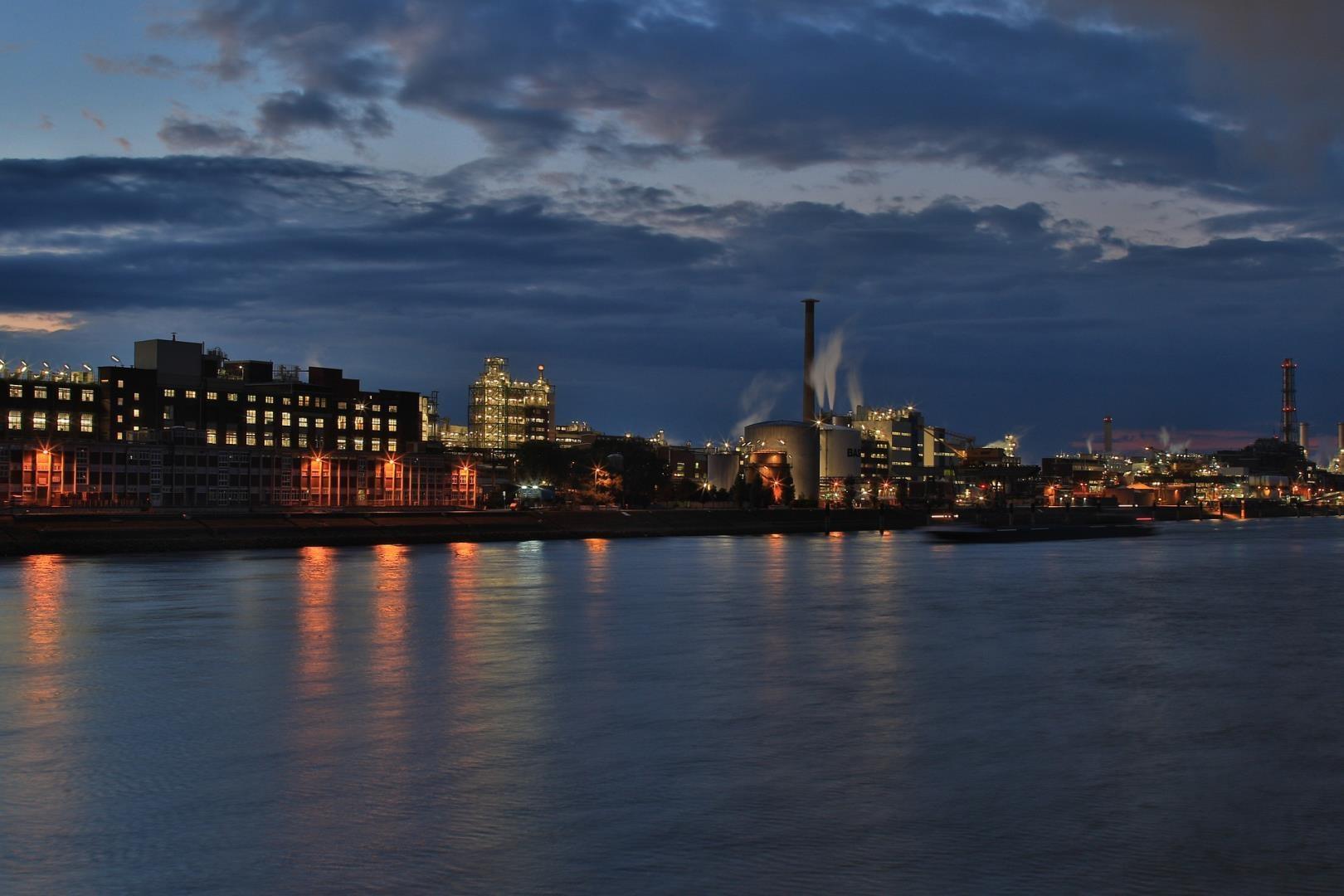
Ludwigshafen
Ludwigshafen am Rhein is an industrial city in southwestern Germany, located on the western bank of the Rhine River opposite Mannheim.
