
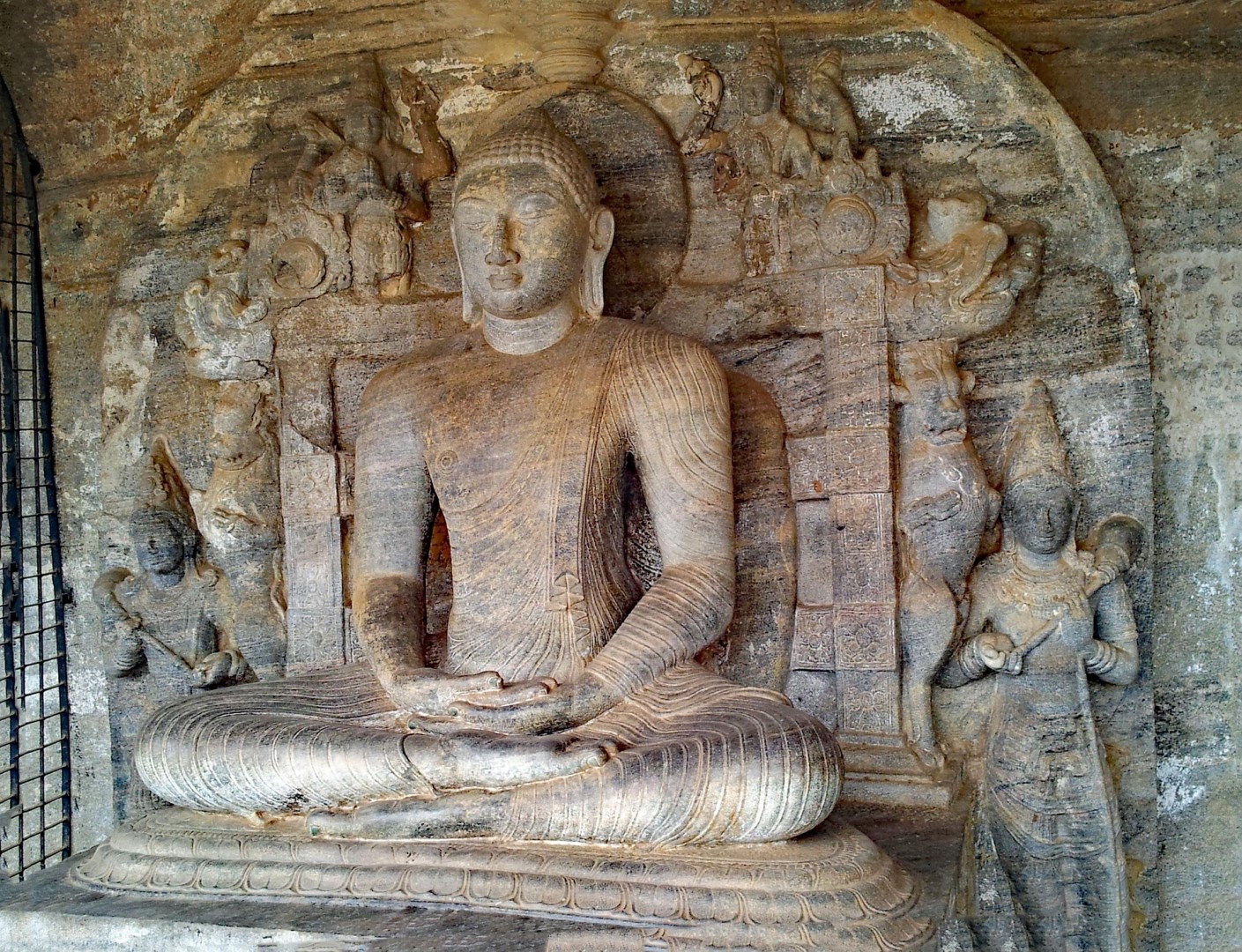
Polonnaruwa
Polonnaruwa, located in Sri Lanka’s North Central Province, served as the island’s capital nearly a thousand years ago. Today, it offers one of the most extensive and well-preserved archaeological sites in South Asia. Visitors can walk among the ruins of royal palaces, Buddhist monasteries, and intricately carved stone temples. One of the highlights of Polonnaruwa is the Gal Vihara, a group of colossal Buddha statues carved directly into granite.
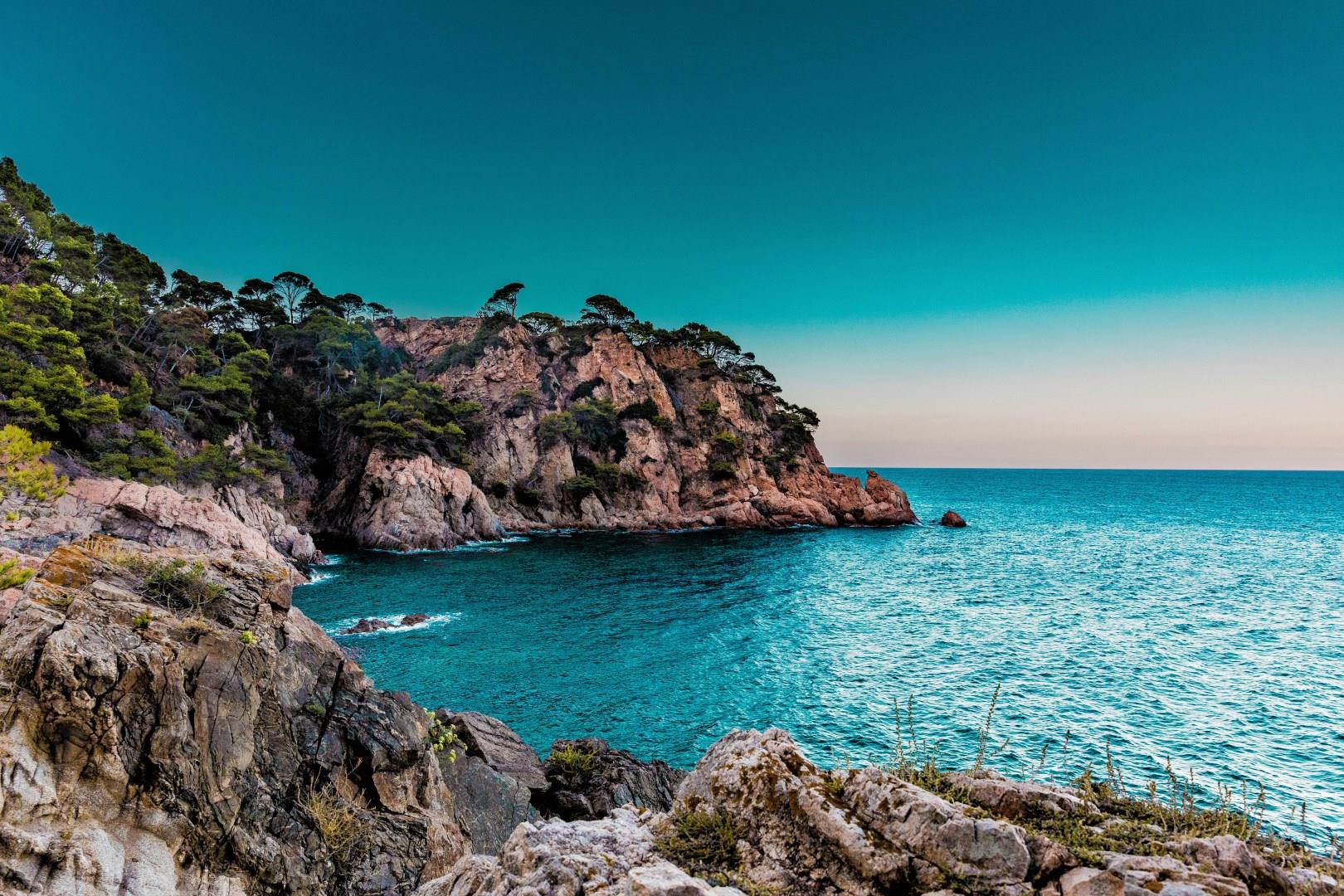
Marbella
Marbella, located between the Mediterranean Sea and the Sierra Blanca mountains, is often associated with its luxury resorts and famous marina, Puerto Banús. But beyond the polished storefronts and designer yachts, the city has a layered past. Its old town, known as Casco Antiguo, is a well-preserved network of narrow streets built during Moorish rule, with whitewashed buildings, flower-filled balconies, and hidden plazas like Plaza de los Naranjos, which dates back to the 15th century.
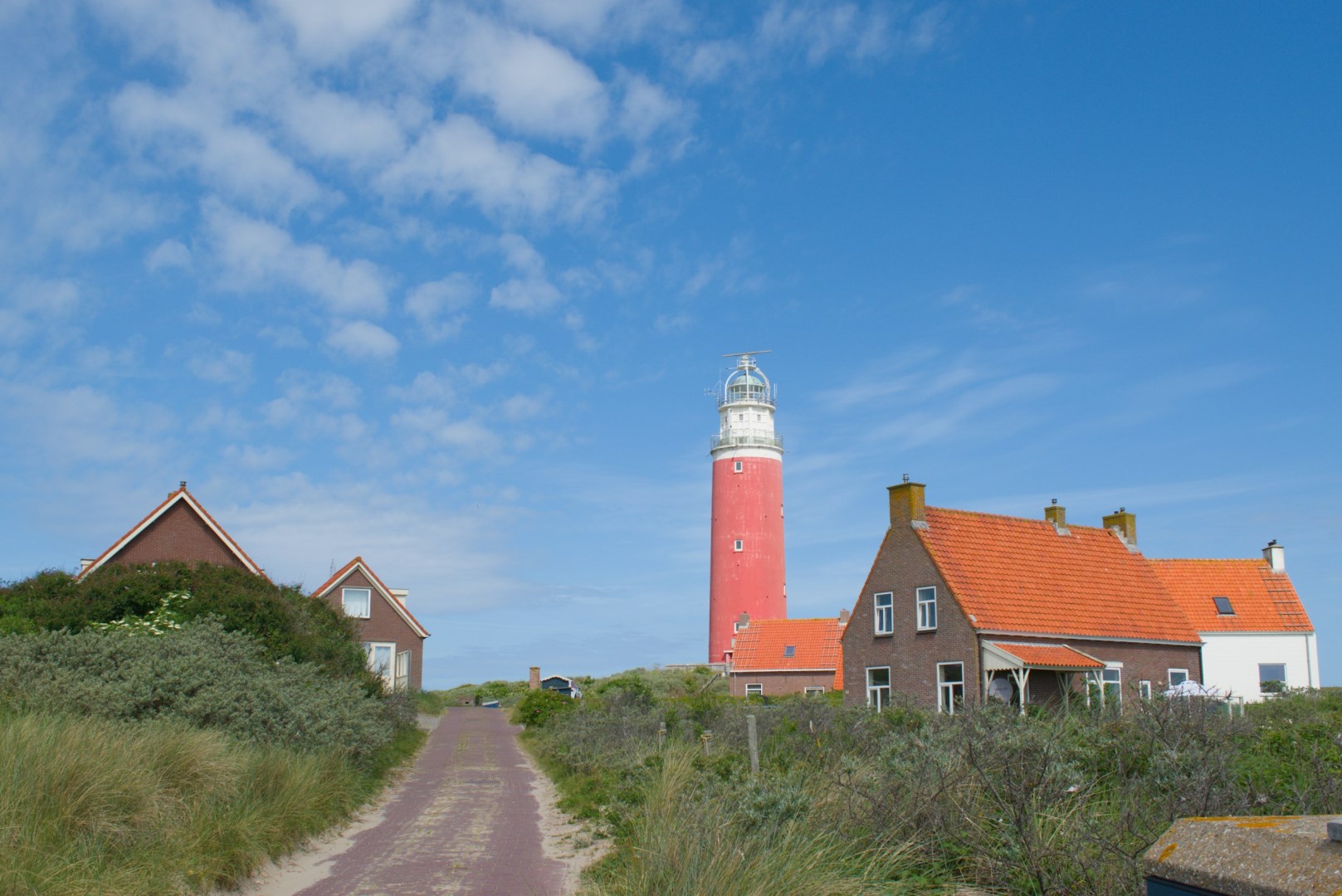
Texel
Texel is the largest of the Dutch Wadden Islands, located off the northern coast of the Netherlands and separated from the mainland by the Marsdiep Strait. Its landscape combines broad sandy beaches, coastal dunes, salt marshes, grasslands, polders, and small villages. Den Burg is the island’s main settlement, while De Koog is the principal seaside resort.
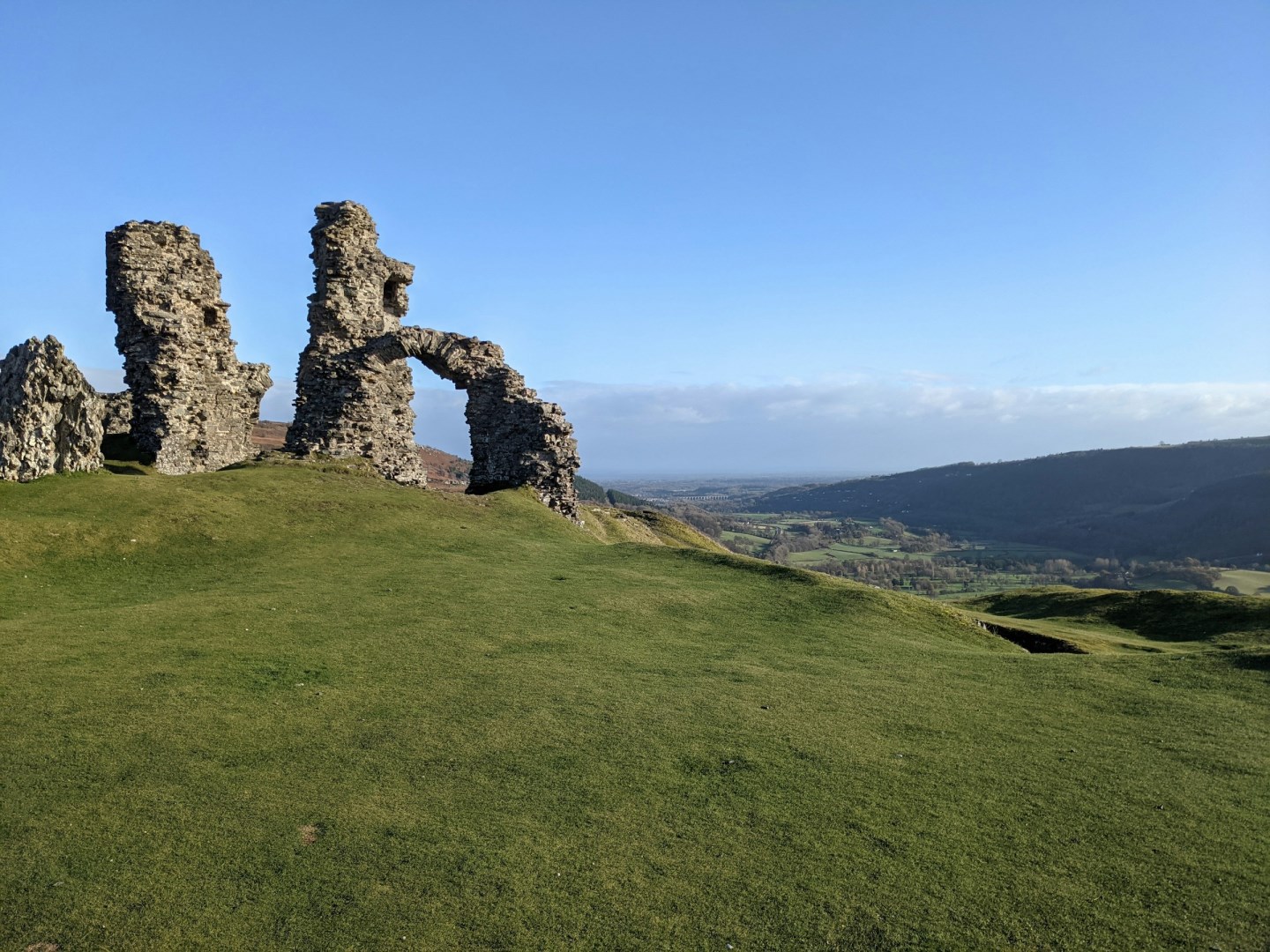
Llangollen
In common with so many ancient Welsh towns, Llangollen takes its name from its founding Saint; Collen, a seventh century saint, who chose this place to build his hermitage or cell in the custom of the times, with tiny church, hospice and outhouses all enclosed within a wall.
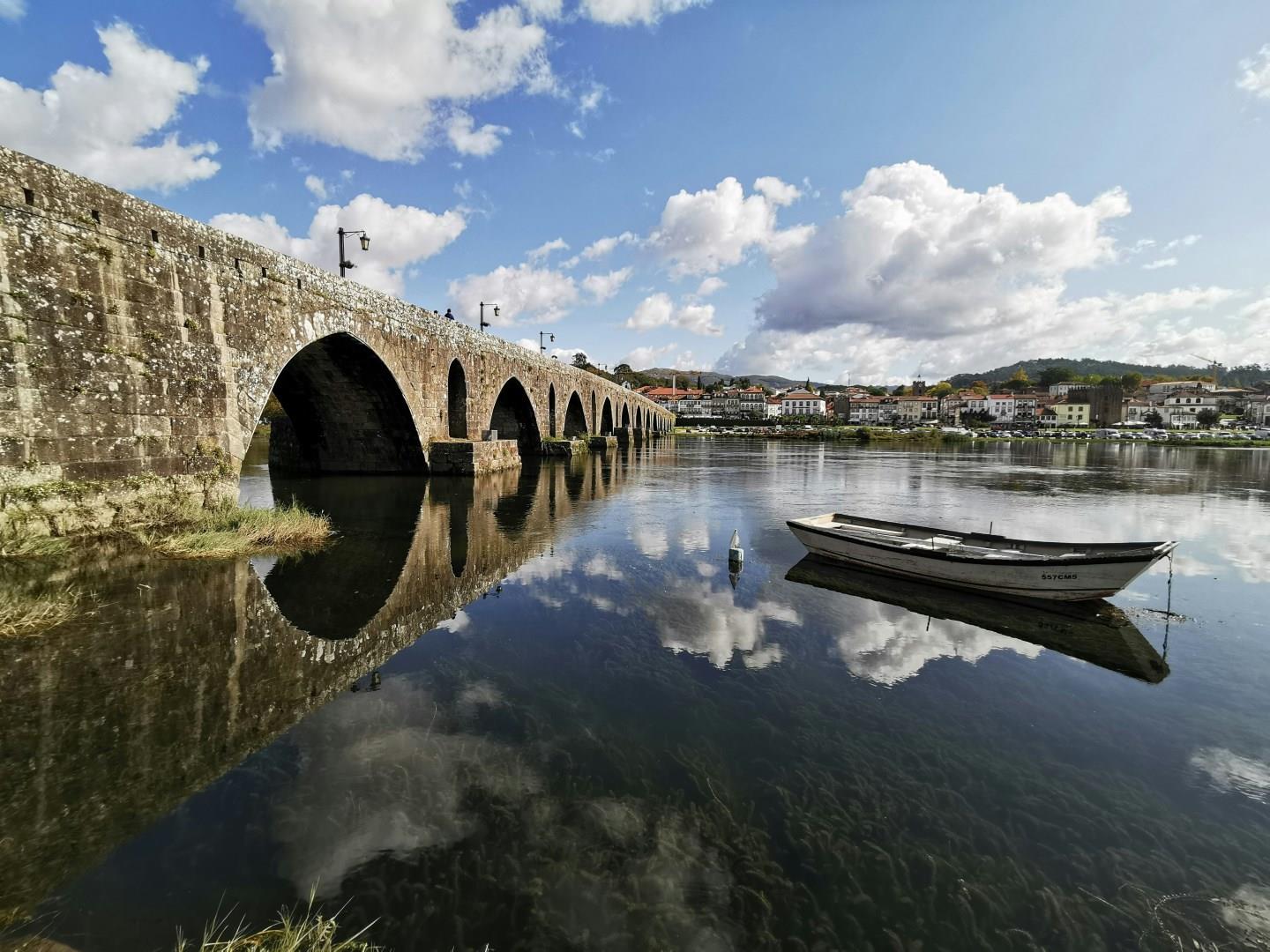
Ponte de Lima
Ponte de Lima sits along the Lima River in northern Portugal and is often regarded as the country’s oldest town. Its identity centers on the medieval bridge that spans the river, parts of which date back to Roman times and still structure how the town is experienced today.
