
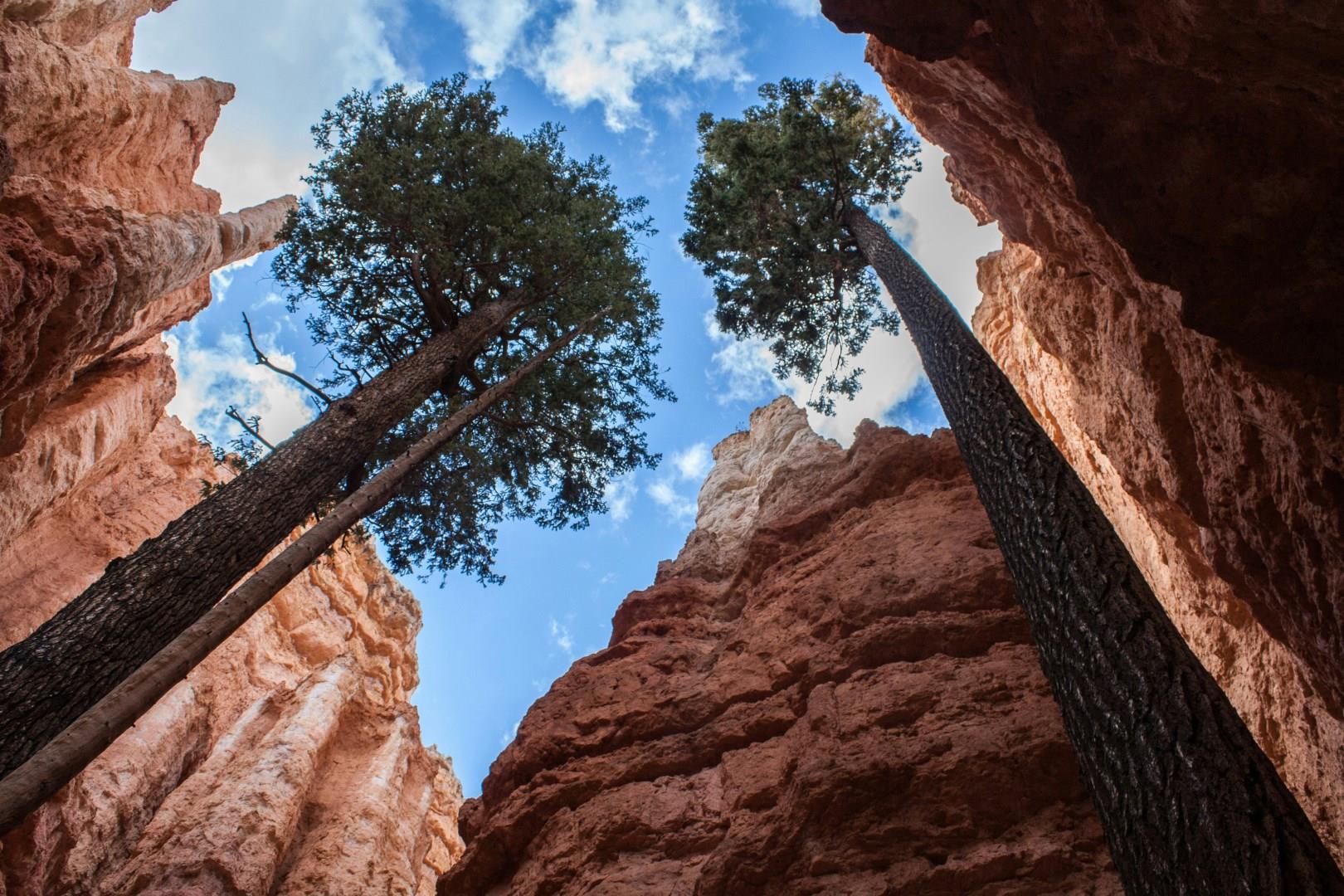
Bryce Canyon
Bryce Canyon, tucked into the high plateaus of southern Utah, offers one of the most unusual landscapes in the American Southwest. It’s not actually a canyon but a series of natural amphitheaters carved into the edge of the Paunsaugunt Plateau. What makes Bryce unique is its dense collection of hoodoos which are tall, thin spires of rock formed over millions of years by frost-wedging and erosion.
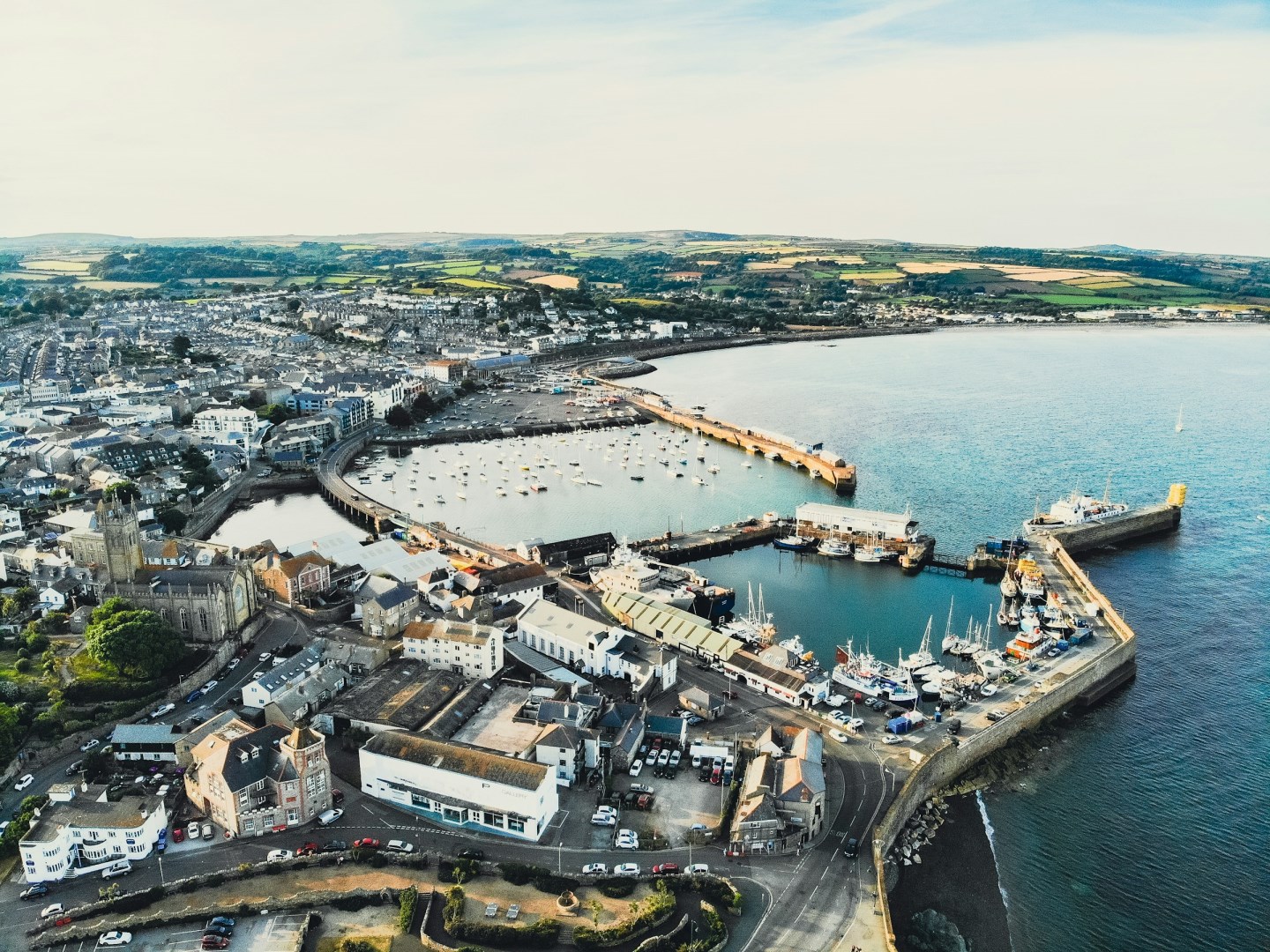
Penzance
This fishing port in southwestern England's county of Cornwall rests along the sheltered Mount's Bay and is blessed with a mild climate year-round, as evidenced by the subtropical plants in Morrab gardens. Near Penzance is the town of St.Ives, a quaint place with a reputation as an artist's colony.
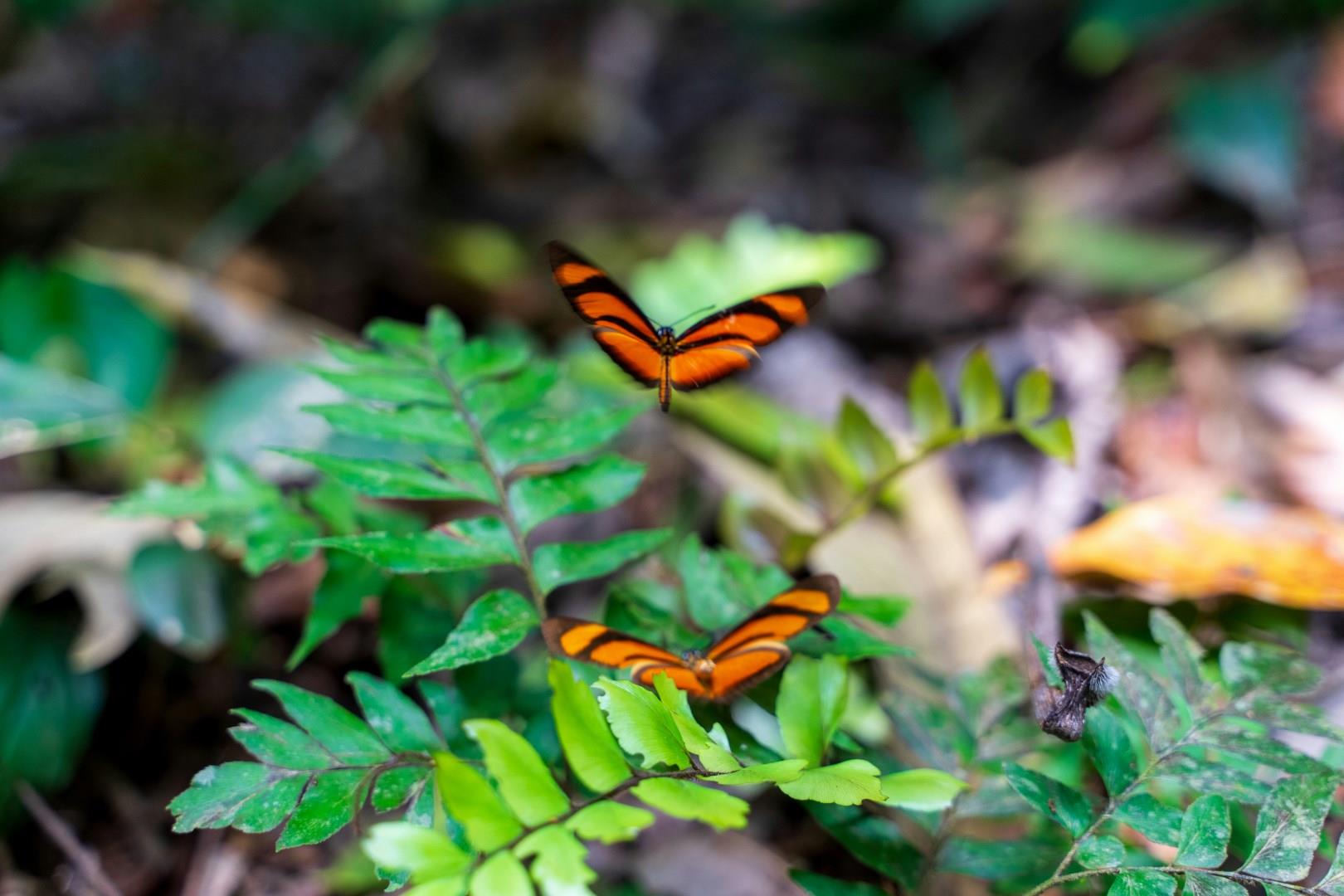
Tambopata
Located in the Madre de Dios region of southeastern Peru, Tambopata is a protected area where visitors can experience the Amazon rainforest in its rawest form. The Tambopata National Reserve spans over 270,000 hectares and is home to an estimated 1,200 butterfly species, 600 bird species, and hundreds of tree varieties. One of its most famous residents is the jaguar, though sightings are rare. More common encounters include red howler monkeys, capybaras, and giant river otters.

Nunavut
Nunavut comprises a major portion of Northern Canada, and most of the Canadian Arctic Archipelago. Its vast territory makes it the fifth-largest country subdivision in the world, as well as the largest in North America.
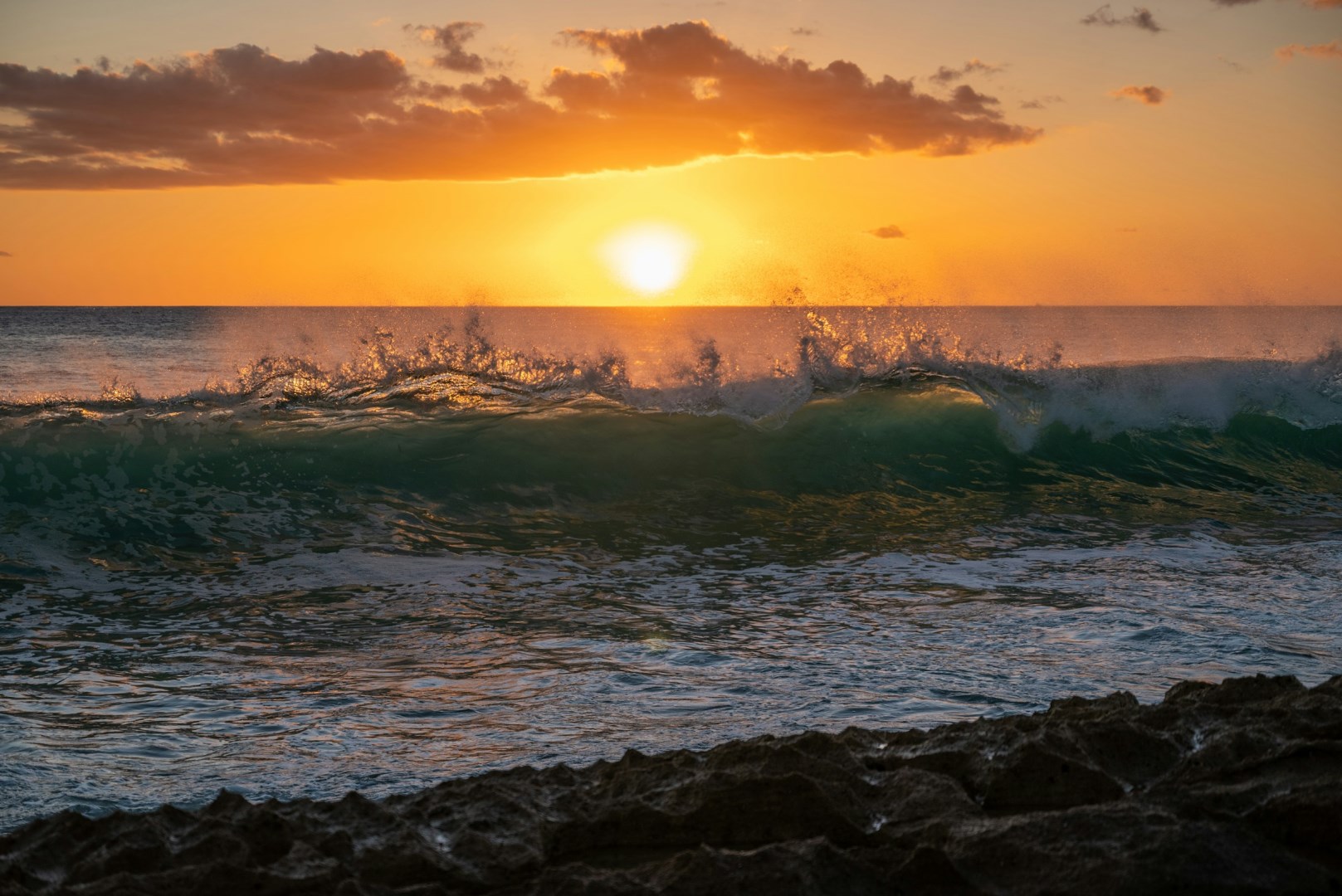
Kapolei, Hawaii
Kapolei, located on the western coast of Oahu, Hawaii, is a rapidly growing city often referred to as Oahu’s “Second City.” Designed as a planned community, Kapolei blends residential, commercial, and recreational areas, offering a more relaxed and family-friendly alternative to Honolulu. Its modern infrastructure, proximity to beaches, and cultural amenities make it an attractive destination for both residents and visitors.
