
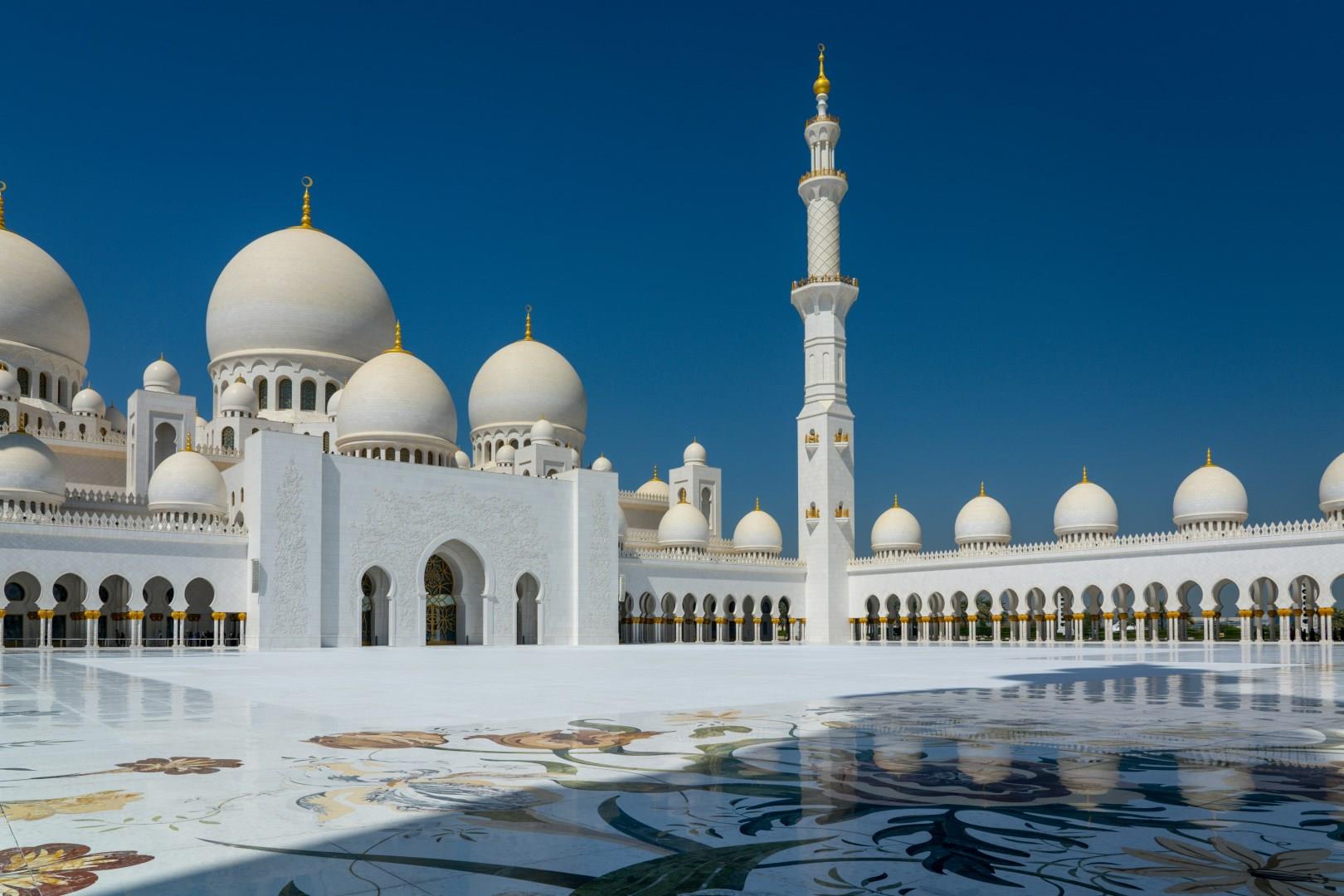
Fujairah
Fujairah stands apart among the emirates as the only one on the UAE’s eastern shore, where waves roll in from the Gulf of Oman and the Hajar Mountains rise sharply behind the city. Life here moves between sea and mountain, where coastal breeze meets rugged terrain, and echoes of ancient trade routes still shape the rhythm of settlements.
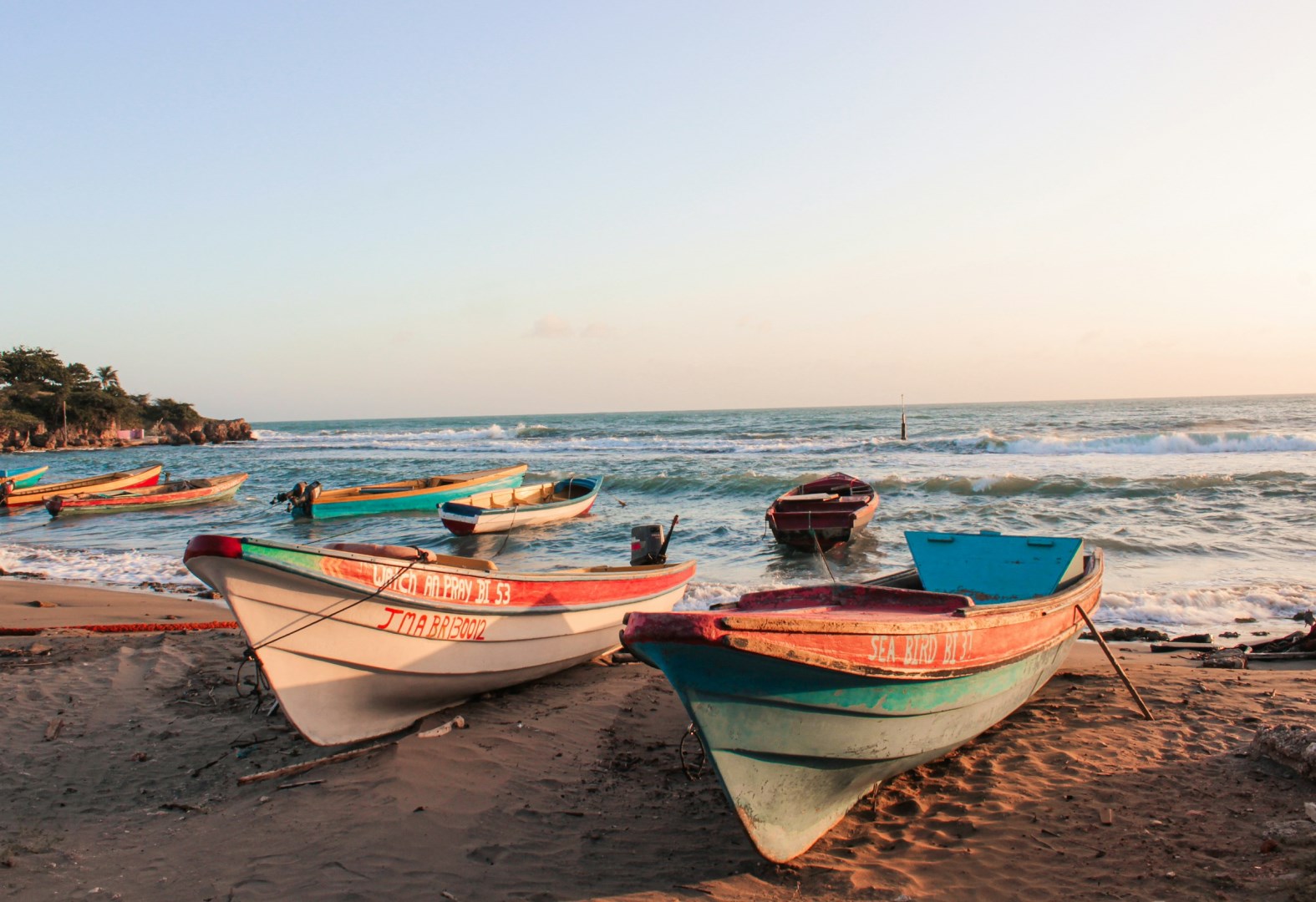
Treasure Beach
Treasure Beach is a collection of small coastal communities on Jamaica’s south coast in Saint Elizabeth Parish, known for quiet bays, fishing villages, rocky shores, and dry coastal landscapes. Unlike the larger resort areas on the island’s northern coast, the area has developed around local communities, small guesthouses, farms, and independent businesses. Calabash Bay, Frenchman’s Bay, Billy’s Bay, and Great Bay form the main coastal sections commonly associated with Treasure Beach.
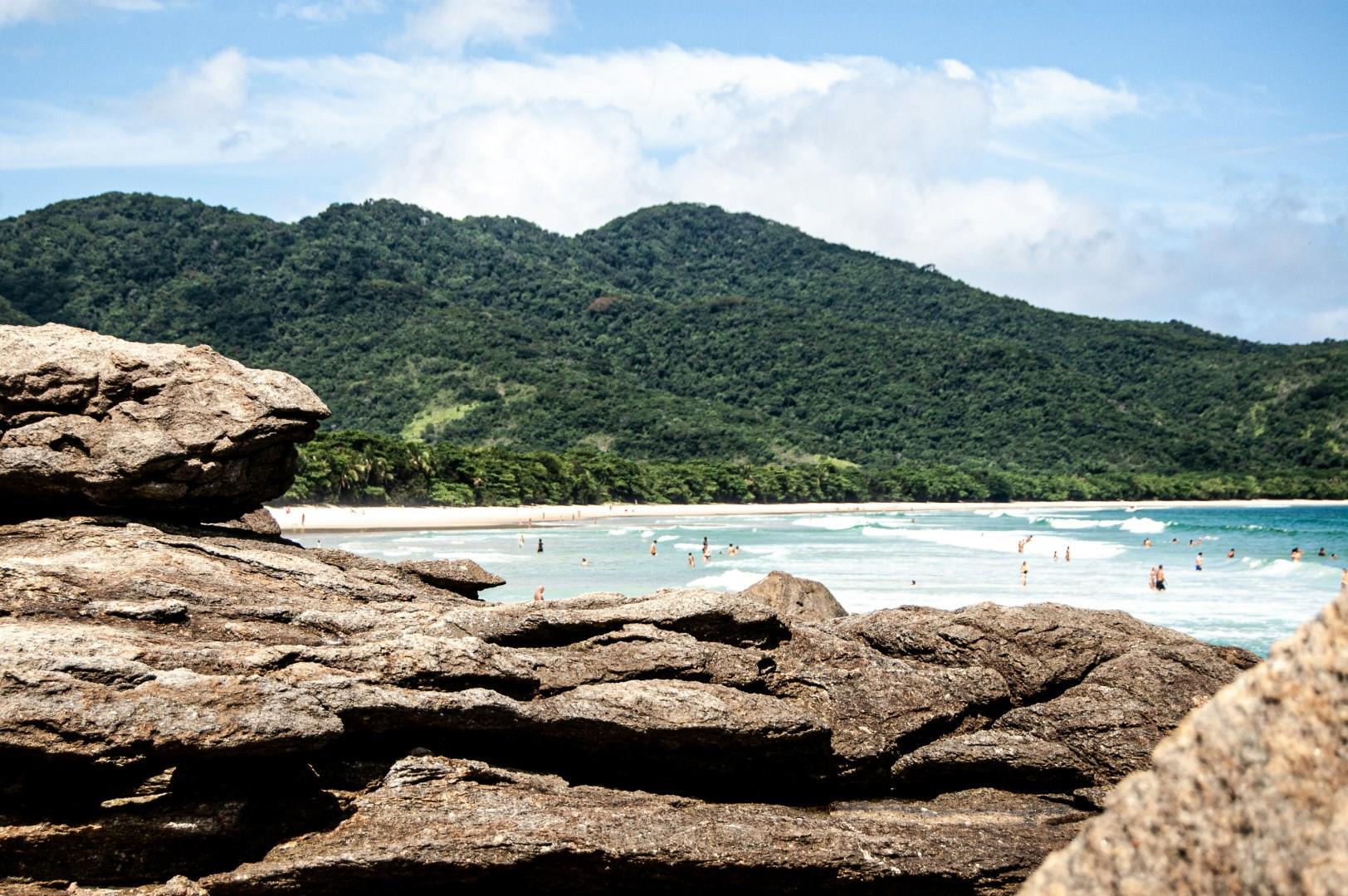
Ilha Grande
Ilha Grande, an island off the coast of Rio de Janeiro state, is a place where tropical forest and coastline meet in striking harmony. Once a pirate hideout and later the site of a penal colony, it has evolved into one of Brazil’s most remarkable island destinations. With no cars allowed and no large resorts, the island moves at a different pace, where footpaths and boats are the main ways to get around.
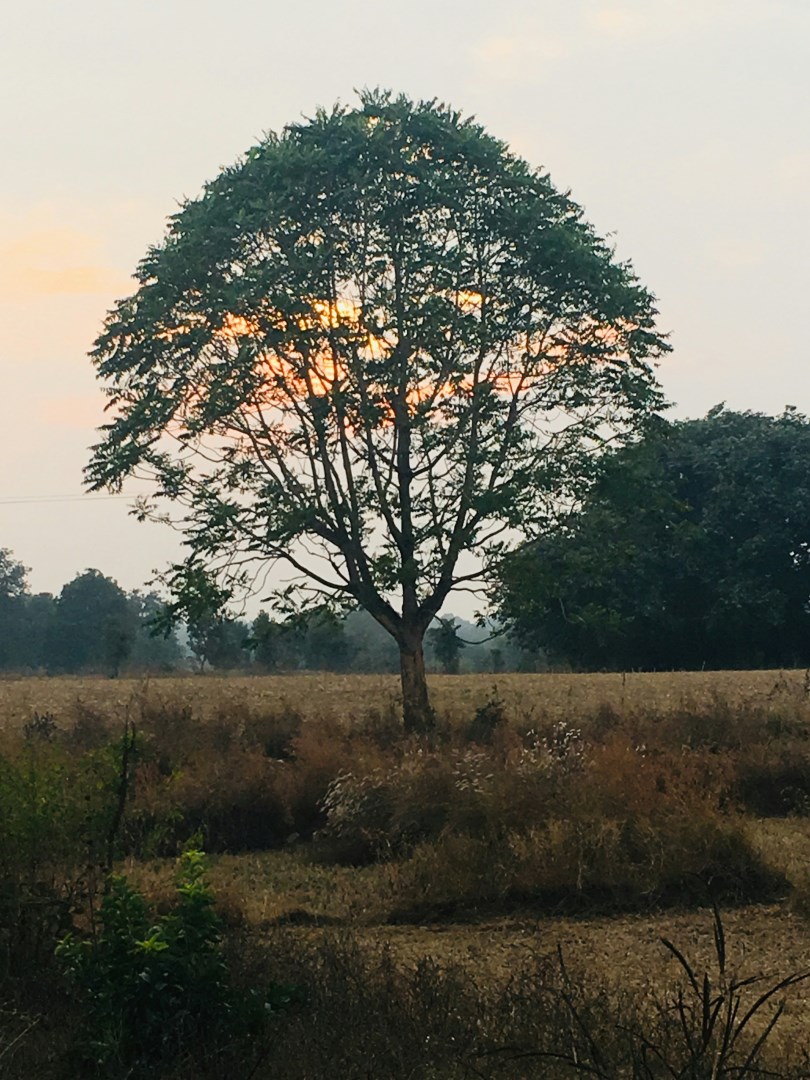
Pench National Park
Pench National Park lies in the southern part of Madhya Pradesh, across Seoni and Chhindwara districts, with the reserve extending toward Maharashtra. The Pench River runs through the landscape and gives the park its name. Its forests include teak, salai, mahua, bamboo, and mixed dry deciduous vegetation, interspersed with open grasslands and streams. The park is especially known for Bengal tigers, but it also supports leopards, Indian wild dogs, gaur, sambar, chital, nilgai, sloth bears, and ma
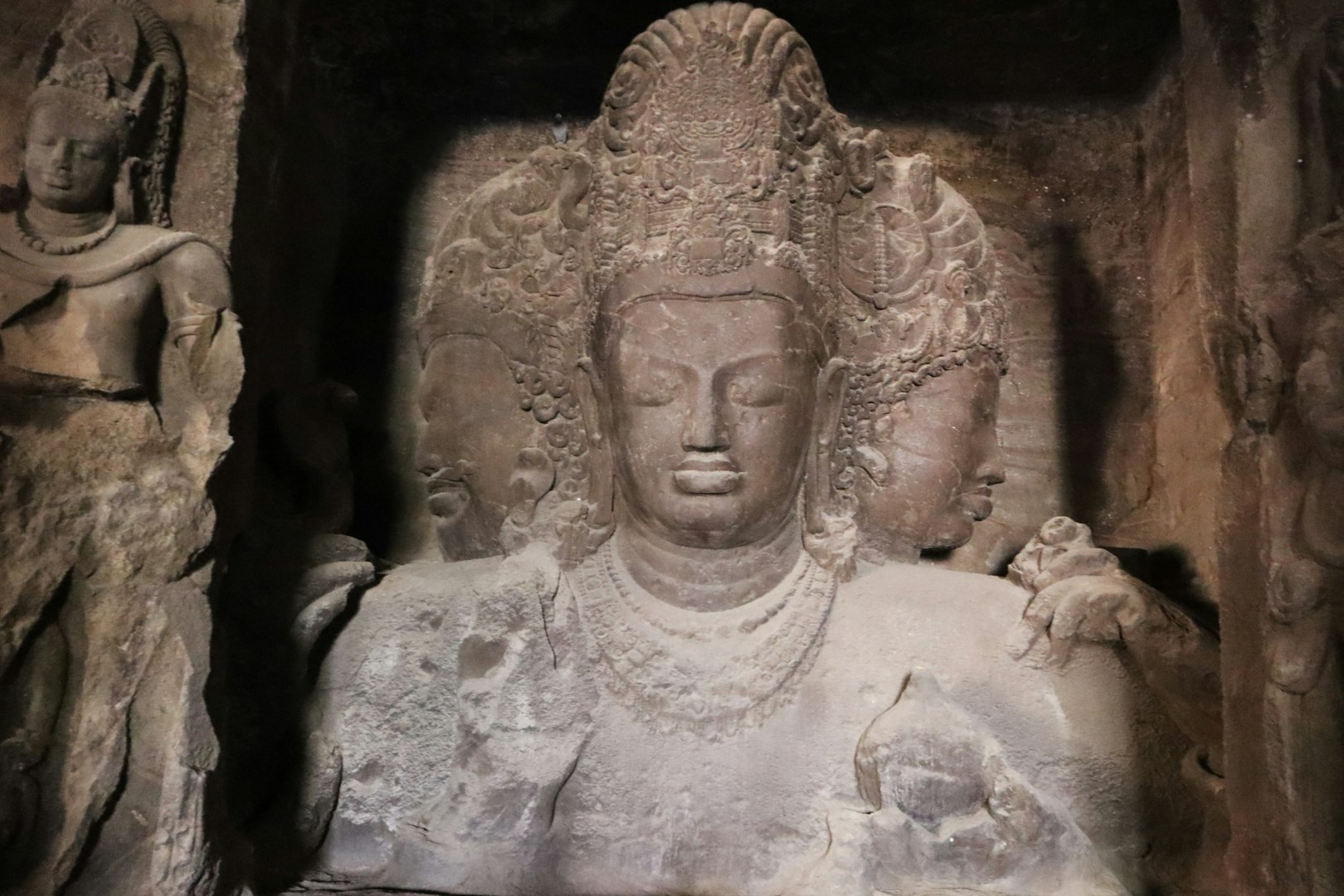
Elephanta Caves
Elephanta Caves are a group of rock-cut temples on Elephanta Island in Mumbai Harbour, Maharashtra, reached by ferry from Mumbai. Carved into basalt cliffs, the caves contain sculptures and architectural features dedicated mainly to Shiva, along with smaller Buddhist remains. The island is covered by forest and rises above the surrounding waters, creating a marked contrast with the dense urban landscape of Mumbai. The cave complex is recognized as an important example of Indian rock-cut architec
