
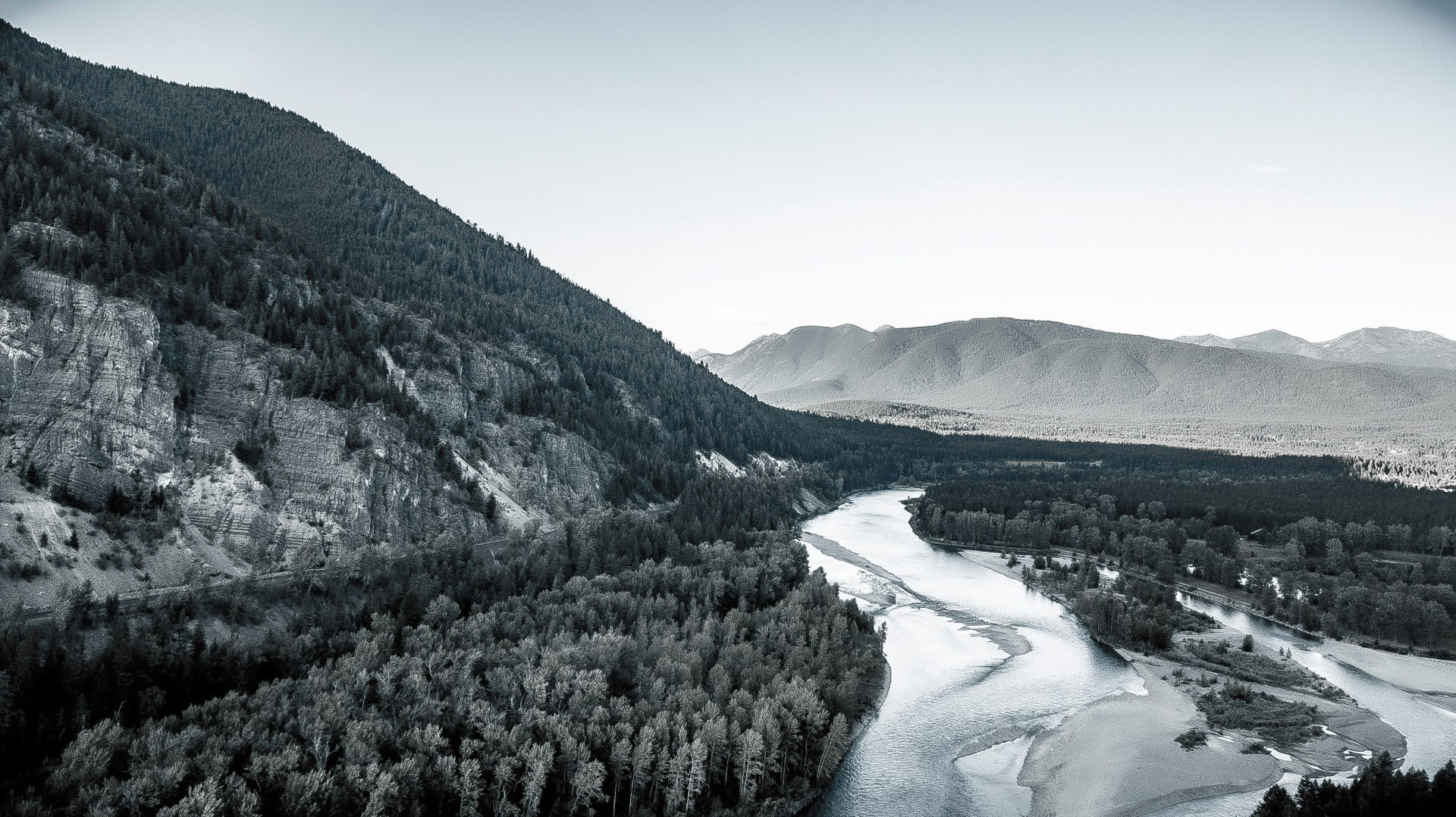
Whitefish
Nestled in the heart of the Rocky Mountains, Whitefish, Montana, is a gateway to breathtaking natural beauty and outdoor adventures. The charming town serves as a perfect base for exploring the nearby Glacier National Park, renowned for its stunning glaciers, pristine lakes, and extensive hiking trails. Whitefish itself is a vibrant community, where the scenic backdrop is matched by a bustling downtown filled with boutique shops, local restaurants, and cozy lodges.
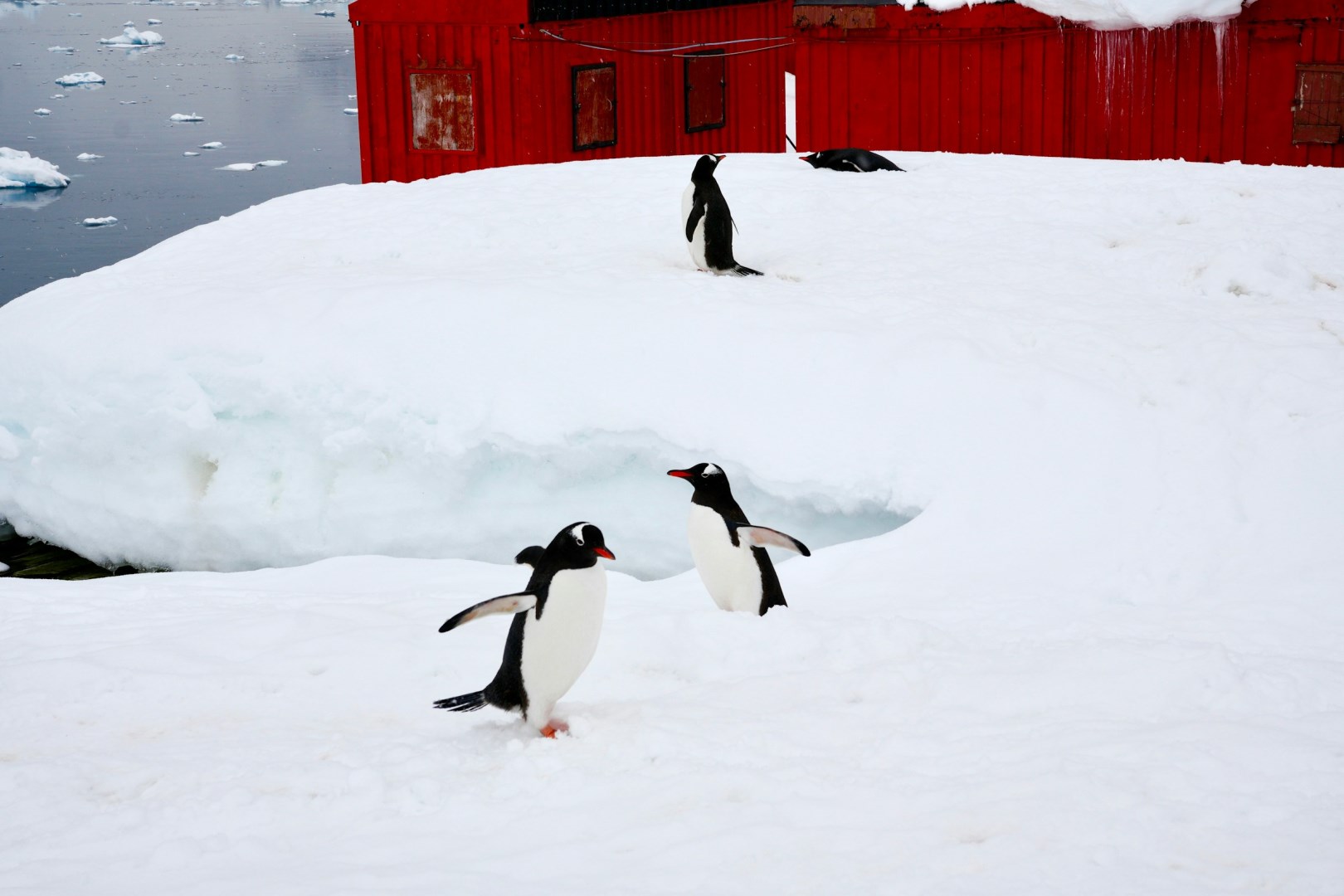
Paradise Bay
The name is not an exaggeration. Here 100-foot high glaciers and precipitous mountains present an incomparable panorama, a riot of color in white, red, yellow and blue.
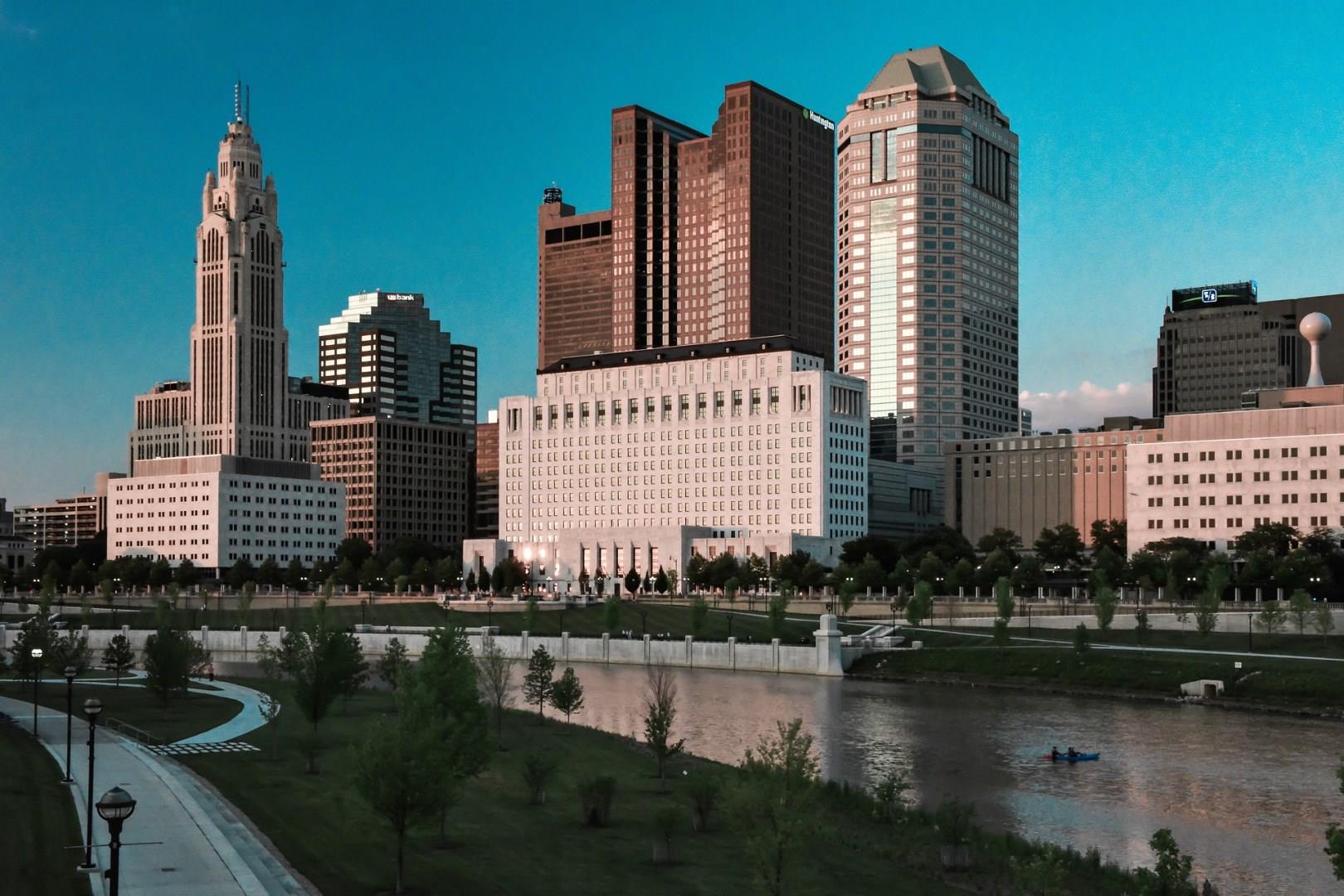
Columbus
Columbus, city and seat of Muscogee County, western Georgia, a port at the head of the Chattahoochee River, opposite Phenix City, Alabama. Columbus is a regional transportation, trade, cultural, and manufacturing hub. Its many textile, food-processing, and metalworking industries are powered by hydroelectric plants on the Chattahoochee River.
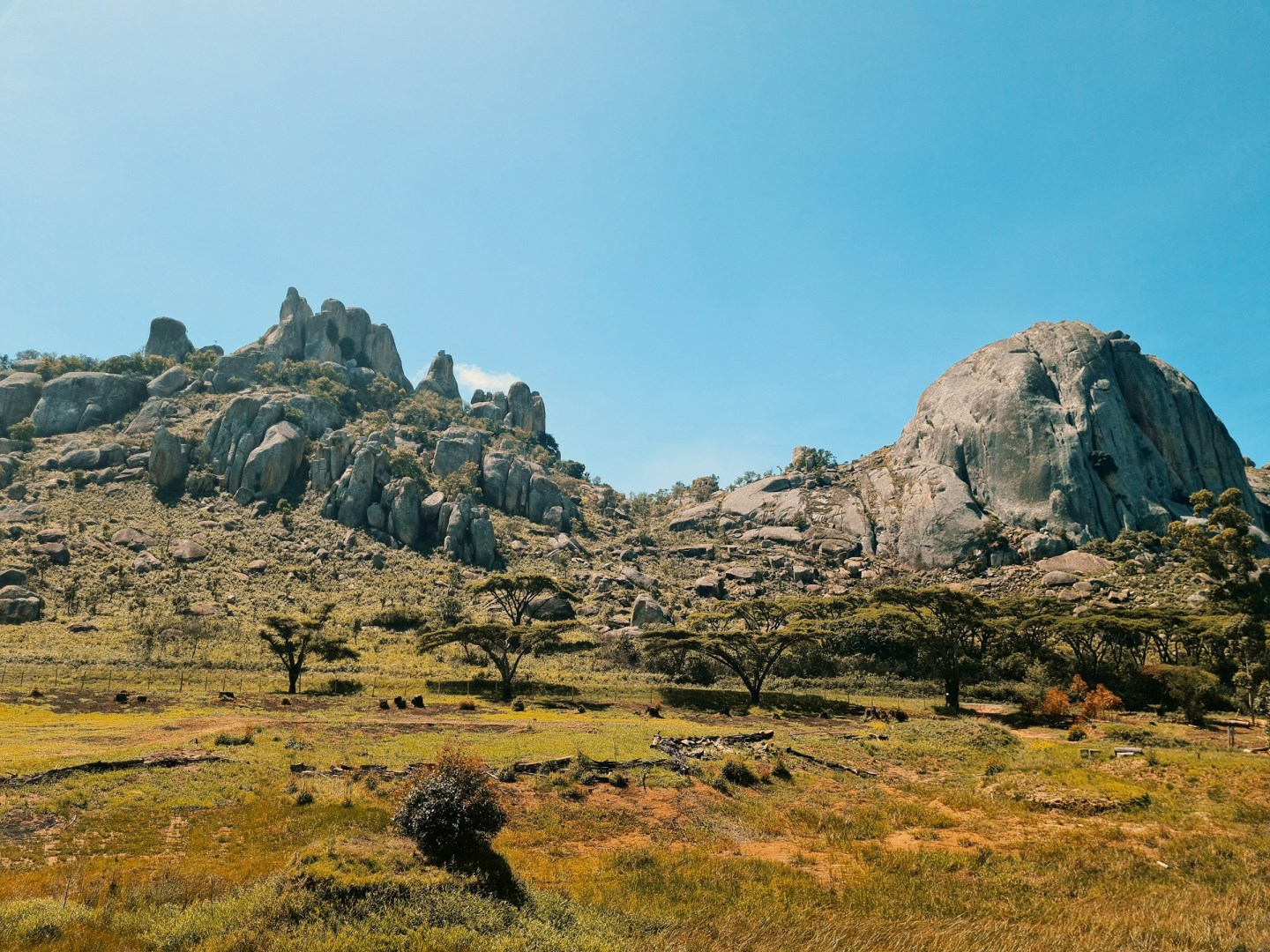
Nyanga
Nyanga is a highland destination in northeastern Zimbabwe, set within the rolling landscapes of the Eastern Highlands. The area is centered on Nyanga National Park, where open grasslands, mountain slopes, rocky outcrops, streams, and patches of woodland create a cooler environment than much of the country.

Caudebec
Set along the Seine, Caudebec-en-Caux is notable for its dramatic Notre-Dame church and Maison des Templier (The Templars' House).
