
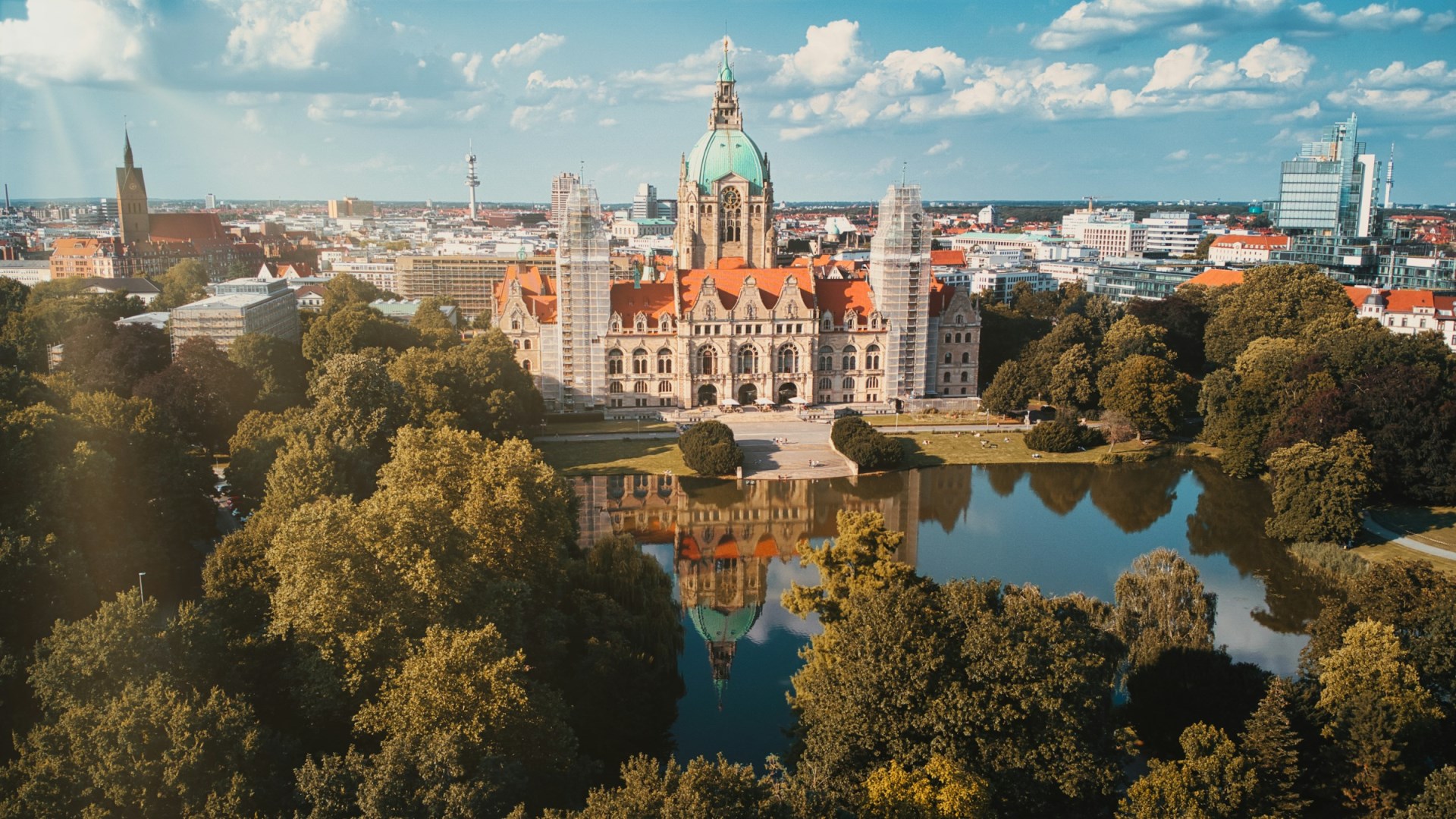
Hannover
Hannover is the capital of Lower Saxony in northern Germany and one of the country’s most important centers for business, education, and trade fairs. Situated along the Leine River, the city combines modern urban development with extensive green spaces, historic landmarks, and cultural institutions.
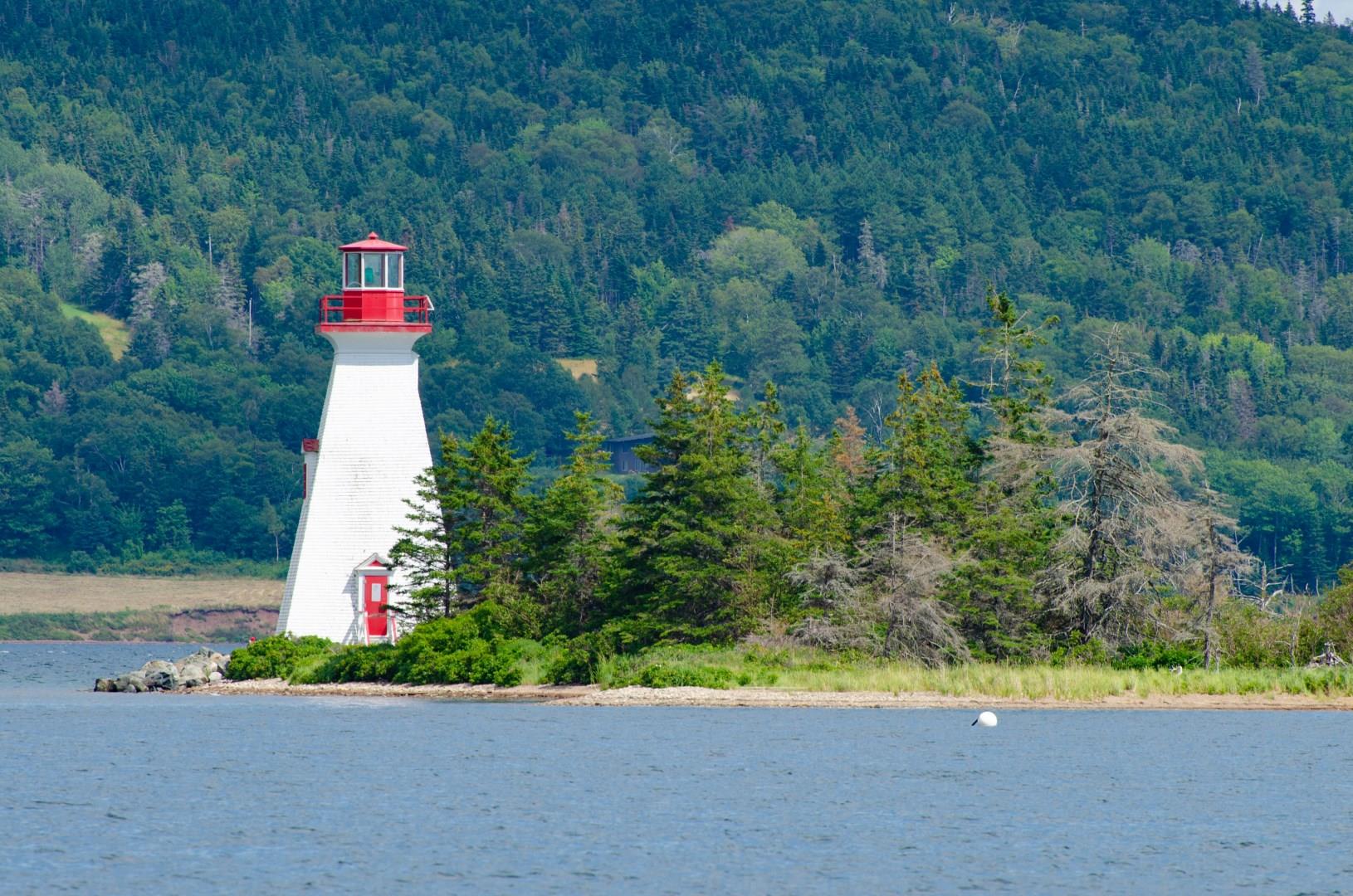
Baddeck, Cape Breton Island
Baddeck sits along the calm waters of the Bras d’Or Lake on Cape Breton Island in Nova Scotia, a village with deep roots and stories to tell. Its name comes from an Indigenous word thought to mean “place with an island near,” a nod to nearby Kidston Island and the long history of the Mi’kmaq people in the area. A highlight for many visitors is the Alexander Graham Bell National Historic Site, where the legacy of one of history’s most inventive minds comes alive.
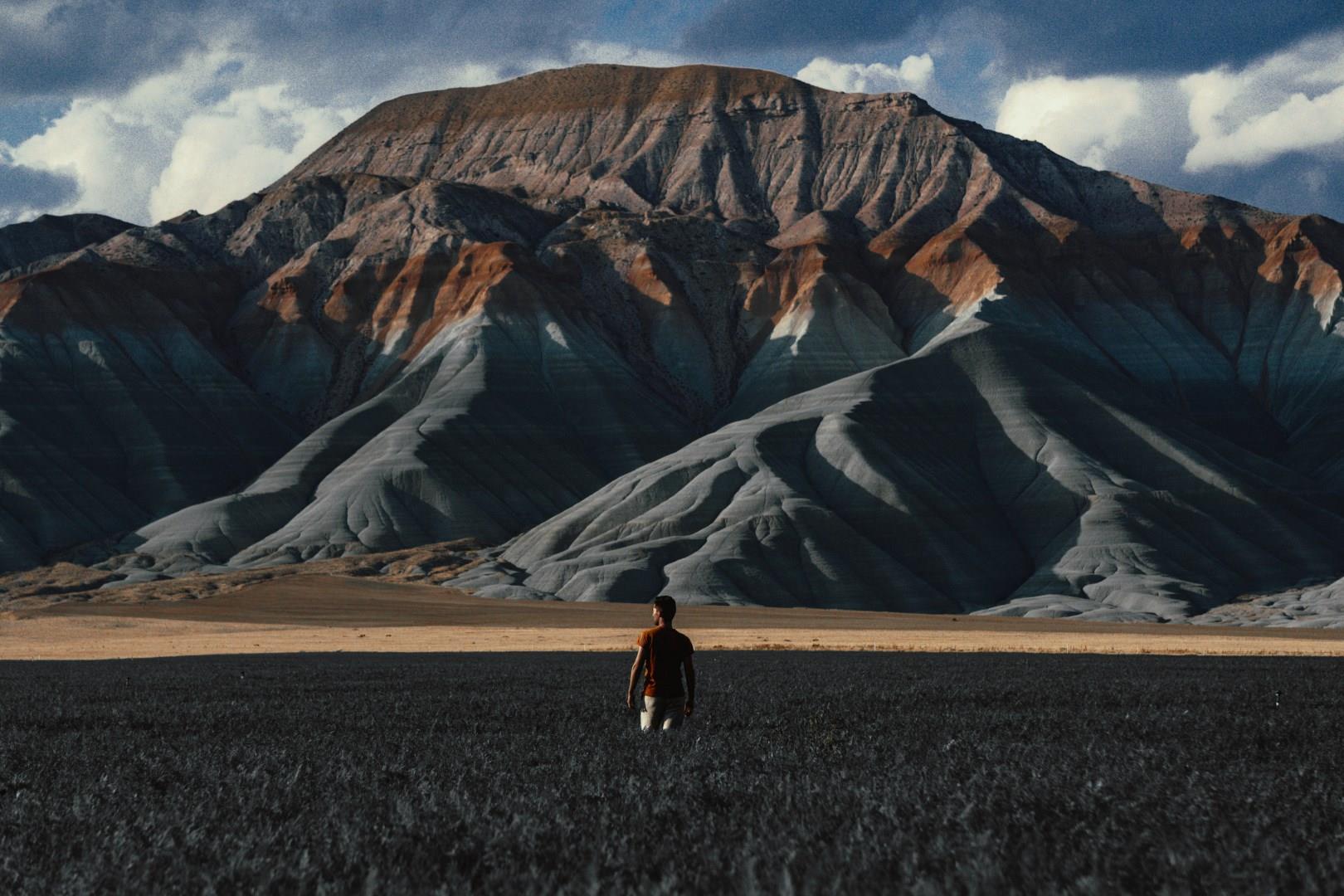
Ankara
Ankara, the capital of Turkey, sits on the Anatolian plateau and reflects the country’s layered history more quietly than Istanbul, yet with equal depth. Once an important settlement for the Hittites, Phrygians, Romans, and Byzantines, Ankara rose to national prominence in the 20th century when Mustafa Kemal Atatürk chose it as the heart of the modern Turkish Republic. Today, it functions as Turkey’s political center while preserving traces of its ancient and Ottoman past.
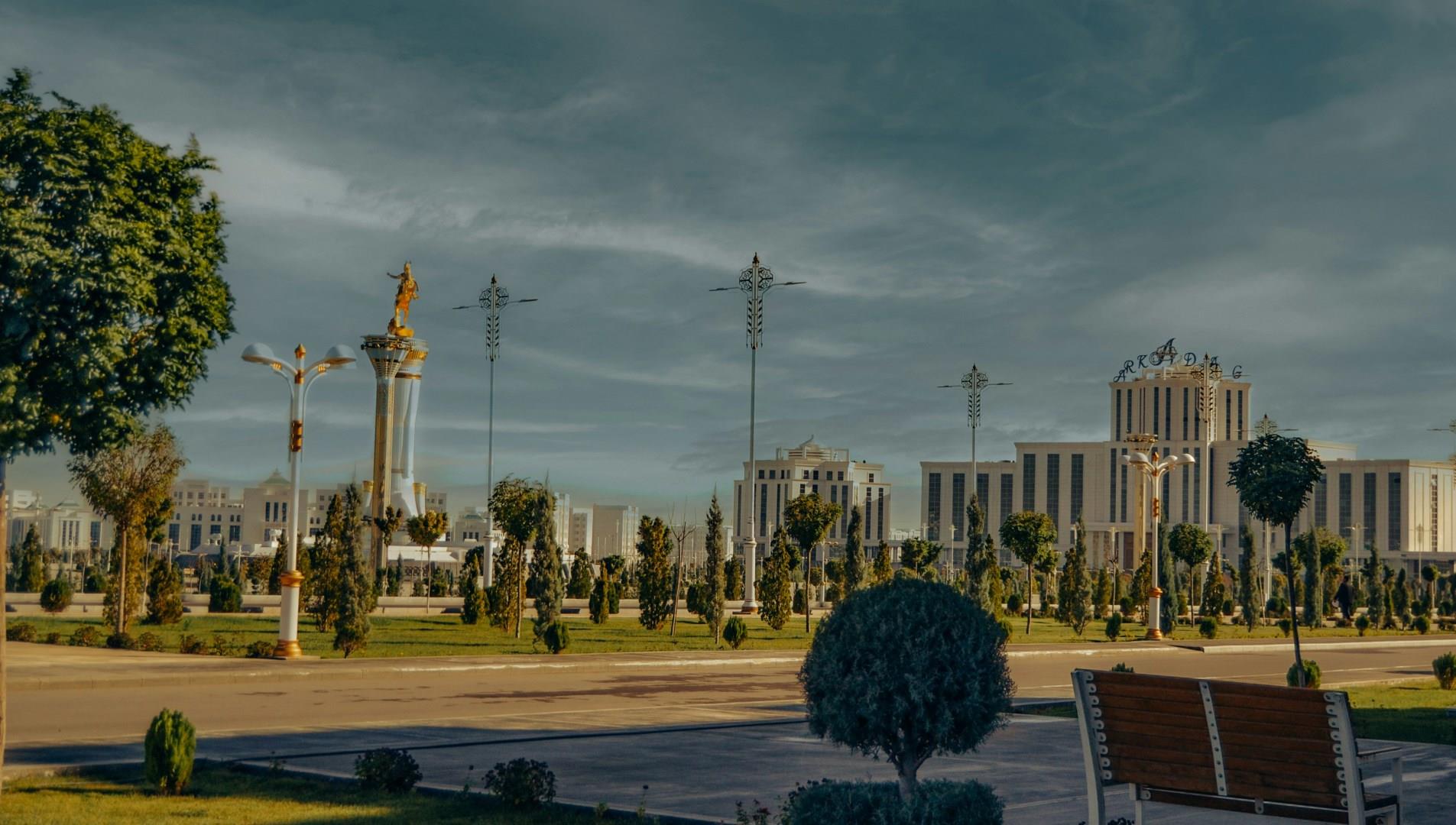
Turkmenistan
Turkmenistan is a land of striking contrasts, where vast deserts meet ancient Silk Road history. The country is dominated by the Karakum Desert, an expanse of sand and scrub that covers most of its territory, yet it is also home to oases where cities flourished as trading posts for caravans journeying between Persia, China, and beyond.
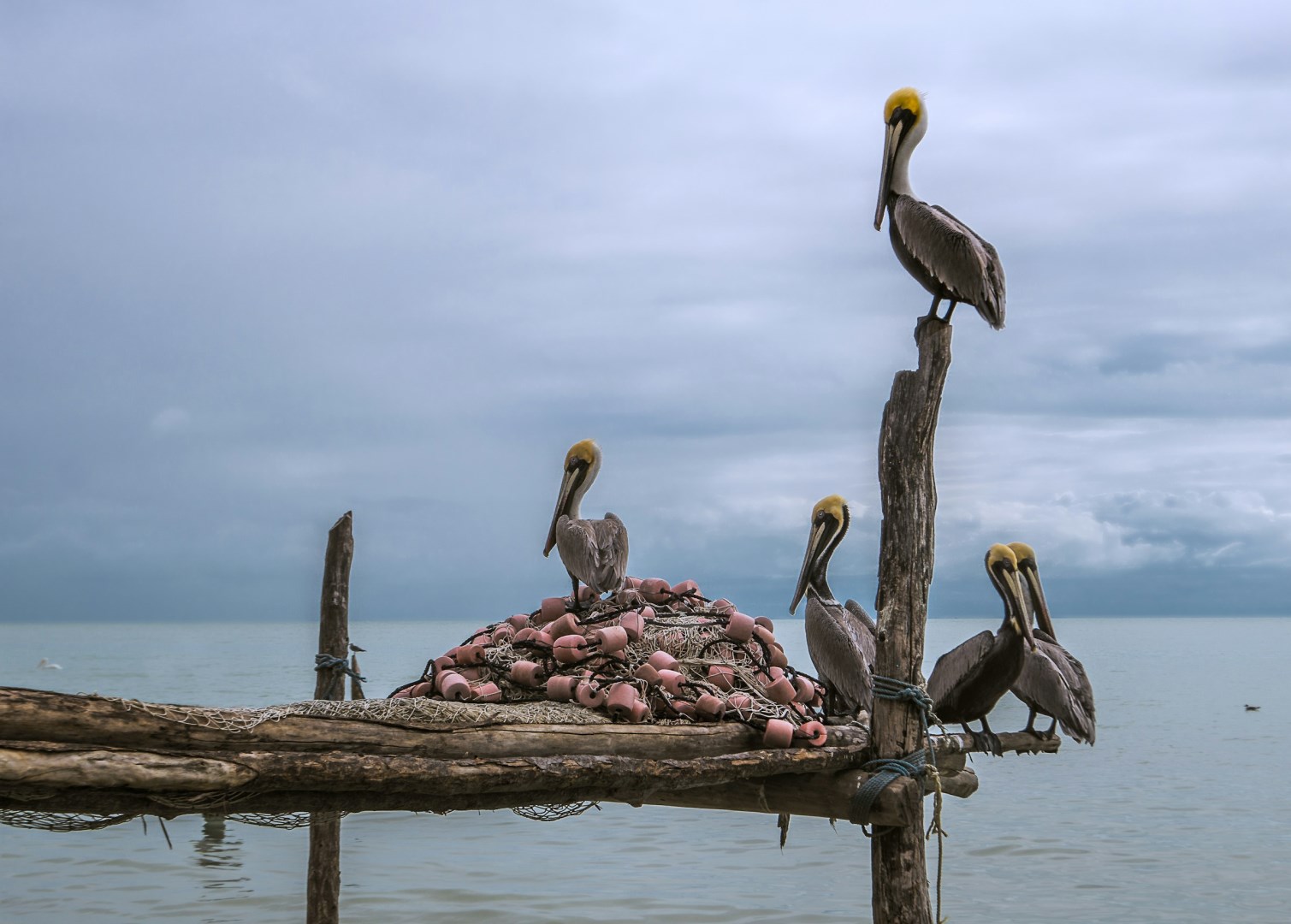
Campeche
The state of Campeche, located on the western edge of the Yucatán Peninsula, is a hidden gem waiting to be discovered by adventurous travelers. Rich in history, culture, and natural beauty, Campeche offers a unique blend of colonial charm and ancient Maya heritage.
