
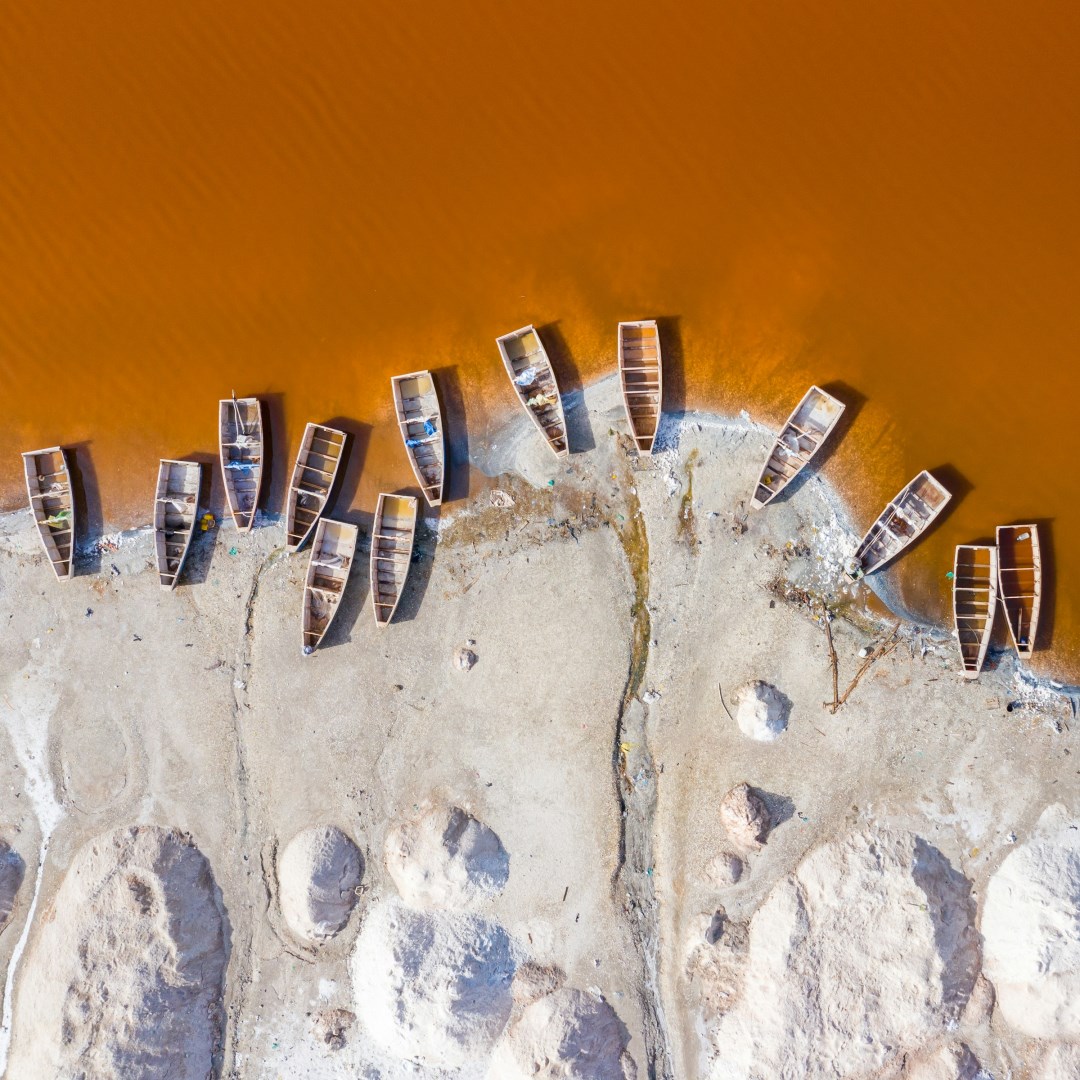
Lake Retba
Lake Retba, also known as Lac Rose, is a shallow salt lake near the Atlantic coast, north of Dakar. Its water is separated from the ocean by a narrow belt of dunes, creating a landscape of pale sand, salt flats, and low scrub. The lake is best known for its high salt concentration, which can produce pink, reddish, or mauve tones under particular conditions of sunlight and water chemistry. Its appearance changes with weather and light rather than remaining one fixed color.
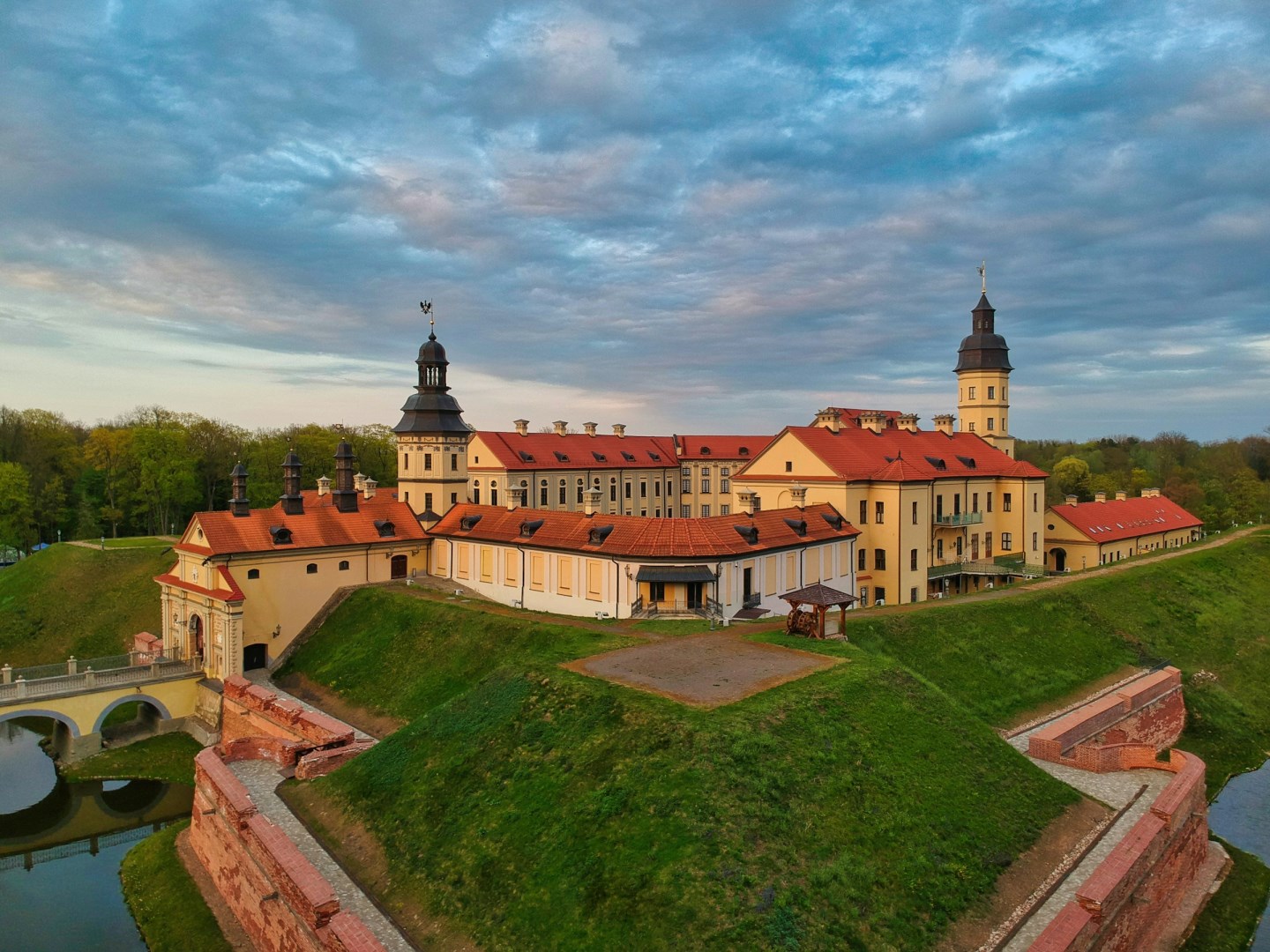
Nesvizh
Nesvizh is a historic town in central Belarus known for its connection with the Radziwill family and its well-preserved architectural heritage. The town lies among low wooded landscapes and cultivated fields, with the Nesvizh Castle complex forming its principal landmark.
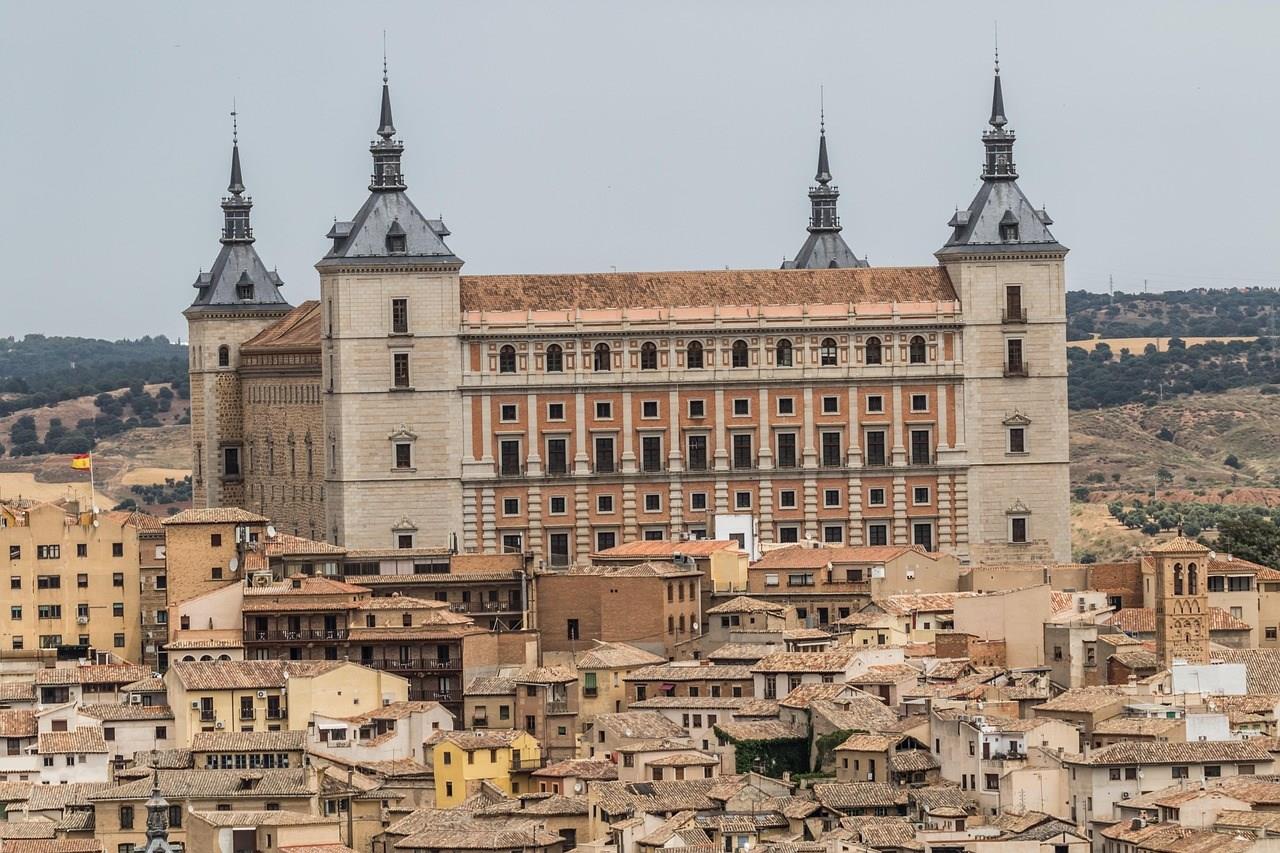
Toledo
Toledo, high above the Tagus River in central Spain, is a city where layers of history are visible around every corner. For centuries it was an important Roman settlement, a Visigothic capital, and later a stronghold during the medieval Christian reconquest, before becoming the seat of royal power and a crossroads of cultures. Because of this long span of stories and architectural richness, the whole old town has been recognized as a UNESCO World Heritage Site.
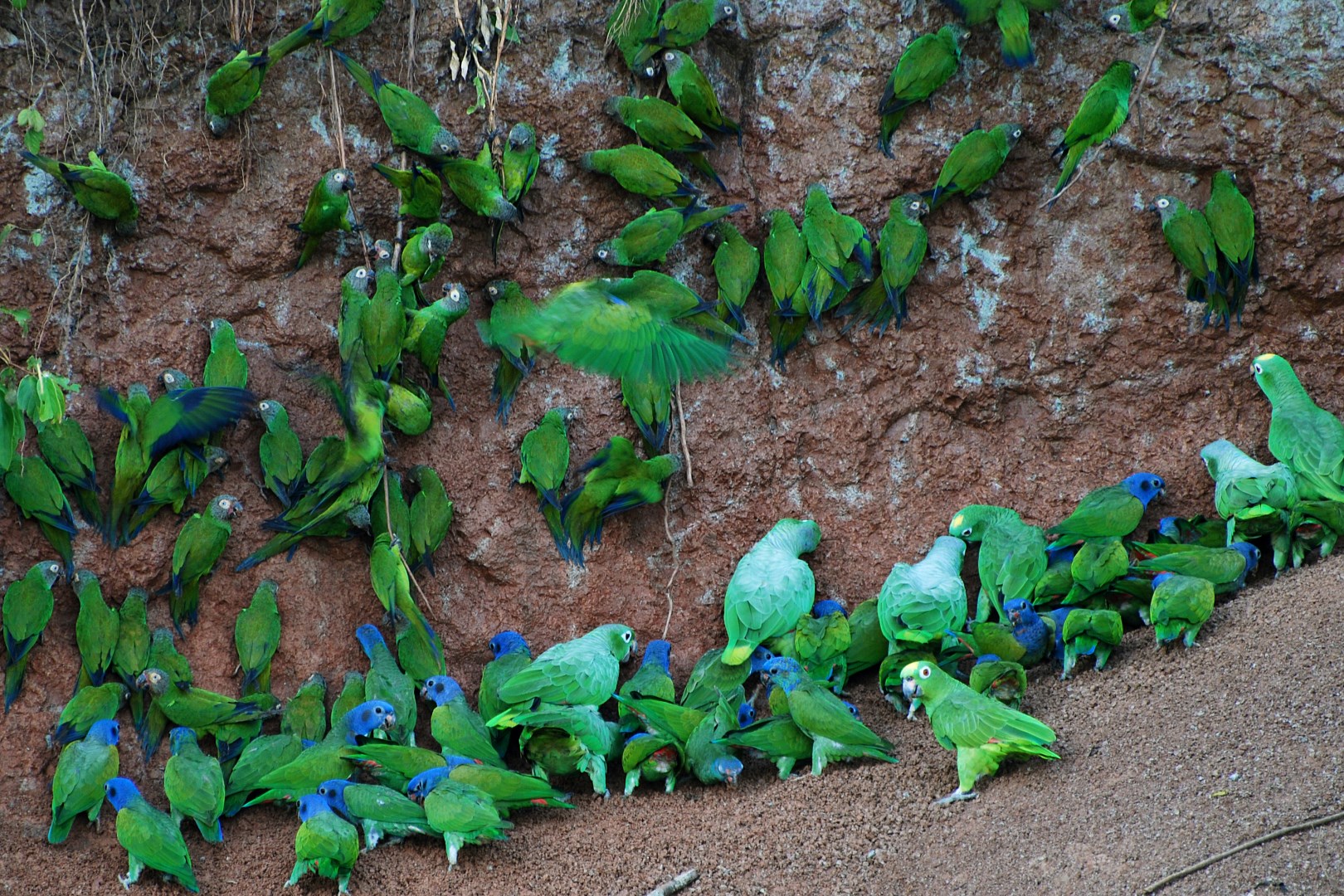
Yasuni National Park
Yasuní National Park lies in Ecuador’s Amazon region, between the Napo and Curaray rivers, and protects one of the country’s largest areas of lowland rainforest. The park contains dense tropical forest, rivers, lagoons, swamps, and seasonally flooded areas, creating a wide range of habitats. Its location near the equator and its varied terrain support exceptionally high biological diversity.

Pilsen
Pilsen, located in the western part of the Czech Republic, is renowned for its rich history and vibrant cultural scene. The city is best known as the birthplace of Pilsner beer, a name synonymous with the iconic pale lager that has become a global standard.
