
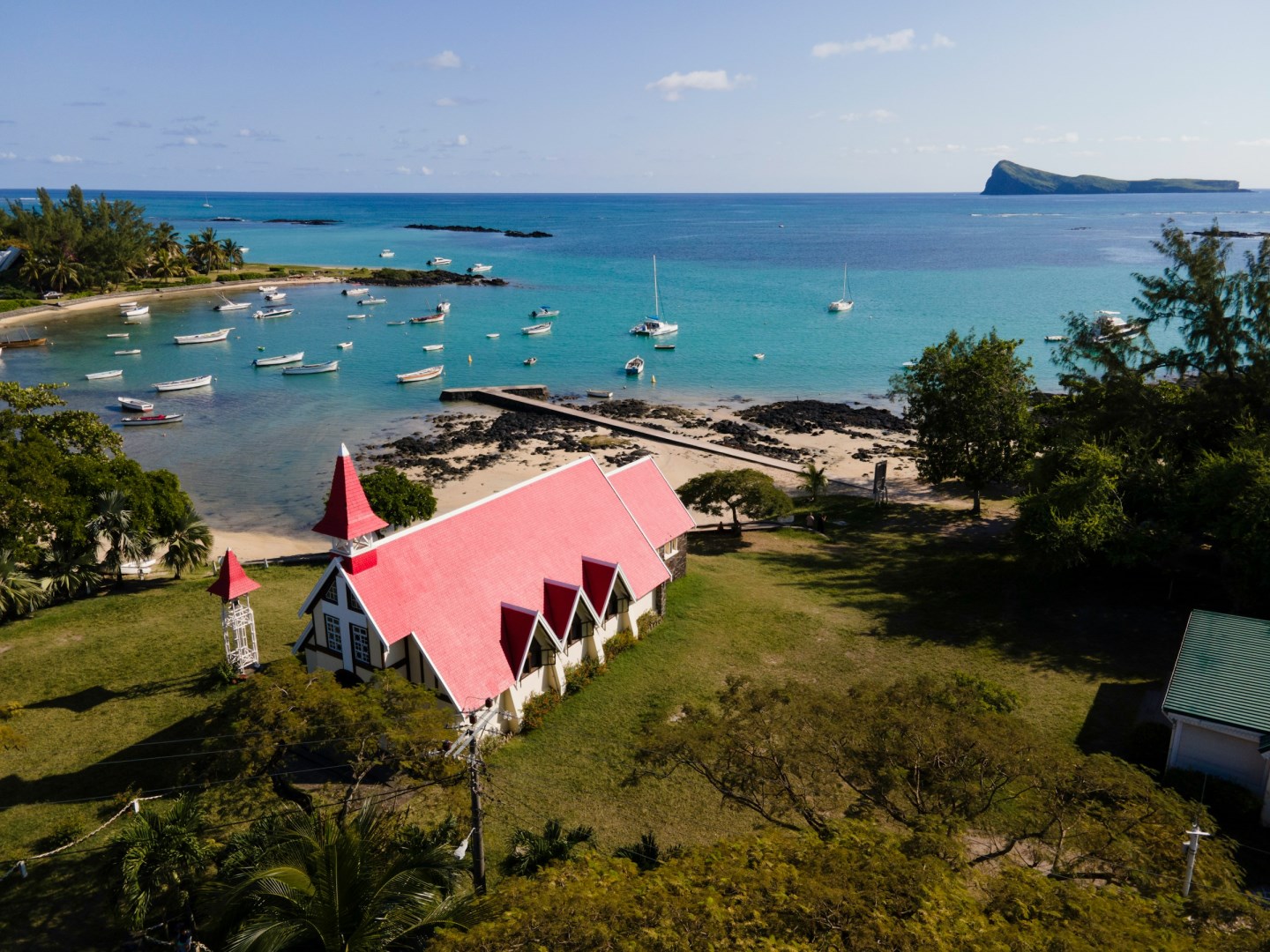
Cap Malheureux
Cap Malheureux is a small coastal village at the northern tip of Mauritius, facing the islands and open waters beyond Grand Baie. It is best known for Notre-Dame Auxiliatrice, a Catholic chapel with a bright red roof that stands beside the shoreline and has become one of northern Mauritius’s most recognizable landmarks.
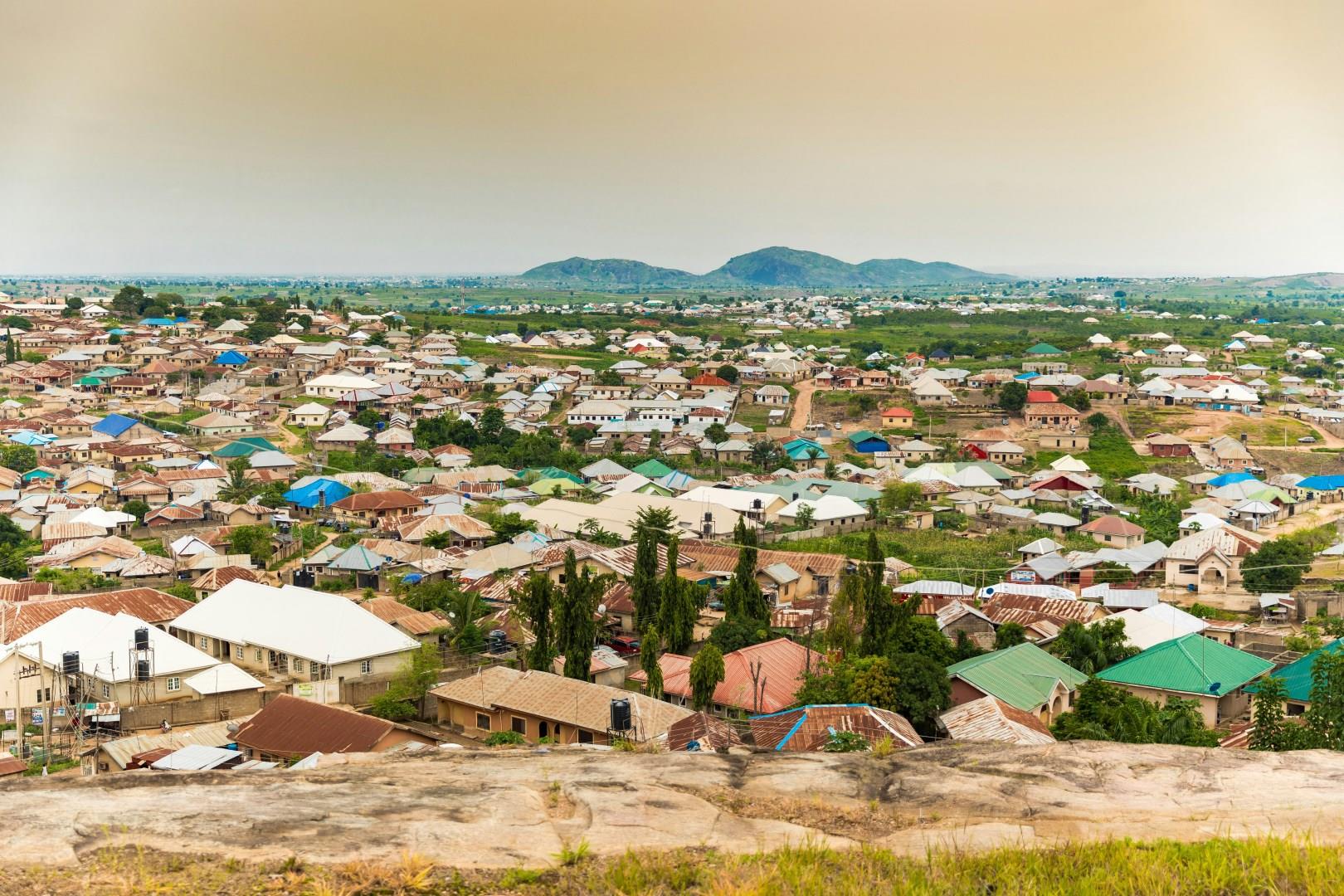
Nigeria
Nigeria, located in West Africa, is a country known for its diversity in culture, language, and landscapes. It is home to over 200 million people, making it the most populous country in Africa.
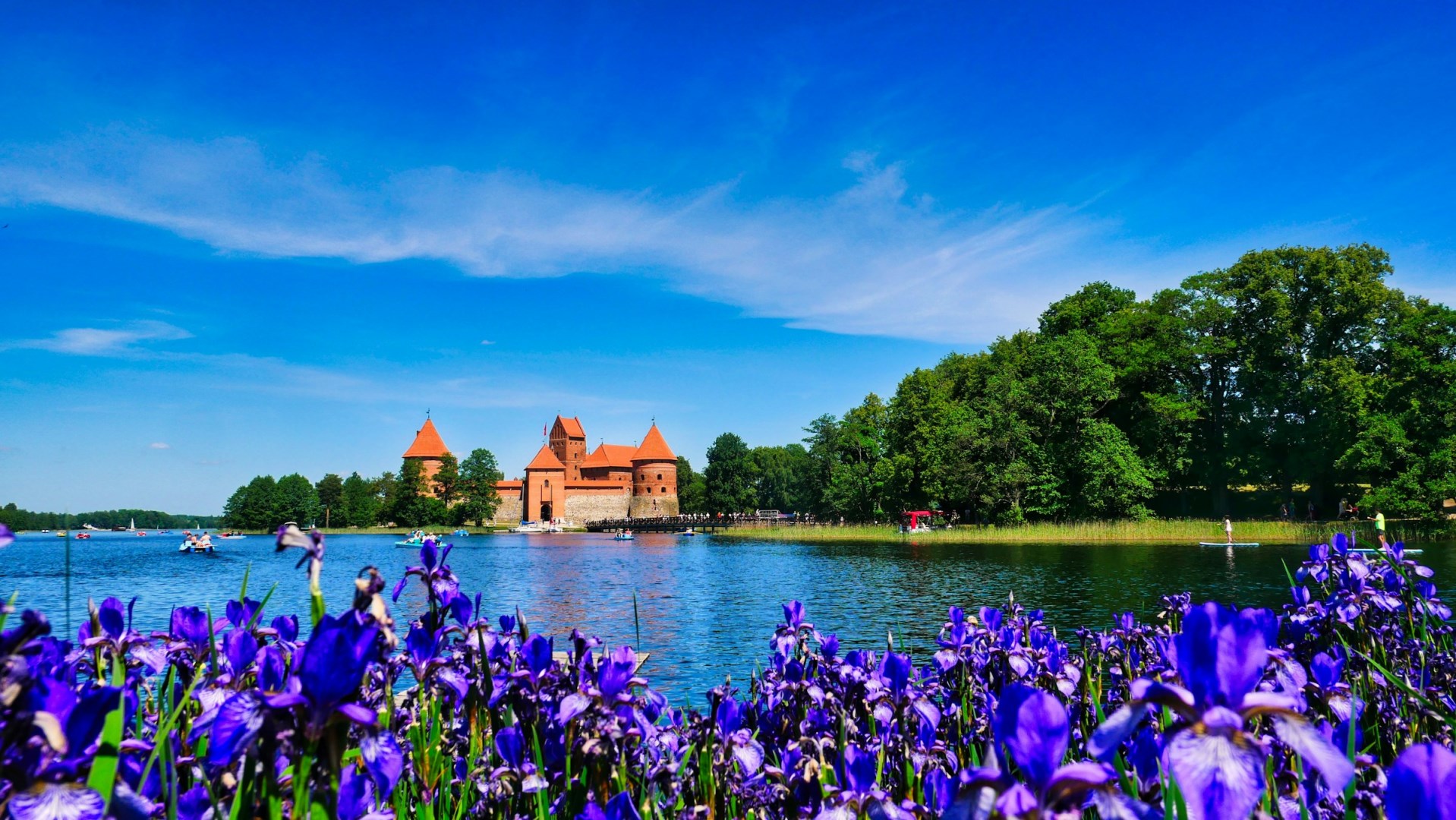
Trakai
Trakai is a small historic town west of Vilnius, surrounded by lakes and wooded landscapes in southeastern Lithuania. Its most recognizable landmark is Trakai Island Castle, a red-brick fortress built on an island in Lake Galvė and connected to the shore by a wooden bridge. The town itself is set between several lakes, including Lake Galvė, Lake Totoriškės, and Lake Luka, giving its streets and waterfront a distinctly waterside setting.

Bhutan
Bhutan, often called the “Land of the Thunder Dragon,” is a Himalayan kingdom known for its dramatic landscapes and deeply rooted traditions. Towering peaks, forested valleys, and winding rivers set the stage for a country that has long prioritized harmony between nature and culture.
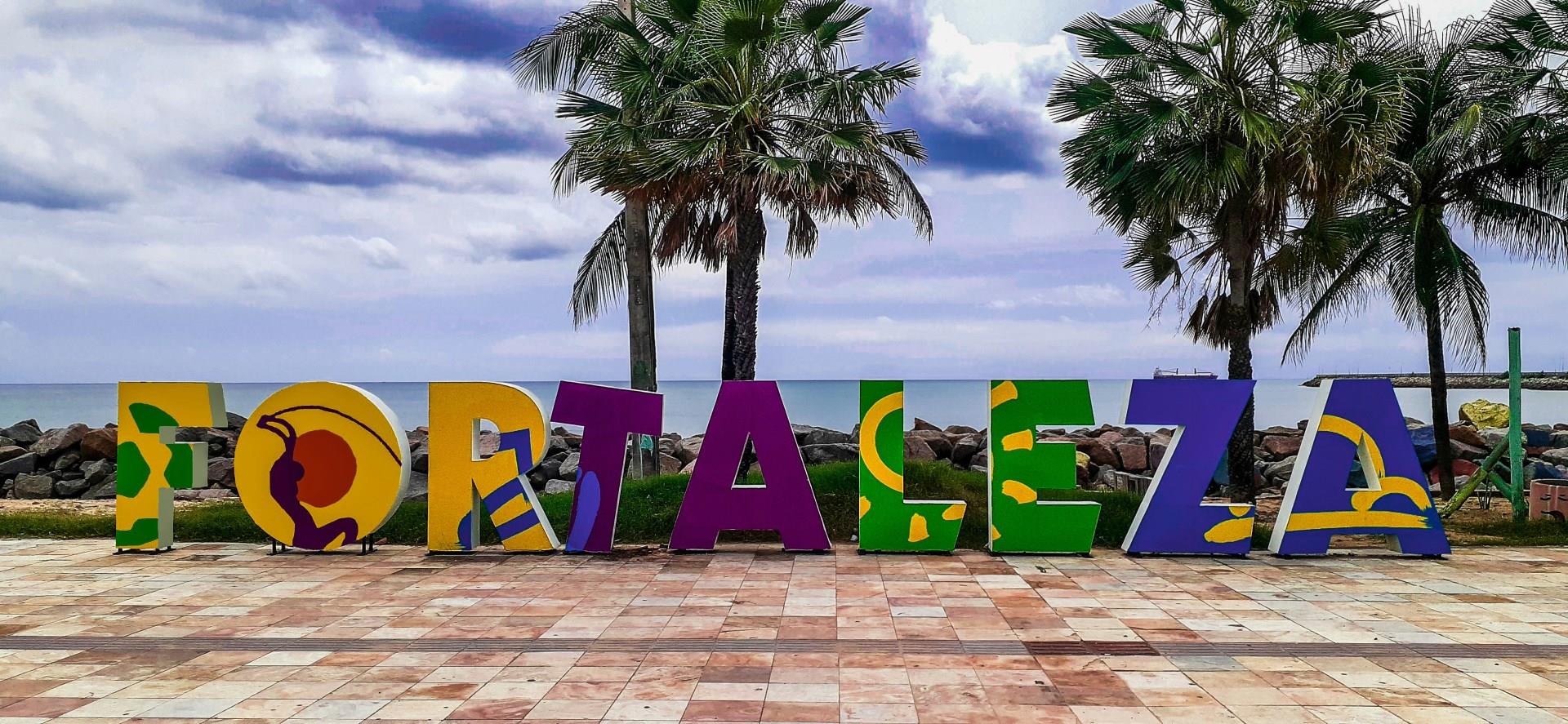
Fortaleza
Fortaleza, on Brazil’s northeastern Atlantic coast, greets visitors with wide sandy beaches that stretch for miles along warm, blue water. Beyond the city’s shoreline, dramatic dunes and inviting waters make Fortaleza an ideal base for exploring nearby beach towns like Cumbuco and Canoa Quebrada, each with its own rhythms and landscapes.
