

Suez
Suez, Egypt, is a city of historical significance and strategic importance, making it an intriguing destination for travelers. Located at the southern end of the Suez Canal, this city has been a key player in global trade and naval history for over a century. Suez is not only a gateway to the world-renowned canal but also a place rich in history and culture.
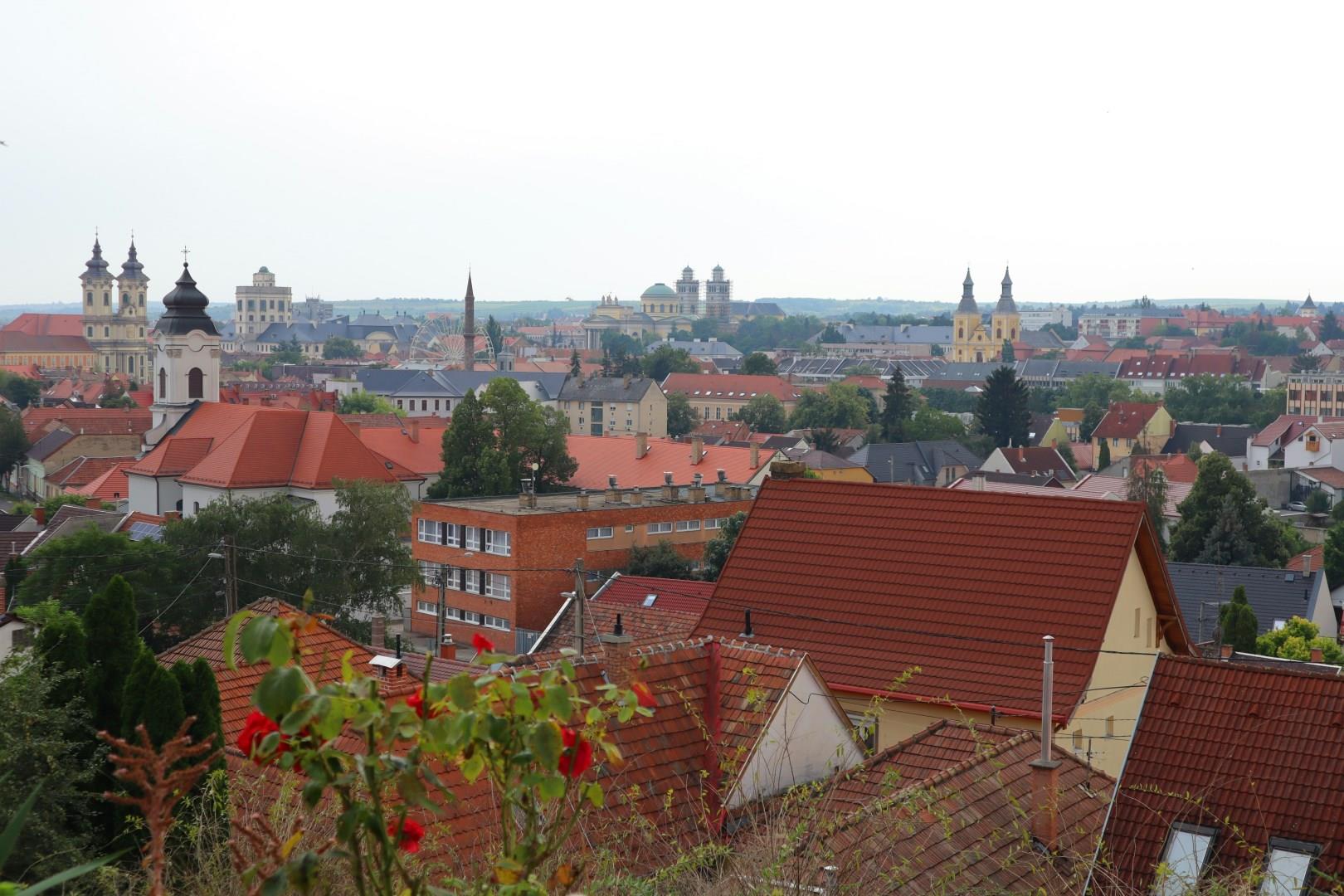
Eger
Eger sits in northern Hungary and is known for its well preserved Baroque center, historic castle and long tradition of wine and craft that draw visitors from across Europe. Just beyond the historic center, generations of winemakers have perfected local styles and offer tastings of local varieties. A casual afternoon here can feel like a gentle cellar crawl, with seasonal music or simple snacks adding to relaxed tastings under vine covered walkways.

Annapurna
The Annapurna region of central Nepal is defined by both cultural depth and extreme topography. Home to a wide range of ethnic communities, including Gurung, Thakali, and Manangi peoples, the area has long been shaped by trans-Himalayan trade routes and mountain agriculture.

Galveston
Galveston, Texas, a charming island city along the Gulf Coast, is a delightful blend of history, culture, and seaside leisure. Known for its Victorian architecture and sun-soaked beaches, Galveston offers a rich array of experiences for visitors. The Historic Strand District, with its 19th-century buildings housing shops, galleries, and restaurants, takes visitors back in time to an era of bustling port trade and grand social affairs.

Aarhus
Aarhus, Denmark's second-largest city, offers a captivating blend of historical charm and modern vibrancy. Founded in the 8th century, Aarhus boasts a rich history that visitors can explore at the Old Town Museum, an open-air museum that recreates Danish life through the ages with its historical buildings and interactive exhibits. The city's medieval roots are also visible in the well-preserved Aarhus Cathedral.
